
Rating:
⭐⭐⭐⭐ (4.2 out of 5)
There are some subjects people still struggle to talk about openly. Infertility is one of them.
In my years reviewing books, I have read stories about love, loss, betrayal, ambition. But infertility has its own kind of ache. It sits in hospital waiting rooms. It shows up in family gatherings when someone asks an innocent question that isn’t so innocent. It lingers in late night conversations between couples who don’t know what to say to each other anymore.
When I first saw Silent Struggles: Understanding Infertility, I paused at the title. It felt accurate. Not dramatic. Not sensational. Just… real. I have learned to pay attention to that instinct. Sometimes the most important books are the ones that speak about things people whisper about.
What the Book Is About
If you are searching for a clear book summary of Silent Struggles, here’s what I gathered from the cover and blurb.
Dr. Percy Kharas, a seasoned gynec consultant and pioneer in infertility work in Gujarat, has written a guide that addresses both female and male fertility challenges. And I want to underline that. Both. That matters.
Too often, infertility is treated as a “women’s issue.” But this book seems to acknowledge that the biological, emotional, and social dimensions involve both partners. That balance already tells me something about the author’s perspective.
The subtitle calls it “A Compassionate Guide to Female and Male Fertility Challenges and Hopeful Paths Forward.” I appreciate that it doesn’t promise miracles. It offers understanding. It offers paths forward. That feels responsible.
From what is described, the book covers medical explanations in detail but also focuses on the emotional and social impact. It mentions fertility clinics, consultations filled with fear, and those fragile moments when hope flickers again after disappointment.
As someone who has read enough health related nonfiction to know the difference between clinical detachment and humane writing, I think this balance is what makes or breaks such a book.
Dr. Percy Kharas is not just an author writing from theory. He has decades of experience as a gynec consultant in Gujarat, leading a fertility hospital since the early 90s. That kind of lived professional experience adds weight. This is not surface level commentary. This comes from years inside consultation rooms.
What Stood Out to Me
In this Silent Struggles Book Review, what stood out most to me was the word compassion. It appears repeatedly in the description. And I think that is intentional.
Medical books can sometimes overwhelm readers with terminology. They can feel intimidating. But here, the blurb mentions vivid metaphors and sensory narratives. That tells me Dr. Percy Kharas is not only explaining hormones and procedures but also trying to describe what it feels like to sit across from a doctor and hear difficult news.
I have seen this happen in real life. A close family friend struggled with infertility for years. What hurt them most was not just the diagnosis. It was the silence. The social pressure. The subtle blame.
So when the blurb talks about the social dimensions of infertility, I felt a sense of relief. This book appears to acknowledge that infertility is not just a medical condition. It is also cultural. It is relational. It affects identity.
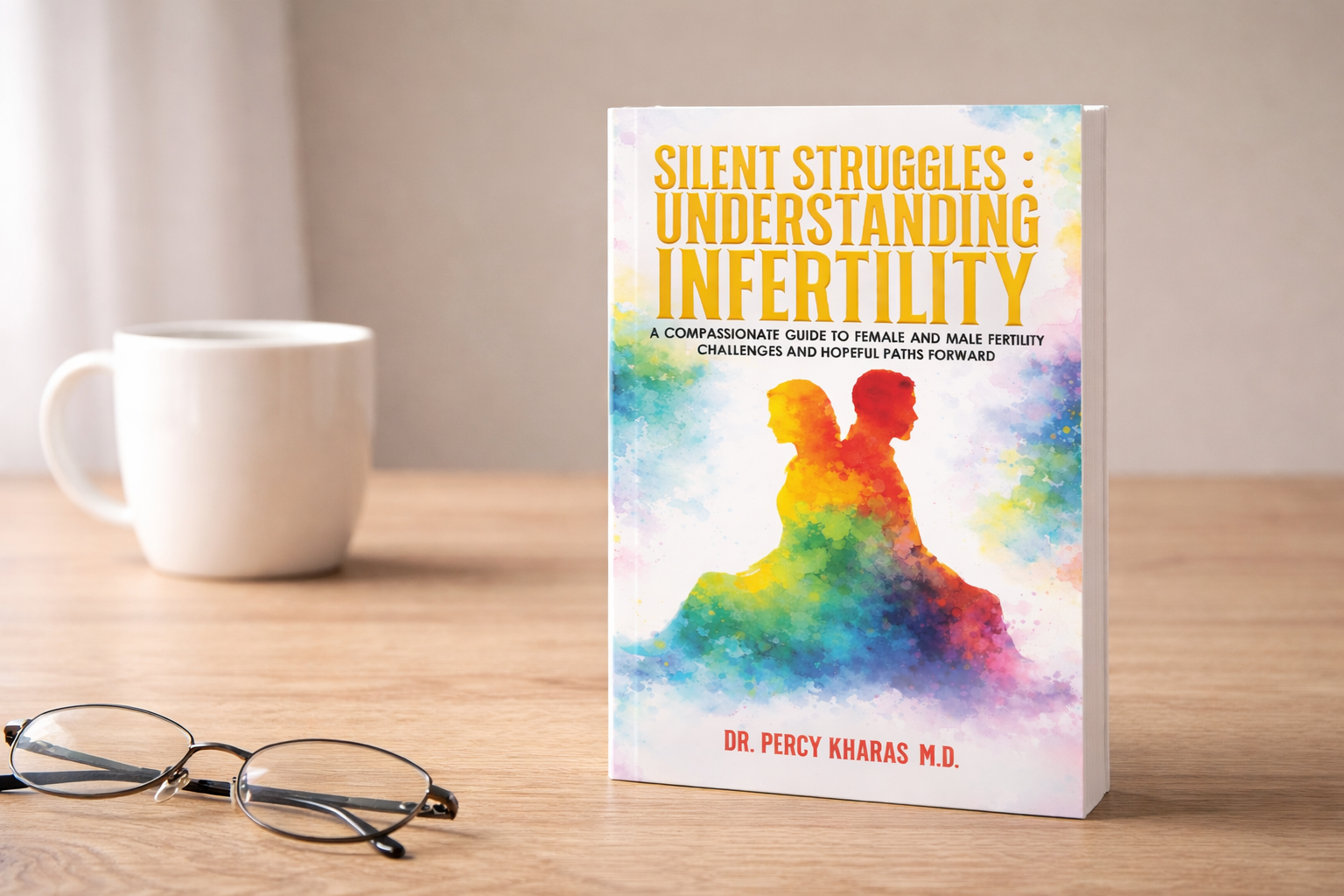
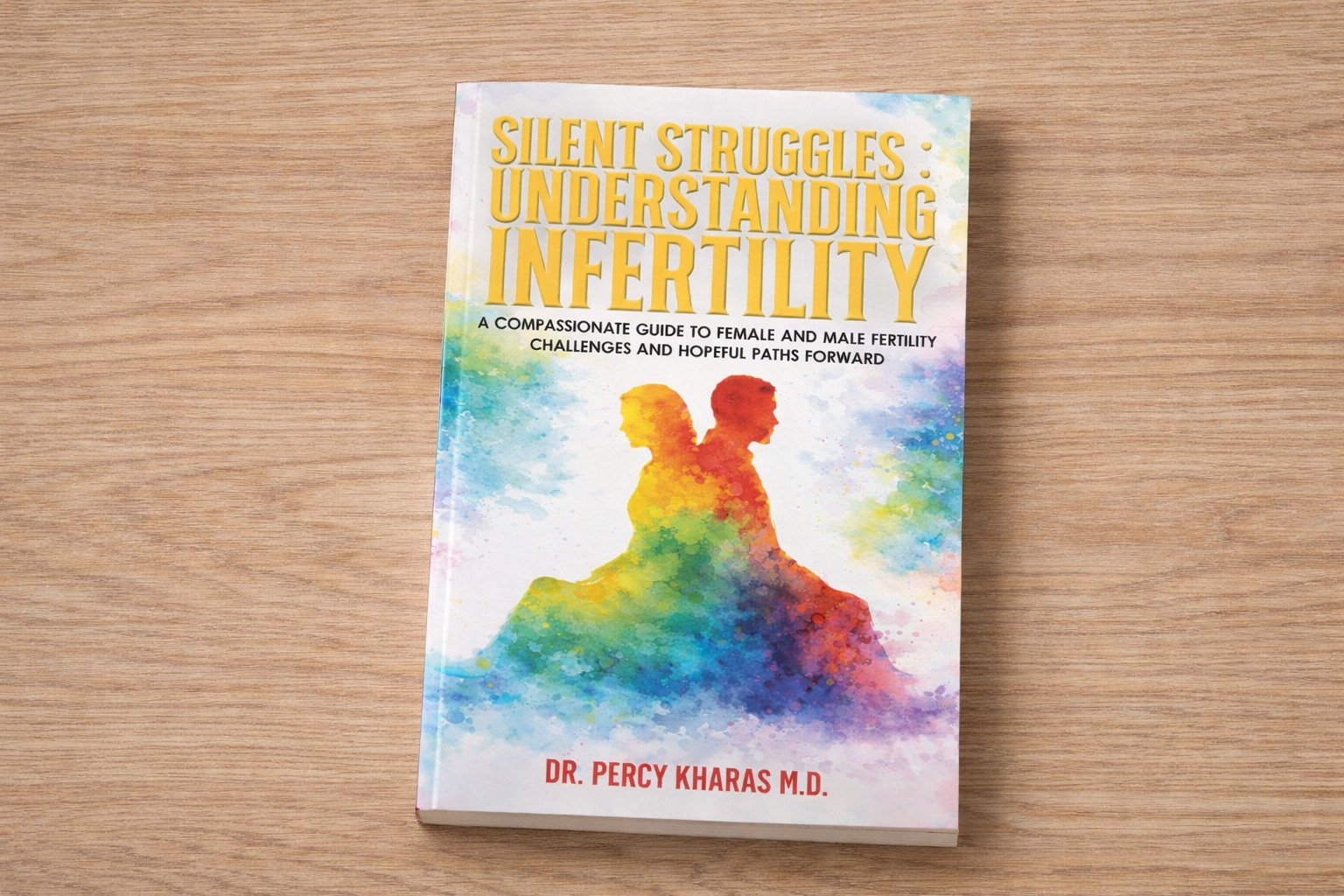
The cover design also says something. Two figures back to back, blending into vibrant colors. To me, that suggests both separation and connection. Shared struggle, yet individual pain. I might be reading into it, but good covers often reflect deeper themes.
I also noticed the emphasis on a holistic perspective and restoring faith. Now, I will say gently, that whenever a book speaks about restoring faith, I look carefully. Sometimes it becomes too idealistic. But here, because the author has decades of clinical experience, I suspect that hope is grounded in practical knowledge rather than vague reassurance.
In my experience reviewing medical guides, the strongest ones respect the reader’s intelligence. They do not sugarcoat the complexity. They explain procedures clearly. They also admit uncertainty where it exists. If Silent Struggles achieves that balance, it will truly serve its readers.
The Emotional Core
Infertility is often described in numbers. Hormone levels. Success rates. Percentages.
But numbers do not capture the emotional weight.
What I think this book tries to do is give language to feelings couples often struggle to articulate. The whispered fears during consultations. The hope that rises every month and then falls. The strain on intimacy.
Honestly, even reading the blurb made me feel a heaviness. Not in a negative way. Just an acknowledgment of how many people carry this privately.
In 2026, conversations around mental health have become more open. But fertility struggles still carry stigma, especially in parts of India where societal expectations are intense. A guide like this feels timely because it recognizes both science and sensitivity.
I imagine there are moments in the book where Dr. Percy Kharas shares real case insights, maybe anonymized stories. Those are often the parts that stay with readers. There is something powerful about realizing you are not alone.
That said, I also think some readers might find parts emotionally overwhelming. When a book combines medical detail with personal pain, it can stir a lot. This might not be something you read casually. It may require emotional readiness.
But maybe that is exactly the point.
Who This Book Is For
If you are a couple navigating fertility challenges, this guide seems like a steady companion.
If you are someone who wants to understand what your partner is going through, especially men who may not fully grasp the physical toll on women, I think Silent Struggles could be eye opening.
It is also useful for families who want to respond with empathy instead of pressure. I have seen parents and in laws unintentionally worsen the pain with insensitive comments. Education changes that.
Healthcare professionals early in their careers might also benefit. Learning how to communicate difficult truths with compassion is as important as medical accuracy.
However, if you are looking for a purely scientific textbook with dense research citations on every page, this might feel more narrative driven. And if you prefer memoir over medical explanation, you might find some sections technical.
This is, after all, written by a practicing gynec consultant. The authority comes from practice.
Final Thoughts
Writing this Silent Struggles Book Review, I kept thinking about how much courage it takes to talk about infertility openly.
Dr. Percy Kharas has spent decades working in Gujarat, leading a fertility hospital and contributing to conferences nationally and internationally. That credibility matters. It builds trust.
But beyond credentials, what seems meaningful here is intention. The intention to combine clarity with compassion. To address both male and female infertility. To present not just treatment options but emotional understanding.
Is it perfect? I am not sure. Some readers might wish for more structured summaries at the end of chapters. Others may want more case studies. That depends on how the book is organized internally.
But overall, I feel this is a sincere, grounded guide. It does not sensationalize pain. It does not promise easy answers. It appears to offer knowledge with care.
And sometimes, especially in deeply personal struggles, that is exactly what people need.
Frequently Asked Questions
Is Silent Struggles worth reading?
If you or someone close to you is facing infertility, this guide offers both medical clarity and emotional understanding. It seems especially valuable for couples navigating this together.
Who should read Silent Struggles by Dr. Percy Kharas?
Couples, families, and even young healthcare professionals who want a compassionate perspective on fertility challenges.
What genre is Silent Struggles?
It is a nonfiction medical and emotional guide focused on infertility, written by a practicing gynec consultant.
Does Silent Struggles focus only on women?
No. The book addresses both female and male infertility, which is an important and refreshing aspect.

With over 11 years of experience in the publishing industry, Priya Srivastava has become a trusted guide for hundreds of authors navigating the challenging path from manuscript to marketplace. As Editor-in-Chief of Deified Publications, she combines the precision of a publishing professional with the empathy of a mentor who truly understands the fears, hopes, and dreams of both first-time and seasoned writers.