
Rating:
⭐⭐⭐⭐ (4.3 out of 5)
Sometimes Poetry Finds You When You Need It
There are days when I sit at my desk at Deified Publication, surrounded by manuscripts, and I realize something simple about reading.
Some books challenge the mind.
Some entertain.
And some just sit beside you like a friend who understands what you are feeling.
Chitvan by Meghna Sharma felt like the third kind.
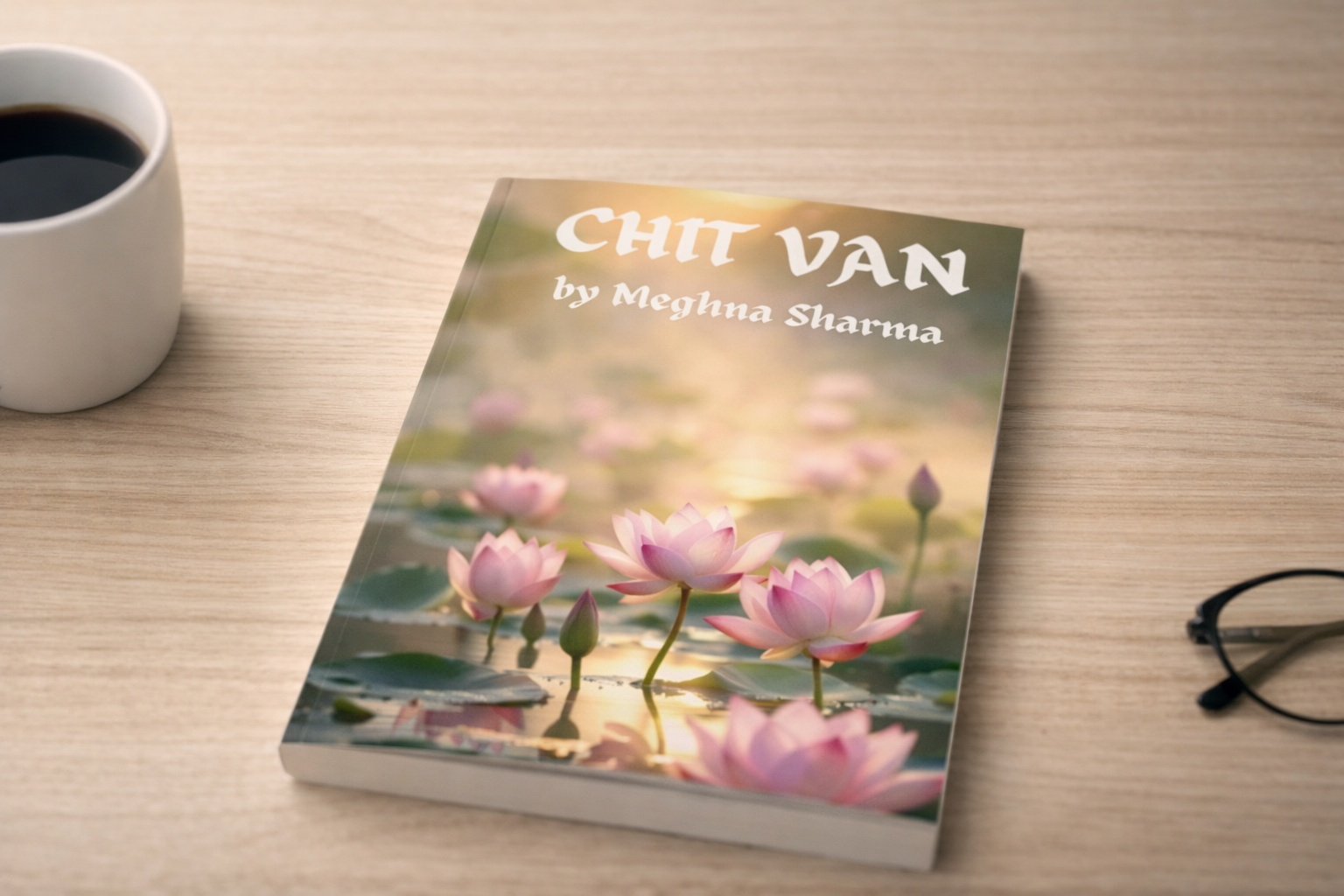
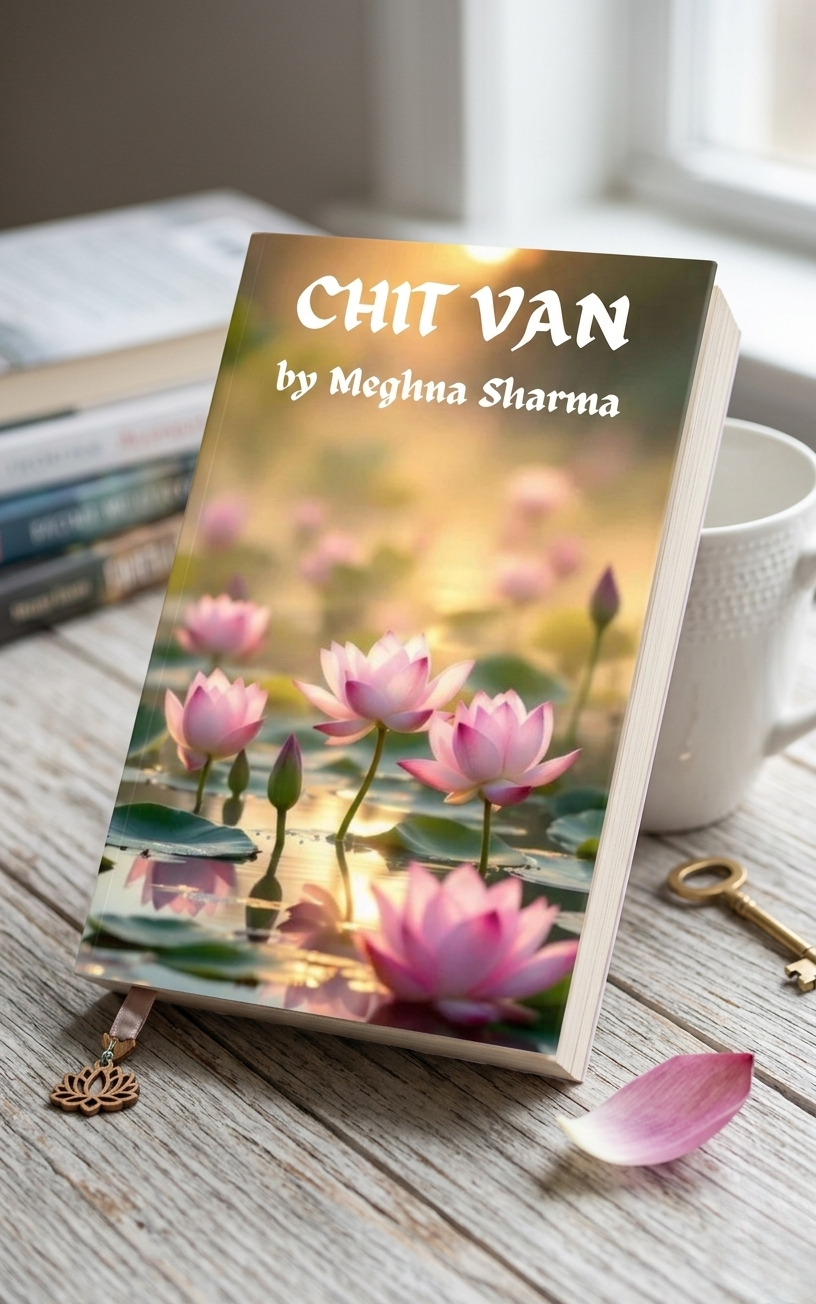
When I first looked at the cover, I paused for a moment. A peaceful lotus pond glowing under soft sunlight. It feels calm, reflective, almost meditative. That image already tells you something about the tone of the book. This is not a loud poetry collection. It is reflective. Personal.
Then I started reading the opening pages.
One of the first things you see is a line by Kabir.
“मन के हारे हार है, मन के जीते जीत।”
And honestly I stopped there for a moment.
Because that line alone carries the emotional foundation of the entire book. The idea that our biggest battles are internal ones.
As someone who has spent more than fifteen years reading fiction, poetry, and memoirs, I can say something with confidence. Poetry that speaks about emotional vulnerability without sounding artificial is rare.
Chitvan tries to do exactly that.
And in many places, it succeeds.
What the Book Is About
Chitvan is a collection of Hindi poems written by Meghna Sharma. The poems revolve around emotional struggles many people experience but rarely articulate openly.
Heartbreak.
Loneliness.
Self doubt.
Healing.
And eventually self acceptance.
The introduction of the book hints at the intention very clearly. The author writes about how life’s constant rush often leaves us tired, and in those moments our inner voice begins asking difficult questions. Her poems attempt to respond to those questions.
I liked that honesty.
The table of contents gives you a glimpse of the emotional themes. Titles like Aakhir Kyun, Jana Ne Kisi Ko, Main Aasman Hun Tera, Muskuraana, and Tum Jo Ho Naseeb Mein suggest a journey through different emotional states.
Some poems sound reflective. Some sound romantic. Some feel almost like personal diary entries.
And I mean that in a good way.
Poetry sometimes works best when it feels like someone speaking quietly to themselves.
What I appreciated most is that the language remains accessible. The poems are written in simple Hindi that many readers can connect with immediately.
You do not feel like you are reading something overly academic or difficult.
Instead it feels closer to spoken emotion.
What Stood Out to Me
The first thing that stood out while reading Chitvan is its emotional sincerity.
There is a vulnerability in the voice of the poems that feels genuine. The author is not trying to impress readers with complex metaphors or elaborate language. Instead she focuses on emotional clarity.
For example the introduction talks about how poetry can emerge from moments when the mind becomes tired from life’s struggles. That thought stayed with me.
Because honestly, many of the most memorable poems I have read were written in exactly those moments. When someone stops trying to appear strong and simply writes what they feel.
Another aspect I appreciated is the thematic consistency.
Many poetry collections feel scattered. Different poems exploring unrelated ideas.
But Chitvan feels more cohesive. The poems seem connected by a central emotional thread. A person moving through pain, questioning their worth, finding strength again, and rediscovering hope.
That emotional arc makes the collection feel purposeful.
I also noticed how the author draws inspiration from Indian philosophical thought.
Beginning the book with Kabir’s famous line sets a tone of introspection. It reminds readers that emotional resilience has always been part of Indian spiritual tradition.
In my years reviewing books, I have seen many contemporary poetry collections influenced heavily by Western styles. There is nothing wrong with that of course. But it was refreshing to see a collection rooted in familiar cultural references.
It gives the book a sense of identity.
Another thing that stood out to me was the tone of encouragement that appears throughout the collection. The poems do not stay stuck in sadness. They move slowly toward healing.
And I think that matters.
Poetry that only stays in despair can feel heavy. But poetry that acknowledges pain while gently pointing toward resilience can be comforting.
The Emotional Core
The emotional center of Chitvan is healing.
Not dramatic transformation.
Not instant solutions.
Just gradual emotional recovery.
The poems seem to speak directly to readers who feel alone with their thoughts. Readers who might be dealing with heartbreak or questioning their worth.
The author’s voice often feels like someone reminding you that pain does not define your entire story.
I remember reading one of the poem titles, Muskuraana. Even without reading the full text of that poem, the word itself suggests a shift. A movement toward lightness.
And I think that emotional progression is intentional.
The collection seems structured to move readers from confusion toward emotional clarity.
Some lines feel reflective, almost philosophical. Others feel intimate, like personal confessions.
This combination creates a reading experience that feels close to conversation rather than performance.
And honestly, that is when poetry works best for me.
Not when it feels like it is trying to impress the reader. But when it feels like someone is simply sharing their inner world.
Who This Book Is For
I think Chitvan will resonate strongly with readers who enjoy emotionally reflective poetry.
Especially readers who connect with Hindi literature.
Young readers dealing with heartbreak or self doubt might find comfort in these poems. The language is accessible enough that even people who do not usually read poetry can connect with it.
Readers who enjoy poets like Gulzar or Rahat Indori may appreciate the emotional simplicity here, though Meghna Sharma’s voice is very much her own.
This collection may not appeal to readers looking for extremely experimental poetry or dense literary symbolism.
But if you enjoy poetry that speaks about real feelings in straightforward language, Chitvan might feel like a companion during reflective moments.
Sometimes we do not need complex literature.
Sometimes we just need words that understand us.
Final Thoughts
When I finished reading the available pages of Chitvan, I kept thinking about something simple.
Poetry often works quietly.
You read a line. You move on. But hours later you realize that line is still sitting somewhere in your mind.
That is the kind of poetry this collection aims to create.
Meghna Sharma writes with emotional honesty. Her poems reflect the struggles many people experience but do not always express openly.
There are moments where I wished some poems were longer or explored their ideas more deeply. A few themes feel familiar because heartbreak and healing are common topics in modern poetry.
But sincerity carries the collection.
And sincerity is something readers recognize immediately.
In 2026, when conversations around mental health, loneliness, and emotional resilience are becoming more open, a poetry collection like Chitvan feels timely.
Because sometimes healing does not start with solutions.
Sometimes it starts with someone putting your feelings into words.
FAQ
Is Chitvan worth reading?
If you enjoy reflective Hindi poetry about healing, relationships, and self discovery, Chitvan offers a gentle and accessible reading experience.
What is Chitvan about?
The book is a collection of Hindi poems exploring heartbreak, emotional vulnerability, inner strength, and personal growth.
Who should read Chitvan?
Readers who appreciate emotional poetry, especially in Hindi, may find the book relatable and comforting.
Is Chitvan suitable for beginners in poetry?
Yes. The language is simple and approachable, making it a good entry point for readers new to Hindi poetry.

With over 11 years of experience in the publishing industry, Priya Srivastava has become a trusted guide for hundreds of authors navigating the challenging path from manuscript to marketplace. As Editor-in-Chief of Deified Publications, she combines the precision of a publishing professional with the empathy of a mentor who truly understands the fears, hopes, and dreams of both first-time and seasoned writers.