
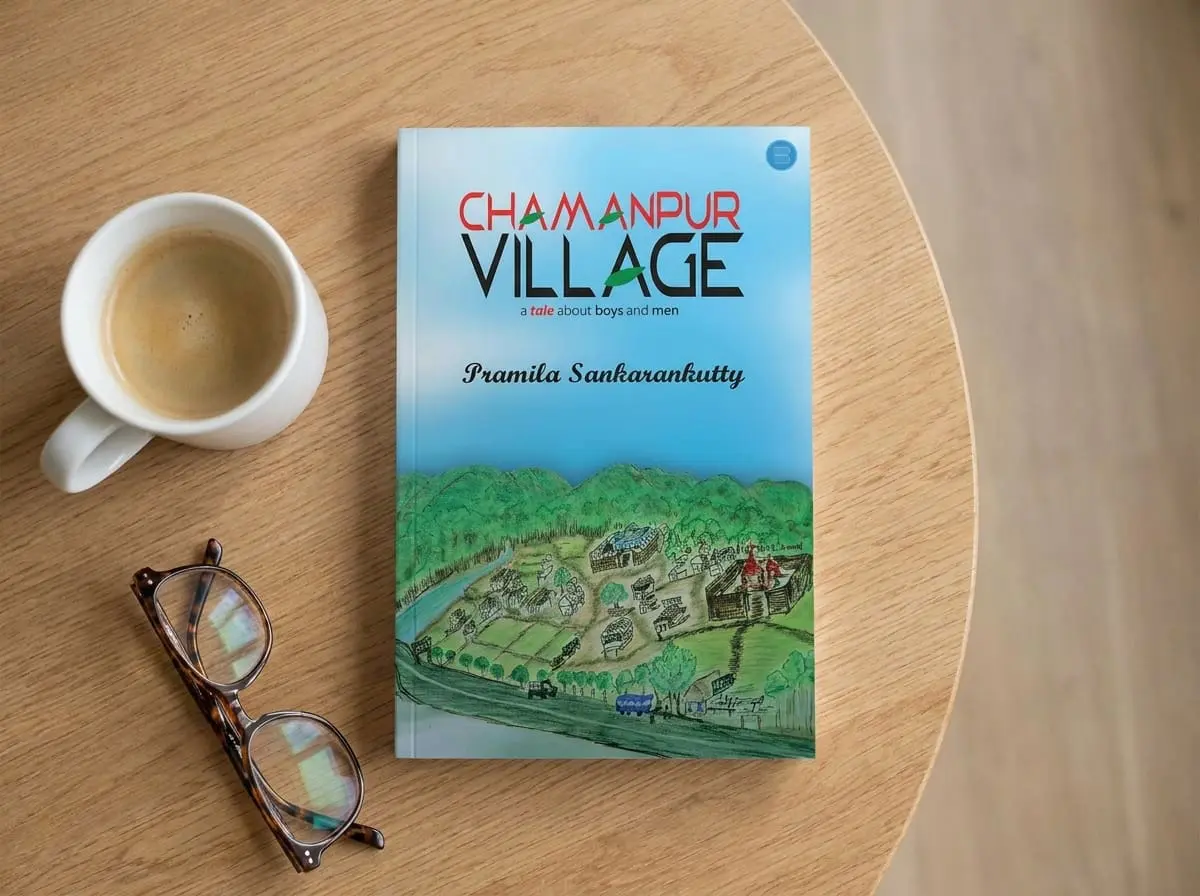
Rating
⭐⭐⭐⭐1/2 (4.6 out of 5)
As someone who has spent more than fifteen years reading books across genres and reviewing them as Editor in Chief at Deified Publication, I have learned that some books impress with complexity while others win your heart through sincerity. Chamanpur Village: A Tale about Boys and Men by Pramila Sankarankutty belongs firmly to the second category.
I picked up this novel expecting a village story. What I found was something larger. It is a book about friendship, community, family values, leadership, entrepreneurship, childhood adventure, and the difficult task of holding on to goodness when selfishness becomes tempting.
Honestly, while reading it, I was reminded of stories many of us heard from our grandparents. Not because the book is old fashioned, but because it believes that integrity still matters. In today’s world, that belief feels surprisingly refreshing.
The novel begins in the lush surroundings of Chamanpur, a village nestled near forests, hills, and the Bhagavathi River. Nature is not merely a backdrop here. It feels like a living presence shaping the lives of everyone who calls this place home.
What the Book Is About
At its heart, Chamanpur Village follows the lives of Ramprasad Mishra, Heeralal Sharma, Rahim Khan, and Sohanlal Rajaka along with their families. These men represent ordinary villagers trying to build meaningful lives through hard work and mutual support.
One of the earliest things that caught my attention was Ramprasad’s determination to improve his business and provide a better future for his family. His purchase of a mini truck, his efforts to expand his business, and even his decision to involve his wife Sunita in financial discussions reveal a character who is constantly trying to grow without abandoning his values.
Parallel to the adults’ story runs another engaging thread involving a group of boys led by Jagan. Their friendship feels genuine. Whether they are sharing a packet of Parle G biscuits after school or participating in village activities, there is a warmth to these interactions that feels authentic.
As the story progresses, mysterious incidents begin disturbing village life. What initially appears to be a local problem gradually develops into a larger challenge involving criminals, hidden agendas, and political manipulation. The boys become involved in uncovering clues while the adults work to protect the village and preserve harmony.
The novel steadily evolves from a simple village narrative into a story about collective responsibility.
What Stood Out to Me
The strongest aspect of this novel is undoubtedly its faith in community.
Many contemporary books focus on broken relationships. Pramila Sankarankutty takes a different route. She shows what happens when people genuinely care for one another.
Ramprasad’s relationship with Sunita stood out to me. There is a memorable stretch where he realizes that his wife should understand the family’s finances and business affairs. Rather than treating her as someone who exists only within the household, he wants her to become an informed partner. For a village based narrative, this felt meaningful and progressive without becoming preachy.
Another strength is the friendship among the four families. Throughout the novel, they repeatedly support one another during personal challenges, business ventures, threats, and moments of celebration. Their bond forms the emotional backbone of the story.
I also appreciated how entrepreneurship is presented. Ramprasad’s business expansion, the dream of creating opportunities, and the gradual development of Chamanpur reflect a belief that economic progress and ethical conduct can coexist.
Then there is Bansilal.
Every story needs conflict, and Bansilal provides plenty of it. His jealousy, manipulation, and misuse of authority create many of the challenges faced by the protagonists. What interested me wasn’t merely that he was an antagonist. It was how the novel consistently contrasts his mindset with the cooperative spirit of the village.
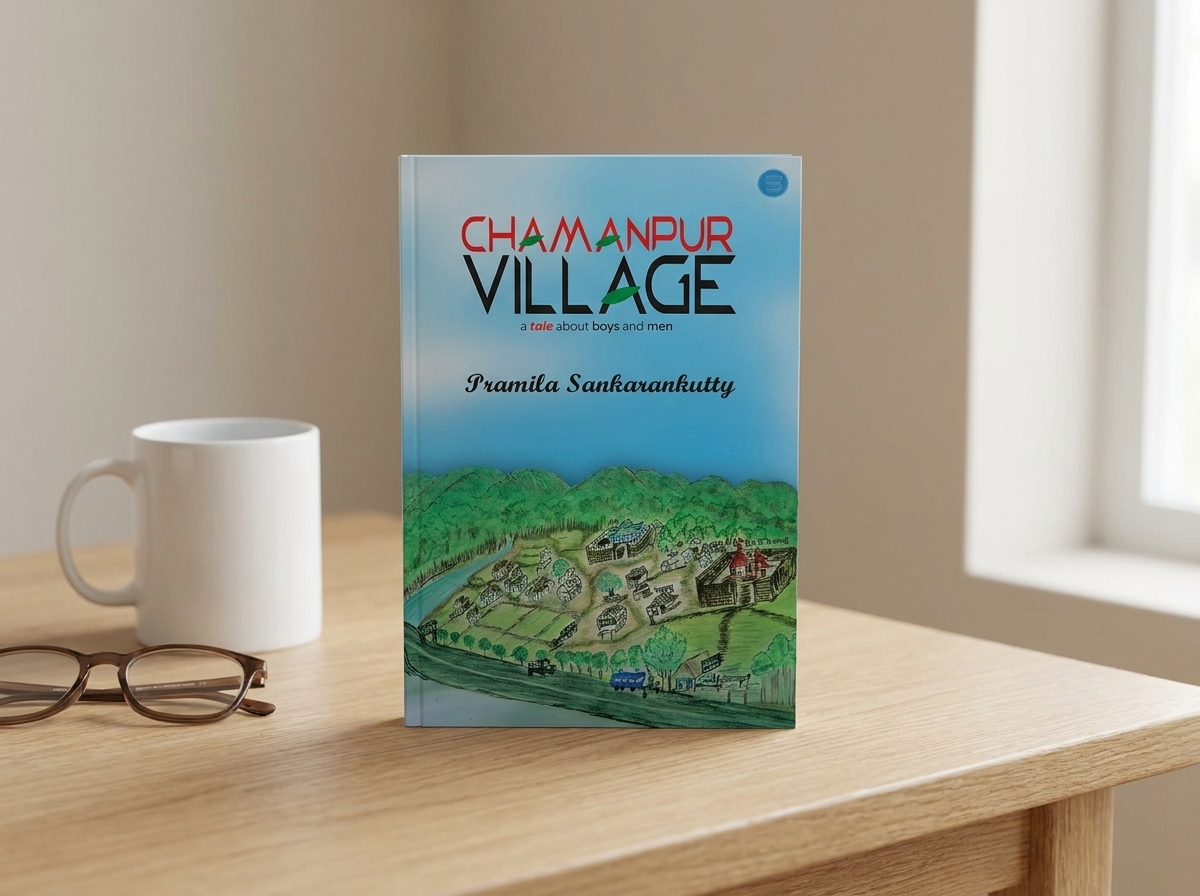
The setting deserves praise too. Chamanpur feels lived in. From Shambhu Kaka’s tea stall to the village temple, from Panchayat meetings to school routines, the environment feels detailed enough that readers can picture it clearly.
The Emotional Core
What surprised me most was how emotional the book becomes without relying on tragedy alone.
The emotional center lies in its belief that ordinary people can build extraordinary outcomes when they work together.
There are moments of danger. There are moments of betrayal. There are moments when greed threatens to destroy years of trust. Yet the novel repeatedly returns to ideas of friendship, responsibility, and social harmony.
One theme that particularly resonated with me is the relationship between development and values.
In many stories, progress arrives at the cost of tradition. Here, the author seems interested in asking whether a village can modernize without losing its soul. That question feels especially relevant in 2026 when discussions about growth, urbanization, and identity continue everywhere.
The children also contribute significantly to the emotional impact. Their courage, curiosity, and loyalty create some of the novel’s most enjoyable moments. The fact that the story treats young people as capable contributors rather than passive observers gives it additional heart.
Who This Book Is For
I think this book will work best for readers who enjoy:
- Village based fiction.
- Stories centered on friendship and family.
- Books with positive social messages.
- Community driven narratives.
- Coming of age adventures involving children.
- Readers who appreciate moral clarity.
If you prefer highly ambiguous literary fiction or extremely fast paced thrillers, this may not fully align with your taste.
The novel wears its values openly. Some readers will love that. Others may prefer more grey areas. Personally, I appreciated the author’s sincerity even when the message became direct.
Final Thoughts
By the time I reached the ending, I realized that Chamanpur Village is not trying to be cynical, fashionable, or shocking.
It wants to tell a story about decent people trying to build a better world around them.
And honestly, there is something admirable about that.
Pramila Sankarankutty has created a fictional village that feels hopeful without becoming unrealistic. The characters encounter real challenges, but the novel never loses faith in cooperation, integrity, and human goodness.
I especially enjoyed the combination of village life, children’s adventure, business growth, social responsibility, and community leadership. Those elements come together to create a narrative that feels both entertaining and meaningful.
There are places where the storytelling becomes idealistic and some readers may wish for more complexity in certain conflicts. But even then, the emotional sincerity carries the novel forward.
For readers looking for a heartfelt story rooted in Indian village life, friendship, and ethical leadership, this is a rewarding read.
FAQ
Is Chamanpur Village worth reading?
Yes, especially if you enjoy community centered stories, village settings, and uplifting narratives.
Who should read Chamanpur Village?
Readers who enjoy family sagas, social fiction, coming of age stories, and rural Indian settings.
What is Chamanpur Village about?
The novel follows four families, a group of village boys, and their efforts to protect and improve their community while facing threats from crime, jealousy, and political manipulation.
What makes Chamanpur Village different?
Its strong focus on friendship, collective growth, ethical leadership, and the belief that communities become stronger when people work together.

With over 11 years of experience in the publishing industry, Priya Srivastava has become a trusted guide for hundreds of authors navigating the challenging path from manuscript to marketplace. As Editor-in-Chief of Deified Publications, she combines the precision of a publishing professional with the empathy of a mentor who truly understands the fears, hopes, and dreams of both first-time and seasoned writers.