
Rating:
⭐⭐⭐⭐ (4.2 out of 5)
There is something about those two blue ticks on WhatsApp that feels so ordinary and yet so loaded. I think all of us, at some point, have stared at them a little longer than we would like to admit. Seen. And then nothing.
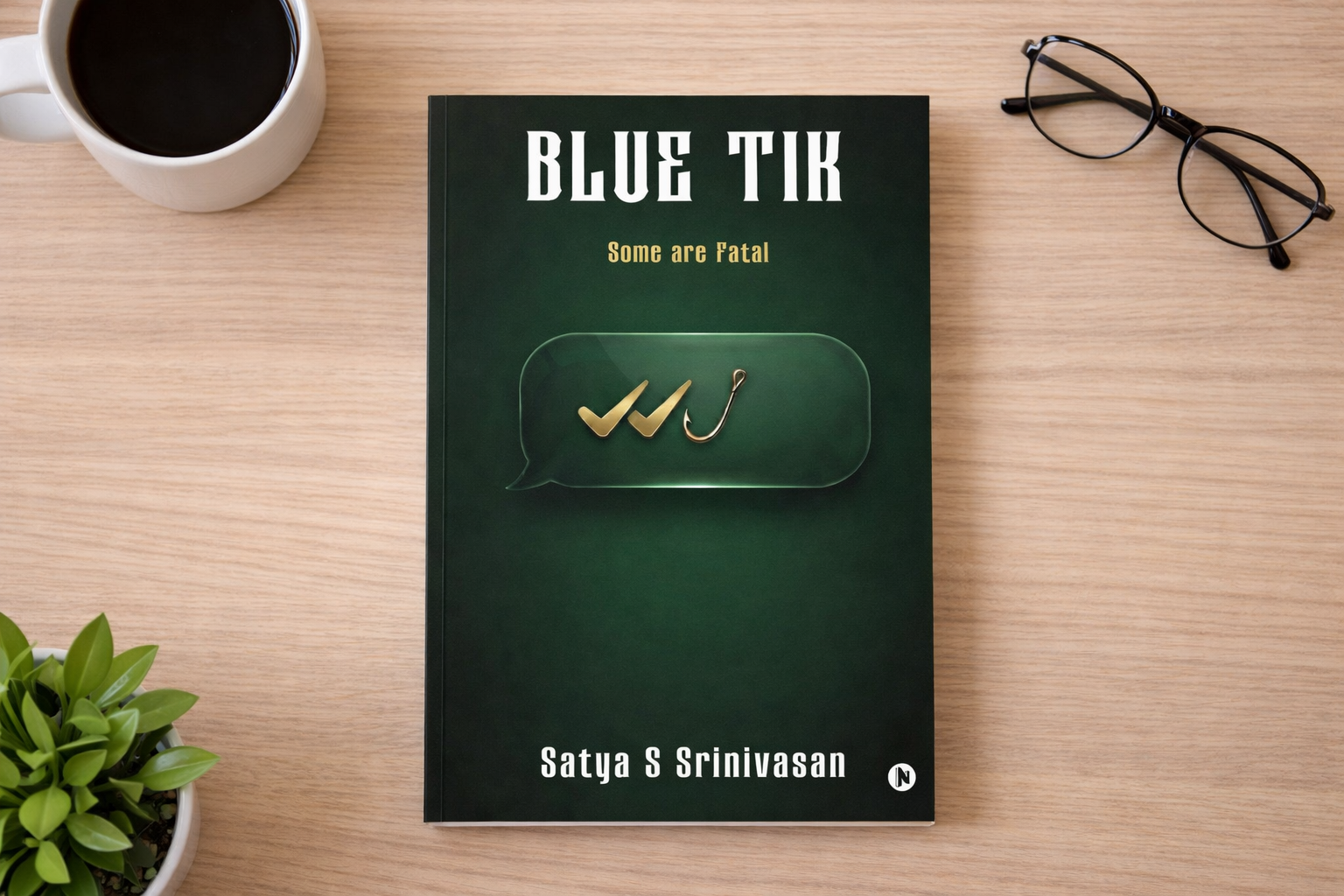
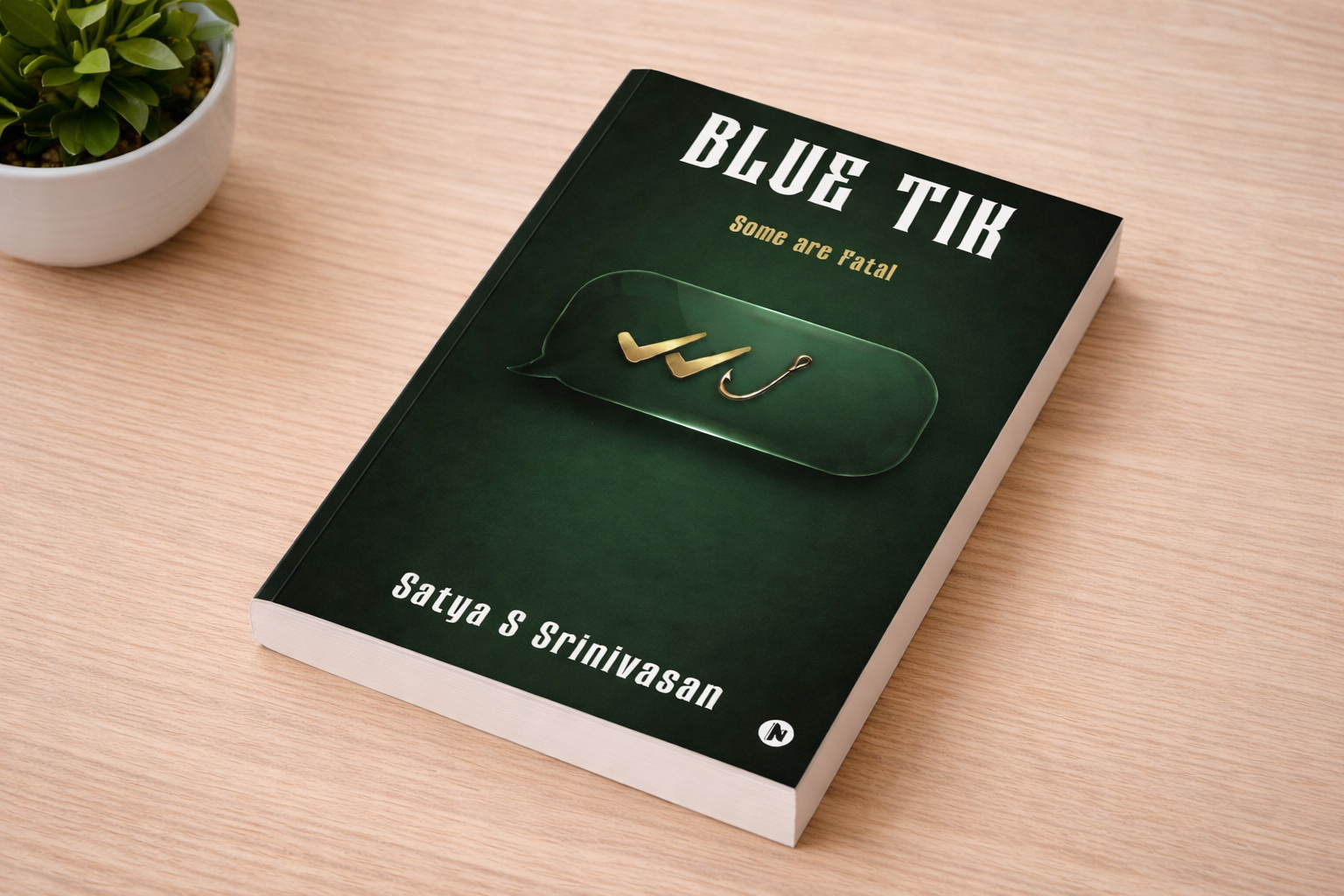
When I first saw the cover of Blue Tik: Some are Fatal by Satya S Srinivasan, I paused. The green background. The familiar chat bubble. Two golden ticks and then a hook. That hook is not subtle. It tells you right away this is not just about messaging. It is about being caught.
As someone who has spent over fifteen years reading stories about relationships, betrayal, temptation, loneliness, and the slow fractures inside ordinary families, I was curious. Not because the premise is flashy. It is actually very simple. A man. A group chat. An unknown number. That is it.
And yet, in 2026, that simplicity feels almost dangerous.
What the Book Is About
At its surface, Blue Tik follows Ashish, a man returning from an annual getaway with his close friends. Six men. One ritual. Edit the pictures. Share them. Relive the bond. There is something comforting about that. The boys only WhatsApp group named Chesthara. The jokes. The memes. The late night rants. That male camaraderie where everyone believes they know each other completely.
I liked that detail about the ritual. It grounds the story in something real. In my own life, I have seen how these small digital rituals become emotional anchors.
Ashish comes home and does what he always does. He uploads the best shots and shares the link. First with the boys. Then in the family group. The ticks turn blue. Seen.
No reply.
That silence becomes the first crack.
I think Satya S Srinivasan is smart to begin here. Not with drama. Not with confrontation. But with absence. No warmth. No acknowledgment. Just that heavy digital silence that feels worse than anger.
Then comes the message from an unknown number. “Hi… Ignoring me?” Playful. Personal. Too precise. That line alone tells you this is not random spam. This is someone who knows him.
What follows, from the blurb, is not a dramatic affair in the traditional sense. It is something subtler. The thread keeps returning. It offers attention when life feels distant. It offers understanding when conversations at home feel tight. Ashish starts checking his phone more often. Deletes messages. Hides a smile. Hides shame.
And that last line of the blurb stayed with me. This is not a random chat. It is a lure. Carefully timed. Emotionally calculated. Already inside his life.
The book, from what we can gather, is a psychological exploration of digital intimacy. Not loud. Not explosive. But creeping.
What Stood Out to Me
First, the hook metaphor on the cover. That visual is sharp. Two ticks and a fishing hook. It suggests that validation can become bait.
In my years reviewing contemporary fiction, especially stories rooted in modern Indian urban life, I have noticed that technology often appears as a backdrop. Here, it feels central. Not as a gimmick, but as a structural device.
The pacing suggested by the blurb feels controlled. The escalation is gradual. A message. A reply. A thread. Checking the phone more often. Hiding messages. That is how real emotional drift happens. Not in one dramatic leap, but in tiny permissions we give ourselves.
I also appreciate that Ashish is not presented as a villain from the beginning. He is a man who feels unseen. There is that silence in the family group. That lack of warmth. We are not told that his marriage is broken. Only that conversations feel tight. That detail is important. It makes the temptation believable.
I think Satya S Srinivasan understands that loneliness is not always about being alone. Sometimes it is about being in a room full of people and still feeling slightly out of sync.
There is also something very contemporary about the shame described. Deleting messages. Hiding a smile. That duality. The thrill and the guilt. I have seen this play out in real life. People who insist it is harmless because nothing physical has happened. And yet emotionally, something has already shifted.
From a craft perspective, this kind of story depends heavily on tension. Not physical danger. Emotional danger. The tension between what is visible and what is hidden. Between the blue ticks everyone can see and the secret thread no one knows about.
If the novel maintains that slow tightening, it can be very effective.
That said, I do wonder how deep the secondary characters go. We know about the boys group. We know about the family group. But I would hope the wife, the friends, the unknown number are fleshed out beyond function. In psychological fiction, characters need interiority to avoid becoming symbols.
But perhaps that is addressed in the full text.
The Emotional Core
At its heart, Blue Tik is about attention.
Who gives it. Who withholds it. Who craves it.
In 2026, this feels painfully relevant. We live in a world where notifications regulate our mood. Where a delayed reply can trigger anxiety. Where validation arrives in the form of a tiny visual cue.
I kept thinking about how fragile our sense of connection has become. How easily it can be manipulated.
Ashish checking his phone more often. That image felt familiar. I think many readers will recognize that creeping habit. You tell yourself it is nothing. Just curiosity. Just conversation. And then you start arranging your day around it.
There is also the moral ambiguity here. The book does not appear to scream scandal. It whispers. That is more unsettling. It suggests that danger does not always arrive as chaos. Sometimes it arrives as comfort.
I imagine there is a moment in the story where Ashish realizes that he is already emotionally entangled. That it is no longer about messages. It is about need.
Those are the scenes that usually stay with me. Not the confrontation. Not the exposure. But the private moment of recognition.
As an editor at Deified Publication, I often ask writers what their story is really about beneath the surface plot. Here, I think it is about emotional vulnerability in the digital age. About how easy it is to drift. About how small fractures, if ignored, can widen.
Who This Book Is For
If you enjoy psychological drama rooted in modern relationships, this one will likely resonate.
If you are interested in stories about digital life and its emotional consequences, Blue Tik feels timely.
If you prefer fast action thrillers with chase scenes and overt danger, this may feel understated. The tension here seems internal.
It might especially speak to urban readers who are deeply embedded in group chats, social media rhythms, and the constant hum of notifications. Married readers may find parts uncomfortable. In a good way. It may prompt reflection.
Should you read Blue Tik? I think if you have ever stared at a screen waiting for a reply, this novel will feel familiar.
Is it worth it? For readers willing to engage with subtle psychological shifts, yes.
Final Thoughts
Satya S Srinivasan comes from a background shaped by technology and cinema, which is mentioned on the back cover. That combination makes sense here. There is a cinematic quality in the setup. A controlled frame. A close up on the phone screen. A lingering shot on Ashish’s face as the ticks turn blue.
I appreciate that the premise is simple. It does not rely on sensationalism. It relies on something we all understand. Silence. Attention. Temptation.
If I have one mild reservation, it is that stories like this need emotional payoff. The buildup is strong. The metaphor is sharp. The concept is relevant. The ending, I imagine, has to land with equal weight. Otherwise the hook remains symbolic rather than transformative.
But based on the strength of the setup and the clarity of the theme, Blue Tik Book Review from my perspective leans positive.
It is the kind of book that sits with you because it mirrors your own habits back at you.
And that can be uncomfortable. But necessary.
FAQ
Is Blue Tik worth reading?
If you enjoy psychological fiction about modern relationships and digital temptation, yes. It focuses on emotional tension rather than action.
What is Blue Tik about?
It follows Ashish, whose seemingly harmless chat with an unknown number slowly becomes an emotional trap, threatening his personal life.
Who should read Blue Tik by Satya S Srinivasan?
Urban readers interested in contemporary relationship drama and the impact of social media on intimacy will likely connect with it.
Is Blue Tik a thriller?
It appears to be more of a psychological drama with suspense elements rather than a traditional thriller.

With over 11 years of experience in the publishing industry, Priya Srivastava has become a trusted guide for hundreds of authors navigating the challenging path from manuscript to marketplace. As Editor-in-Chief of Deified Publications, she combines the precision of a publishing professional with the empathy of a mentor who truly understands the fears, hopes, and dreams of both first-time and seasoned writers.