
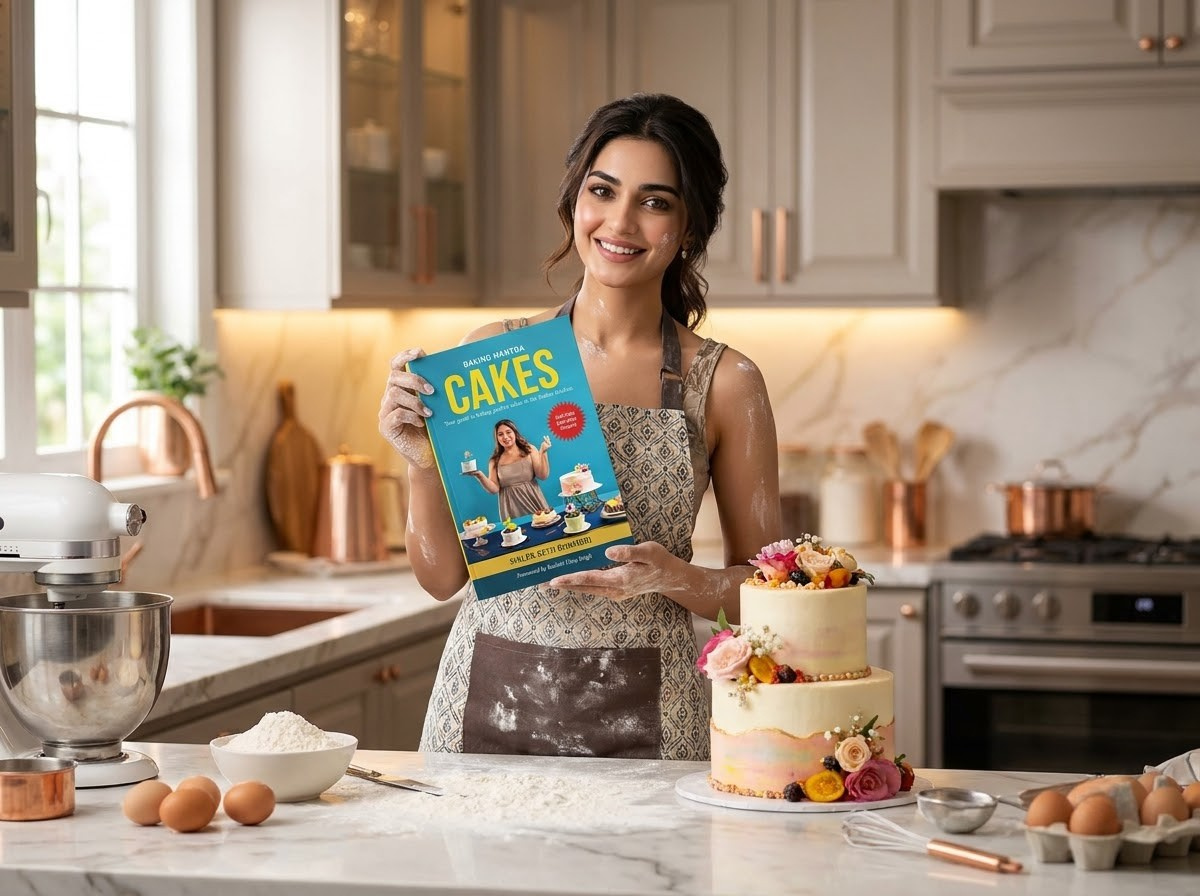
Rating: ⭐⭐⭐⭐1/2 (4.5 out of 5)
I still remember the first time I tried to bake a simple sponge cake in my mother’s small convection oven, back when I was just beginning to explore the culinary world. The result was a hard, dense disk that resembled a flatbread more than a dessert, and my family politely chewed through it with heavy cups of sweet chai. This memory came rushing back to me as I sat down with a warm cup of ginger tea to read through this new volume. For over fifteen years, both in my personal life and in my professional role as the Editor-in-Chief at Deified Publication, I have read countless books on various subjects, yet baking manuals always hold a special place on my shelf. They promise order in a messy world, but so many of them fail to translate to the actual realities of our kitchens, where humidity, ingredient quality, and oven types vary wildly from house to house.
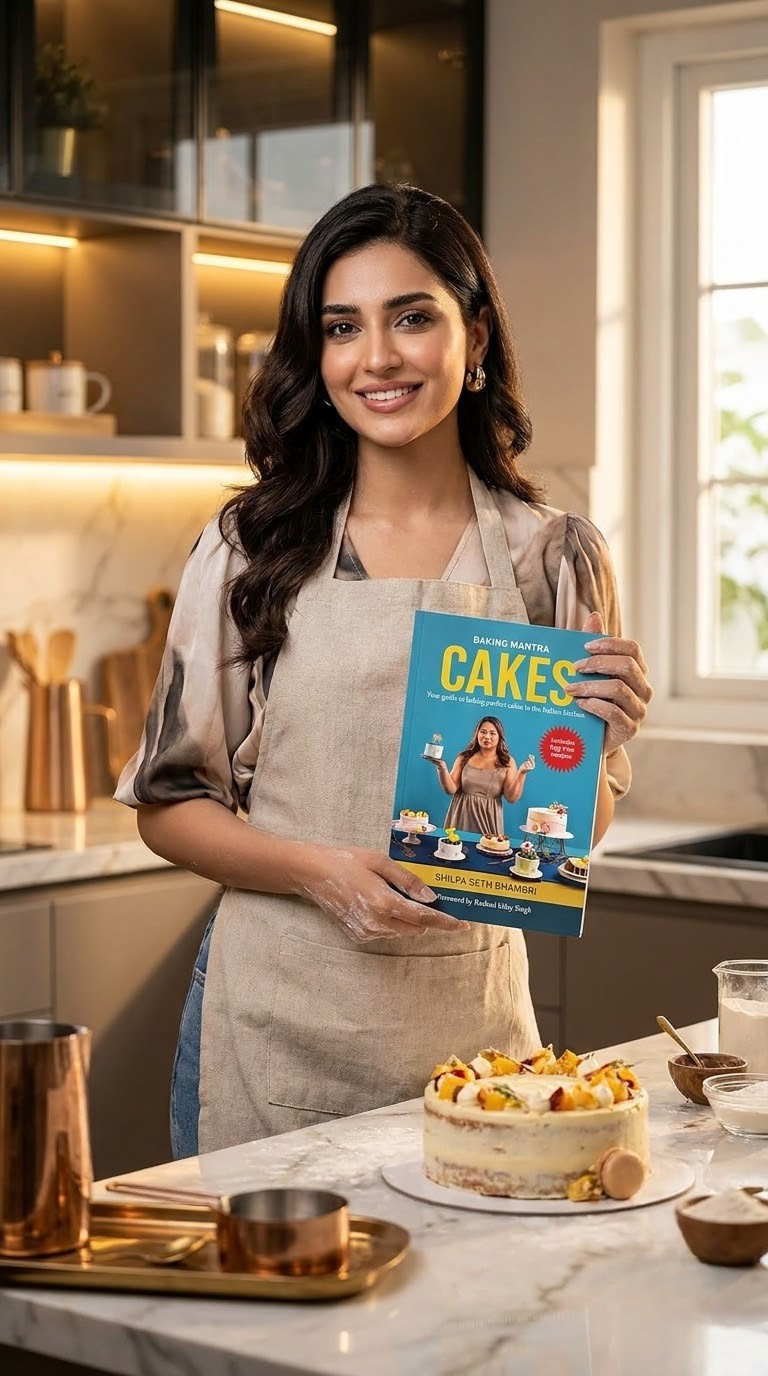
This brings us to the Baking Mantra Cakes Book Review, a close look at a guide that approaches the craft with a refreshing level of practical honesty. Written by Shilpa Seth Bhambri, a culinary creator who has worked extensively with major brands such as Baskin Robbins India and founded her own venture called The Cakeline, this work addresses the exact anxieties that keep home bakers up at night. Instead of simply listing ingredients and steps, the text aims to explain the underlying mechanics of baking so that readers can troubleshoot their own errors. In this reader review, I want to explore whether this volume achieves its promise of helping home bakers move from frustrating inconsistency to reliable success, particularly within the unique context of our kitchens.
Demystifying the Science: What is the Book About?
When we ask what is it about, the book Baking Mantra Cakes reveals a comprehensive handbook designed to demystify the science of cake making. The author structured the book into twenty-six distinct chapters, covering everything from basic cake classifications to the technical aspects of oven management. She addresses the fundamental truth that many home bakers simply replicate recipes without understanding why certain steps are necessary, which leads to confusion when a bake goes wrong. By focusing on the structural components of different cake types, the guide teaches you how to control the outcome of your baking rather than leaving it to luck. The book contains both egg-inclusive and egg-free recipes, which makes it highly adaptable for diverse dietary needs across households.
One of the most valuable sections that immediately caught my eye is Chapter 7, which is titled “Answers to ‘Why These Faults in My Cakes?'” on page 19. It is a highly detailed troubleshooting guide that addresses very common, frustrating situations, such as when a cake sinks in the middle or burns on the top. The author explains that a sunken center often happens because the oven door was opened too early or because there was too much raising agent in the mix. She also notes that a burnt top might be due to the temperature of the oven being too high or the heating rod being set incorrectly. Reading these explanations felt like having an experienced aunt standing next to you in the kitchen, gently pointing out why your batter behaved the way it did without making you feel foolish.
Practical Magic for the Indian Household
Another practical gem is Chapter 24, found on page 86, which details “Effective Baking Substitutes for the Indian Baker.” In our local markets, finding specific ingredients like sour cream or cake flour can sometimes be a massive chore, particularly if you do not live in a major metropolitan city. The author provides brilliant, simple workarounds that utilize everyday household items. For example, she suggests making a quick sour cream substitute by mixing one cup of cream with one tablespoon of lemon juice and letting it sit to thicken. To create cake flour, she instructs the reader to remove two tablespoons of flour from one cup of all-purpose flour and replace it with two tablespoons of corn flour. This level of local understanding is incredibly rare in international baking books, and it makes the entire process feel much more accessible.
The recipes themselves are beautifully thought out and reflect a deep appreciation for regional flavors. I was particularly drawn to the Parsi Mawa Cake on page 120, which is a classic, rich cardamom-scented cake that uses crumbled mawa or milk solids. The recipe instructions are incredibly precise, showing you how to cream the butter and caster sugar together before adding the eggs one by one to prevent curdling. The inclusion of cardamom powder, chopped cashew nuts, almonds, and pistachios gives the cake an authentic, traditional touch that pairs wonderfully with a hot cup of tea. It is a brilliant example of how the book successfully blends standard Western baking techniques with the rich, festive flavors of our own heritage.
In contrast to the rich mawa cake, the Mahua Cake on page 169 offers an intriguing look at utilizing local, indigenous ingredients. Mahua flowers have a long history in traditional Indian culinary practices, yet they are rarely featured in modern baking books. The recipe walks the reader through washing the flowers, soaking them overnight, and blending them into a smooth paste along with raw cane sugar and cardamom. This paste is then combined with semolina, thick yoghurt, raw honey, and charoli seeds to create an egg-free bake that is rich in texture and historical connection. Seeing such an unusual ingredient treated with professional respect made me appreciate the author’s creative vision and her desire to honor local produce.
A Mentor in Print: Tone, Craft, and Character
The writing style throughout the book is conversational, direct, and completely devoid of unnecessary fluff. Shilpa Seth Bhambri writes with the confidence of someone who has spent twenty-five years refining her craft, yet she never speaks down to her audience. The structure of the book is logical, moving from basic theory and ingredient functions to advanced troubleshooting and creative recipes. I appreciated how she explained the science of egg replacement in Chapter 11, detailing how yoghurt, buttermilk, aquafaba, and mashed bananas function differently as binders or leavening agents. This analytical approach helps the reader understand that you cannot simply swap ingredients randomly without adjusting the rest of the recipe to compensate for the change in moisture and fat.
There is a lovely warmth at the heart of this book that makes it feel like more than just a dry instructional manual. In the early chapters, the author shares glimpses of her own path, including her early days in Mumbai, scouring Crawford Market for baking pans and learning through trial and error. This sense of shared struggle creates a strong bond with the reader, making us feel that mistakes are simply a natural part of learning. When you read about her experiences building her business, you realize that she truly understands the frustration of a failed bake, and her goal is to save us from that same disappointment. It is the kind of book that gives you the confidence to tie your apron and try again, even after a frustrating session in the kitchen.
An Honest Look at the Flaws
No review would be complete without a bit of honest criticism, and there are a couple of small details that made me hesitate. I am not sure if every home baker will love the layout, as some pages are packed with dense text and charts that can feel slightly overwhelming at first glance. If you are looking for a quick, colorful book with glossy full-page photographs of every single cake, you might be somewhat disappointed by the emphasis on technical explanations and text-heavy tables. Additionally, some of the specialized recipes require sourcing unique items like mahua flowers or edible wafer paper, which might not be readily available to everyone. However, these are minor issues when compared to the sheer volume of useful, practical information contained within these pages.
So, as you read this Baking Mantra Cakes Book Review, you might wonder should you read this book, and is it worth it? If you are a beginner who wants to build a strong foundation, or a home baker who is tired of cakes that sink, burn, or turn out dry, then this guide is absolutely worth your time and effort. It will save you from wasting expensive ingredients on failed experiments. On the other hand, if you are an advanced pastry chef who already understands food science and only wants highly complex, modern European recipes, you might find some of the chapters a bit basic. Even so, the regional recipes and the brilliant substitution charts make it a handy reference guide to keep in your kitchen as we look ahead to 2026 and beyond.
In the end, Baking Mantra Cakes by Shilpa Seth Bhambri succeeds because it treats the reader as an intelligent partner in the kitchen rather than a passive follower of instructions. It demystifies the baking process with clarity, warmth, and a deep respect for our local culinary environment. As I finished my tea and closed the book, I felt a familiar, pleasant itch to head back to the kitchen, preheat my oven, and start measuring out flour. This book is a wonderful, practical addition to any Indian home baker’s library, and I highly recommend giving it a prominent spot on your kitchen shelf.
FAQs
Is this book suitable for bakers who do not use eggs?
Yes, the book contains a large selection of egg-free recipes and includes a dedicated chapter on egg replacement. The author explains how different substitutes, such as yoghurt, buttermilk, and bananas, work in a recipe so you can achieve the perfect texture without eggs.
Do I need expensive professional equipment to use these recipes?
Not at all. The book is specifically written for the home kitchen and covers essential baking equipment that is easily accessible. It even includes guidance on baking without a traditional oven, making it perfect for beginners with basic kitchen setups.
Does the book explain how to fix common baking mistakes?
Yes, Chapter 7 is entirely focused on troubleshooting common faults, such as cakes sinking in the middle, burning on top, or turning out too dry. The author provides clear explanations for why these issues happen and how to prevent them in your future bakes.

With over 11 years of experience in the publishing industry, Priya Srivastava has become a trusted guide for hundreds of authors navigating the challenging path from manuscript to marketplace. As Editor-in-Chief of Deified Publications, she combines the precision of a publishing professional with the empathy of a mentor who truly understands the fears, hopes, and dreams of both first-time and seasoned writers.