
Rating:
⭐⭐⭐⭐ (4.3 out of 5)
I have read countless books about creativity over the years. Some are highly technical. Some are motivational. Some spend hundreds of pages talking about art without ever helping the reader create anything meaningful.
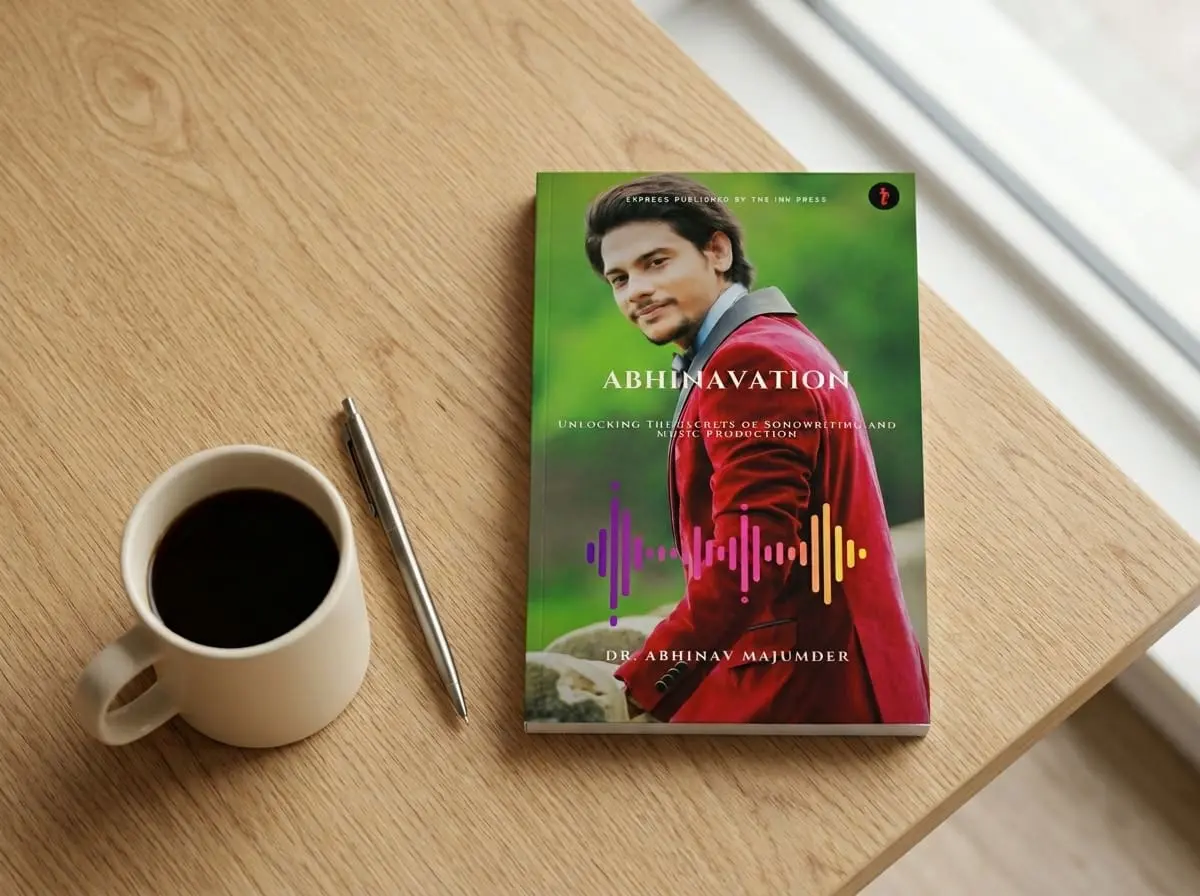
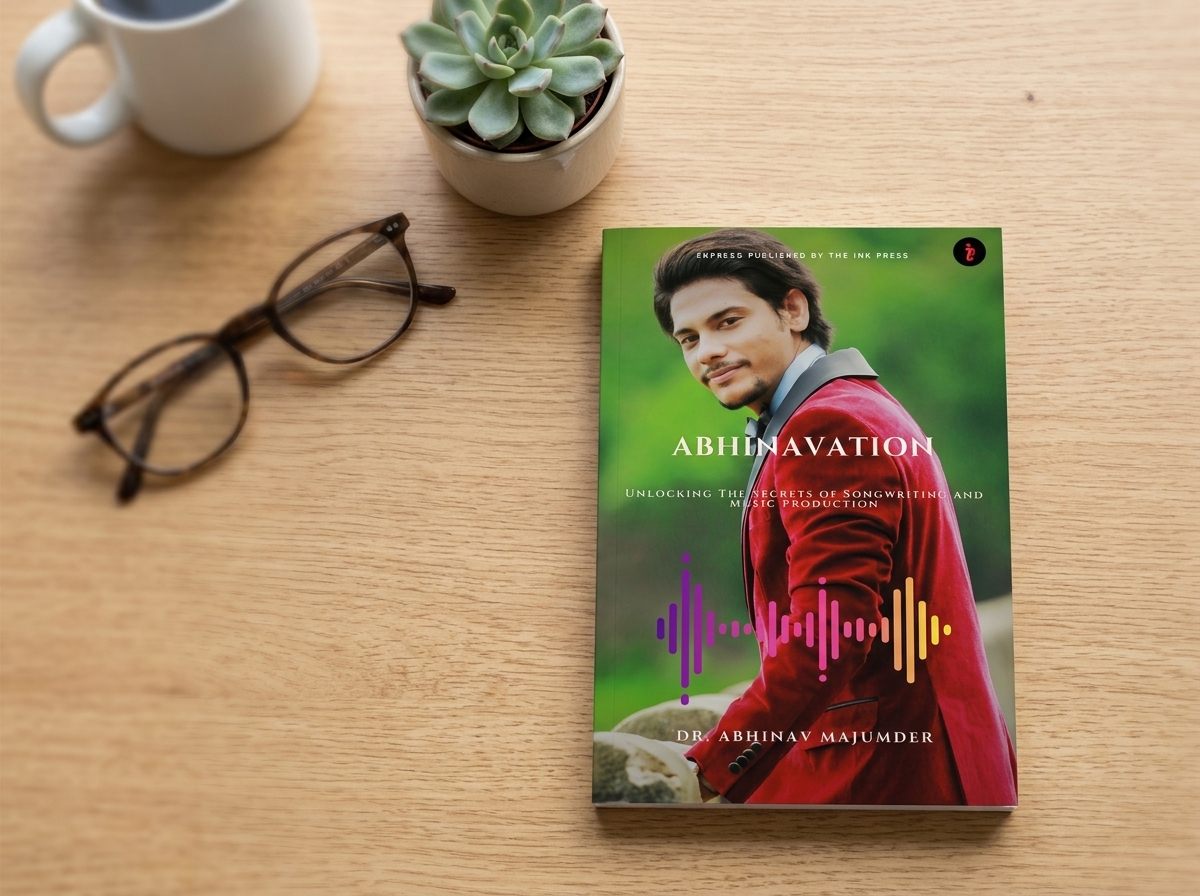
What struck me about ABHINAVATION: Unlocking The Secrets of Songwriting and Music Production by Dr. Abhinav Majumder is that it tries to stand in the middle of those two worlds. It wants to inspire, but it also wants to teach. It wants to talk about emotions, but it also wants to explain structure, melody, harmony, branding, production, and even the future of the music industry.
As I read through the book, I kept getting the feeling that Dr. Majumder is not writing from theory alone. He is writing from experience. There is a difference. Anyone can explain what a chorus is. Not everyone can explain why a chorus matters emotionally.
The book opens with a personal tone. The story of “Sajna” appears repeatedly throughout the text, not as self promotion but as a reference point for lessons learned. That gives the book a human center. It feels less like a classroom lecture and more like a conversation with someone who has spent years learning through trial, error, success, and reflection.
In 2026, when AI can generate lyrics and melodies in seconds, I think books like this become even more relevant. The technology can create sounds. It cannot replace the lived experiences, emotions, and personal voice that this book keeps returning to.
What the Book Is About
If someone asked me for a simple ABHINAVATION book summary, I would say this:
It is a practical guide for aspiring songwriters, lyricists, musicians, and music creators who want to understand how songs are built from the ground up.
The book begins with the foundations of songwriting. Dr. Majumder explains why songs matter, where inspiration comes from, and how ideas evolve into finished pieces of music.
From there, readers move through topics such as finding a unique artistic voice, understanding song structure, writing meaningful lyrics, building melodies, working with harmony, arranging music, recording, production techniques, branding, and even navigating the future of Indian music.
What I appreciated is that the chapters are arranged in a logical progression. The reader starts with the emotional side of songwriting and gradually moves toward the technical side.
The sections on lyric writing are particularly detailed. The book discusses storytelling, imagery, emotional expression, universality, rhyme schemes, and the challenge of balancing simplicity with depth. There is a recurring emphasis on authenticity. Dr. Majumder repeatedly encourages readers to draw from personal experiences rather than chasing trends.
Toward the later chapters, the focus expands beyond songwriting itself. Readers are introduced to branding, artist identity, independent music, technology, AI, streaming platforms, and opportunities emerging within India’s evolving music ecosystem.
The bonus sections are also interesting because they offer insight into the author’s own songs, including reflections on the emotions behind them and practical songwriting tips.
What Stood Out to Me
The strongest aspect of this book is its accessibility.
I’ve read books on music theory that feel intimidating within ten pages. This is not one of those books.
Dr. Majumder explains concepts in everyday language. When discussing verses, choruses, hooks, bridges, and outros, he uses familiar examples and simple analogies. The structure of a song is compared to the structure of a house. That comparison may sound basic, but honestly, it works.
I also liked how often the author connects technical concepts back to emotional impact.
For example, when discussing lyrics, the focus is not simply on rhyme or word choice. The emphasis is on connection. Why do certain lines resonate with listeners? Why do some songs remain memorable long after we hear them?
The sections on storytelling particularly caught my attention. The book argues that songs function like miniature stories. Whether someone is writing about love, heartbreak, resilience, friendship, or social issues, the underlying narrative matters.
This reminded me of conversations I’ve had with aspiring writers over the years. Many people focus on sounding poetic. Far fewer focus on saying something genuine. Dr. Majumder seems firmly in the second camp.
Another thing I appreciated was the book’s Indian perspective.
Many songwriting books are heavily influenced by Western examples and Western industry structures. Here, readers encounter references to Bollywood, Indian independent music, regional music scenes, and the realities facing Indian creators today.
That local context gives the book additional value, especially for young musicians trying to understand where they fit within India’s changing music landscape.
I also found the chapters discussing the future of music surprisingly engaging. The discussions around AI, virtual reality, independent artists, streaming platforms, globalization, regional music, and mental health themes feel relevant without becoming overly speculative.
The author is optimistic about the future, but not blindly so.
The Emotional Core
For me, the emotional center of ABHINAVATION is not songwriting.
It’s self expression.
Throughout the book, there is a recurring message that your voice matters.
Not necessarily your singing voice.
- Your perspective.
- Your experiences.
- Your stories.
- Your emotions.
The chapter on finding your unique voice captures this particularly well. Dr. Majumder argues that every songwriter carries a distinct creative fingerprint shaped by personality, experiences, and worldview.
I think this idea extends beyond music.
Many people spend years trying to sound like someone else. Writers do it. Musicians do it. Professionals do it. Even content creators do it.
Reading those sections made me think about how often creativity becomes stronger when people stop performing and start expressing.
There is also a warmth running through the book that comes from the author’s willingness to share his own experiences. The bonus chapter discussing the stories and emotions behind songs adds a personal dimension that many instructional books lack.
You get the sense that the lessons were earned.
And maybe that’s why some sections feel more impactful than others.
They come from lived experience rather than abstraction.
Who This Book Is For
If you’re wondering should you read ABHINAVATION, I think the answer depends on what you’re looking for.
This book is ideal for:
- Aspiring songwriters
- Beginner lyricists
- Independent musicians
- Music students
- Creative individuals interested in artistic expression
- Readers curious about how songs are constructed
If you are searching for an extremely advanced music theory textbook, this may not fully satisfy you.
The book focuses more on practical creativity and artistic development than deep theoretical analysis.
I also think readers who have never written a song before may benefit the most. The explanations are approachable, encouraging, and easy to follow.
For experienced professionals, some concepts may feel familiar. However, even experienced creators may appreciate the author’s reflections on creativity, branding, authenticity, and industry trends.
Final Thoughts
When I finished ABHINAVATION, I came away with a sense of appreciation rather than amazement.
And I mean that as a compliment.
The book is not trying to impress readers with complexity.
It is trying to help them.
That difference matters.
Dr. Abhinav Majumder combines practical instruction with personal insight in a way that feels sincere. The discussions around lyric writing, storytelling, song structure, and creative identity form the strongest parts of the book. The broader conversations about the future of Indian music add useful context without overwhelming the central focus.
I did feel that some topics could have been explored in greater depth, particularly for intermediate or advanced musicians. A few sections introduce fascinating ideas that readers may wish had received additional pages.
Still, the overall experience is thoughtful, encouraging, and grounded in genuine passion for music.
For anyone standing at the beginning of their songwriting journey, this book offers a solid foundation and a reminder that technique matters, but authenticity matters even more.
FAQ
Is ABHINAVATION worth reading?
Yes, especially if you’re interested in songwriting, lyric writing, music production, or understanding how songs come together creatively.
Who should read ABHINAVATION?
Aspiring musicians, songwriters, lyricists, music students, and anyone curious about the creative process behind music.
What is ABHINAVATION about?
The book covers songwriting fundamentals, lyric writing, melody creation, harmony, music production, branding, artist development, and the future of Indian music.
Does the book focus only on technical music concepts?
No. Technical concepts are included, but the book places equal emphasis on emotions, storytelling, creativity, and personal expression.

With over 11 years of experience in the publishing industry, Priya Srivastava has become a trusted guide for hundreds of authors navigating the challenging path from manuscript to marketplace. As Editor-in-Chief of Deified Publications, she combines the precision of a publishing professional with the empathy of a mentor who truly understands the fears, hopes, and dreams of both first-time and seasoned writers.