
Rating:
⭐⭐⭐⭐ (4.3 out of 5)
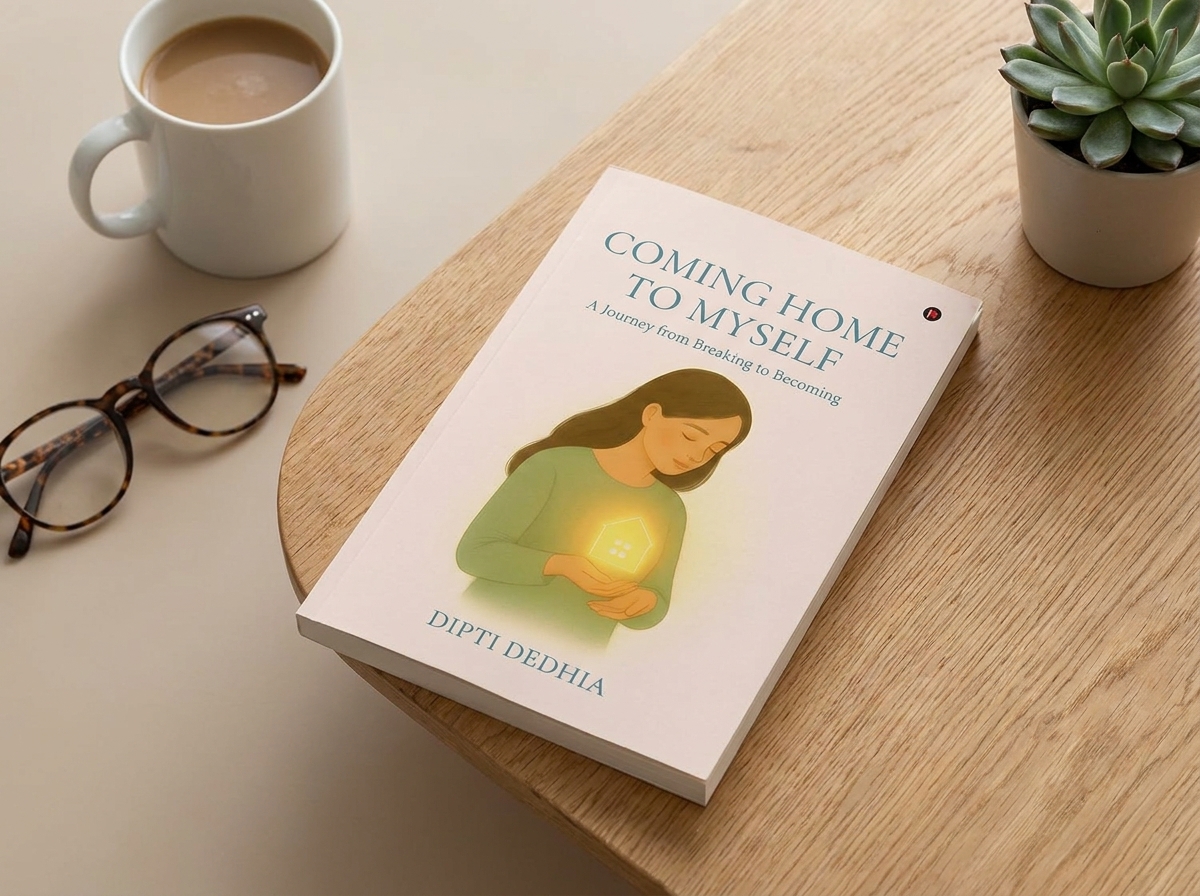
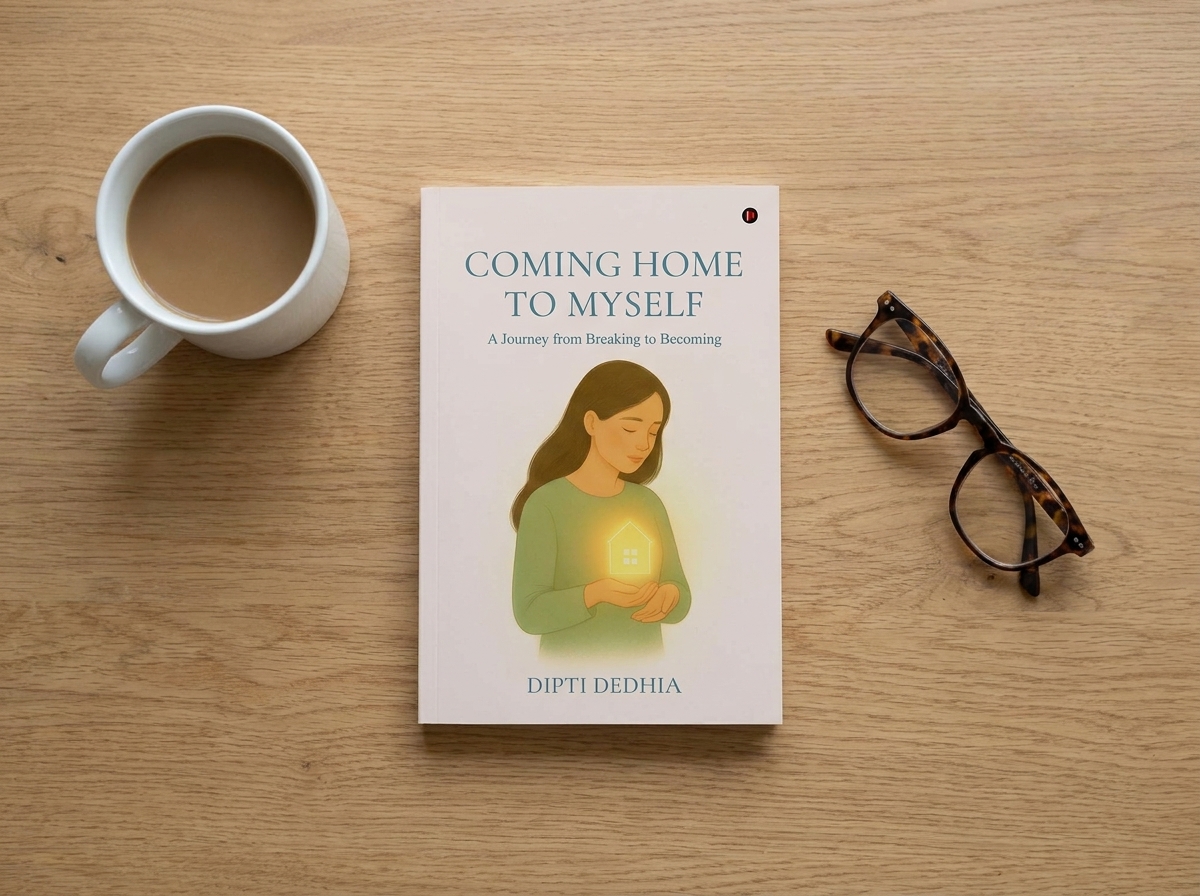
There are some books you finish and immediately move on from. Then there are books that make you look at your own life a little differently the next morning. Coming Home to Myself by Dipti Dedhia felt like that kind of book to me.
I have spent years reading memoirs, healing books, self help titles, emotional recovery narratives, and honestly, many of them start sounding the same after a point. A painful event happens. Lessons are learned. Everything gets wrapped up neatly by the final chapter. But this book does not pretend healing is neat. That was probably the first thing I appreciated about it.
The opening chapter begins with one devastatingly simple question from a child.
“Are you happy, Maa?”
I think every parent reading this will feel something shift inside them at that moment. Not because the line is dramatic, but because it feels painfully believable. Children ask the questions adults spend years avoiding. And Dipti Dedhia builds the entire emotional foundation of this book around that truth.
What I liked immediately was how conversational the writing feels. Not polished in a cold, distant way. It feels like someone sitting across from you and finally saying things they have hidden for years. There are moments where the sentences are imperfect, repetitive, emotional, even messy at times. But strangely, that works in the book’s favor because pain itself is rarely articulate.
In 2026, when everyone online is trying to sound healed, successful, emotionally evolved and endlessly productive, Coming Home to Myself feels refreshingly honest about exhaustion, guilt, grief, emotional numbness, motherhood, identity, and the strange loneliness that can exist even inside a busy life.
What the Book Is About
At its core, Coming Home to Myself: A Journey from Breaking to Becoming is about a woman rebuilding herself after years of emotional suppression. Dipti Dedhia writes openly about losing herself beneath responsibilities, expectations, marriage, motherhood, grief, and survival.
But this is not simply a memoir. It slowly becomes part reflection, part emotional recovery guide, and part companion for readers who feel disconnected from themselves.
The structure of the book interested me. The first sections focus heavily on storytelling. Chapters like Are You Happy, Maa?, Becoming Self Aware, Grief Wears Many Faces, and From Breaking to Becoming are deeply personal and narrative driven. They read almost like conversations rather than lectures.
Then the final section shifts into reader focused exercises and self reflection practices. The “30 Ways to Come Back Home to Yourself” section adds a practical dimension to the emotional storytelling. I actually liked this transition because it prevents the book from becoming emotionally heavy without direction.
One thing I noticed throughout the pages is that Dipti Dedhia never positions herself as someone who has mastered life. She writes as someone still learning, still healing, still becoming. That makes the advice easier to receive.
There is a section in Chapter 4 where she writes about grieving not only a person, but grieving “the version of me that might have existed if things had been different.” That line hit me harder than I expected. I think many people carry that hidden grief without naming it.
The book also discusses emotional abuse, self abandonment, anxiety, guilt, panic, self worth, and rebuilding identity after years of functioning on autopilot. Yet despite these themes, the writing never becomes unbearably dark. There is always some thread of hope moving underneath the sadness.
What Stood Out to Me
The emotional honesty is easily the strongest part of this book.
There is a scene where Dipti describes sitting on the bathroom floor feeling completely broken while thinking about her daughters. I have read countless books that describe depression and emotional collapse, but this section felt frighteningly real because of how simple it was written. No dramatic language. No attempt to sound literary. Just exhaustion.
Another thing I genuinely appreciated was the inclusion of grounding techniques and emotional exercises within the story itself. The 5 4 3 2 1 anxiety exercise appears naturally in the narrative rather than feeling copied from a psychology workbook. That matters because readers connect better when tools emerge from lived experience instead of sounding clinically inserted.
I also want to talk about the illustrations because they deserve attention.
The minimalist drawings throughout the book are beautiful in their simplicity. The tangled head illustration before Chapter 1 instantly communicates emotional overwhelm without needing explanation. The chained heart illustration. The empty puzzle piece floating in water. The woman stepping out of a cage labeled with words like “failure,” “weak,” and “dependent.” These visuals are not decorative filler. They genuinely strengthen the emotional atmosphere of the book.
As an editor, I have seen many self help books throw random illustrations into pages simply to make the book look premium. Here, the artwork actually contributes emotionally. It creates breathing space between heavy chapters and gives readers a moment to absorb what they just read.
I also liked the section dividers for the final five self reflection units. The titles themselves are meaningful:
“Remembering Who I Am”
“Seeing Myself Clearly”
“Speaking My Light”
“Living in My Truth”
“Coming Home Through Curiosity”
Those headings alone tell you what kind of emotional direction the book wants to move toward. Not perfection. Not becoming somebody new. Just returning to yourself.
And honestly, I think that message resonates deeply right now.
The Emotional Core of the Book
If I had to describe the emotional heart of Coming Home to Myself, I would say this book is about permission.
- Permission to admit you are unhappy.
- Permission to acknowledge grief.
- Permission to stop performing strength all the time.
- Permission to become visible to yourself again.
There is a tenderness in Dipti Dedhia’s writing that many readers, especially women and mothers, may recognize immediately. She writes about constantly giving to others until there is barely anything left internally. I think many people live exactly like this without realizing how emotionally disconnected they have become.
One section that genuinely affected me was when she talks about smiling enough so nobody asks questions. I think almost everyone has done that at some point.
The book also handles healing realistically. Dipti repeatedly reminds readers that healing does not happen in a straight line. Some days you function well. Some days you fall apart again. Some days you feel hopeful for twenty minutes and then suddenly exhausted again. That honesty gives the book credibility.
At the same time, I do think some chapters could have benefited from tighter editing. A few emotional ideas repeat themselves across chapters. Certain reflections circle back to similar points about exhaustion and emotional numbness. Personally, I did not mind it too much because repetition often mirrors how trauma works internally, but some readers may feel the pacing slows slightly in the middle section.
Still, I would rather read a sincere repetitive emotion than perfectly polished artificial wisdom.
Who This Book Is For
I think Coming Home to Myself will connect most strongly with readers who feel emotionally tired in ways they struggle to explain.
Women balancing caregiving and identity loss will probably see themselves in many pages here. Mothers especially may feel emotional seeing how the story begins with a child noticing what adults ignore.
Readers dealing with grief, divorce, burnout, anxiety, emotional abuse, or self worth struggles may also find comfort here.
At the same time, this book may not work for readers looking for highly structured psychology based self help with statistics, research models, or rigid systems. This is a deeply emotional and reflective book first. The advice grows out of lived experience rather than academic frameworks.
And honestly, that is exactly why many people may prefer it.
It feels human.
Final Thoughts
As someone who reviews books professionally at Deified Publication, I often ask myself one simple question after finishing a book:
Did it make me feel something real?
Coming Home to Myself absolutely did.
Not because it tries to impress the reader. Not because it uses dramatic language. Actually, its strength comes from the opposite. The honesty. The vulnerability. The willingness to admit confusion, shame, fear, and emotional exhaustion without pretending everything has been perfectly healed.
I also appreciate that Dipti Dedhia does not present healing as becoming extraordinary. The entire philosophy of the book is rooted in returning to yourself. That idea may sound simple, but many people spend decades forgetting who they are beneath survival.
There is this line near the end where she says helping others healed her too. I think that sentence quietly explains the entire spirit of this book.
This is not a flawless book. Some sections repeat emotionally and a few passages could have been shorter. But I do not think readers will remember this book because of technical perfection anyway.
They will remember it because somewhere inside these pages, they may recognize themselves.
And sometimes that recognition matters more than polished writing ever could.
FAQ
Is Coming Home to Myself worth reading?
Yes, especially if you enjoy emotionally honest self healing books rooted in lived experience rather than overly motivational language. It feels personal and sincere.
Who should read Coming Home to Myself by Dipti Dedhia?
Readers dealing with burnout, emotional exhaustion, grief, anxiety, identity loss, motherhood struggles, or healing after difficult relationships may connect deeply with it.
Is Coming Home to Myself a memoir or self help book?
Honestly, it sits somewhere between both. It combines personal storytelling with reflection exercises, grounding tools, affirmations, and self assessment sections.
What makes Coming Home to Myself different from other healing books?
Its honesty. Dipti Dedhia does not pretend healing is linear or glamorous. The book feels emotionally lived rather than commercially manufactured.

With over 11 years of experience in the publishing industry, Priya Srivastava has become a trusted guide for hundreds of authors navigating the challenging path from manuscript to marketplace. As Editor-in-Chief of Deified Publications, she combines the precision of a publishing professional with the empathy of a mentor who truly understands the fears, hopes, and dreams of both first-time and seasoned writers.