
Rating:
⭐⭐⭐⭐ (4.3 out of 5)
As someone who has spent years reading self help books, healing journals, spiritual guides, and emotional wellness titles for Deified Publication, I can usually tell within the first few pages whether a book is speaking from lived experience or simply repeating popular motivational language. Some books sound polished but emotionally distant. Some sound inspiring for a moment but fade quickly after reading.
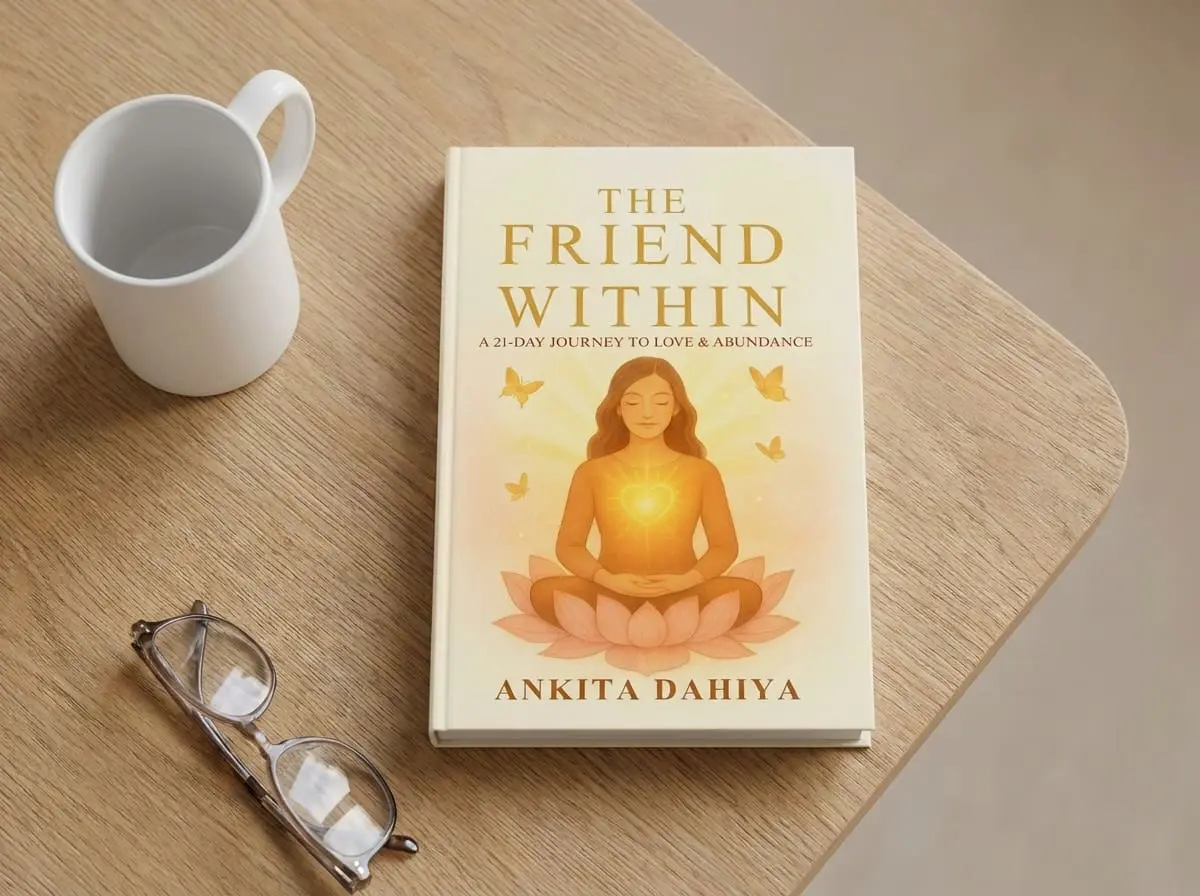
The Friend Within: A 21 Day Journey to Love and Abundance by Ankita Dahiya felt different to me because it does not try to impress the reader with complexity. It speaks very directly, almost like someone sitting beside you after a difficult week and saying, “Okay, let us start from here.”
And honestly, I think that simplicity is the biggest strength of this book.
There is a softness in the writing, but also a very intentional structure underneath it. Ankita Dahiya clearly understands how emotional patterns work in everyday life. The book is not written like a heavy psychological manual, yet it still introduces ideas like emotional rewiring, awareness practices, subconscious thought patterns, and neuroplasticity in a very accessible way.
I also appreciated that the author never positions herself as someone “above” the reader. Right from the opening letter, she shares parts of her own loneliness, self doubt, motherhood struggles, people pleasing patterns, and emotional exhaustion. That vulnerability matters because readers can immediately sense when a healing book comes from genuine lived experience instead of branding language.
In 2026, when so many wellness books are trying to become viral social media products first and meaningful books second, this one feels more personal and grounded.
What the Book Is About
At its core, The Friend Within is a guided 21 day healing and self connection workbook designed to help readers rebuild their relationship with themselves.
The structure is simple. Each day introduces a theme, followed by reflections, emotional exercises, journaling prompts, affirmations, or small rituals. The book moves through three phases: awareness, emotional empowerment, and integration.
Week One focuses heavily on self awareness and self acceptance. Readers are encouraged to examine how they speak to themselves, how they seek validation, and how disconnected they may have become from their own emotional needs. One of the earliest chapters, “Meeting Your Inner Friend,” asks readers to stand before a mirror and say aloud: “I am the most important person in my life.”
Now, depending on the reader, that may sound comforting or uncomfortable. But I think that discomfort is intentional. The book keeps returning to the idea that many people spend years abandoning themselves emotionally while trying to earn love externally.
Another interesting aspect is how practical some sections are. This is not just abstract spiritual writing. There are habit trackers, awareness trackers, breathing suggestions, reflective exercises, emotional trigger journals, and structured routines woven throughout the pages.
The author blends emotional healing language with concepts from spirituality, mindfulness, and daily discipline. Some readers may connect deeply with the references to energy, vibration, surrender, and alignment. Others may prefer the more grounded psychological sections about limiting beliefs, triggers, awareness, and emotional responsibility.
Personally, I found the balance mostly effective because the book never becomes overly preachy.
What Stood Out to Me
One thing I noticed very early is that Ankita Dahiya writes in a conversational rhythm. She repeats certain ideas often, but I do not think that repetition is accidental. The book is designed like a daily emotional practice, not a fast read.
There is a recurring message throughout the book that healing begins when people stop abandoning themselves emotionally. And while this idea is not entirely new within the self help genre, the way the author frames it feels warm rather than forceful.
I especially liked the sections about triggers and emotional reactions. The chapter on emotional alchemy explains how everyday reactions often connect to older emotional wounds rather than the present moment itself. That section felt more layered and psychologically insightful compared to some of the lighter affirmation based chapters.
The “Wheel of Life” exercise also stood out because it encourages readers to evaluate different areas of life honestly instead of treating healing as a vague emotional concept. I have seen similar exercises in coaching programs before, but here it is presented in a simple, approachable way that beginners can actually use.
I also appreciated that the book acknowledges emotional exhaustion in ordinary daily life. There are several moments where the author speaks directly about feeling unseen, overburdened, emotionally drained, or mentally overwhelmed. Those sections will probably resonate strongly with women readers balancing family responsibilities, emotional labour, relationships, and personal identity struggles.
That said, I do think the book occasionally repeats its emotional messaging a little too often. Certain affirmations and ideas appear multiple times across chapters. Readers who prefer highly concise writing may find parts slightly repetitive. But honestly, I also understand why the author chose this style. Healing books are often meant to reinforce emotional beliefs through repetition.
Another thing worth mentioning is that this book is very emotionally earnest. There is no irony here. No detached tone. Ankita Dahiya fully leans into emotional openness and spiritual encouragement. Some readers will deeply connect with that sincerity. Others who prefer more evidence driven self development books may find certain sections too spiritually framed.
I think knowing that beforehand helps readers approach the book with the right expectations.
The Emotional Core
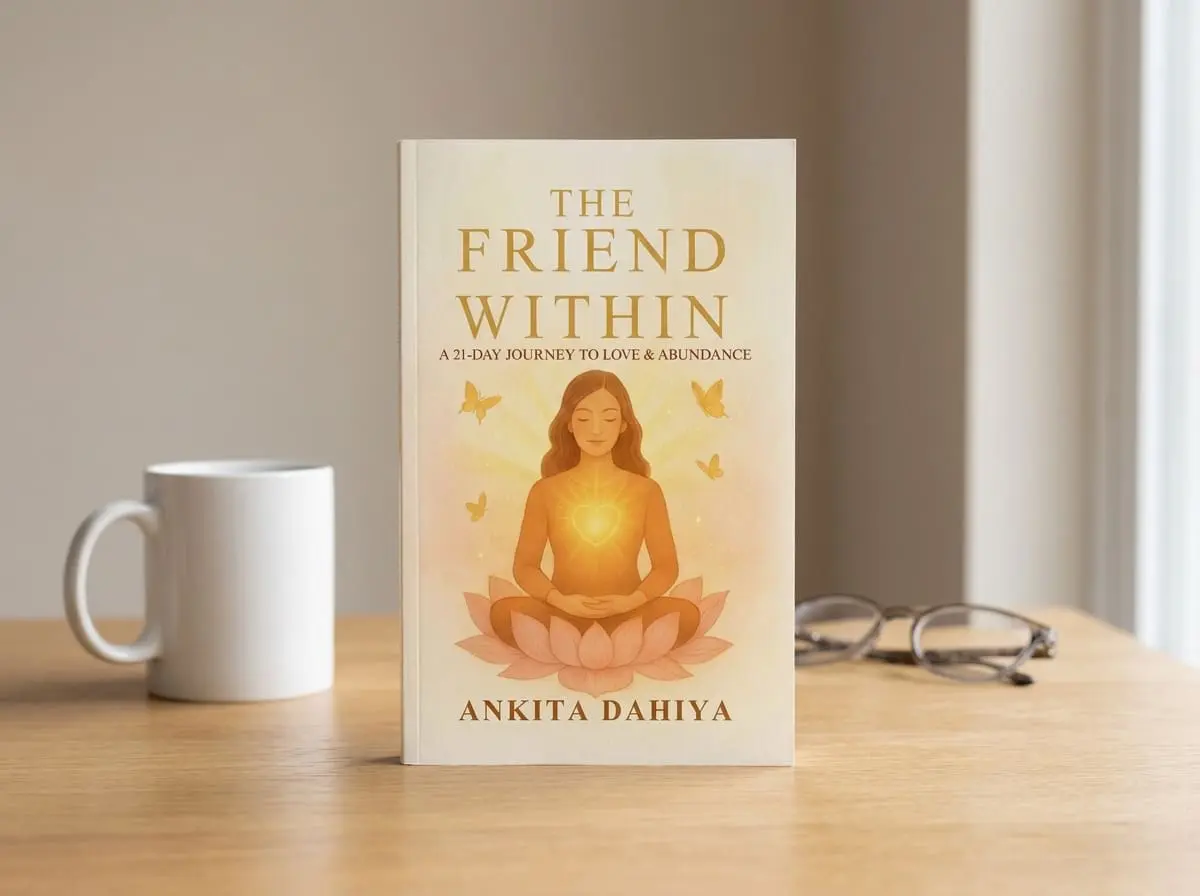
The emotional center of The Friend Within is loneliness.
Not dramatic loneliness necessarily. More the kind many adults carry silently while functioning normally on the outside.
There are several moments in this book where the author talks about smiling externally while internally feeling unseen, emotionally tired, or disconnected from self worth. I think many readers, especially women in caregiving roles, will recognise themselves in those pages.
There is also a recurring invitation throughout the book to stop treating self care as selfishness. That message appears again and again in different forms. Whether through mirror work, journaling, rest days, emotional awareness exercises, or simple breathing practices, the book keeps returning readers back to themselves.
I found Day 7 particularly interesting because the entire focus becomes rest, hydration, nature, softness, and simply existing without productivity pressure. That chapter honestly felt refreshing because modern healing culture sometimes turns self improvement into another exhausting performance.
This book instead keeps asking readers to slow down emotionally.
I also think readers dealing with heartbreak, burnout, emotional rejection, or people pleasing patterns may connect strongly with the writing. The author repeatedly reminds readers that pain does not make them broken. Whether someone agrees fully with the spiritual language or not, the emotional reassurance throughout the book feels genuine.
And that sincerity matters.
Who This Book Is For
I think The Friend Within will work best for readers who enjoy reflective healing books rather than purely instructional self help.
If someone likes journaling, affirmations, mindfulness practices, emotional wellness content, or spiritual growth books, there is a strong chance they will connect with this deeply.
I can especially imagine this resonating with readers who feel emotionally exhausted from constantly prioritising everyone else. The book speaks directly to people struggling with self worth, emotional overwhelm, loneliness, and inner criticism.
It may also appeal to beginners who are starting their healing journey and feel intimidated by dense psychology books. Ankita Dahiya keeps the language very accessible throughout.
At the same time, readers looking for highly research heavy mental health frameworks may want more depth in certain areas. The book introduces concepts like neuroplasticity and emotional rewiring in simplified ways, which makes it approachable, but not academically detailed.
So I would not approach this as a clinical psychology book.
I would approach it as a guided emotional companion.
Final Thoughts
By the time I reached the later sections of The Friend Within, what remained with me most was not any single exercise or affirmation. It was the overall emotional intention behind the book.
Ankita Dahiya genuinely wants readers to stop speaking to themselves with cruelty.
That may sound simple, but honestly, many people spend years living in constant internal criticism without even noticing it anymore.
This book tries to interrupt that pattern gently.
As Editor in Chief at Deified Publication, I read many books that attempt to discuss healing and transformation. Some are polished but emotionally distant. Some are emotionally intense but lack structure. The Friend Within finds a fairly balanced middle space. It offers warmth, practical exercises, emotional reassurance, and a structured daily approach without becoming overly complicated.
No, it will not be for everyone. Readers who dislike affirmations or spiritual healing language may not fully connect with certain chapters. And yes, there are moments where the repetition becomes slightly heavy.
But I also think many readers will genuinely feel emotionally supported while reading this.
And sometimes, especially during difficult phases of life, that matters more than literary perfection.
FAQ
Is The Friend Within worth reading?
If you enjoy healing focused self help books with journaling exercises, emotional reflections, and spiritual wellness themes, then yes, I think it is worth reading.
Who should read The Friend Within by Ankita Dahiya?
This book may especially resonate with readers dealing with emotional burnout, low self worth, loneliness, heartbreak, or people pleasing patterns.
Is The Friend Within more spiritual or psychological?
It blends both. The book discusses awareness, emotional patterns, and self talk alongside concepts like energy, alignment, gratitude, and surrender.
Is this book practical or just motivational?
It is actually fairly interactive. There are journaling prompts, trackers, breathing exercises, awareness practices, and daily routines throughout the book.

With over 11 years of experience in the publishing industry, Priya Srivastava has become a trusted guide for hundreds of authors navigating the challenging path from manuscript to marketplace. As Editor-in-Chief of Deified Publications, she combines the precision of a publishing professional with the empathy of a mentor who truly understands the fears, hopes, and dreams of both first-time and seasoned writers.