
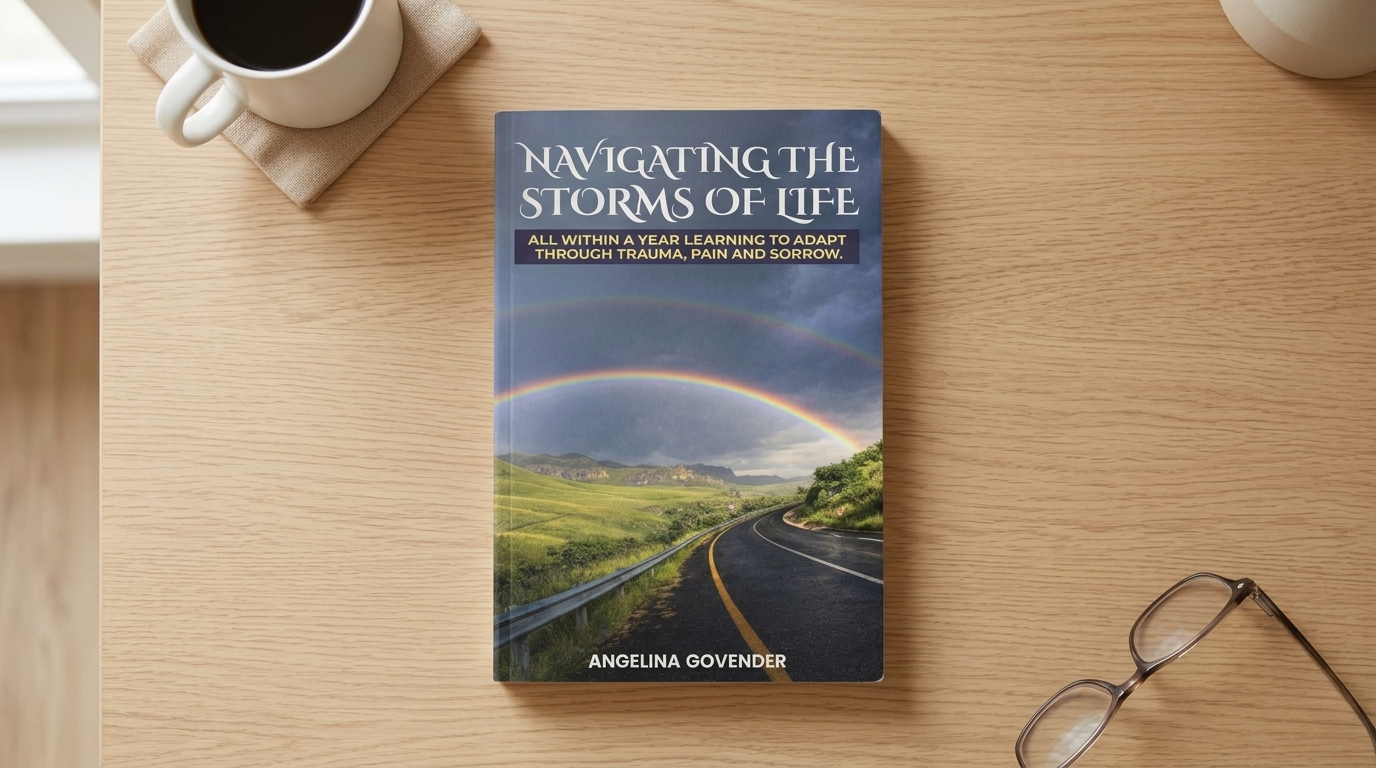
Rating:
⭐⭐⭐⭐ (4.2 out of 5)
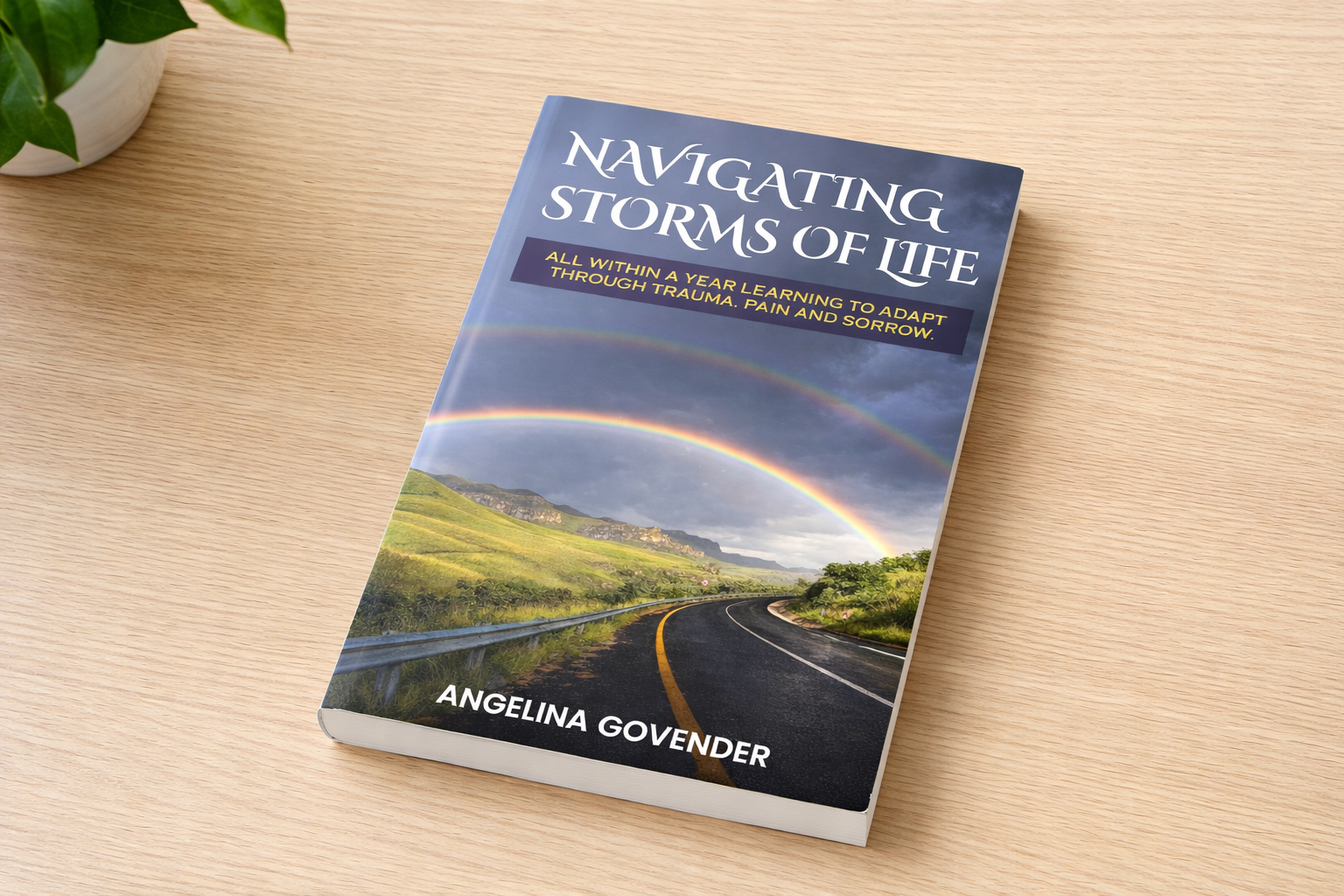
I have read many memoirs over the years, especially ones built around faith and hardship. Some of them feel distant, almost like they are telling you what to feel. And then there are books like Navigating the Storms of Life by Angelina Govender, which feel closer to a real conversation. Not polished in a glossy way, but grounded, personal, and sometimes raw in a way that catches you off guard.
I remember sitting with a cup of chai while going through this book, and there were moments where I had to slow down. Not because the language was complex, but because the emotions were. There is something about a mother writing about her child’s suffering that changes how you read every sentence.
As Editor in Chief at Deified Publication, I have seen countless manuscripts about pain, recovery, and belief. But every once in a while, a story comes along that feels less like a manuscript and more like someone opening their life in front of you. This book leans into that space.
What the Book Is About
At its core, Navigating the Storms of Life is a true story of a family facing something no one prepares for. One night changes everything. A devastating spinal cord injury leaves Trey, the author’s son, fighting for his life. From that moment, the story moves through ICU days, surgeries, rehabilitation, and the long, uncertain road that follows.
But this is not written like a clinical account. It is deeply personal. We see the hospital through a mother’s eyes. The sounds of machines, the smell of antiseptic, the way hope and fear exist side by side.
There is a chapter early on where she describes the ICU. The beeping monitors become a kind of rhythm. She talks about writing down oxygen levels and heart rates almost like they were promises. That detail stayed with me. It tells you how people try to hold onto something measurable when everything else feels out of control.
As the book moves forward, we see Trey’s journey from critical care to rehabilitation. There are moments of progress, like when he manages to stand for a few minutes after assistance. The author describes those three minutes as something close to heaven. And honestly, that line hit harder than I expected.
The story also shifts geographically. The family travels to India for advanced rehabilitation. Chapters like “The Trip to Incredible India” and “Rehabilitation: Walk and Run” bring in a different layer. You see not just physical recovery, but cultural adjustment, faith being practiced in unfamiliar places, and the emotional weight of being far from home.
There are also chapters that focus on emotional setbacks. “The Lack of Motivation” stood out to me because it shows something many recovery stories avoid. Progress is not linear. There are days when even hope feels heavy.
By the time we reach later chapters like “Healing in Motion” and “Stepping Forward in Faith,” the tone shifts slightly. Not lighter exactly, but steadier. There is growth, not just physically for Trey, but emotionally for the entire family.
What Stood Out to Me
There are a few things Angelina Govender does really well in this book.
First, the writing feels honest. Not overly dramatic, not trying too hard. She often uses simple sentences, but the emotion comes through clearly. In my experience reading memoirs, simplicity can be more powerful than elaborate language, and this book proves that.
Second, the structure of the book works in its favor. The chapters are short, almost like snapshots. Chapter titles like “The Night of the Dreaded Call,” “The Stay at ICU and High Care,” and “Mission Walk” give you a sense of progression without overwhelming you.
I also noticed how scripture is woven into the narrative. It does not feel forced. For example, verses like Philippians 4:13 or Isaiah 60:22 appear at moments where the family needs strength. Even if you are not someone deeply rooted in Christian faith, you can understand why those words matter to them.
Another thing that stayed with me is how the author captures small, specific moments. There is a scene where Trey is preparing for travel, choosing his clothes and packing. It might seem like a minor detail, but in that context, it represents independence, hope, and movement forward.
And then there are the difficult moments. The chapter describing the fear before surgery, the uncertainty when doctors talk about risks, the helplessness of waiting. These are written without exaggeration, which makes them feel even more real.
If I had to compare the tone, it sits somewhere between a personal diary and a testimony. Not as literary as some memoirs, but more intimate than many.
The Emotional Core
This is where Navigating the Storms of Life really finds its strength.
At its heart, this is a story about a parent watching their child suffer and trying to hold on to belief at the same time. That combination creates a kind of tension that runs through the entire book.
There is a line where the author describes whispering to Trey in the ICU, telling him he is doing well, even when she herself is unsure. That moment felt very real to me. I have seen similar situations in real life, where people speak hope out loud because silence feels too heavy.
The book also shows how faith is not always strong in a dramatic way. Sometimes it looks like repeating a prayer again and again. Sometimes it looks like showing up for another day of therapy when you are exhausted.
One section that stayed with me was about setbacks during rehabilitation. There are days when Trey struggles, when progress slows down. The author does not hide that frustration. She writes about how even hope can feel difficult on some days. That honesty adds depth to the narrative.
At the same time, there is a consistent thread of belief. Not loud or overwhelming, but present. It shows up in small ways. In gratitude for nurses. In moments of connection with other families. In the decision to keep going.
In 2026, when so many people are dealing with uncertainty in different forms, this kind of story feels relevant. Not because it offers easy answers, but because it reflects something many people experience. Life does not always go according to plan.
Who This Book Is For
I think Navigating the Storms of Life will resonate most with readers who are open to faith based narratives. If you are someone who finds comfort in spiritual reflections, this book will likely speak to you.
It is also for people who have gone through medical crises in their families. The hospital scenes, the waiting, the emotional highs and lows, they feel familiar in a very specific way.
That said, this book might not be for everyone. If you prefer fast paced storytelling or highly polished literary prose, you may find parts of it slower. The focus here is more on experience than on dramatic storytelling techniques.
But if you are looking for something real, something that reflects how people actually move through pain and recovery, then this book offers that.
Final Thoughts
After finishing Navigating the Storms of Life, I found myself thinking less about the events and more about the feeling of it. The sense of holding on, of continuing even when the outcome is uncertain.
As an editor, I can see areas where the book could have been tighter. Some sections repeat similar emotions, and the pacing occasionally slows down in the middle chapters. But at the same time, I understand why. Real experiences are not neatly edited. They unfold in waves.
And maybe that is what this book captures best. Not a perfect arc, but a lived one.
Angelina Govender has written something deeply personal. It is not trying to impress. It is trying to share. And that intention comes through clearly.
I would not say this book will change everyone. But for the right reader, it will feel like sitting with someone who understands what it means to face something overwhelming and still move forward.
And honestly, that is enough.

With over 11 years of experience in the publishing industry, Priya Srivastava has become a trusted guide for hundreds of authors navigating the challenging path from manuscript to marketplace. As Editor-in-Chief of Deified Publications, she combines the precision of a publishing professional with the empathy of a mentor who truly understands the fears, hopes, and dreams of both first-time and seasoned writers.