
Rating:
⭐⭐⭐⭐½ (4.5 out of 5)
There are some books you finish and immediately start thinking about who needs to read this first. Not because they are dramatic or emotionally overwhelming in the usual literary sense, but because they arrive at exactly the right time for the people they are written for.
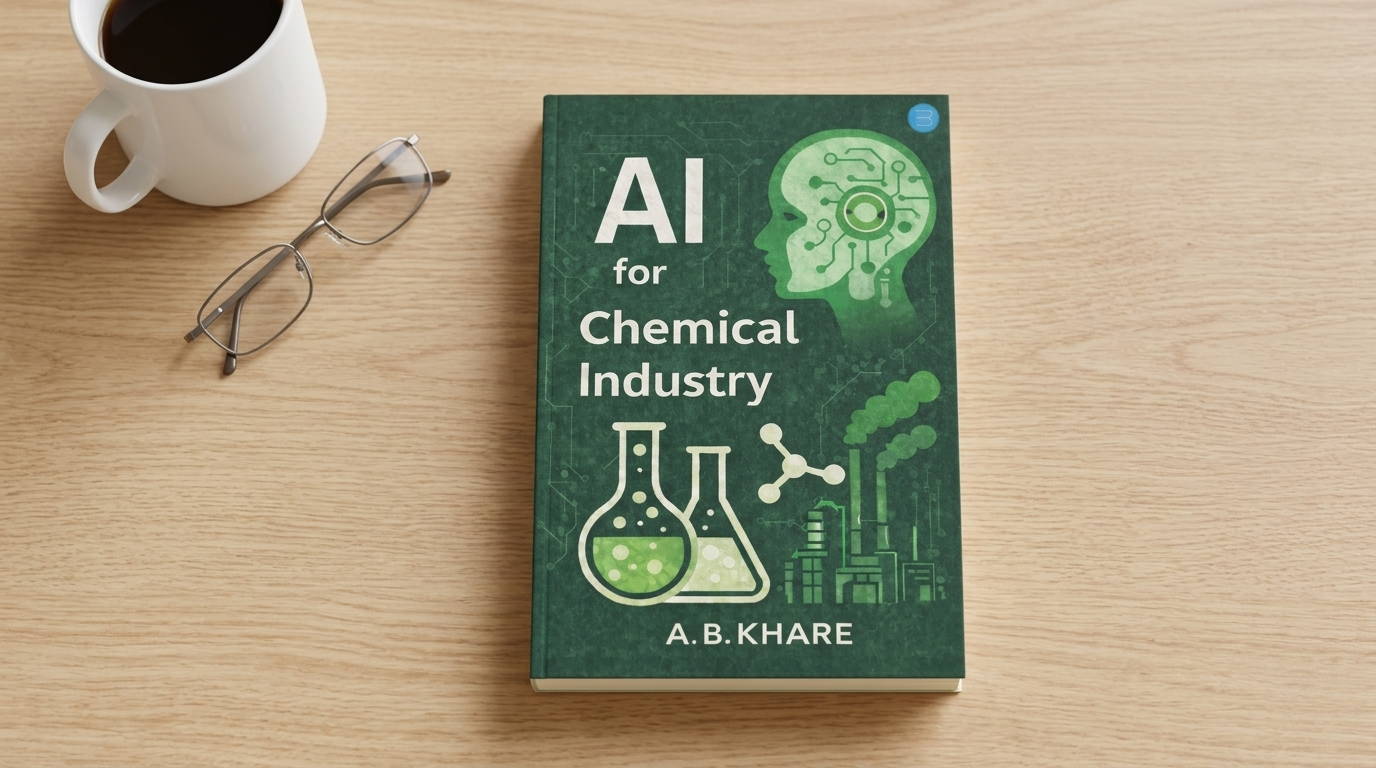
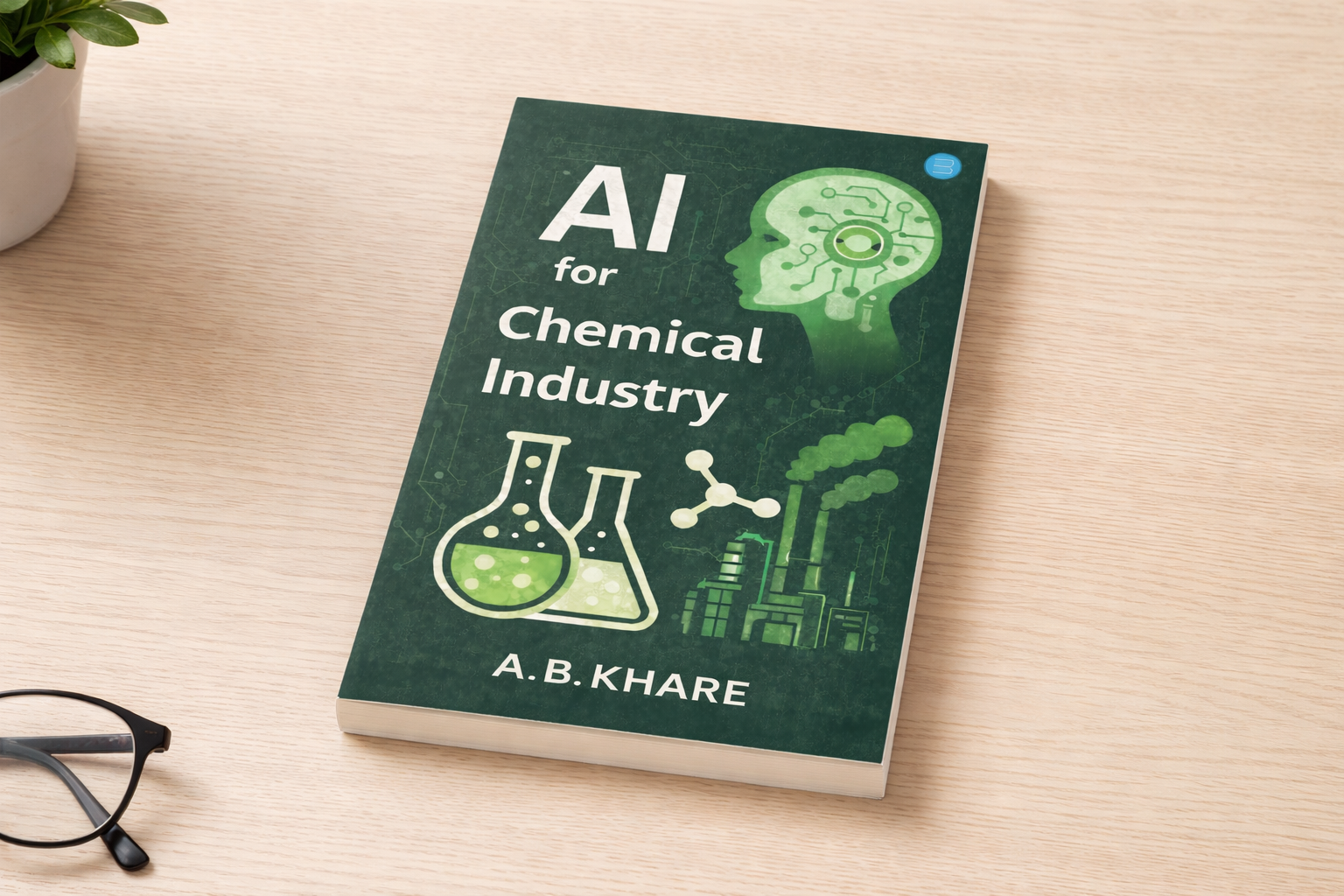
That was my feeling after reading AI for Chemical Industry by A B Khare.
As Editor-in-Chief at Deified Publications, and as someone who has spent over fifteen years reading across genres, I’ve learned to notice when a book is not just informative, but genuinely useful. This one belongs in that category. I found myself pausing not because of poetic lines, but because of how clearly the author translates a massive industrial shift into something actionable.
And honestly, that clarity matters.
In 2026, conversations around AI often stay trapped in general buzzwords. Everyone talks about automation, agents, machine learning, digital twins. Very few books actually explain what these ideas look like inside a real chemical plant, inside procurement, finance, HR, safety, project execution, risk management, and sustainability systems.
This book does.
And I think that’s where AI for Chemical Industry Book Review becomes interesting for real readers. This is not abstract futurism. It feels rooted in lived plant experience.
What the Book Is About
At its heart, AI for Chemical Industry is a practical roadmap for how artificial intelligence can reshape the chemical sector from the ground up.
A B Khare brings 45 years of experience into the writing, and that depth shows almost immediately. The book begins with a strong foundation, defining AI in the context of chemical manufacturing rather than treating it as a generic technology topic. I appreciated how early chapters move from the history of AI to the specific structure of the chemical industry, including commodity chemicals, specialty chemicals, fertilizers, petrochemicals, and life sciences.
That sequencing matters because it helps the reader understand why AI fits naturally here.
From there, the book expands beautifully into data systems, process data, laboratory data, maintenance logs, ERP and supply chain data, and external signals like weather and commodity trends. I especially liked the way the author explains data silos in chemical plants. If you’ve ever seen how DCS, SCADA, LIMS, ERP, and maintenance systems live in separate worlds, this section feels instantly real.
Then the middle of the book becomes highly operational.
There are chapters on machine learning applications, computer vision in operations, NLP for documentation and compliance, AI in R&D, predictive maintenance, quality control, safety systems, and one of the strongest sections for me: AI in Risk Management.
The examples here are practical and concrete. Leak detection times dropping from hours to under 30 seconds, AI-assisted prediction of runaway reactions, PPE monitoring, toxic gas leak detection, emergency response simulations, dynamic risk scoring. These aren’t vague promises. They are framed as process outcomes.
Later chapters widen into business functions, covering supply chain, procurement, store departments, marketing, finance, and HR. I found the finance and marketing implementation chapters surprisingly strong because they connect demand forecasting, price optimization, cash flow prediction, and reporting automation back to operational reality.
And then the final section looks ahead toward autonomous plants, generative AI for materials discovery, predictive regulatory compliance, AI plus IoT plus robotics, and the rise of hybrid human AI expertise.
That last theme stayed with me.
What Stood Out to Me
The first thing that stood out is credibility of perspective.
A B Khare is not writing as an outside observer. He writes like someone who has spent decades inside shift operations, maintenance, technical services, project execution, procurement, and boardroom decision-making. You can feel the difference in the examples.
For instance, the sections on AI in project delays, manpower deployment, procurement timing, PO placement risks, and commissioning delays feel unusually grounded. Most AI books stop at predictive maintenance. This one goes much deeper into enterprise reality.
I also admired the architecture of the book.
The four-part structure makes the learning curve feel natural:
- foundations
- plant operations
- business functions
- implementation strategy and future
That progression mirrors how real transformation happens in industry. First understanding, then pilot use cases, then enterprise integration, then culture and roadmap.
Another thing I genuinely appreciated was the chapter on data challenges in the chemical industry. I’ve seen many business books act as if data magically appears clean and usable. Here, Khare spends real time on data quality, missing values, sensor drift, inconsistent units, limited historical archives, and governance. That honesty makes the book trustworthy.
If I had one small critique, it’s that some sections lean heavily toward structured implementation lists and frameworks. Personally, I would have loved a few longer real-world case narratives from specific plant scenarios. The case examples are useful, but a deeper storytelling layer from one fertilizer plant, one refinery, or one specialty chemical setup could have made some chapters even more memorable.
Still, that’s a minor thing in an otherwise highly practical work.
The Emotional Core
Now this may sound unusual for an industrial technology book, but yes, this book does have an emotional core.
For me, it comes from the underlying tension between human expertise and machine intelligence.
There’s a recurring feeling throughout the book that AI is not here to replace chemical engineers, operators, maintenance teams, or safety leaders. Instead, it extends their judgment.
I really connected with the final chapters on the human AI partnership.
The idea that operators move from repetitive manual interventions to strategic oversight feels deeply human. It reminded me of conversations I’ve had with professionals across industries who are not afraid of AI itself, but afraid of becoming invisible inside systems they helped build.
Khare handles this with maturity.
He repeatedly brings the conversation back to training, change management, skill investment, human-in-the-loop controls, explainability, and domain expertise. I think that balance gives reassurance to working professionals who may be curious but cautious.
And in 2026, with sustainability, safety, and competitiveness all colliding, this message feels timely because it treats AI as industrial responsibility, not trend chasing.
Who This Book Is For
I think AI for Chemical Industry is worth reading if you fall into any of these groups:
- chemical engineers looking to understand AI use cases
- plant heads and operations leaders planning modernization
- safety and risk professionals working in hazardous environments
- procurement, supply chain, and finance teams in chemical companies
- data scientists entering industrial AI
- engineering students interested in Industry 5.0
- CXOs shaping long-term digital transformation roadmaps
This might not be for readers looking for a highly academic machine learning textbook with equations and heavy mathematical derivations.
Instead, this is the kind of book that answers a more useful question:
How does AI actually get implemented across a chemical company department by department?
And on that front, it does a genuinely strong job.
Final Thoughts
I came away from AI for Chemical Industry by A B Khare with a feeling I deeply value in professional books: trust.
It feels written by someone who has seen plants, people, breakdowns, deadlines, safety incidents, procurement bottlenecks, shutdown economics, and board-level strategy from every angle.
That breadth is rare.
As Priya Srivastava, and in my years reviewing books at Deified Publications, I can say this is one of those books that offers practical clarity rather than fashionable noise. It helps readers see where AI fits, where it struggles, and how adoption becomes meaningful only when connected to data, people, and process discipline.
It’s not trying to impress with jargon.
It’s trying to help the industry move forward.
And honestly, that sincerity stayed with me.
Quick Reader FAQ
Is AI for Chemical Industry worth reading?
Yes, especially if you work in plant operations, process optimization, safety, procurement, or digital transformation in chemicals.
Who should read AI for Chemical Industry?
Chemical engineers, plant managers, industrial AI teams, business leaders, and even MBA professionals in manufacturing sectors.
Is this book technical or business focused?
It balances both. The technical use cases are practical, while later chapters focus strongly on strategy, roadmap, HR, finance, and implementation.
Should you read this in 2026?
Absolutely. With AI adoption accelerating across manufacturing, the frameworks here feel highly relevant right now.

With over 11 years of experience in the publishing industry, Priya Srivastava has become a trusted guide for hundreds of authors navigating the challenging path from manuscript to marketplace. As Editor-in-Chief of Deified Publications, she combines the precision of a publishing professional with the empathy of a mentor who truly understands the fears, hopes, and dreams of both first-time and seasoned writers.