
Rating:
⭐⭐⭐⭐ (4.4 out of 5)
Opening: Something about this felt… personal
I don’t usually say this about reference books, but this one felt strangely close to home.
When I first saw Chhattisgarh Ki Aushadhiya Jadi Bootiyan, I thought it would be like many other herbal guides I’ve come across over the years, structured, technical, maybe a little distant. But as I started going through it, I felt something different. It didn’t read like a “book written for publication.” It felt like knowledge someone had been carrying for decades, finally written down so it doesn’t get lost.
And honestly, that matters a lot in 2026.
Because we’re at a point where traditional knowledge is either being commercialized heavily or quietly fading away. This book sits somewhere in between. It preserves, without trying too hard to impress.
What the Book Is About
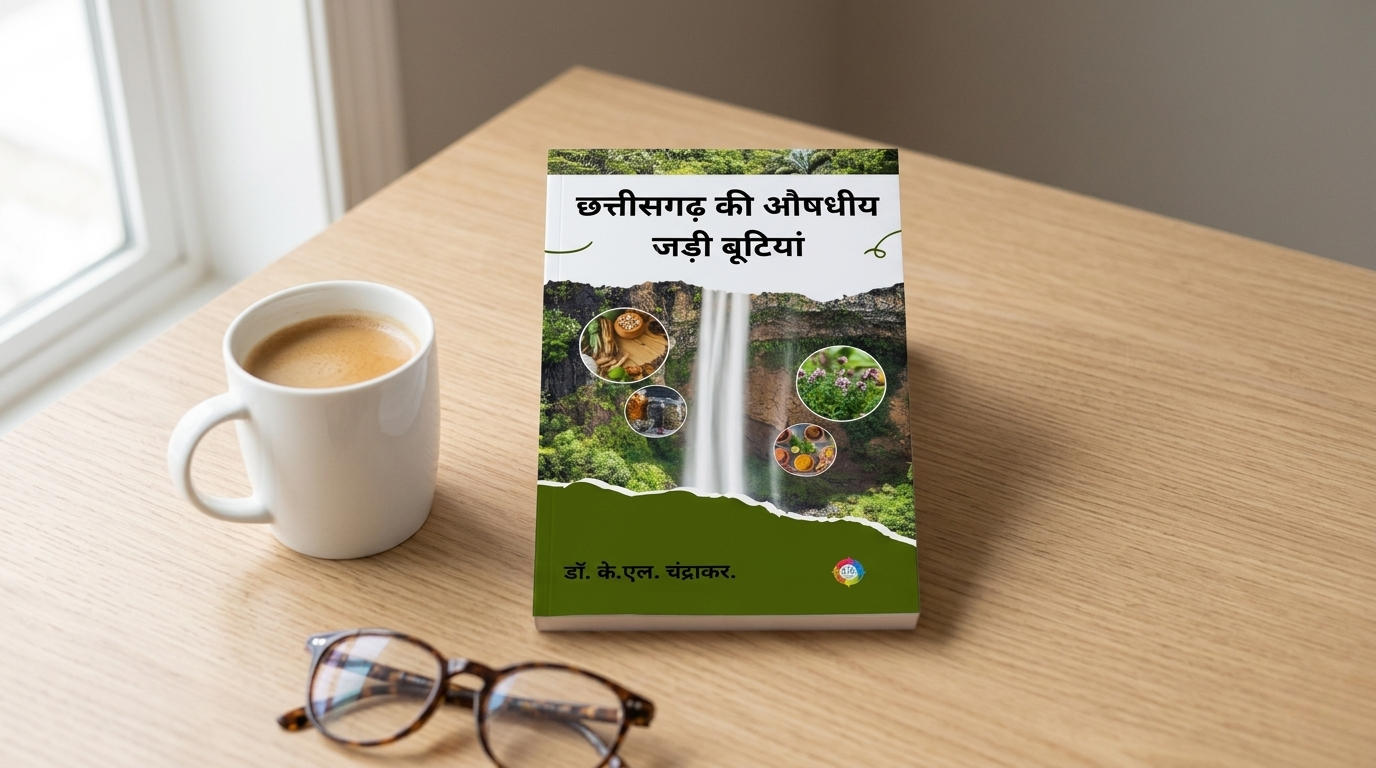
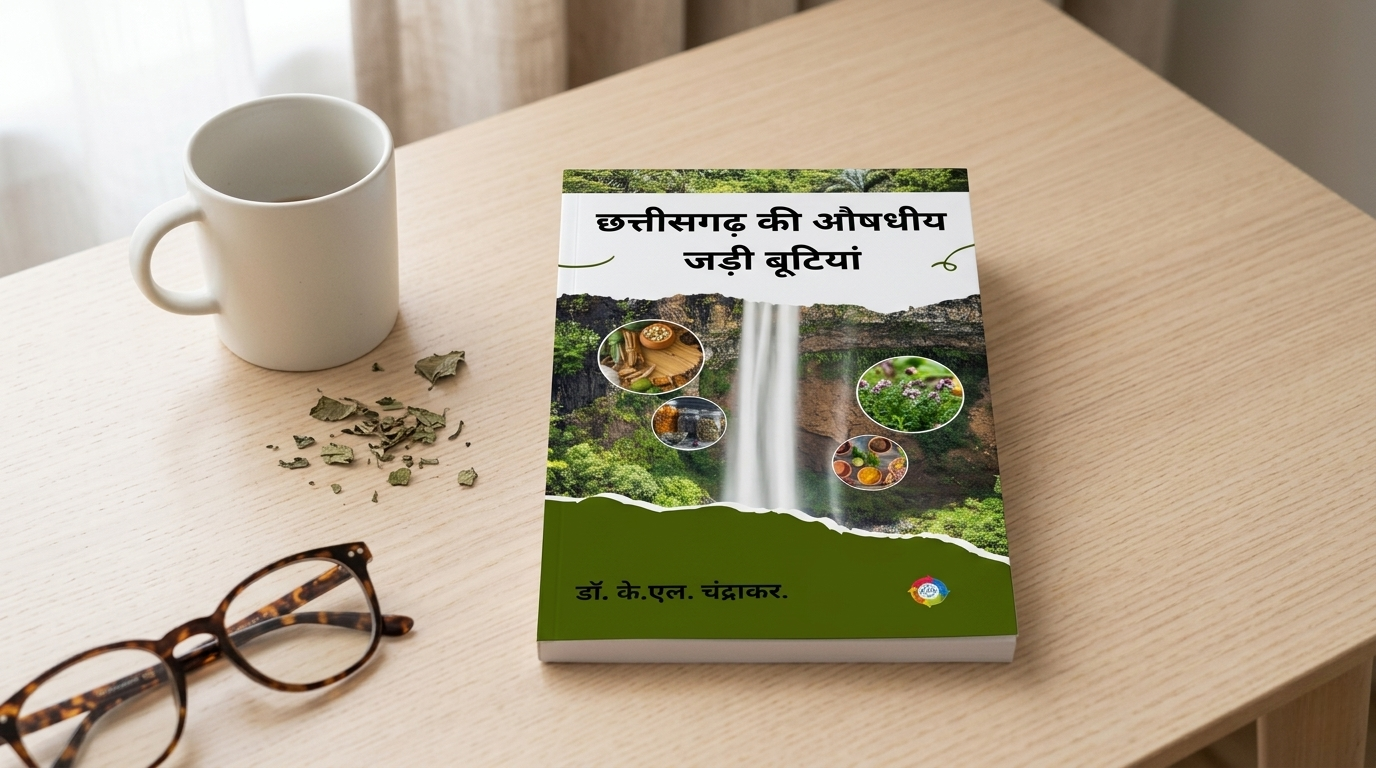
At its core, Chhattisgarh Ki Aushadhiya Jadi Bootiyan by Dr. Kanhaiya Lal Chandrakar is a detailed documentation of medicinal plants found in Chhattisgarh.
But saying just that feels incomplete.
This isn’t just a list of herbs. It’s a mix of identification, local names, traditional uses, and practical applications. You’ll find familiar names like आंवला, अश्वगंधा, तुलसी, नीम, but also many lesser-known plants that are part of local ecosystems and everyday life in rural areas.
The book starts with the idea that nature has always been a healer, something we often forget until things go wrong. And then it slowly builds into a structured collection of plants, their properties, and how they’re used in treating common conditions.
For example, on early pages, the author explains how easily available plants have been used for generations for issues like digestion, त्वचा रोग, बुखार, even more serious conditions.
There’s also a very grounded disclaimer tone throughout, like “if this doesn’t help, consult a doctor,” which I appreciated. It shows responsibility.
And toward the later sections, it moves into simple treatments for common illnesses and even touches on beauty and home remedies.
So yes, it’s a reference book. But it feels lived-in.
What Stood Out to Me
1. The Local Language Connection
One thing I noticed almost immediately is how rooted the book is in local terminology.
Plants aren’t just described scientifically. They are introduced the way people actually know them. Multiple regional names, practical recognition details, and where you might find them.
In my years reviewing books, I’ve seen many herbal guides become too academic. This one resists that.
For example, instead of just stating properties, it tells you how a plant looks, where it grows, and how people traditionally use it. That makes a huge difference for someone who actually wants to use the knowledge, not just read it.
2. Practical Usage Over Theory
This book is very clear about one thing. It wants to be useful.
Take entries like आंवला and अर्जुन. The book doesn’t just say they are beneficial. It goes into how much to take, in what form, and for which conditions.
That level of detail shows the author’s medical background as an Ayurvedacharya.
I kept thinking, this is the kind of information that usually stays with experienced practitioners and rarely gets documented in such a simple format.
3. The Range Is Impressive
There are over a hundred herbs covered.
From common ones like गिलोय, ब्राह्मी, भृंगराज to very region-specific plants that most urban readers might not even recognize.
And what I liked is that the book doesn’t try to rank or glorify. It simply presents.
Almost like saying, “this is what exists, this is how it’s been used, now it’s up to you.”
4. A Subtle Cultural Layer
This part stayed with me more than I expected.
The book quietly reflects how healthcare in rural India has always been community-driven and nature-dependent.
You see glimpses of that in how remedies are described, how plants are identified, and even how certain treatments are combined.
It reminded me of conversations I’ve had with elders who didn’t “study” medicine formally but knew exactly what to use for what.
That kind of knowledge is fragile. And this book, in a way, protects it.
The Emotional Core
You wouldn’t expect a book like this to have an emotional layer, but it does.
It made me think about how disconnected many of us have become from nature.
We order medicines online, visit specialists, rely on prescriptions, which is fine, but somewhere along the way, we stopped noticing what grows around us.
This book brings that awareness back.
Not in a preachy way. Just gently.
There’s also something very human about how the author writes about helping people, especially the गरीब and underserved communities. That part in the author introduction stayed with me. The idea that patients felt better just meeting him.
I paused there for a moment.
Because books like this aren’t just about plants. They’re about intent.
Who This Book Is For
I think this is important, because this book is not for everyone.
- If you’re someone deeply interested in Ayurveda or traditional healing, this will feel like a treasure.
- If you come from a rural or semi-urban background, you might actually recognize many plants here and feel a sense of connection.
- Students of Ayurveda or natural medicine will find it very practical.
But if you’re expecting a polished, highly structured, modern-style health book with visuals, charts, and clinical comparisons, this might feel a bit raw.
And honestly, that’s not a flaw. It’s just a different kind of book.
What Didn’t Fully Work for Me
I’ll be honest here.
There are moments where the structure feels a bit uneven.
Some entries are very detailed, while others feel shorter than I expected. I found myself wishing for slightly more consistency.
Also, for newer readers, a bit more guidance on how to safely use these remedies in modern contexts would have helped.
Because while the knowledge is rich, applying it responsibly needs clarity.
Final Thoughts
I’ve read quite a few books in the health and wellness space over the years. Many are polished, some are informative, but very few feel grounded.
Chhattisgarh Ki Aushadhiya Jadi Bootiyan feels grounded.
It doesn’t try to impress you. It doesn’t try to sell an idea. It simply shares.
And maybe that’s why it stayed with me.
In 2026, when everything is becoming faster, more digital, more disconnected, a book like this feels like a pause. A reminder that healing doesn’t always start in a clinic. Sometimes it starts in the soil.
I wouldn’t call it perfect. But I would definitely call it meaningful.
FAQ
Is Chhattisgarh Ki Aushadhiya Jadi Bootiyan worth reading?
Yes, especially if you are interested in Ayurveda or traditional plant-based healing. It offers practical knowledge that feels authentic.
Who should read this book?
Students of Ayurveda, nature lovers, and anyone curious about herbal remedies will find value here.
Is this book beginner-friendly?
Partly. It’s simple in language but assumes some basic understanding of traditional medicine.
Does it include real remedies or just theory?
It includes practical remedies, dosages, and applications, which makes it more useful than purely theoretical books.

With over 11 years of experience in the publishing industry, Priya Srivastava has become a trusted guide for hundreds of authors navigating the challenging path from manuscript to marketplace. As Editor-in-Chief of Deified Publications, she combines the precision of a publishing professional with the empathy of a mentor who truly understands the fears, hopes, and dreams of both first-time and seasoned writers.