
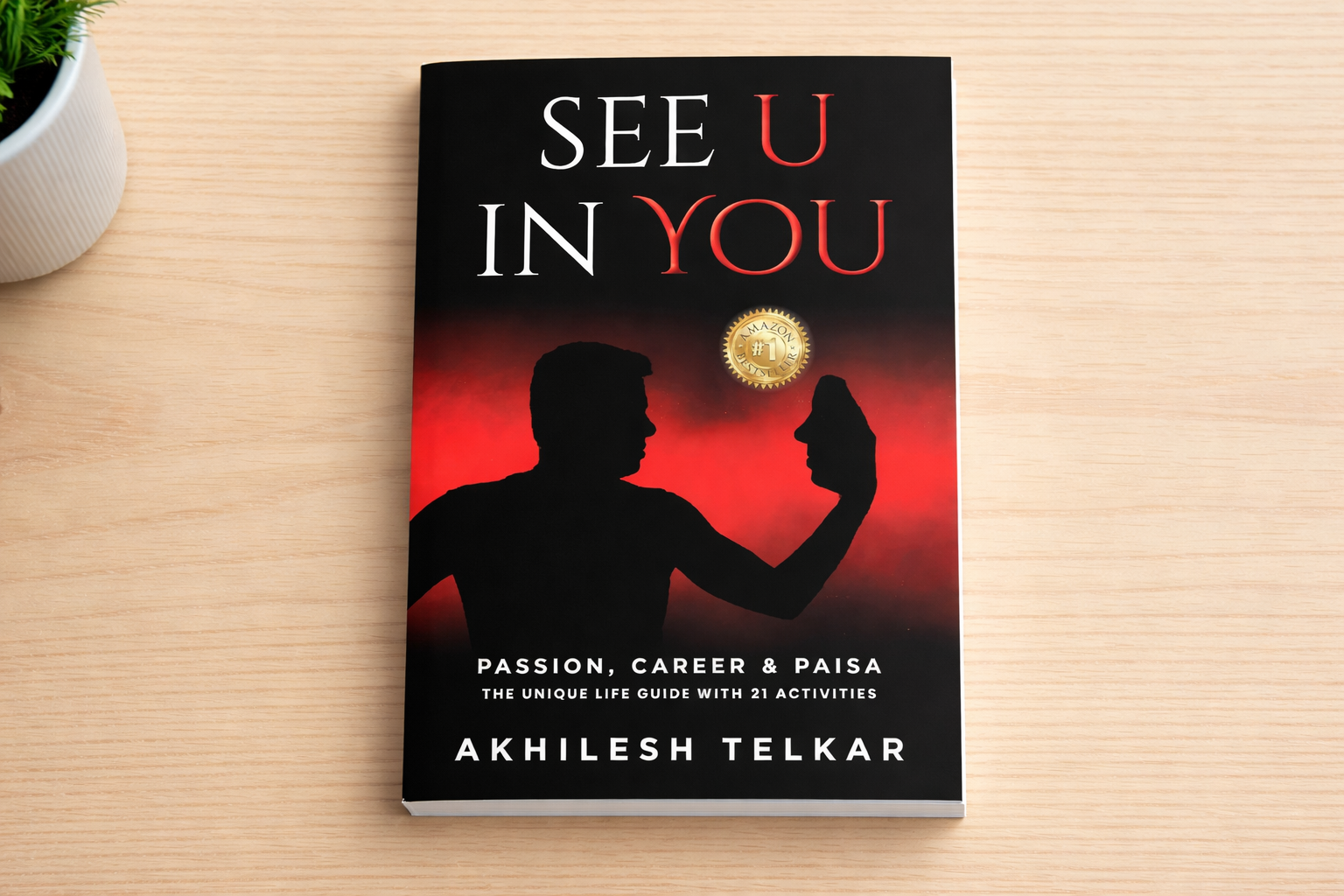
Rating:
⭐⭐⭐⭐ (4.2 out of 5)
I picked up See U in You by Akhilesh Telkar with a certain hesitation. I’ve read a lot of self-help over the years, and honestly, after a point, many books start sounding the same. Same ideas, same motivation, just repackaged.
But this one… I don’t know, something about it felt different almost immediately. Maybe it was the tone. Maybe it was the way the author doesn’t try to sound like a guru. It felt more like someone sitting across from you and saying, “Look, I’ve struggled too. Let’s figure this out together.”
And I think that’s what stayed with me throughout the book. It didn’t feel like a lecture. It felt like a conversation.
There were moments where I paused and thought, “Okay… this is simple, but it’s hitting somewhere real.” And honestly, those are the books I remember the most.
What the Book Is About? more than just passion, career, paisa
At its core, See U in You: Passion, Career & Paisa is about self-discovery. But not in a vague, abstract way. It’s very grounded. Very practical.
Akhilesh Telkar builds the book around three pillars
Passion
Career
Paisa
And I liked that he didn’t treat them as separate worlds. He keeps bringing them together again and again, almost like reminding you that life is not about choosing one and sacrificing the others.
There’s this idea he introduces early on about “seeing U in YOU” which is essentially about discovering yourself instead of blindly following what everyone else is doing. It sounds simple, but when you read the examples and the questions he asks, it starts feeling more personal.
One thing I appreciated is the structure. The book is divided into sections with activities. Not just theory. Actual prompts where you have to sit and think. Like
What is my area of interest
What rewards do I really want
Who can guide me
And I kept thinking… most people skip this step. We rush into jobs, into decisions, without ever asking these questions properly.
There’s also a strong narrative thread where the author shares his own journey. His confusion, his mistakes, even things like chasing money without clarity. That honesty makes the book more believable.
And then there’s the “Paisa” section, which I think many readers will find practical. It talks about money mindset, investments, and also something deeper which is how your internal beliefs affect your financial life.
What Stood Out to Me? the small details, not the big claims
In my years of reviewing books, I’ve realized something. It’s rarely the big ideas that make a book memorable. It’s the small things. The way something is said. A line that feels personal.
This book has quite a few of those moments.
There’s a line about how “what you become is more valuable than what you earn.” I’ve heard similar thoughts before, but the way it appears in context here, it lands differently. Because just before that, the author talks about fear, job insecurity, and the pressure to provide. So it doesn’t feel like a motivational quote. It feels like something earned.
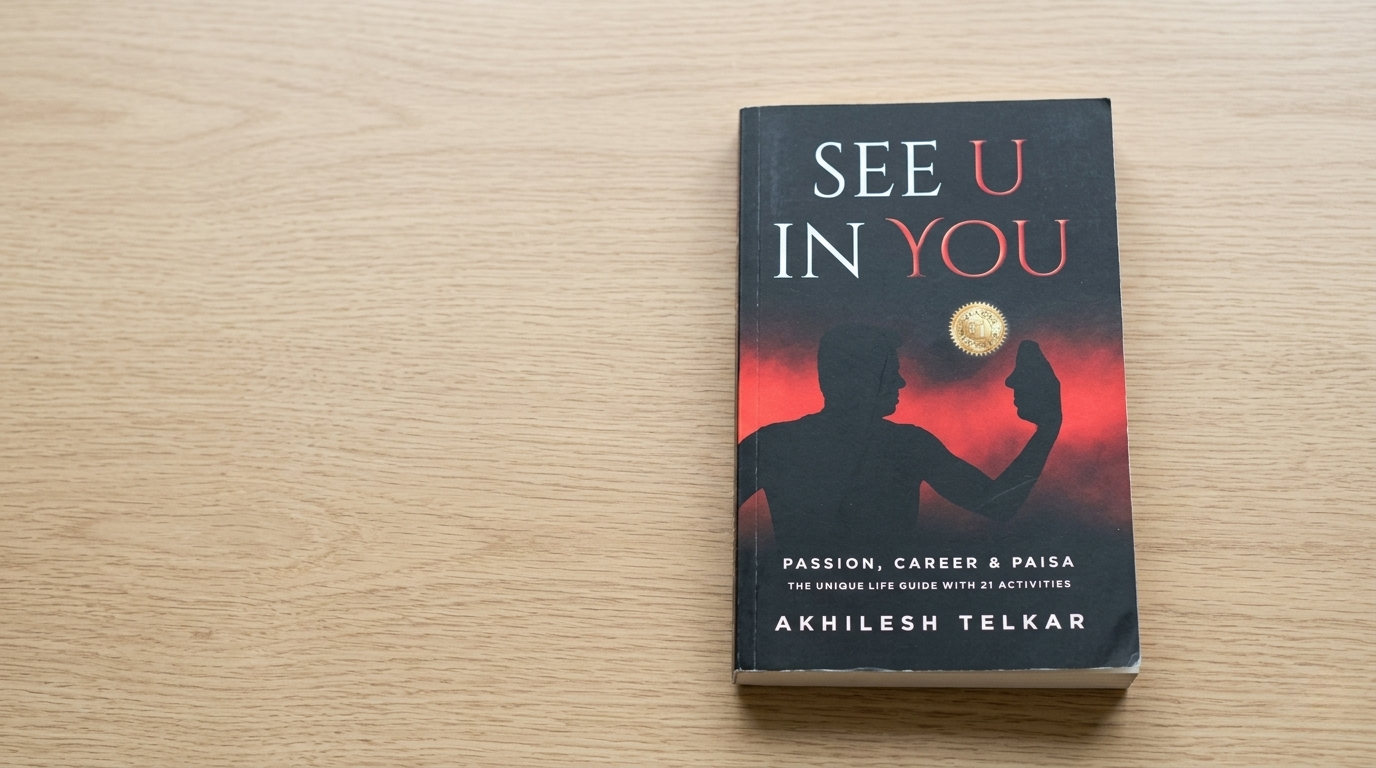
Another thing I really liked was the use of illustrations. Simple stick figures, small visuals. Nothing fancy. But they actually help. Especially in sections talking about confusion or direction in life. It reminded me a bit of how we process ideas better when they’re visual, even if they’re simple.
The “Activity” sections are also worth mentioning. One in particular asks you to write down the problems you want to solve in your career. That question stayed with me longer than I expected.
Because usually we ask
What job should I do
What salary do I want
But not
What problems do I want to solve
That shift matters.
The book also blends English and Hindi in parts. Normally, that can feel inconsistent. But here, it felt natural. Almost like how we actually speak in real life.
The Emotional Core – where the book really connects
If I had to describe what this book is really about, beyond all the frameworks and activities, I’d say it’s about confusion.
That phase where you don’t know what you’re doing with your life.
Where you’re working, but something feels off.
Where you’re earning, but not satisfied.
And I think Akhilesh Telkar captures that feeling quite honestly.
There’s a section where he talks about trading time for money and realizing something is missing. I’ve seen this happen so often. Not just in books, but in real life. People who are doing “fine” on paper but feel stuck inside.
There’s also this recurring idea of becoming from inside instead of trying to fix everything outside. And maybe that sounds familiar, but the way it’s woven into personal experiences makes it feel less like advice and more like realization.
Some parts feel very direct. Almost like the author is pushing you a little. Saying
Don’t wait
Don’t overthink
Take action
And I think that works for this kind of book.
But I’ll also say this honestly. There are moments where it feels a bit repetitive. Especially in the motivational sections. The same idea comes back in slightly different words. For some readers, that might actually help reinforce the message. For others, it might feel a bit stretched.
For me, it was somewhere in between. I didn’t mind it, but I did notice it.
Who This Book Is For? and who might not connect as much
I think this book will resonate most with
Students who are confused about career direction
Young professionals who feel stuck or unsatisfied
Anyone trying to balance passion and financial stability
Especially in India, where career pressure is very real, this book feels quite relevant even in 2026. The mix of ambition, confusion, and expectation is something many people are dealing with right now.
If you’re someone who likes highly structured, research-heavy self-help, this might feel a bit informal. It leans more on personal experience than academic frameworks.
But if you’re someone who just wants clarity, or even just a push to think differently, this might land well.
Final Thoughts – a book that tries to meet you where you are
I’ll be honest. This isn’t a perfect book. And I don’t think it’s trying to be.
It has rough edges. Some repetition. Some sections that could have been tighter.
But it also has something many polished books don’t have. Sincerity.
You can feel that the author genuinely wants the reader to figure things out. Not impress them. Not overwhelm them. Just help them take one step forward.
And maybe that’s why I kept reading.
There’s a line near the end about consistent effort, about not doing things just once but showing up again and again. I closed the book and thought about how often we expect big results from small, inconsistent actions.
So yes, this book stayed with me. Not because it said something completely new, but because it said familiar things in a way that felt real.
And sometimes, that’s enough.
FAQ
Is See U in You worth reading?
I think it is, especially if you’re feeling stuck or unsure about your direction. It’s not perfect, but it’s honest and practical in parts.
What is See U in You about?
It focuses on finding clarity in passion, career, and money. It combines personal experiences with activities that make you reflect on your own life.
Who should read See U in You by Akhilesh Telkar?
Students, early professionals, or anyone confused about career choices and life direction will likely connect with it the most.
Is this book very technical or easy to read?
It’s quite easy to read. The language is simple, and the tone feels conversational rather than academic.

With over 11 years of experience in the publishing industry, Priya Srivastava has become a trusted guide for hundreds of authors navigating the challenging path from manuscript to marketplace. As Editor-in-Chief of Deified Publications, she combines the precision of a publishing professional with the empathy of a mentor who truly understands the fears, hopes, and dreams of both first-time and seasoned writers.