
Rating
⭐⭐⭐⭐ (4.5 out of 5)
Some Poems Feel Like Someone Speaking Softly to Themselves
I’ve been reading poetry for many years now. In fact, some of my earliest memories as a reader involve sitting with a thin poetry book and rereading the same poem again and again, trying to understand why a few simple lines could feel so personal.
Poetry is strange like that.
Sometimes it feels like the poet is speaking to you. Other times it feels like you accidentally overheard someone talking to their own heart.
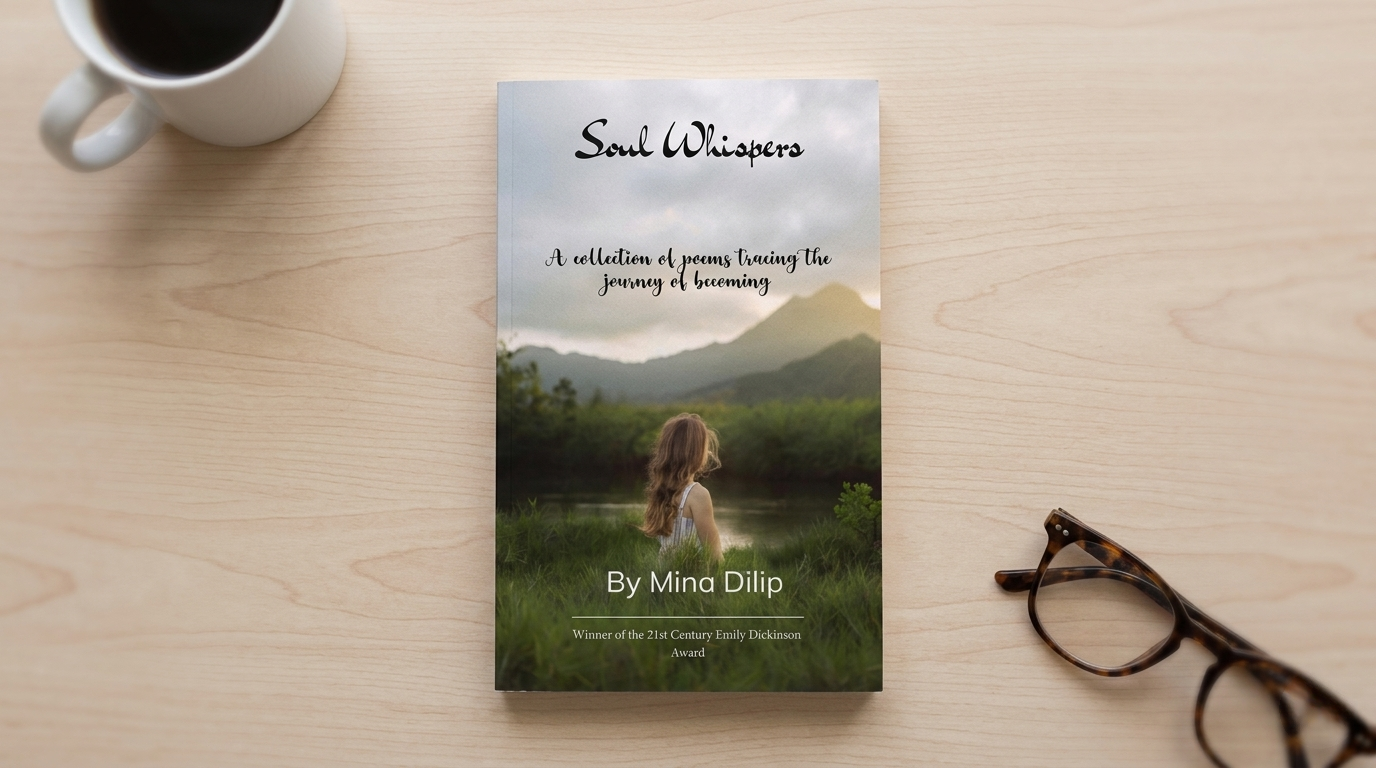
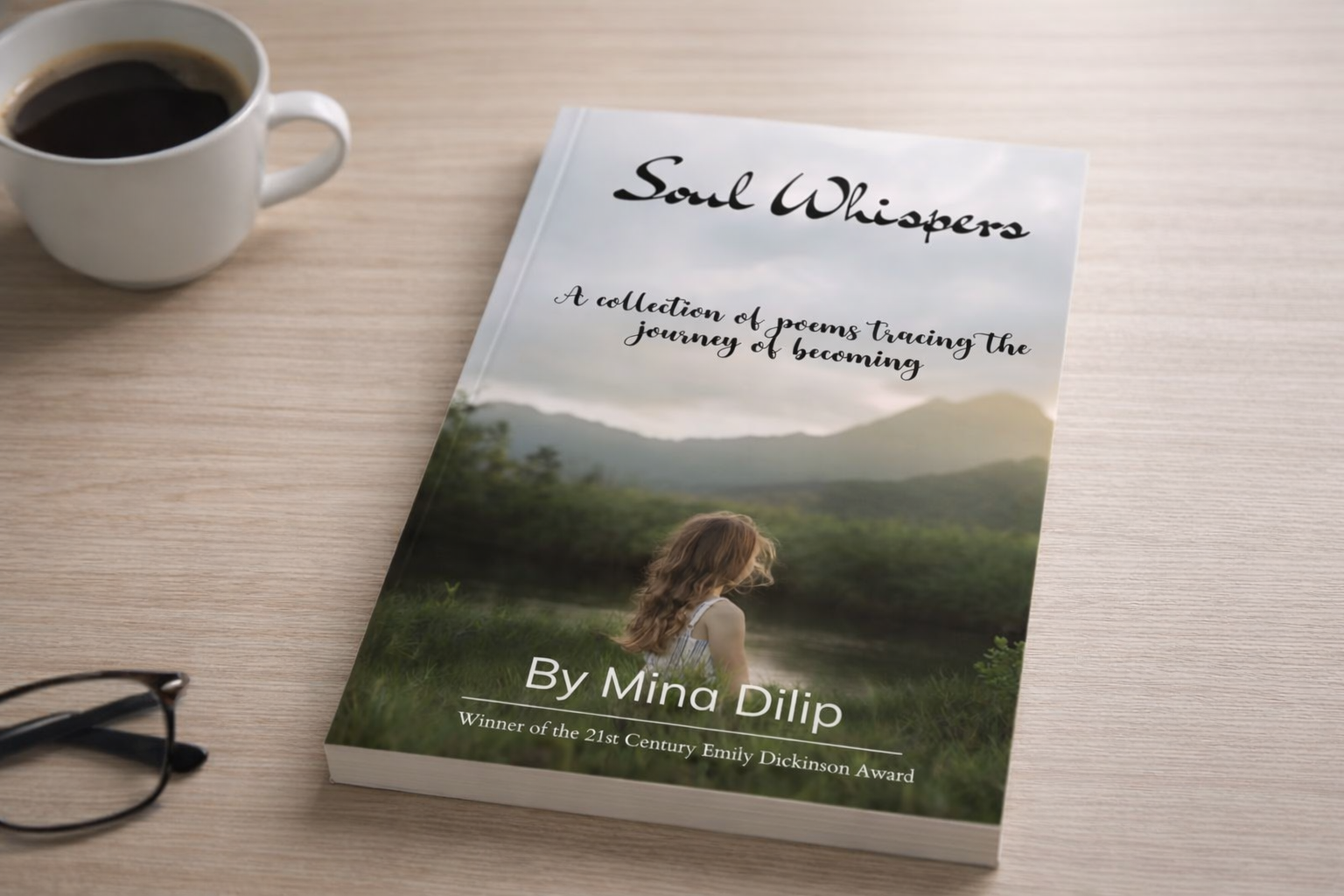
When I first saw the cover of Soul Whispers by Mina Dilip, that feeling came to mind almost immediately. The title itself already suggests something intimate. Not declarations. Not loud proclamations.
Whispers.
And after spending time with the poems in this collection, I think that title fits surprisingly well.
This is not poetry trying to impress you with complexity. It feels more like someone opening small windows into their inner life. Moments of grief. Moments of tenderness. A little humor. A little heartbreak. A little healing.
And honestly, that sincerity is something I value a lot as a reader.
What the Book Is About
Soul Whispers by Mina Dilip is a collection of poems that trace a very personal emotional landscape.
The author mentions in the preface that these poems began as small fragments of thought during sleepless nights, emotional moments, and reflective pauses in life. That detail immediately helps explain the tone of the book.
These poems were not originally written as a structured literary project. They emerged slowly from lived experiences.
Love. Loss. Healing. Relationships. Self discovery.
The preface also reveals that Mina Dilip works as a therapist, and that part of her life seems to shape the emotional sensitivity of the writing. She describes the poems as conversations between her heart and soul, written while holding emotional space not only for others but also for herself. I actually found that context very helpful while reading the poems.
Because the collection reads almost like an emotional diary.
Some poems are short and observational. Others linger on heavier emotions such as guilt, heartbreak, and grief.
One poem that stayed with me was the very first one dedicated to beloved pets. It captures the playful presence of a dog through simple sensory moments. A wagging tail, a wet nose, the small companionship animals bring into our lives. Then there are poems like A Child’s Plea, which express the quiet frustration of someone trying to live according to their own identity rather than expectations imposed by others. Later poems move through darker emotional spaces.
Grief after losing a beloved pet. Betrayal in relationships. The lingering sting of guilt. The disorientation of heartbreak.
But interestingly, the book does not remain in those heavy places forever.
Toward the end of the collection, poems such as Reawakening and Rise of the Phoenix suggest a movement toward self acceptance and inner strength. That emotional arc actually gives the collection a subtle narrative shape.
Pain. Reflection. Growth.
What Stood Out to Me
One thing I appreciated in Soul Whispers is the emotional honesty.
In my years reviewing poetry collections, I’ve noticed that many writers try very hard to sound profound. Sometimes that effort becomes visible on the page.
Here the poems feel more spontaneous.
Some lines are very simple. But sometimes simplicity is exactly what allows emotion to come through clearly.
For example, the poem Bliss captures a peaceful morning with only a few small images. Sunrise, dew on leaves, birds singing. The repetition of the word bliss works almost like a quiet meditation. Another poem that struck me was Saying Goodbye, which describes the grief of losing a pet. Anyone who has loved an animal companion will probably recognize that particular kind of emptiness. The moment when you open the door expecting to see them, only to remember they are gone. I paused after that one.
It reminded me of a dog my family had years ago. The strange silence in the house after he passed away felt almost exactly like what the poem describes.
That is something poetry does well when it works.
It mirrors feelings you already carry.
I also liked the variety of emotional tones in the book.
Some poems are playful, like On My First Date, which captures awkward romantic moments with a light sense of humor. Others are more intense, especially Heartbreak and Seasons of Suffering, where emotional pain is described almost physically. Then there are philosophical pieces asking questions about freedom, purpose, and identity.
As a reader, I enjoyed that range. It makes the collection feel human rather than thematic.
Life rarely sticks to one emotion.
The Emotional Core
At its heart, Soul Whispers feels like a book about healing.
But not the kind of healing that arrives suddenly.
It feels slower.
Messier.
The poems acknowledge sadness, confusion, guilt, and betrayal. But they also show moments where the speaker begins reclaiming their sense of self.
One of the later poems describes moving from victim to survivor, almost like rewriting one’s own story. That theme appears again in the closing poem Rise of the Phoenix, where the speaker rebuilds identity from the fragments of painful experiences. When I reached that poem, I had the feeling that the entire collection had been quietly moving toward that moment.
And I like when poetry collections create that kind of emotional resolution.
Not every reader will notice it immediately, but once you step back and look at the full arc, it becomes clearer.
Who This Book Is For
I think Soul Whispers by Mina Dilip will resonate most with readers who enjoy reflective poetry.
If you prefer highly experimental or abstract poetry, this collection might feel too straightforward.
But if you enjoy poems that feel personal and emotionally accessible, there is a lot here to connect with.
Readers who appreciate poets like Rupi Kaur or other modern reflective voices may find something familiar in this style.
I could also imagine therapists, counselors, or anyone interested in emotional introspection connecting deeply with some of these poems.
And of course animal lovers will likely appreciate the poems about pets and companionship.
That said, a few poems might feel slightly repetitive in structure. Some readers may wish for more variation in poetic form.
But honestly, that did not bother me too much because the emotional authenticity remained consistent.
Final Thoughts
As someone who reads many books every year in my work at Deified Publication, I’ve learned something about poetry.
The poems that stay with readers are rarely the most technically perfect ones.
They are the ones that feel honest.
Soul Whispers feels honest.
The collection reflects moments of vulnerability and self reflection without trying too hard to impress the reader.
Some poems feel like diary entries. Others feel like letters to oneself.
And maybe that is exactly what poetry should sometimes be.
A place where emotions can exist without explanation.
After finishing the book, I kept thinking about the title again.
Soul Whispers.
It is a gentle description, but an accurate one.
These poems do not shout.
They speak softly.
And if you listen carefully, you might recognize pieces of your own life in them.
FAQ
Is Soul Whispers worth reading?
If you enjoy personal and reflective poetry about healing, relationships, and emotional growth, this collection offers many relatable moments.
What is Soul Whispers about?
Soul Whispers by Mina Dilip is a poetry collection exploring love, grief, self discovery, and emotional healing through personal reflections.
Who should read Soul Whispers?
Readers who enjoy modern reflective poetry and emotionally honest writing will likely appreciate this book.
Is Soul Whispers easy to read?
Yes. Most poems use clear language and short structures, making the collection accessible even for readers new to poetry.

With over 11 years of experience in the publishing industry, Priya Srivastava has become a trusted guide for hundreds of authors navigating the challenging path from manuscript to marketplace. As Editor-in-Chief of Deified Publications, she combines the precision of a publishing professional with the empathy of a mentor who truly understands the fears, hopes, and dreams of both first-time and seasoned writers.