
Rating:
⭐⭐⭐⭐ (4.3 out of 5)
Opening: When success itself becomes the problem
Priya Srivastava here. I have been reading and reviewing books for well over fifteen years now. Fiction, memoirs, poetry, leadership books, the whole spectrum. And I’ll be honest with you. Leadership books can sometimes blur together after a while. Many repeat the same ideas about vision, culture, or productivity.
But every now and then a book description comes along that makes me pause.
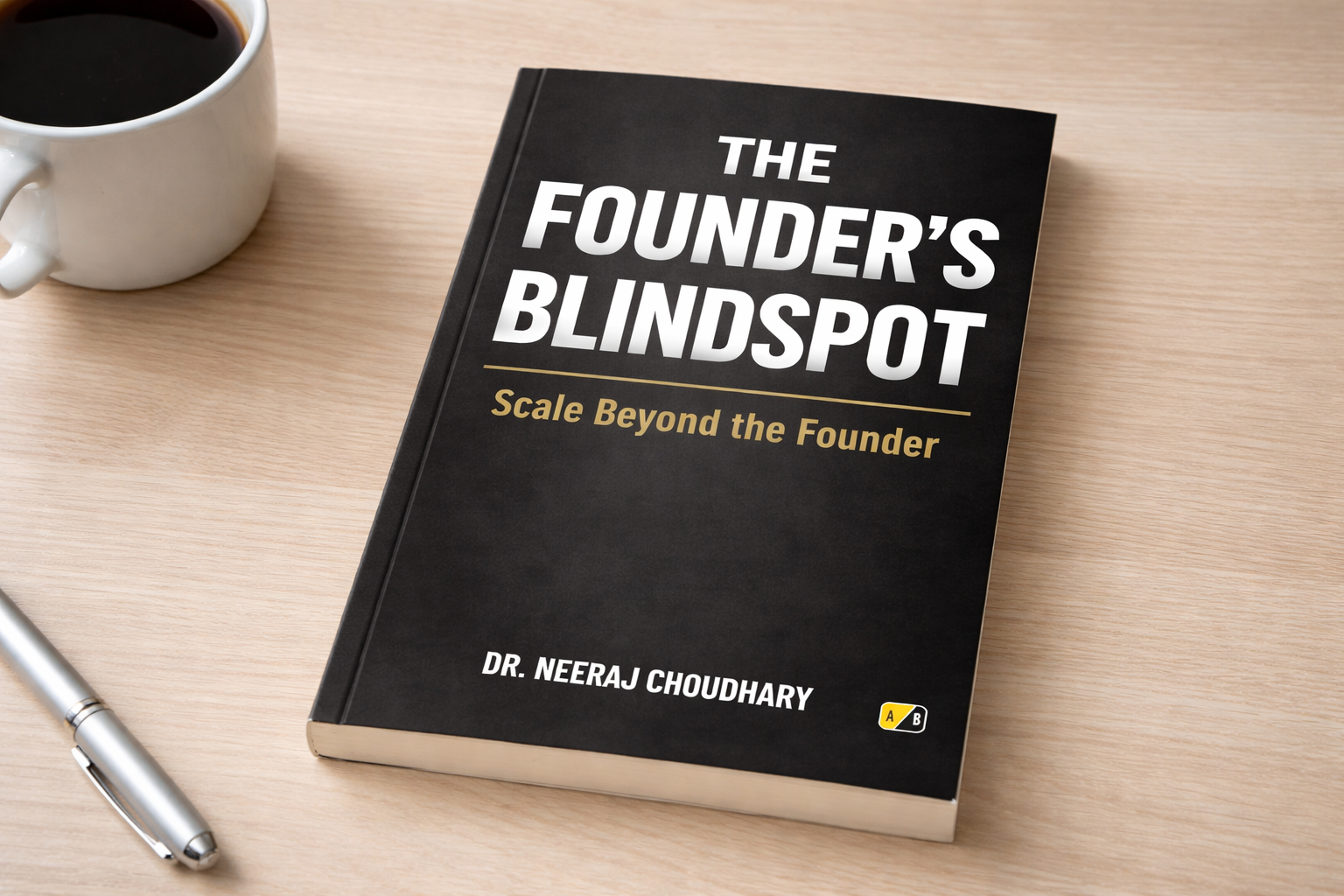
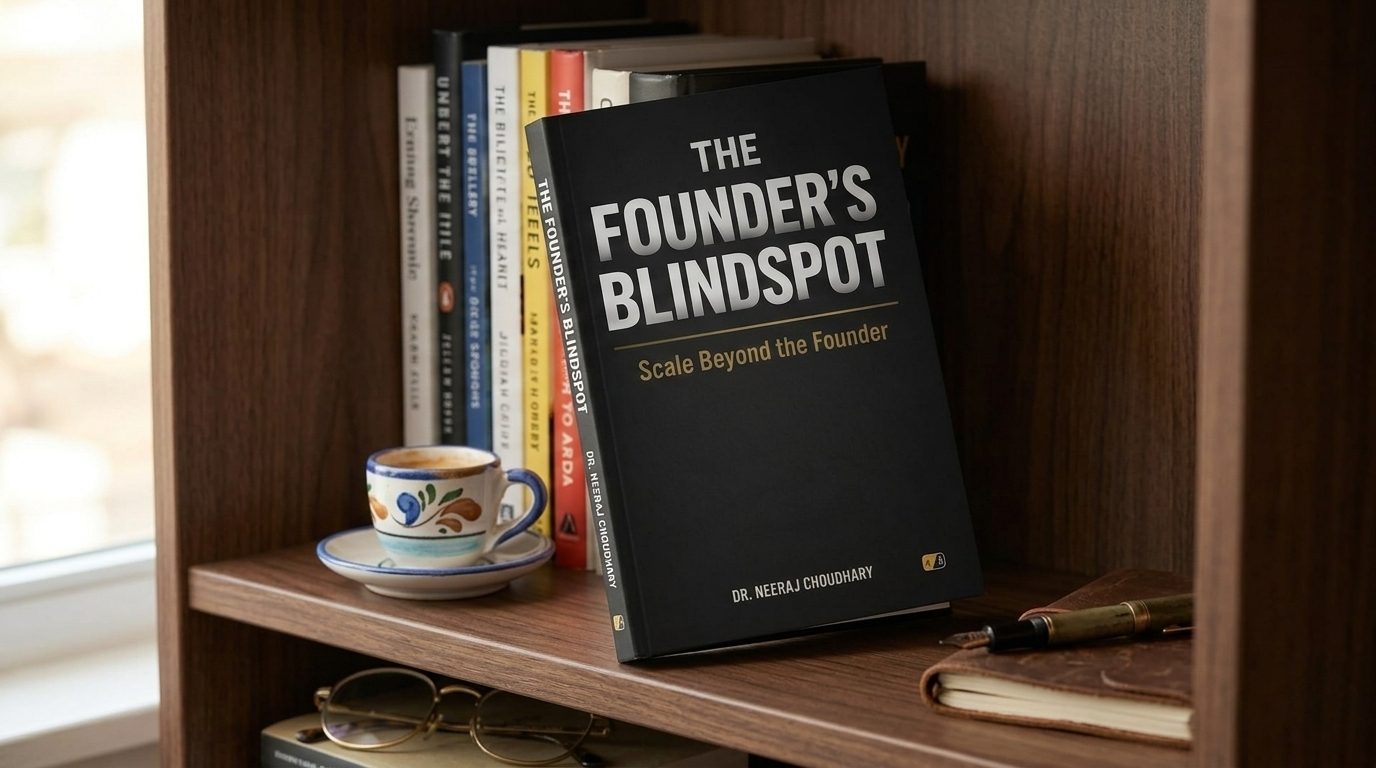
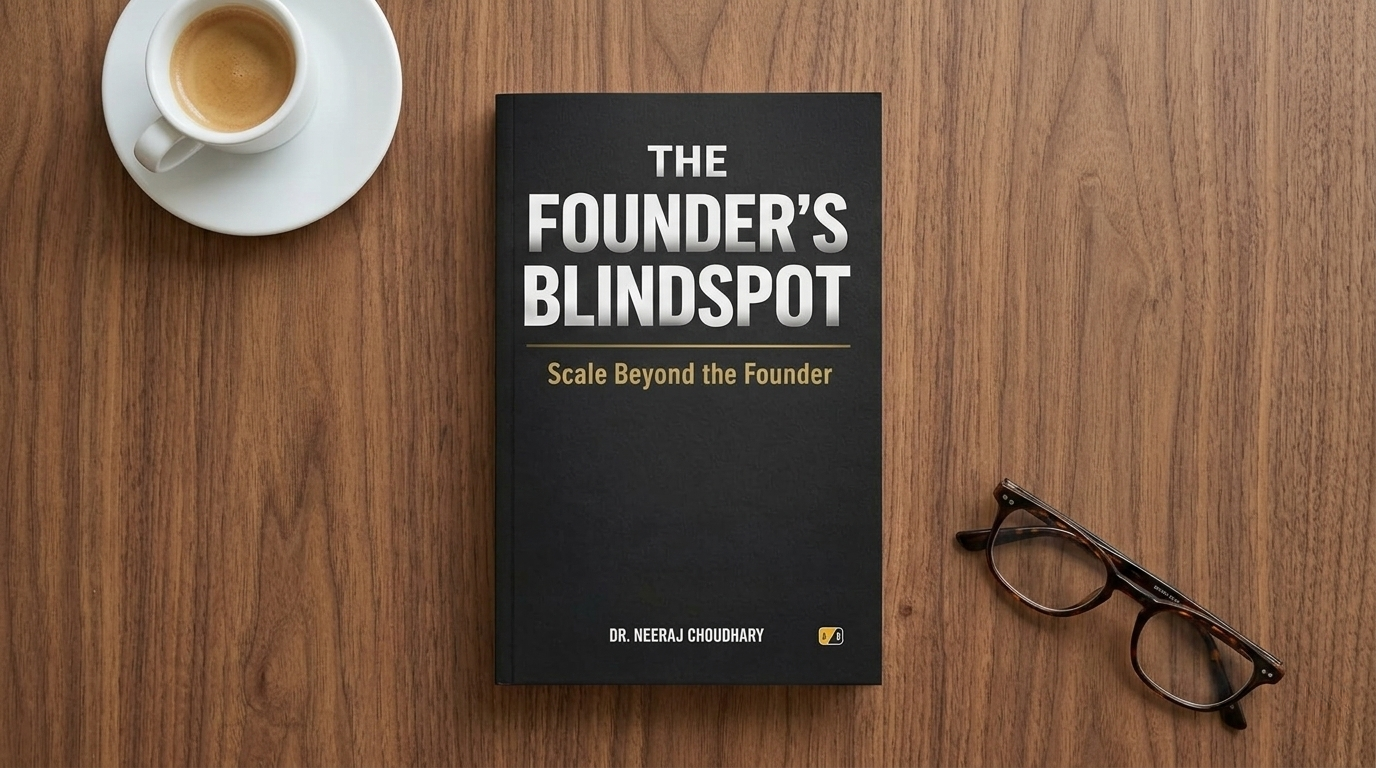
When I first saw The Founder’s Blindspot: Scale Beyond The Founder by Dr. Neeraj Choudhary, something about the central idea stayed with me longer than I expected. The idea is very simple but also uncomfortable. The very strengths that helped a founder build a business might later become the reason growth starts slowing down.
I have seen this happen in real life.
At Deified Publication we work with authors, entrepreneurs, and small business owners regularly. Some founders are incredibly capable individuals. They build something from nothing. But after a few years you start noticing a pattern. Every decision still goes through them. Every employee waits for their approval. And somehow the company feels stuck.
So when I read the description of this book, I felt like someone was finally putting words to something many people quietly experience but rarely discuss openly.
And that is what intrigued me about this book.
What the Book Is About
The Founder’s Blindspot by Dr. Neeraj Choudhary positions itself as a practical leadership guide for founders and owner leaders, particularly those running Indian family businesses or small and medium enterprises.
The premise is straightforward but quite powerful.
Many founders build their companies through sheer determination. They rely on instinct, personal control, and relentless involvement in every part of the business. In the early years that level of control actually helps the company survive. It keeps standards high and decisions quick.
But the book argues that those same habits can slowly turn into barriers when the business reaches the next stage of growth.
Instead of enabling scale, the founder unintentionally becomes the bottleneck.
The metaphor of a blind spot is used to explain this phenomenon. Just like a driver cannot see certain angles while driving, founders may not notice how their leadership style affects the organization over time.
According to the book’s description, several common patterns appear across many Indian SMEs and family enterprises. One is decision dependency where every significant choice still requires the founder’s approval. Another is a culture built heavily around loyalty, where employees hesitate to offer honest feedback.
There is also the problem of authority gradually turning into fear based compliance. People do their tasks but stop challenging ideas or proposing new directions.
Then there is the emotional side of it. Founders often feel deeply attached to the business they built. That attachment can make it difficult to let go of control even when growth requires delegation.
From what I gather, Dr. Neeraj Choudhary tries to address these realities without turning the book into a lecture about governance or management theory. The focus seems to be on practical clarity.
The goal is to help founders transition from running everything personally to building systems and leadership structures that allow the company to grow beyond them.
What Stood Out to Me
A few things about this concept really stood out to me while reading the book’s description and examining the themes.
First is the strong focus on Indian business culture.
Many leadership books come from Western corporate environments. They discuss boardrooms, venture capital dynamics, or large multinational organizations. Those books are useful but sometimes they miss the complexities of family run businesses in India.
In many Indian companies the founder is not just the CEO. They are also the emotional anchor of the organization. Employees often view them almost like a patriarch or matriarch figure.
That dynamic creates loyalty and trust but it can also slow decision making and innovation if everything remains centralized.
I appreciated that the book appears to acknowledge those cultural realities instead of ignoring them.
Another thing I liked is the emphasis on second line leadership.
In my years working with authors and entrepreneurs, I have noticed that strong organizations almost always have capable leaders below the founder. People who can make decisions, challenge ideas, and take ownership.
But building that layer of leadership requires something difficult from founders. They have to trust others enough to step back a little.
And that is not easy.
The book also seems to discuss family dynamics in business which is another sensitive area. Issues like succession, entitlement, and trust often remain unspoken in family enterprises. Addressing them directly without sounding judgmental is a delicate balance.
From the description, it seems the author tries to approach these topics with practical realism rather than moralizing.
The Emotional Core
What interested me most about The Founder’s Blindspot is the emotional tension behind the concept.
Building a company is deeply personal work. Founders invest years of their lives, their savings, sometimes their relationships. The business becomes part of their identity.
So when someone suggests that their leadership style might be limiting growth, it can feel almost like a personal criticism.
That is why the metaphor of a blind spot feels appropriate.
A blind spot is not a flaw in character. It is simply something we cannot easily see from our own perspective.
I imagine many readers might experience moments of recognition while reading this book. Perhaps a founder realizing that employees hesitate to challenge them. Or noticing that talented professionals leave after a year or two.
Those moments can be uncomfortable but also clarifying.
And in 2026 this conversation feels especially relevant.
India’s startup ecosystem and SME sector are growing rapidly. Many businesses that began as small founder driven ventures are now entering stages where systems and leadership teams become essential.
Books that address this transition honestly can be helpful.
Who This Book Is For
I think The Founder’s Blindspot will resonate most strongly with a specific group of readers.
First, founders of small and medium businesses who sense something in their organization is slowing down but cannot clearly identify the reason. If decisions feel heavier each year or employees seem less engaged, the ideas in this book might feel very familiar.
Second, family business leaders navigating generational transitions. The book appears to address issues of succession and governance which are often complicated in family run enterprises.
Third, senior managers working under founder led leadership structures. Reading a book like this might help them understand the broader dynamics shaping their organization.
That said, this book might not appeal as strongly to readers looking for academic management theory or complex strategic frameworks. From what I understand, the tone is meant to be direct and practical.
And honestly I think that is a strength.
Final Thoughts
As someone who reads a large number of leadership books each year, I am always drawn to ideas that feel grounded in lived experience.
The Founder’s Blindspot by Dr. Neeraj Choudhary seems to come from years of observing how businesses actually operate. The description suggests that the author has worked closely with founders and understands the psychological side of leadership as well as the operational side.
The central idea is not revolutionary but it is extremely relevant.
Success can create habits that later become limitations.
Recognizing that reality requires honesty and self awareness. Not every founder will be comfortable confronting those questions.
But the ones who do may find this book useful as a mirror. A way to step back and ask whether the organization they built can grow without depending entirely on them.
And perhaps that is the real measure of leadership.
Building something strong enough to outgrow its creator.
FAQ
Is The Founder’s Blindspot worth reading for entrepreneurs?
If you run a founder led business or family enterprise and feel growth slowing down, the ideas in this book may feel very relevant.
What is The Founder’s Blindspot about?
The book discusses how leadership habits that help founders build early success can later become barriers to scaling the organization.
Who should read The Founder’s Blindspot by Dr. Neeraj Choudhary?
Founders, business owners, and leaders in Indian SMEs or family businesses who want to build sustainable organizations beyond founder dependency.
Is The Founder’s Blindspot theoretical or practical?
From the description it appears to focus more on practical leadership behaviors and real world patterns rather than heavy management theory.

With over 11 years of experience in the publishing industry, Priya Srivastava has become a trusted guide for hundreds of authors navigating the challenging path from manuscript to marketplace. As Editor-in-Chief of Deified Publications, she combines the precision of a publishing professional with the empathy of a mentor who truly understands the fears, hopes, and dreams of both first-time and seasoned writers.