
Rating:
⭐⭐⭐⭐ (4.3 out of 5)
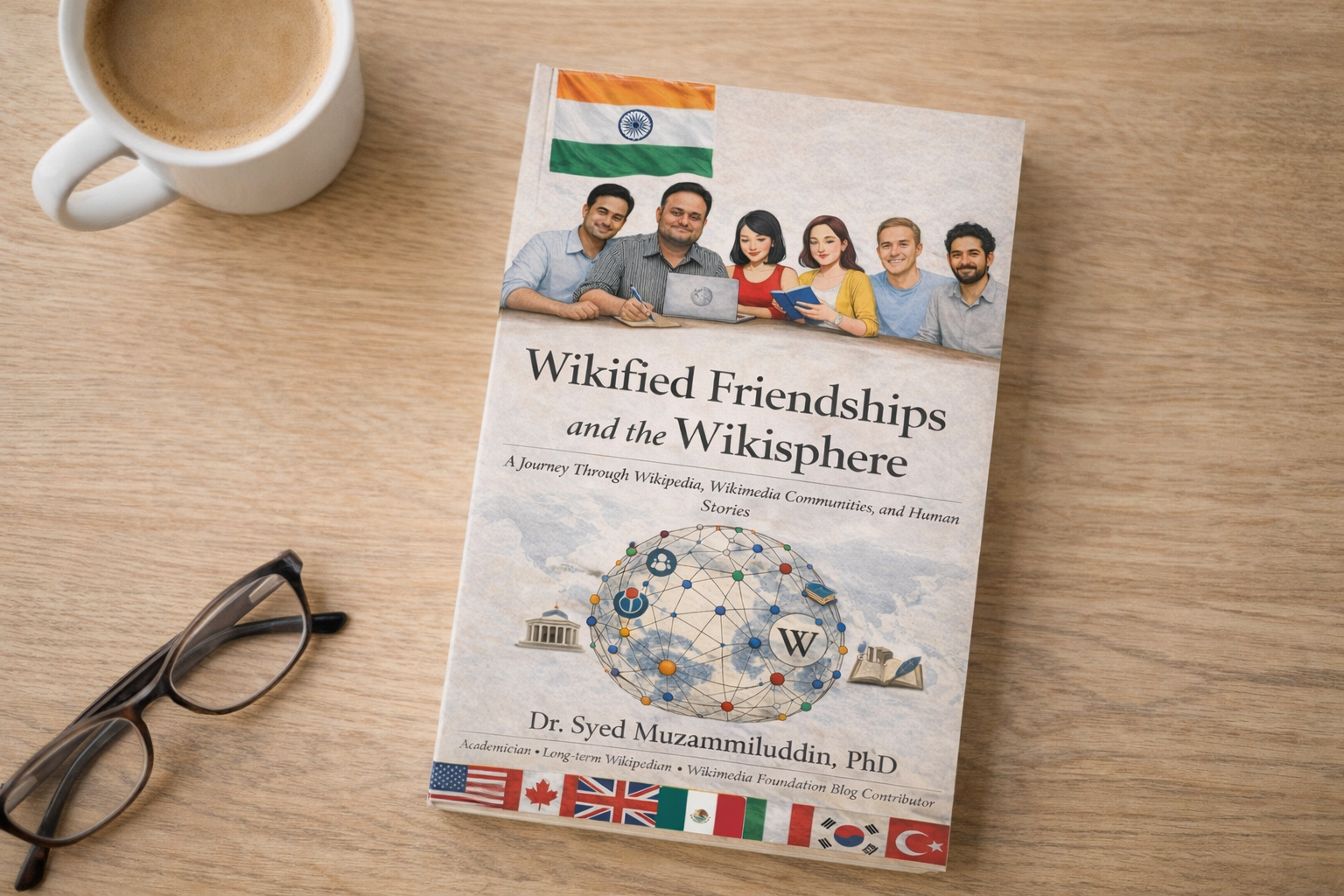
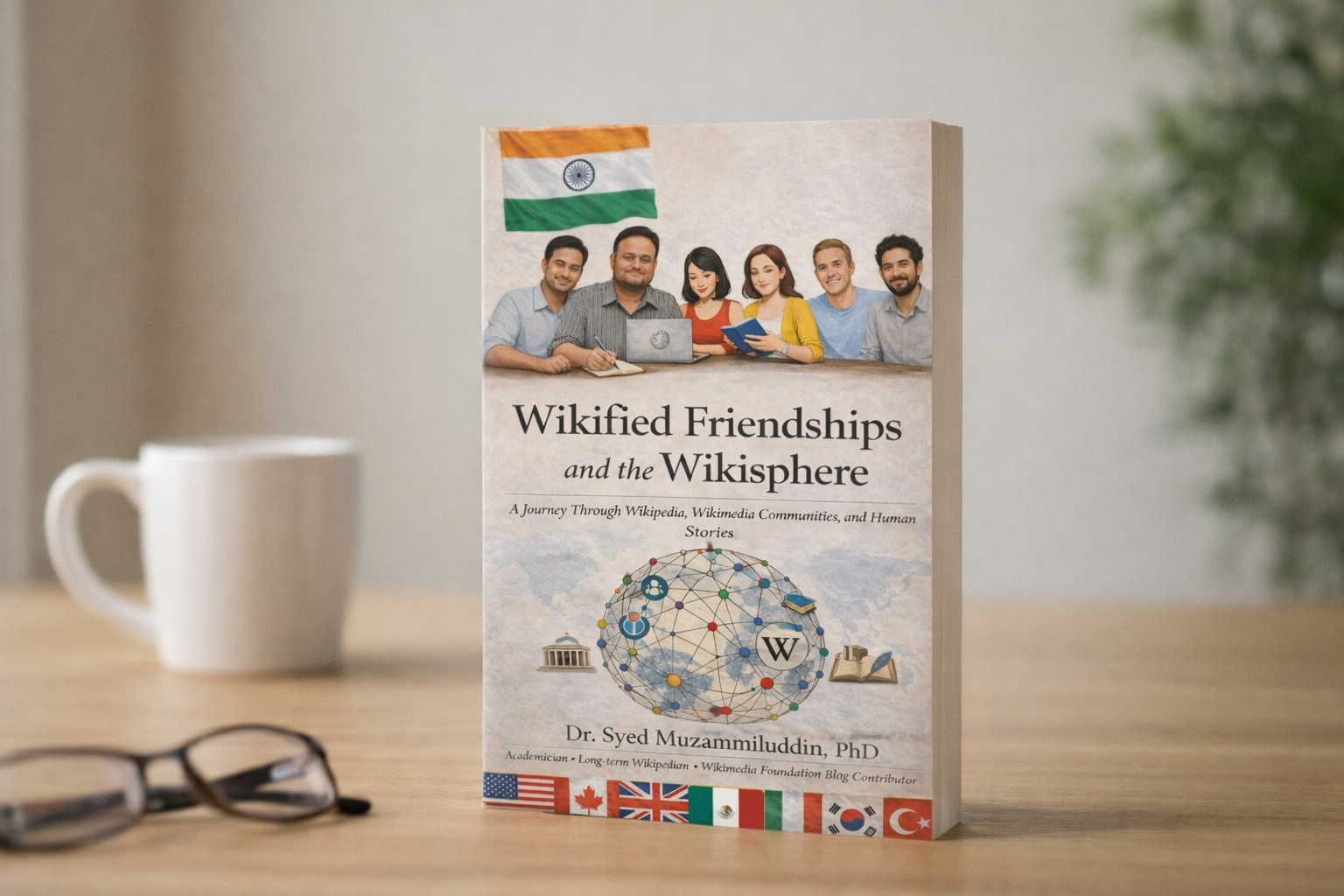
When I picked up Wikified Friendships and the Wikisphere, I expected research. I expected documentation. I expected structured analysis. What I did not expect was how human it would feel.
Maybe that surprised me because we often think of Wikipedia as this vast machine. Pages. Edits. Policies. Arguments. Statistics. But behind those edits are people. Real people. With emotions, conflicts, insecurities, pride, friendships. In my years of reviewing books across genres, I have learned that the most powerful stories are rarely about systems. They are about people inside those systems.
And that is exactly where Syed Muzammiluddin chooses to stand.
This is not just a book about Wikipedia. It is about the relationships that quietly hold it together.
What the Book Is About
If you are wondering what Wikified Friendships and the Wikisphere is about in simple terms, here is how I would explain it over chai.
It is a long term Wikipedian telling you what it actually feels like to live inside that ecosystem.
Dr. Syed Muzammiluddin has over 125000 edits across Wikimedia projects. That number alone tells you something. Thirty thousand edits on Hindi Wikipedia. Thirty thousand on Urdu. Deep involvement in English Wikipedia, Commons, Meta. That is not casual participation. That is commitment.
The book brings together revised essays that were originally published for the Wikimedia Foundation and the Centre for Internet and Society in Bangalore. But this is not a simple compilation. He reorganizes, updates, expands, and reflects on those experiences. He profiles figures like Jimmy Wales. He documents language communities from Maithili to Esperanto to Korean and Burmese Wikipedias. He talks about education programs. Institutional outreach. Volunteer culture.
But what makes it different from a typical documentation volume is the personal layer.
There are chapters about Wikimania in Mexico City and Esino Lario. Stories about interviews. Community conflicts. Recognition and misunderstanding. Governance questions. Power dynamics. Even obituaries of fellow Wikipedians. And somewhere between institutional profiles and analytical essays, you see the author growing.
It becomes part memoir, part documentation, part critical reflection.
And honestly, that blend works more often than it does not.
What Stood Out to Me
There are a few things that stayed with me long after I finished reading.
First, the scale of multilingual engagement. In India in 2026, language politics still shape how knowledge flows. Seeing detailed accounts of Hindi, Urdu, Maithili, Sanskrit, Punjabi Wikipedias alongside Esperanto and Ido movements made me pause. I have seen authors talk about representation before. But here, representation is lived. It is about volunteers reviving languages through articles. It is about digital literacy meeting cultural identity.
Second, the courage to document conflict. Many institutional books polish everything. This one does not completely smooth the edges. There are reflections on misunderstanding, governance tensions, recognition issues. As someone who has worked with authors and teams for years, I know how messy collaboration can be. When he talks about volunteer communities navigating power and participation, I could relate. It reminded me of editorial board meetings where passion and ego sometimes collide.
Third, the documentation effort itself. Preparing institutional profiles, conducting interviews, drafting questionnaires, synthesizing insights. That is hard work. I could feel the labour behind these chapters. It is not glamorous work. It requires patience and discipline.
I also appreciated the structural clarity. Fifty four chapters divided into five parts. That organization helps a reader navigate what could otherwise feel overwhelming. It shows editorial thought. As an editor, I notice these things.
Now, to be honest, there are moments when the density of information might feel heavy for casual readers. Some chapters lean strongly into documentation and analysis. If someone is expecting a flowing narrative throughout, they may need patience. But for readers interested in how collaborative knowledge is built, that depth becomes valuable.
The Emotional Core
For me, the emotional heart of this book lies in the idea of friendship built through shared purpose.
There is something deeply moving about volunteers across countries collaborating on knowledge without ever meeting in person. Or meeting years later at Wikimania and recognizing each other beyond usernames. I kept thinking about how rare that is.
There is also tenderness in the acknowledgements. The gratitude toward colleagues, interviewees, and especially family. When he thanks his wife and children for giving him time and space, I felt that. As someone who has seen writers sacrifice evenings and weekends for manuscripts, I know what that looks like in a household.
The chapter expansions around obituaries and community profiles carry emotional weight. Documenting someone’s contribution to an open knowledge movement is a way of saying you mattered. In a digital world where edits disappear into history logs, that kind of remembrance feels important.
I was not expecting to feel emotional reading about Wikipedia governance. And yet some parts did something subtle. They reminded me that behind policy debates are human beings trying to do what they believe is right.
This book does not romanticize everything. It acknowledges conflict and misunderstanding. But it also insists that shared purpose can sustain relationships. That feels especially relevant in 2026 when online spaces often feel fractured and hostile.
Who This Book Is For
Let me be clear. This is not for everyone.
If you are looking for a fast paced narrative or dramatic storytelling, this might feel too analytical at times. Some chapters require attention. You cannot skim everything and still grasp the depth.
But if you are any of the following, you will likely find value here:
If you are a Wikipedian and want to see your world reflected thoughtfully.
If you are an educator curious about Wikipedia in classrooms.
If you are researching digital governance, open knowledge, or volunteer communities.
If you care about language preservation in the digital age.
If you simply wonder how collaborative knowledge systems actually function behind the scenes.
In my years reviewing nonfiction, I have read books on technology that feel cold. I have read memoirs that feel too personal to offer structural insight. This one sits somewhere in between.
It feels lived in.
Craft and Structure
From an editorial perspective, I appreciate the revision effort. The author clearly did not just copy blog posts into a book. He reorganized, paraphrased, expanded, and contextualized them. That shows respect for the reader.
The five part structure provides thematic coherence. Part I grounds the reader in communities and knowledge cultures. Part II focuses on institutional engagement. Part III shifts toward reflective essays. Part IV captures conference life and informal encounters. The Appendix anchors everything with interviews and official profiles.
There are moments where transitions between essays could feel more fluid. Because the material originates from different contexts, the tone occasionally shifts. But perhaps that is also honest. The Wikimedia ecosystem itself is not uniform.
The writing voice is steady and reflective. It carries the perspective of someone who has been present for over a decade. That longevity matters.
Final Thoughts
When I finished Wikified Friendships and the Wikisphere, I did not feel like I had read a typical academic study. I felt like I had spent time with someone who genuinely believes in collaborative knowledge.
As Editor in Chief at Deified Publication, I often ask one question before recommending a book. Does it add something meaningful to the conversation?
In this case, I think it does.
It documents stories that might otherwise remain scattered across blog archives and edit histories. It humanizes a platform we often treat as purely functional. It reminds us that knowledge is built by people who argue, cooperate, disagree, forgive, and try again.
Is it perfect? No book is. Some sections may feel dense for general readers. A slightly tighter narrative thread across parts could have elevated it further. But the sincerity, depth of engagement, and breadth of documentation make it worthwhile.
And honestly, I am glad this exists as a book and not just as digital fragments.
Frequently Asked Questions
Is Wikified Friendships and the Wikisphere worth reading?
If you are interested in Wikipedia, open knowledge, or digital communities, yes. It offers insights you will not get from casual browsing or short blog posts.
Who should read Wikified Friendships and the Wikisphere?
Educators, researchers, Wikipedians, language activists, and readers curious about how collaborative knowledge systems function.
Is this book academic or personal?
It is both. There is documentation and analysis, but also personal reflection from Syed Muzammiluddin.
Should you read it in 2026?
I think so. In a time when online platforms are questioned for ethics and governance, understanding one of the largest volunteer knowledge movements feels timely.

With over 11 years of experience in the publishing industry, Priya Srivastava has become a trusted guide for hundreds of authors navigating the challenging path from manuscript to marketplace. As Editor-in-Chief of Deified Publications, she combines the precision of a publishing professional with the empathy of a mentor who truly understands the fears, hopes, and dreams of both first-time and seasoned writers.