
Rating:
⭐⭐⭐⭐ (4.2 out of 5)
I have been reading books for most of my adult life. As Editor in Chief at Deified Publication, I probably read far more manuscripts and novels than a normal human should. Some weeks it feels like my entire life is words on paper. Stories about love, crime, war, mythology, heartbreak. You name it.
And yet every once in a while I come across a book that makes me pause mid sentence.
Not because of some dramatic twist or clever plot trick. But because the central idea sits there in your mind like a pebble in your shoe. You cannot ignore it. You keep thinking about it while making tea, while walking, while trying to sleep.
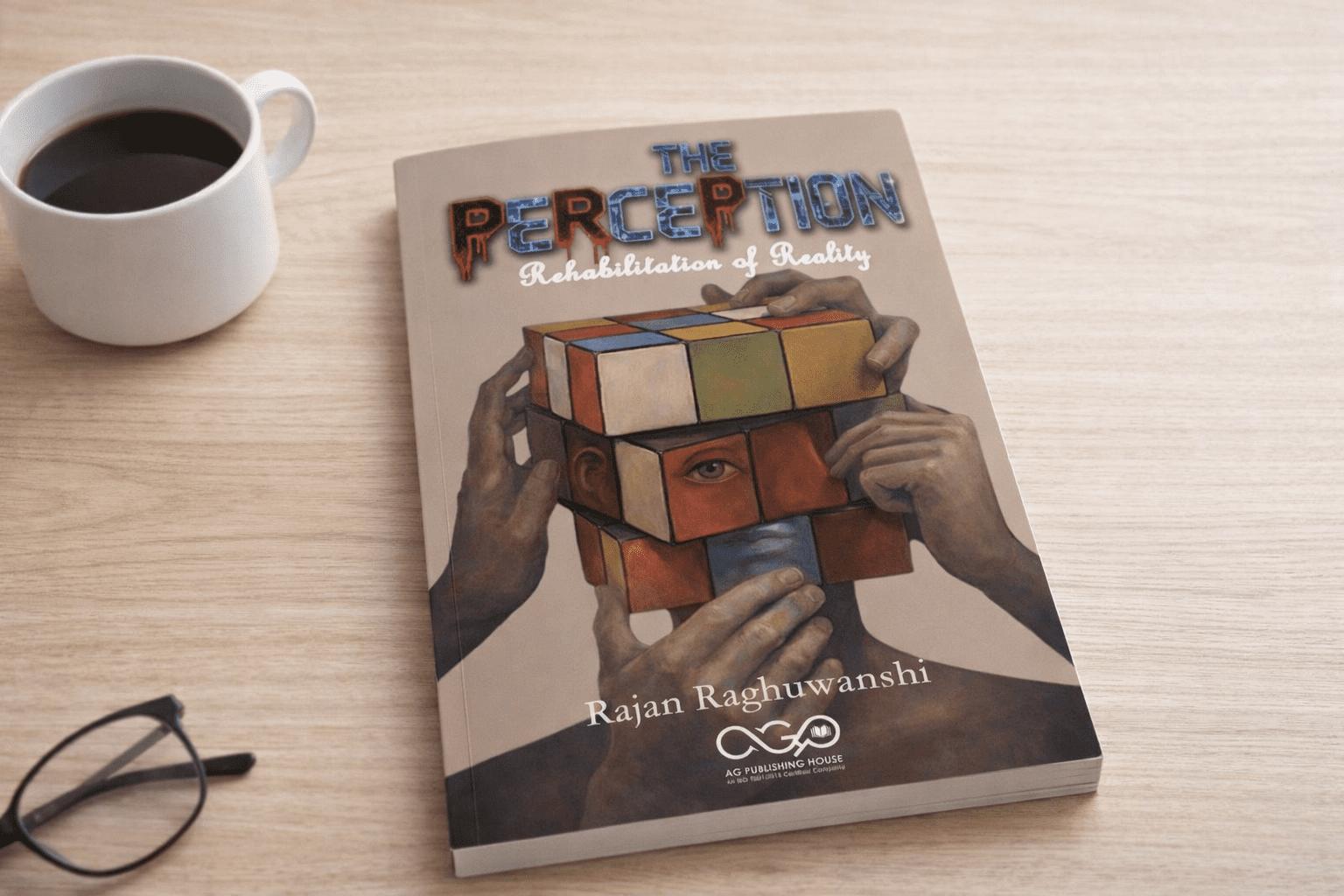
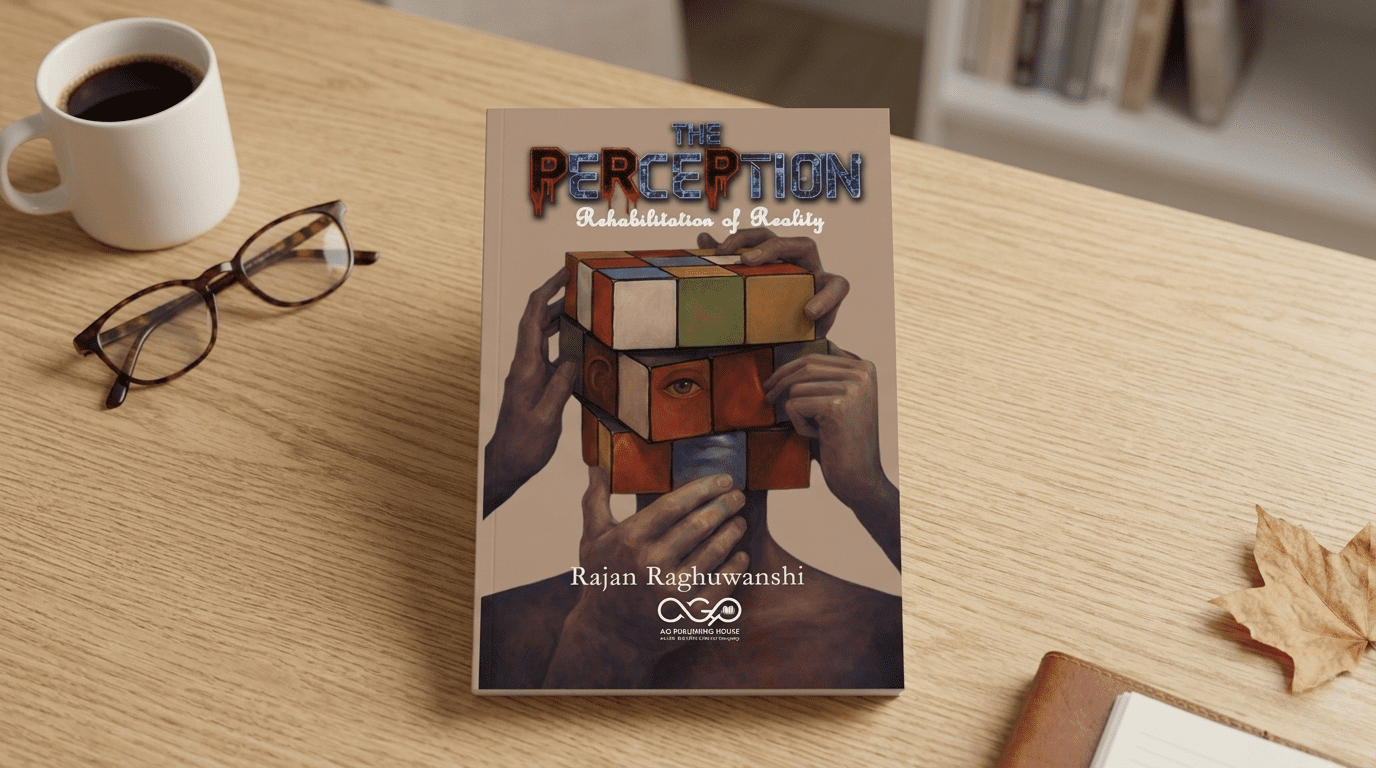
That was my experience reading The Perception: Rehabilitation of Reality by Rajan Raghuwanshi.
The premise alone stopped me.
What if justice did not punish the body but the mind?
I remember closing the book for a minute after reading that concept. Just sitting there. Thinking about prisons, crime, and the strange way human beings deal with guilt and punishment.
Honestly, the idea feels oddly relevant in 2026. Our world is filled with debates about justice systems, rehabilitation, technology, and whether institutions actually change people or simply lock them away.
This novel leans directly into those uncomfortable questions.
And it does so through a story that mixes science, psychology, politics, and deeply human emotion.
What the Book Is About
At the center of The Perception is a concept called the Perception Rehabilitation Program, often referred to in the book as PRP.
The idea is radical.
Instead of sending criminals to prison, the system places them inside a neural simulation where they experience their crimes from the perspective of the victim. They feel the fear. The helplessness. The pain. The consequences.
The belief behind the program is simple but bold.
If someone truly experiences the harm they caused, maybe they will never commit the same act again.
The novel opens with Dr. Vaasu presenting this program to government officials. The scene itself is surprisingly tense. It is not action driven tension but intellectual tension. The kind where every line of dialogue feels loaded with consequences.
Dr. Vaasu explains how the system works. Using neural simulation technology, the subject relives their actions in vivid detail. They wake up not just understanding what they did but having felt it themselves.
There is something unsettling about that idea.
On paper it sounds like reform. Almost humane compared to prisons. But at the same time it raises another question.
If the mind becomes the site of punishment, how far is too far?
The story gradually expands beyond the initial proposal. Politics enters the room. Power struggles begin. Bureaucrats debate control. Scientists argue about ethics. And ordinary lives get pulled into the orbit of this system.
One storyline follows Karan, whose life is shattered by tragedy. A heartbreaking accident involving his friend Luv becomes a defining moment in his story. The emotional weight of that moment lingers throughout the narrative.
Another thread explores the political machinery behind PRP. Government officials debate its implementation. Some see it as a revolutionary reform. Others see something far more dangerous.
What emerges is not just a thriller about technology but a larger examination of how societies define justice.
What Stood Out to Me
One thing that immediately struck me about The Perception is the ambition of the narrative.
This is not a small story.
The table of contents alone hints at a sprawling structure with multiple perspectives, political developments, investigations, and personal arcs. You move from government boardrooms to personal tragedies to philosophical debates about morality.
In my years reviewing books, I have noticed that large ideas often collapse under their own weight. Authors sometimes introduce big concepts but struggle to anchor them in human experience.
Here the emotional grounding comes through characters like Karan and Maaya.
There is a scene early in the story where Karan, his daughter Maaya, and his friend Luv share an ordinary evening. Ice cream. Laughter. Small jokes. The kind of moment every parent recognizes.
Those moments matter.
Because when tragedy strikes shortly afterward, it lands with genuine emotional force. I remember reading the accident scene and feeling that sudden drop in the stomach that good storytelling creates.
You see happiness. Then in seconds it disappears.
That contrast is powerful.
Another aspect I appreciated is the ethical tension around PRP.
Dr. Vaasu presents the program as rehabilitation rather than punishment. He speaks about empathy and transformation. But the political system surrounding him immediately begins discussing control, regulation, and influence.
That dynamic felt very real to me.
Any time a revolutionary idea appears, institutions rush to shape it. Sometimes for good reasons. Sometimes not.
The novel seems very aware of that complexity.
The Emotional Core
For me the emotional center of The Perception is the question of accountability.
Not punishment.
Accountability.
What does it really mean to understand the damage you caused?
I think about this often when reading crime stories. Characters go to prison. They serve sentences. But do they actually comprehend the human cost of their actions?
This book imagines a system where they cannot escape that understanding.
There is something almost philosophical about it.
If a person truly feels the fear and suffering they inflicted on someone else, would it change them?
Or would it simply traumatize them in a different way?
I found myself wrestling with that idea long after finishing certain chapters.
The novel also touches on grief in a very personal way through Karan’s storyline. Losing someone suddenly changes how a person sees the world. The narrative captures that emotional fracture quite well.
At the same time the book keeps expanding outward toward larger societal questions.
Who decides what justice looks like?
Can technology reform human nature?
And perhaps the most unsettling question of all.
If reality can be simulated perfectly, what counts as real experience?
Who This Book Is For
I think The Perception by Rajan Raghuwanshi will resonate most with readers who enjoy stories that mix thriller elements with philosophical questions.
If you enjoy narratives where technology intersects with ethics and politics, this novel will probably hold your attention.
Readers who like authors such as Michael Crichton or Blake Crouch may find something familiar here. Not in style necessarily but in the way a scientific idea becomes the engine of a large narrative.
At the same time the book also spends significant time exploring personal stories. So readers who appreciate character driven storytelling will likely find moments that stay with them.
That said, this might not be the right book for someone looking for a very fast paced action thriller.
The story spends time discussing ideas, policies, and moral debates. Personally I enjoyed that aspect because it gave the narrative weight. But I can imagine some readers wishing for slightly tighter pacing in certain sections.
Still, the ambition of the book is undeniable.
Final Thoughts
I always say that a book does not have to be perfect to be meaningful.
Sometimes the most interesting novels are the ones that try something big.
The Perception: Rehabilitation of Reality by Rajan Raghuwanshi is clearly one of those ambitious works. It blends science fiction, political drama, psychological exploration, and emotional storytelling into a single narrative.
What stayed with me most is the central idea behind the Perception Rehabilitation Program.
Punishment that forces empathy.
The concept feels both hopeful and frightening at the same time. Hopeful because it imagines real transformation. Frightening because it gives enormous power to whoever controls the system.
In a world increasingly shaped by technology and data, those questions feel extremely relevant.
As someone who has spent more than fifteen years reading and reviewing books, I appreciate stories that dare to wrestle with difficult ideas. This novel certainly does that.
It is the kind of book that lingers in your thoughts long after the final chapter.
And honestly, that alone makes it worth spending time with.
FAQ
Is The Perception worth reading?
If you enjoy stories that combine technology, justice, and moral dilemmas, this novel offers a fascinating premise and layered narrative.
What genre is The Perception by Rajan Raghuwanshi?
It sits somewhere between psychological science fiction, political thriller, and philosophical drama.
What is The Perception about?
The story revolves around a revolutionary justice system called the Perception Rehabilitation Program where criminals experience their crimes from the victim’s perspective.
Who should read The Perception?
Readers who enjoy big concept novels and stories that challenge how we think about morality and justice will likely find this book engaging.

With over 11 years of experience in the publishing industry, Priya Srivastava has become a trusted guide for hundreds of authors navigating the challenging path from manuscript to marketplace. As Editor-in-Chief of Deified Publications, she combines the precision of a publishing professional with the empathy of a mentor who truly understands the fears, hopes, and dreams of both first-time and seasoned writers.