
Rating:
⭐⭐⭐⭐½ (4.5 out of 5)
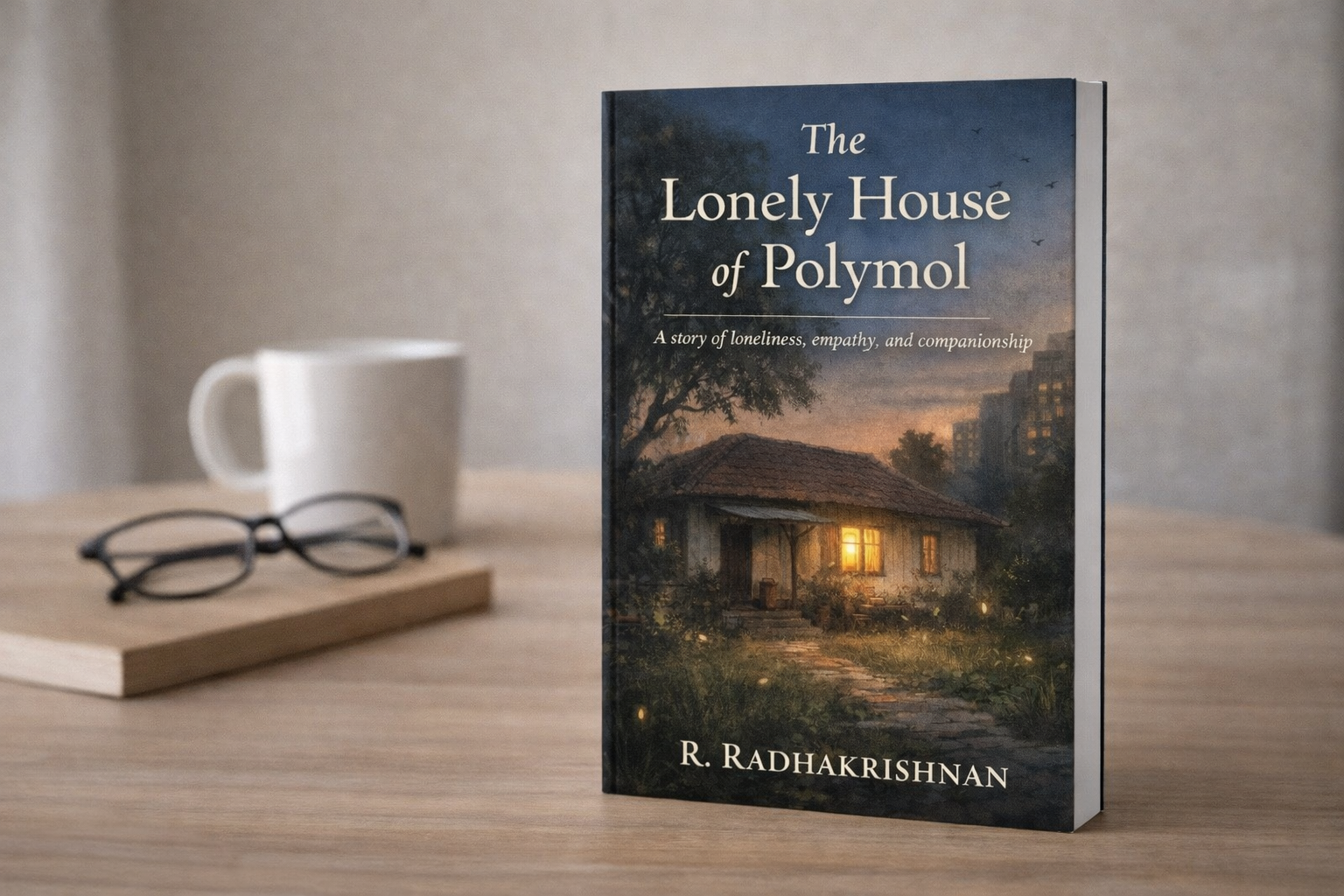
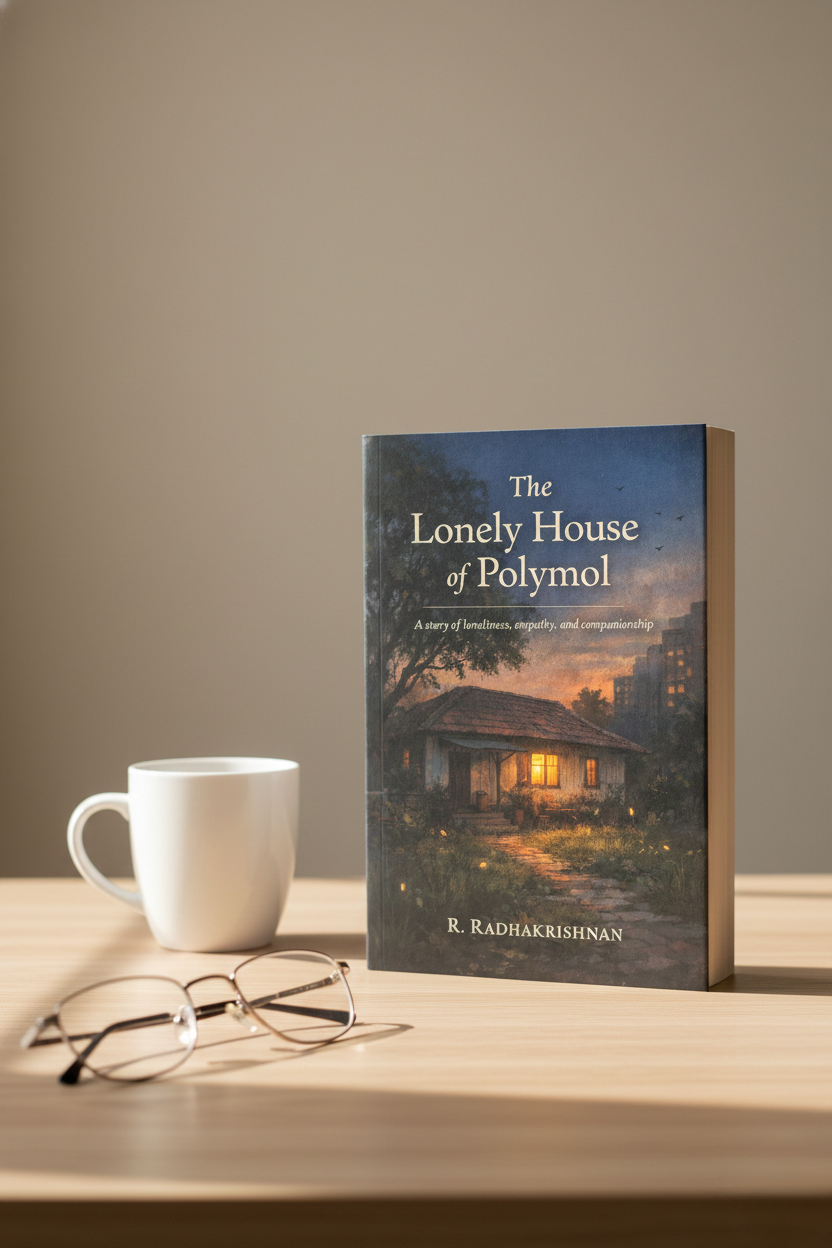
I want to start by admitting something. When I first saw the cover of The Lonely House of Polymol, I assumed I knew what kind of book it would be. A lonely house, a dim light glowing from a window, evening settling in. I thought, this will probably be atmospheric, maybe a little eerie, maybe symbolic. But as I read the blurb slowly, and then read it again, my expectations shifted. This is not really a story about a house. It is about being unseen. About what happens when life moves on without you, and you are left with too much time and too many memories.
In my years reading and reviewing fiction, I have learned that the stories that stay with me are rarely the loud ones. They are the ones that listen. This book feels like it listens.
Shankar Iyer is not introduced as a dramatic figure. He is retired. Slightly forgotten. Gently pushed aside by family, by relevance, by usefulness. That phrase stayed with me. Gently edged out of relevance. I have seen this happen in real life. In homes. In conversations that stop including someone because it is easier not to explain things anymore.
This book begins from that emotional place, and it never rushes out of it.
What the Book Is About
At its surface, The Lonely House of Polymol has an unusual premise. A retired man moves into a neglected house that everyone avoids. The house is inhabited by a spirit that has driven away every previous resident. But Shankar does not leave. Not because he is brave or reckless, but because he has nothing left to lose.
That distinction matters.
Shankar’s wife and children are in Delhi. They call occasionally. They remember him when something is required. Otherwise, life goes on. With limited money and limited choices, he settles into this house in Kochi, Kerala. A place surrounded by gardens and streets and normal life, yet isolated by whispers and fear.
The spirit in the house is nameless, genderless, and accustomed to being feared. Until Shankar stays. Until he speaks. He talks into the silence, not expecting answers. He talks about his childhood, his responsibilities, the life he lived, the compromises he made, and the disappointments that followed him quietly into old age.
And slowly, something changes.
The spirit listens. Learns. Eventually speaks. Polymol becomes more than an entity meant to scare people away. A bond forms, not through drama, but through shared loneliness. Through being heard.
What unfolds is not a ghost story in the traditional sense. It is a story about companionship forming in the most unexpected place. About empathy bridging the gap between two beings who were both abandoned in different ways.
What Stood Out to Me
What stood out to me most is the restraint in the writing, based on the blurb and tone. R Radhakrishnan does not appear interested in spectacle. The supernatural element is present, but it is not the point. Polymol exists to hold a mirror to Shankar’s life, and perhaps to our own discomfort with aging, irrelevance, and solitude.
I also appreciated how aging is handled here. Shankar is not portrayed as bitter or self pitying. He is reflective. Honest. A little tired. That feels true to life. Aging, in this story, is not tragedy. It is accumulation.
The setting of Kochi feels important too. The mention of gardens, birdsong, fading light. These details suggest a lived in world that continues even when individuals feel left behind by it. I could almost see Shankar sitting inside the house, listening to life go on outside.
There is also something deeply humane about naming the spirit. Polymol. Naming is an act of recognition. It says you exist. You matter enough to be addressed. That moment alone carries emotional weight.
The Emotional Core
Emotionally, this book feels tender. It speaks to anyone who has ever felt unnecessary. Anyone who has felt like their usefulness expired before their life did.
I kept thinking about older relatives who slowly stop being asked for opinions. Who are loved, but not consulted. Remembered, but not included. This story captures that ache without dramatizing it.
The companionship between Shankar and Polymol is not romanticized. It is built through conversation, listening, and shared presence. That makes it powerful. It suggests that being heard can sometimes matter more than being remembered.
There is also empathy here for the spirit. Polymol is not evil. Polymol is trapped. Lonely. Accustomed to rejection. In that sense, both characters mirror each other.
Some parts of this story might feel slow for readers used to plot driven narratives. But that pace feels intentional. Loneliness is not fast. It stretches. It settles. It repeats itself.
Who This Book Is For
The Lonely House of Polymol is for readers who enjoy character driven literary fiction. If you are drawn to stories about aging, solitude, and human connection, this will resonate.
This book may not work for readers looking for action, suspense, or horror elements. The supernatural aspect is gentle and symbolic rather than frightening.
Readers who appreciate Indian settings rooted in everyday life will find Kochi beautifully present here, not as a tourist backdrop but as a lived space.
If you enjoy stories that sit with you and invite reflection, this book is worth your time.
Final Thoughts
As Editor in Chief at Deified Publication, I often look for stories that expand empathy. Stories that help readers understand lives very different from their own without preaching. The Lonely House of Polymol feels like one of those rare books.
It is about loneliness, yes. But it is also about dignity. About finding relevance not through productivity, but through presence. About the simple, profound act of listening.
There are moments where the narrative may feel understated, and some readers may wish for more external conflict. But I think that would have diluted what this story does best.
This novel reminds us that even the most avoided houses can become homes when someone chooses to stay.
FAQ Section
Is The Lonely House of Polymol worth reading?
Yes, especially if you enjoy reflective literary fiction centered on human connection.
Who should read The Lonely House of Polymol?
Readers interested in stories about aging, loneliness, empathy, and companionship.
What is The Lonely House of Polymol about?
It follows a retired man who forms an unexpected bond with a spirit while navigating solitude and relevance.
Is this a horror novel?
No. The supernatural element supports emotional themes rather than fear.

With over 11 years of experience in the publishing industry, Priya Srivastava has become a trusted guide for hundreds of authors navigating the challenging path from manuscript to marketplace. As Editor-in-Chief of Deified Publications, she combines the precision of a publishing professional with the empathy of a mentor who truly understands the fears, hopes, and dreams of both first-time and seasoned writers.