
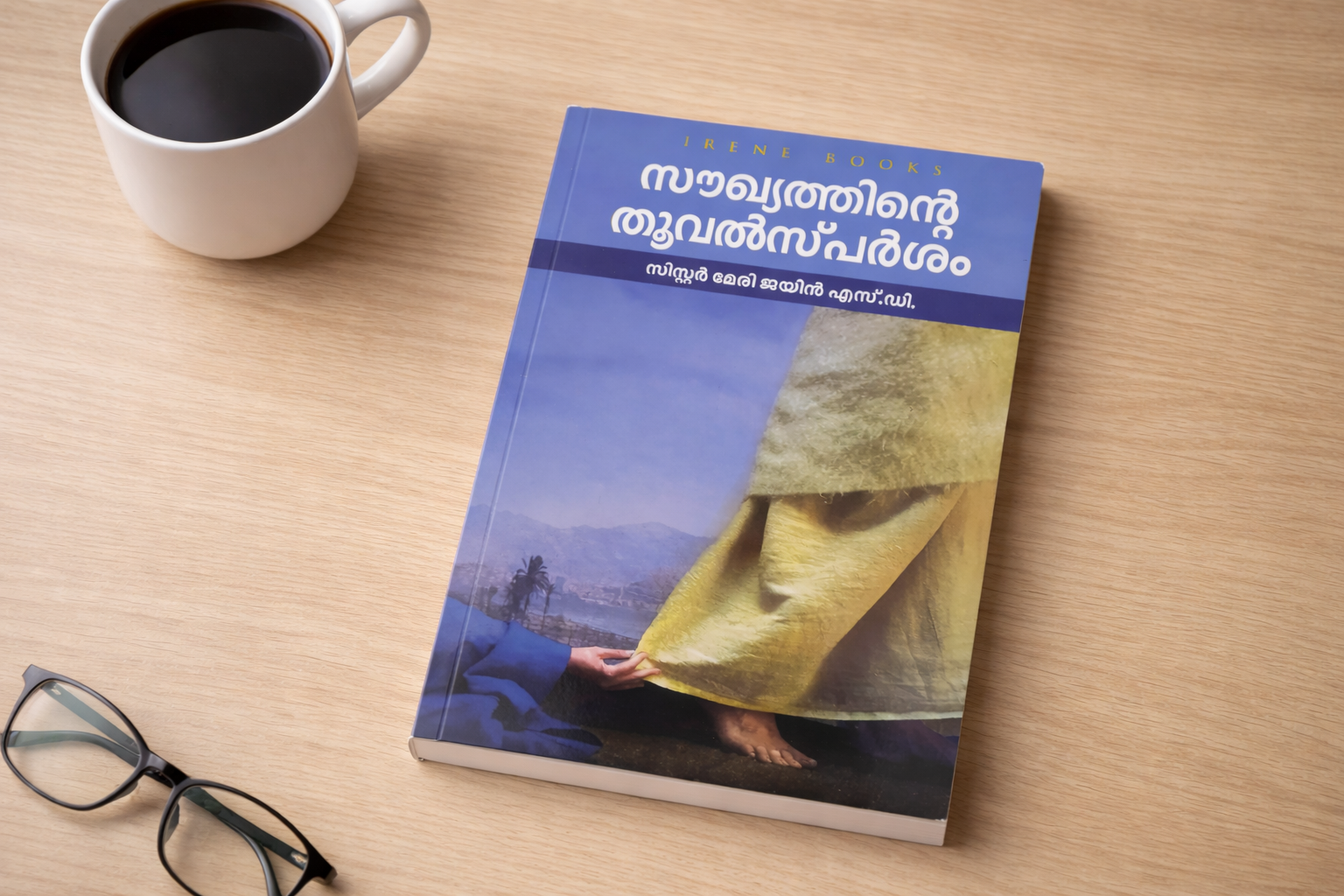
Rating:
⭐⭐⭐⭐ (4.5 out of 5)
I want to begin this honestly.
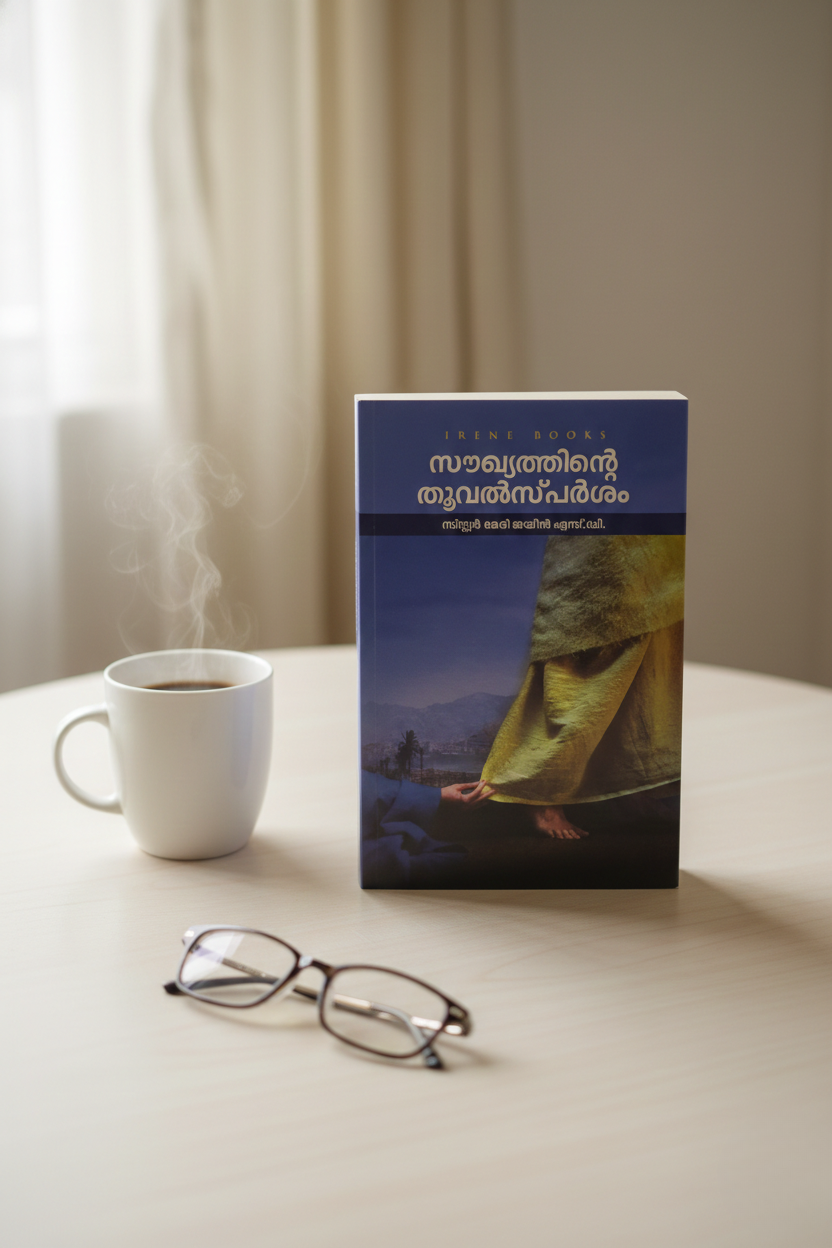
When I first held സൗഖ്യത്തിന്റെ തൂവൽസ്പർശം, I didn’t feel like I was picking up a “book” in the usual sense. It felt more like entering a prayer room where someone has already been crying, hoping, waiting. I’ve been reading for over fifteen years now, across genres and languages, and I can usually tell within a few pages what kind of reading experience I’m stepping into. This one asked me to slow down almost immediately.
As Editor-in-Chief at Deified Publication, I read many manuscripts that speak about healing. Very few speak from healing. This book does.
What the Book Is About
Soukyathinte Thooval Sparsham can loosely be described as a Christian spiritual reflection on healing, but that description feels insufficient. It is not a medical guide. It is not a motivational manual. It is not even strictly a theological treatise.
Instead, Sister Mary Jain S.D. writes from a place where faith meets wounded human bodies and exhausted minds.
The chapters are structured almost like meditative stations. Each one addresses a dimension of suffering and restoration, drawing from Scripture, lived pastoral encounters, prayer experiences, and deep interior reflection. There are moments where biblical verses are not explained academically but lived through stories. A sick child. A mother collapsing under grief. A body responding to prayer not as spectacle, but as mystery.
What struck me is how consistently the book returns to one idea: healing begins in the inner space. The author speaks about thoughts becoming illness, fear turning into physical burden, and how surrender is not weakness but release. This theme runs steadily from early chapters on emotional wounds to later sections that reflect on bodily healing and spiritual liberation.
What Stood Out to Me
The first thing that stood out is the tone. This is not an author trying to convince. Sister Mary Jain S.D. never pushes belief aggressively. She speaks like someone who has sat beside hospital beds, listened to confessions, held hands during fear. That lived compassion comes through clearly.
There are chapters that focus deeply on fear, negative thought patterns, and interior unrest, linking them to physical and spiritual suffering. I’ve read similar ideas before, but here they are written with gentleness. The book repeatedly emphasizes that healing is not punishment reversed, but relationship restored.
Another thing that stayed with me is how openly the book addresses trauma, including abuse, grief, and abandonment. These are not brushed aside with quick prayers. The author acknowledges how long pain lingers in the body and memory, and how prayer often begins as silence before it becomes words.
From a craft perspective, the pacing is slow by design. This is not something to be rushed. Some readers may find repetition, but I felt that repetition mirrored prayer itself. The same truth, returned to again and again, from different angles.
The Emotional Core
Emotionally, this book is heavy but not hopeless. I found myself pausing often. There were sections where I had to step away because the pain described felt familiar. Anyone who has lived near illness, caregiving, or long waiting will recognize these emotional textures.
What moved me most is that healing here is not presented as guaranteed outcomes. The author is careful. She writes about faith without bargaining. Sometimes healing comes as strength. Sometimes as peace. Sometimes as acceptance.
There is a deep respect for human fragility throughout. The body is not treated as enemy. Nor is suffering romanticized. Instead, the book keeps returning to presence. To touch. To prayer that holds rather than demands.
Honestly, some parts stayed with me longer than I expected.
Who This Book Is For
This book is not for everyone, and I think that honesty matters.
This is for readers who are:
-
rooted in Christian faith or open to Christian spirituality
-
caregivers, nurses, doctors, pastors, or family members walking beside illness
-
people who carry long-term emotional or physical wounds
-
readers who are comfortable with reflective, prayerful prose
If someone is looking for quick fixes or dramatic healing stories, this may feel slow. But if someone is searching for meaning inside suffering, this book offers companionship rather than answers.
Final Thoughts
In my years reviewing books, I’ve learned to trust the ones that don’t shout. Soukyathinte Thooval Sparsham does not raise its voice. It listens. It waits. It sits beside you.
There are moments where the language becomes dense, and yes, some sections repeat ideas. But that feels intentional, almost liturgical. This is not written to impress. It is written to serve.
I closed the book feeling less alone with pain. And that, to me, is a quiet achievement.
FAQ – Real Questions Readers Ask
Is Soukyathinte Thuval Sparsham worth reading?
If you’re drawn to spiritual reflections grounded in real experience, yes. Especially if you’re in a season of waiting or healing.
What genre does this book fall under?
Christian spiritual non-fiction, devotional reflection, faith-based healing narratives.
Do you need a strong religious background to read it?
A basic familiarity with Christian themes helps, but the emotional experiences are universal.
Who should read this book?
Readers seeking comfort, reflection, and faith-rooted encouragement rather than quick solutions.
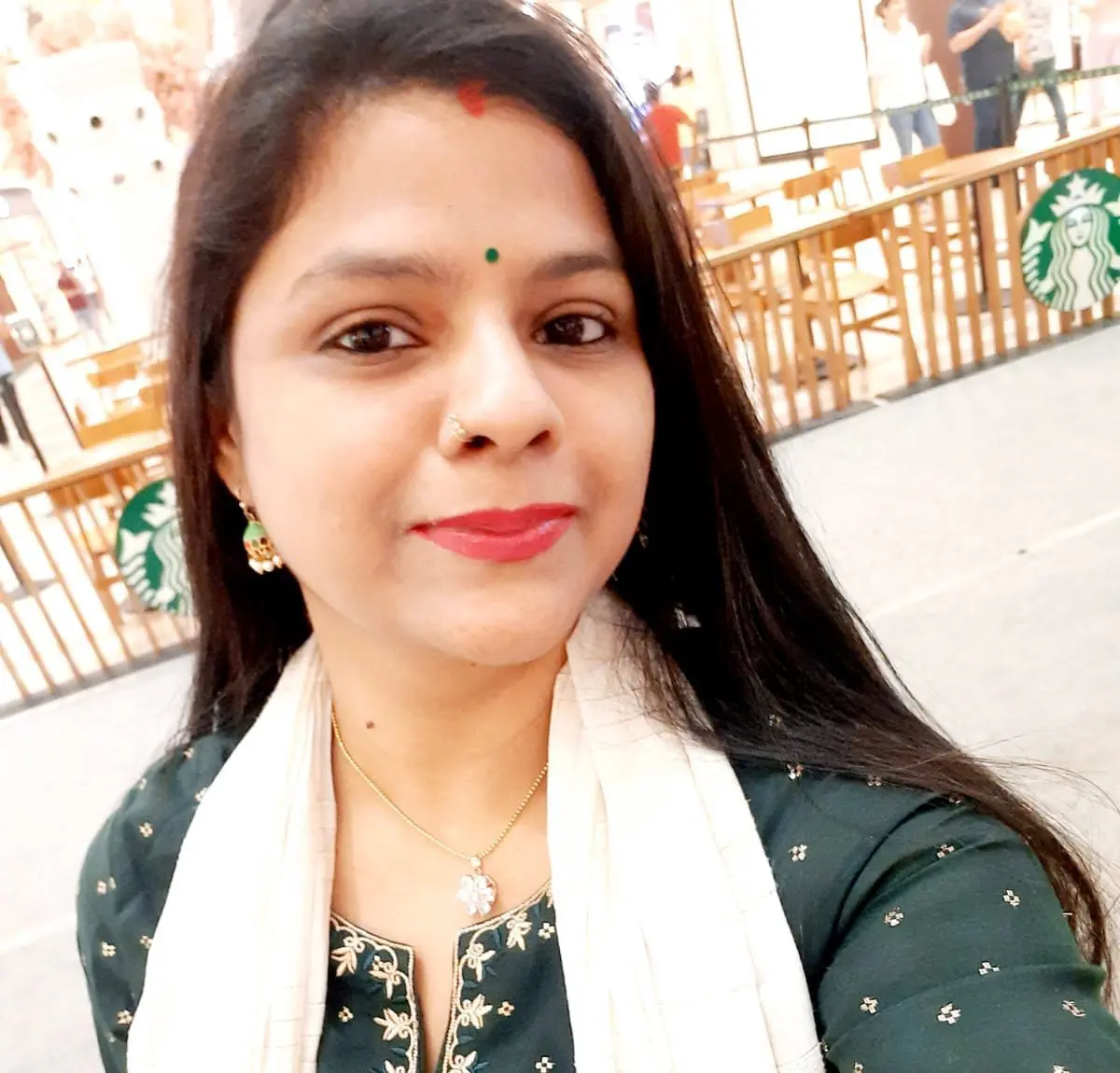
With over 11 years of experience in the publishing industry, Priya Srivastava has become a trusted guide for hundreds of authors navigating the challenging path from manuscript to marketplace. As Editor-in-Chief of Deified Publications, she combines the precision of a publishing professional with the empathy of a mentor who truly understands the fears, hopes, and dreams of both first-time and seasoned writers.