
Rating
⭐⭐⭐⭐ (4.3 out of 5)
In my years as an editor at Deified Publication, I’ve read countless books about entrepreneurship. Some are loud. Some are overly polished. Many promise formulas that feel suspiciously neat. And then, once in a while, a book comes along that feels less like a lecture and more like a long conversation with someone who has actually lived the chaos.
That’s how I felt looking at Risepreneur by Bhanu Pratap Singh and Richa Dahiya.
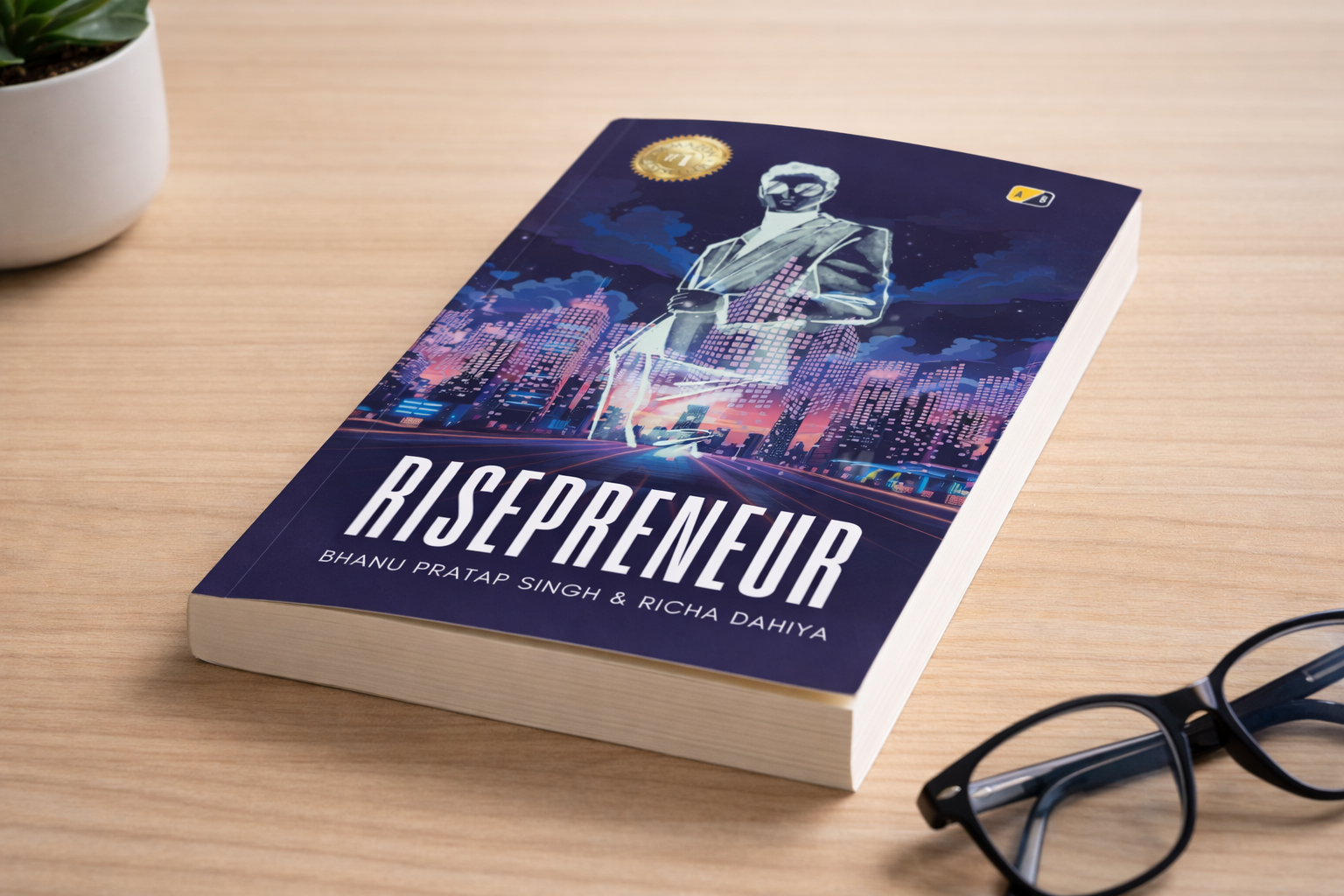
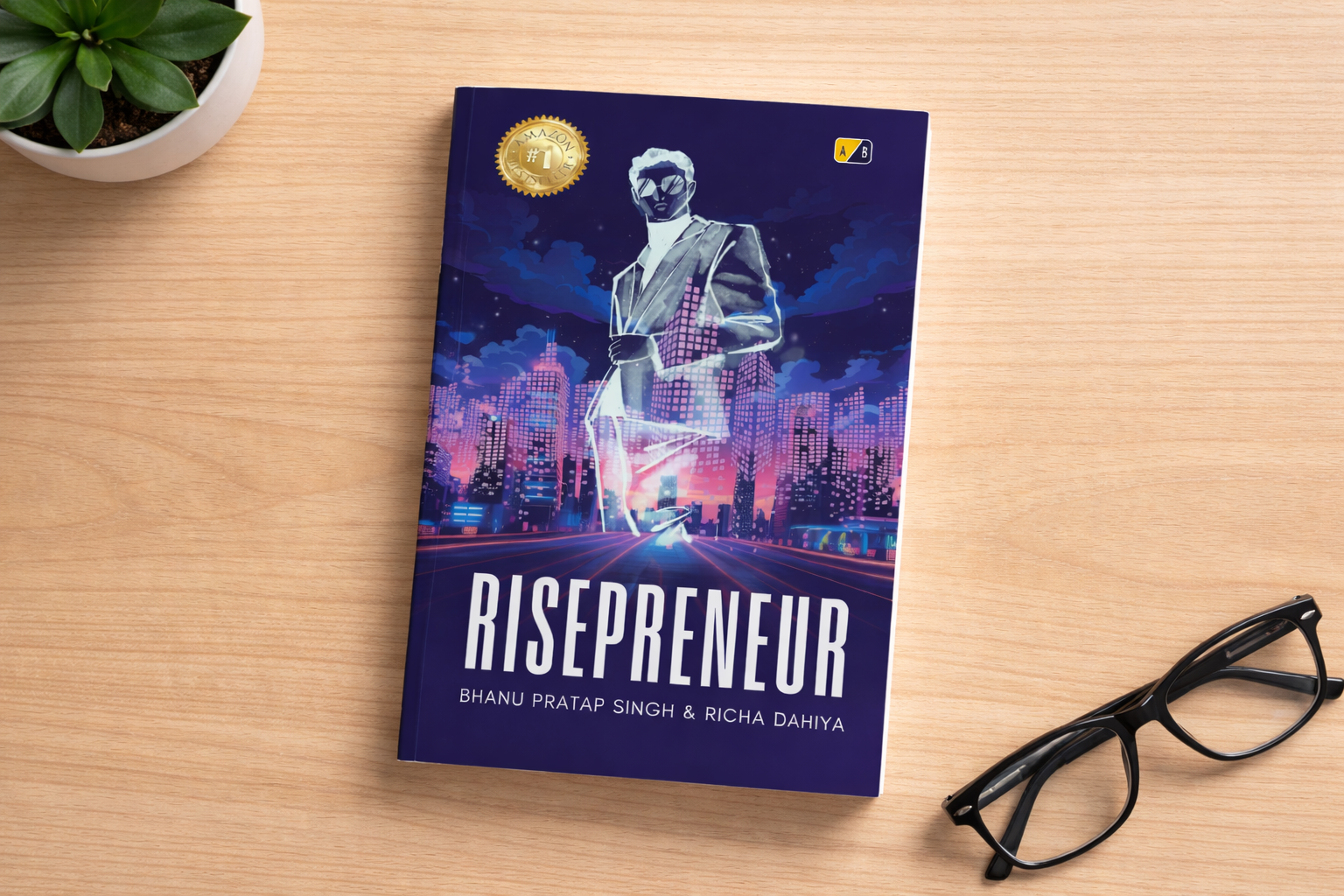
Even before reading deeply, the tone suggested something personal. The cover itself tells a story. A lone figure in a glowing suit standing over a neon city, not triumphant exactly, but steady. Not shouting success, just… present. I found myself staring at it longer than I expected. It made me think of how entrepreneurship often looks glamorous from far away and exhausting up close.
And honestly, in 2026, when so many people are questioning what success actually means, a book about building with purpose feels very timely.
What the Book Is About? Not Just Business, Something More Personal
From the description and author background, this isn’t a traditional “how to build a startup in ten steps” kind of book. It’s structured around the journeys of three ventures across fashion, agriculture, and education. That choice alone caught my attention. Most business books stay in the tech or corporate lane. This one intentionally moves into spaces that touch everyday life.
Fashion speaks to identity. Agriculture to survival. Education to transformation. That triad feels deliberate, almost symbolic.
Bhanu Pratap Singh’s own journey from government service to founding multiple purpose-driven ventures seems to anchor the narrative. There’s something inherently relatable about reinvention. Many readers I speak to are not fresh graduates chasing unicorn startups. They’re professionals wondering if it’s too late to start again. This book appears to speak directly to them.
Richa Dahiya’s presence adds another dimension. Her work around self-discovery and clarity suggests the book is not purely external. It seems to ask internal questions too. Not just “What should you build?” but “Why are you building it?”
The phrase that stayed with me from the blurb was about leaving something better behind. It sounds simple. But it’s actually a heavy idea. It implies responsibility, not just ambition.
What Stood Out to Me – The Tone of Lived Experience
I’ve read enough entrepreneurship literature to recognize when something is written from theory versus experience. This feels grounded in the latter.
There’s an emphasis on impact, sustainability, and accessibility. Those words get thrown around a lot these days, but here they seem connected to real ventures rather than abstract ideals. The agriculture component, especially, intrigues me. Farming is one of the toughest arenas for entrepreneurship, particularly in India. If the book captures that honestly, it could be very powerful.
Another thing that stood out is the absence of hyperbole. The testimonials mention relatability. That word matters. Most entrepreneurs don’t feel like superheroes. They feel like people constantly figuring things out while pretending they know what they’re doing.
I also appreciate that the authors come from varied professional backgrounds. Government service, IT, education, investment banking. That cross-disciplinary perspective often leads to richer insights. It reminds me of conversations I’ve had with founders who didn’t start in business schools but in classrooms, offices, or even completely unrelated careers.
The visual language of the cover, futuristic yet solitary, reinforces the idea that entrepreneurship is as much about endurance as it is about innovation.
The Emotional Core – Why It Might Resonate
If I had to guess what sits at the heart of this book, it’s the tension between ambition and meaning.
Many people chase success only to realize later they don’t feel fulfilled. Others want to do meaningful work but fear financial instability. A book that tries to bridge those two desires can be deeply comforting.
I kept thinking about young professionals I mentor who feel stuck between safe careers and bigger dreams. They don’t necessarily want fame or massive wealth. They want to matter. They want to build something that reflects their values.
This book seems to validate that desire instead of dismissing it as naive.
There’s also something quietly reassuring about stories of reinvention. Bhanu Pratap Singh’s move from government officer to entrepreneur suggests that paths don’t have to be linear. Life rarely is.
And Richa Dahiya’s role hints at emotional grounding. Entrepreneurship is not just spreadsheets and strategy. It’s doubt, exhaustion, fear, and occasionally loneliness. A perspective that acknowledges inner clarity alongside external growth could make readers feel less alone.
I imagine parts of this book might feel like someone saying, “You’re not crazy for wanting more. But you also don’t have to destroy yourself to get it.”
Who This Book Is For – And Who It Might Not Be
I think Risepreneur will resonate most with readers who are in transition.
If you’re considering starting something of your own, especially something purpose-driven, this could feel encouraging. Not in a loud motivational way, but in a steady, grounded way.
Mid-career professionals will likely see themselves reflected here. So will educators, social entrepreneurs, and anyone interested in sustainable development.
It may also appeal to students who don’t relate to Silicon Valley narratives but want to create impact locally. The focus on fashion, agriculture, and education makes the ideas feel rooted in real communities.
That said, if someone is looking for a purely tactical manual with checklists and step-by-step frameworks, this might not satisfy them completely. From what I can tell, the strength of the book lies in perspective rather than procedure.
And honestly, that’s not a flaw. Just a difference in intention.
Final Thoughts – A Quietly Encouraging Book
After reflecting on Risepreneur, I don’t see it as a book trying to impress. It feels like a book trying to guide.
Not every business story needs dramatic highs or shocking failures to be meaningful. Sometimes the most valuable stories are the ones that show persistence over time. Building something slowly. Thoughtfully. Imperfectly.
What I appreciate most is the emphasis on purpose without dismissing practicality. Too many books swing to extremes. Either ruthless profit-chasing or idealism detached from reality. This one appears to stand somewhere in the middle.
As someone who has watched countless aspiring authors, founders, and dreamers wrestle with uncertainty, I can say this kind of message matters. It reminds people that success can be redefined, that impact doesn’t have to be grand to be meaningful, and that reinvention is always possible.
Is it perfect? Probably not. No book is. I suspect some readers may wish for more concrete case studies or deeper operational details. But emotionally and philosophically, it seems sincere. And sincerity travels farther than perfection.
If you’re standing at a crossroads, wondering whether to play safe or build something that reflects who you really are, this book might feel like a calm voice beside you.
Not telling you what to do. Just reminding you that you can.
FAQs
Is Risepreneur worth reading in 2026?
Yes, especially now when many people are rethinking work and purpose. The themes feel current and relevant.
Who should read Risepreneur?
Aspiring entrepreneurs, mid-career professionals considering a shift, and readers interested in impact-driven ventures.
Is this a practical business guide or a story-based book?
More story-driven and reflective, with lessons emerging from real experiences rather than rigid frameworks.
Do you need business experience to understand it?
Not necessarily. The focus on purpose and personal growth makes it accessible to a wide audience.

With over 11 years of experience in the publishing industry, Priya Srivastava has become a trusted guide for hundreds of authors navigating the challenging path from manuscript to marketplace. As Editor-in-Chief of Deified Publications, she combines the precision of a publishing professional with the empathy of a mentor who truly understands the fears, hopes, and dreams of both first-time and seasoned writers.