
Rating:
⭐⭐⭐⭐ (4.2 out of 5)
A small story that kept coming back to me
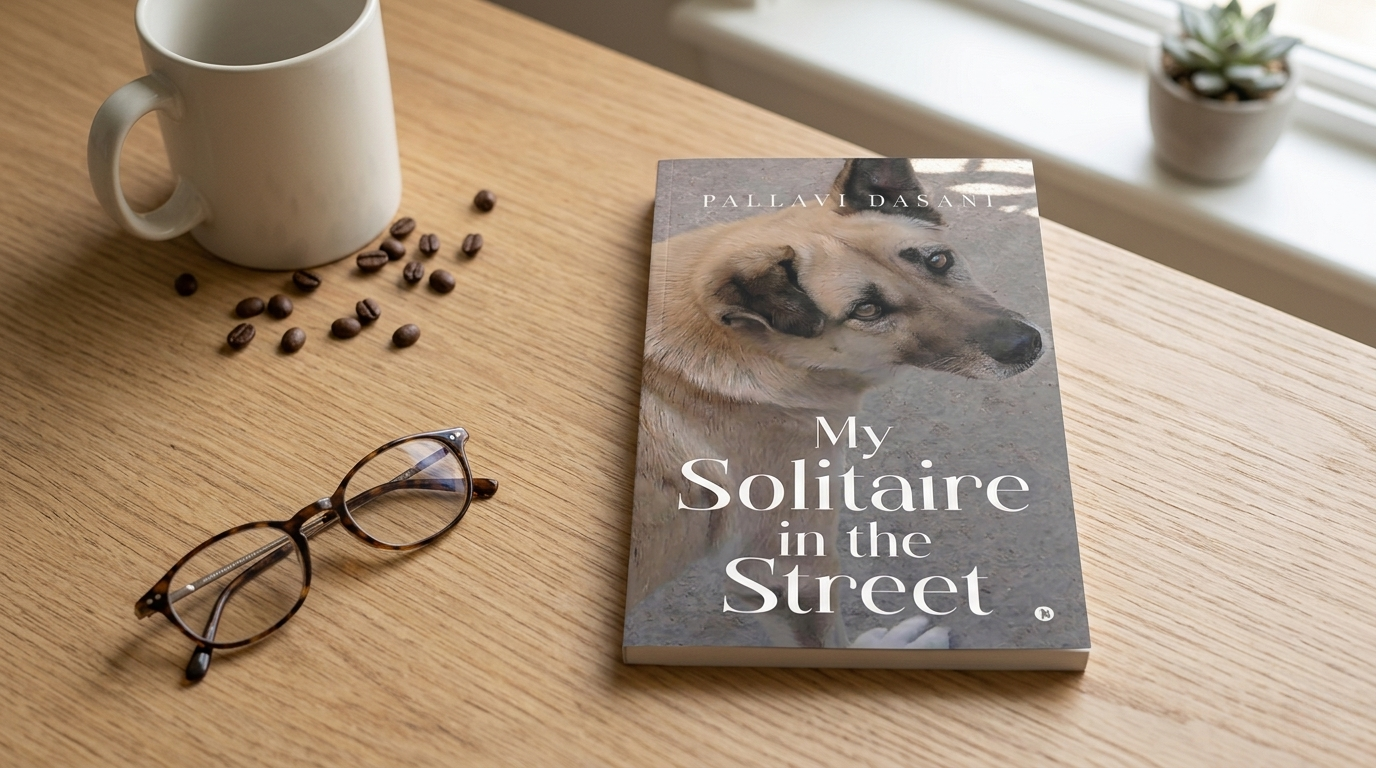
I finished My Solitaire in the Street a couple of days ago, and I keep thinking about one simple image from it. A dog sitting on a sand pile, watching everything, belonging to everyone and yet to no one.
It sounds like such a small thing, right? But somehow it stayed with me. Maybe because I have seen similar dogs in lanes I’ve lived in. The kind who are not yours, but somehow become part of your life anyway.
In my years of reading and reviewing books, I have come across many stories that try to be big, dramatic, loud. This one is not trying to do that. It moves gently. It sits beside you. And then, without you realizing, it starts asking you uncomfortable questions about attachment, about love, about what we keep and what we leave behind.
And honestly, I wasn’t expecting that.
What the Book Is About? More than just a story about a dog
At the surface, My Solitaire in the Street by Pallavi Dasani is the story of a school teacher living a fairly settled life. She has a family, routines, responsibilities. The kind of life many people would call complete.
But there is this parallel thread running quietly through her life. Her fascination with diamonds, especially solitaire. And then, her bond with a community dog named Raju.
Now this is where the book starts doing something interesting.
The story moves through phases of her life. Settling in Hyderabad, building a home, raising children, managing the rhythm of daily life. Alongside this, there is her growing connection with a spiritual center, where she begins attending meditation sessions and discourses.
And then comes Raju.
Raju is not just a dog in the story. He becomes a presence. A companion. Almost like a silent teacher. He walks with her, waits for her, protects the lane, forms relationships with people, and slowly becomes a constant in her life.
There are small episodes that build this relationship. Raju helping a newspaper boy. Raju guarding the lane from suspicious strangers. Raju getting injured while protecting the residents.
And then life moves, as it always does.
The narrator moves to a new home. And suddenly, this bond that felt permanent is left behind.
The title starts making sense here. The “solitaire” is not just the diamond she desired. It becomes something else entirely. Something more emotional. Something she could never really possess.
What Stood Out to Me? The way ordinary life is written
I think what stayed with me most was how normal everything feels.
There is no attempt to dramatize. No exaggerated emotional scenes. The writing feels like someone telling you their life over a cup of tea. Sometimes wandering, sometimes reflective, sometimes unexpectedly sharp.
There’s this early part where she talks about life being a mix of monotony, excitement, and unfulfilled moments. I paused there. Because that line, in its simplicity, felt very real.
Then there’s her obsession with diamonds. At first, it almost feels like a material desire. But as the story unfolds, it becomes symbolic. The idea of wanting something perfect, something lasting, something that feels like it belongs only to you.
And then you have Raju. Who is the exact opposite of that idea.
He belongs to everyone. He cannot be owned. He comes and goes on his own terms. He is deeply loyal, yet completely free.
There’s this beautiful contradiction in the book. On one side, a desire to possess. On the other, a relationship that exists without possession.
Also, I have to mention the small details.
Raju sitting on a sand pile like a king.
Raju waiting outside the mall.
Raju helping deliver newspapers.
Raju reacting to strangers.
These are not big plot points. But they build a kind of emotional familiarity. You start feeling like you know this dog.
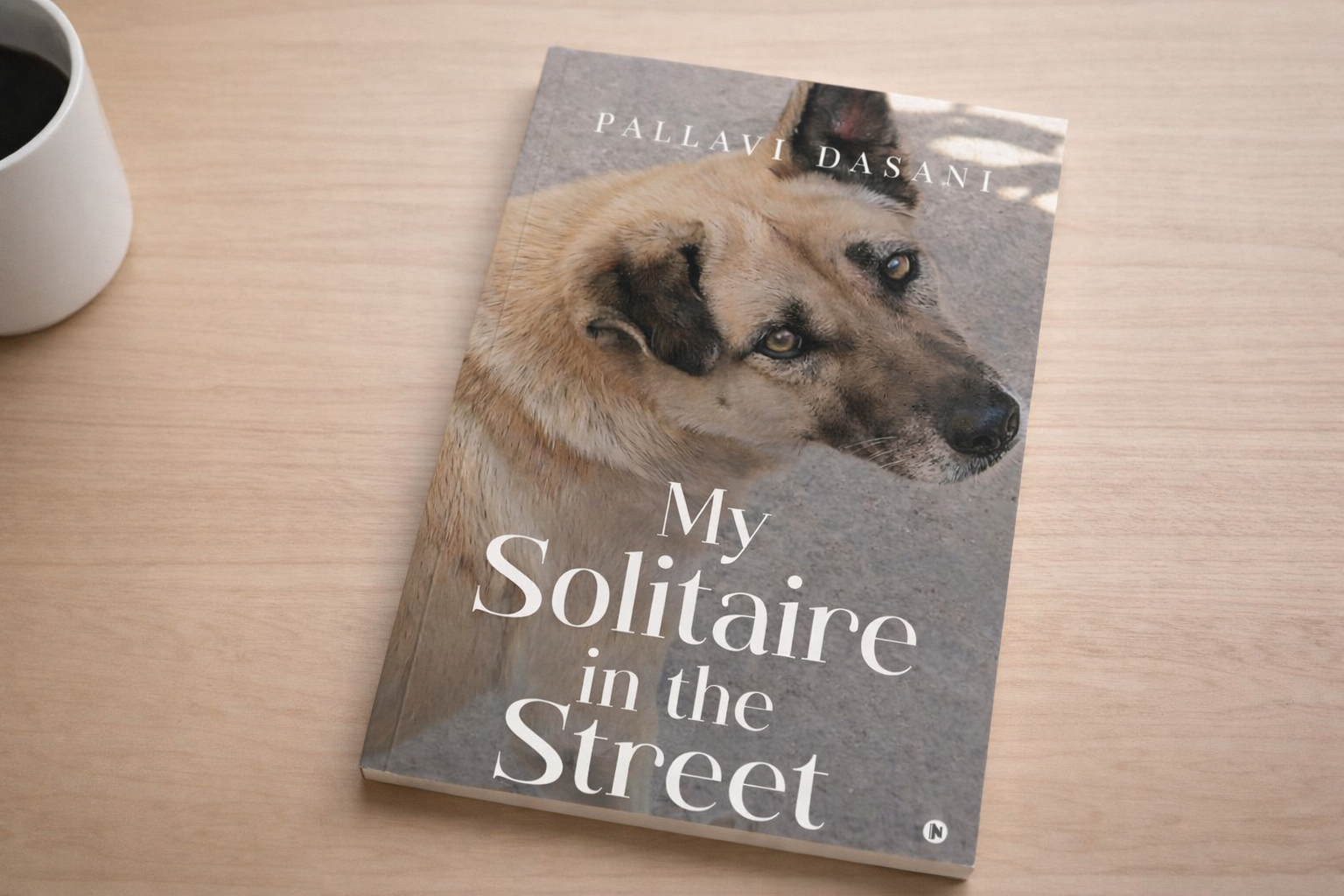
And I really appreciated the inclusion of the dog photographs and sketches. They add something visual, something grounding. It makes Raju feel even more real, almost like flipping through someone’s personal album rather than reading a distant story.
The Emotional Core – What it does to you
This is not a book that will hit you all at once. It’s slower than that.
It settles in gradually.
For me, the emotional shift happened towards the later chapters. Especially when the narrator has to leave the old home. That quiet realization that Raju will not come along. That he belongs to that space, that lane, that life.
There’s a moment where she sees him again before leaving. And you can feel that mix of love, helplessness, and acceptance.
I won’t say I cried. But I did sit there for a while after finishing that section.
Because it made me think of all the things we leave behind without properly acknowledging them. Not just people. Places. Animals. Phases of life.
There’s also this underlying spiritual thread in the book. Her visits to the meditation center, her reflections on desires, fulfillment, and what it means to live a balanced life.
At one point, she questions whether one has to give up desires to grow spiritually. Or whether a fulfilled life can also lead to goodness.
That question stayed with me. I don’t think the book tries to answer it directly. It just places it in front of you and lets you sit with it.
And maybe that’s why it works.
Who This Book Is For? And who might not connect
I think this book will resonate deeply with:
- People who have lived in close-knit colonies or neighborhoods
- Anyone who has formed a bond with a stray or community animal
- Readers who enjoy reflective, personal storytelling
- Those who like gentle, introspective narratives rather than fast-moving plots
If you are someone who looks for heavy twists, intense drama, or complex storytelling structures, this might feel a bit slow for you.
Also, the writing style is simple and sometimes slightly uneven in flow. As an editor, I did notice moments where the pacing could have been tighter or certain passages could have been refined.
But strangely, that imperfection also adds to its authenticity. It feels less like a polished performance and more like a lived experience being shared.
Final Thoughts – A small book with a lingering presence
In 2026, when everything feels rushed, optimized, and constantly demanding attention, reading something like My Solitaire in the Street feels a bit like stepping back into a quieter space.
It doesn’t try to impress you. It just tells you a story.
And somewhere along the way, it reminds you of your own stories.
Of the people, animals, and moments you didn’t realize were shaping you.
Of the things you wanted to keep forever but couldn’t.
And maybe that’s what this book really is.
Not just a story about a dog. Not even just about a woman’s life.
It’s about that strange, human tendency to search for something permanent in a world where everything eventually moves on.
And sometimes, what we thought was ours… was never meant to be owned in the first place.
FAQ
Is My Solitaire in the Street worth reading?
Yes, especially if you enjoy emotional, reflective stories rooted in everyday life. It’s simple but leaves a lasting impression.
What is My Solitaire in the Street about?
It follows a school teacher’s life, her inner reflections, and her deep bond with a community dog named Raju, blending themes of desire, attachment, and spirituality.
Who should read this book?
Readers who enjoy calm, introspective narratives and stories about human and animal connections will connect deeply with it.
Is this book emotional?
Not in a dramatic way. It builds emotion slowly and stays with you even after you finish reading.

With over 11 years of experience in the publishing industry, Priya Srivastava has become a trusted guide for hundreds of authors navigating the challenging path from manuscript to marketplace. As Editor-in-Chief of Deified Publications, she combines the precision of a publishing professional with the empathy of a mentor who truly understands the fears, hopes, and dreams of both first-time and seasoned writers.