
Rating:
⭐⭐⭐⭐ (4.7 out of 5)
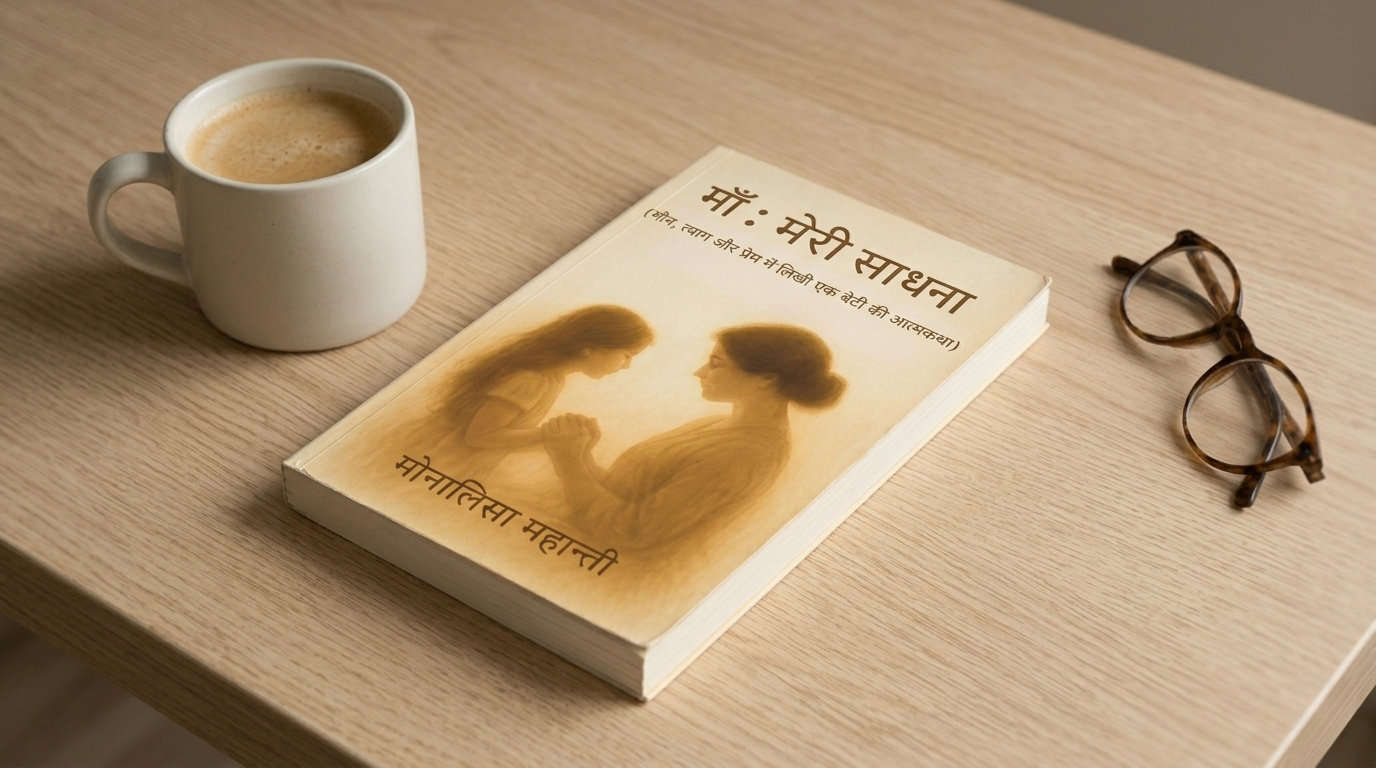
I don’t think I was prepared for how personal this book would feel.
Maa Meri Sadhna by Monalisa Mohanty is one of those books where, after a few pages, you stop reading it as someone else’s story. It starts feeling like something you’ve lived too, in some quiet corner of your own life.
I was sitting with a cup of chai when I began reading it, and there’s this line early on where the author says that sometimes one word can change the meaning of your whole life, and for her that word is “माँ”. I paused there. Because honestly, I’ve seen that happen. In so many lives.
In my years at Deified Publication, I’ve read countless memoirs and emotional narratives. But there’s something different when the writing comes from a place that doesn’t feel crafted, but felt. This book has that kind of honesty.
It’s not trying to impress you. It’s trying to remember someone.
And maybe, help you remember your own mother too.
What the Book Is About
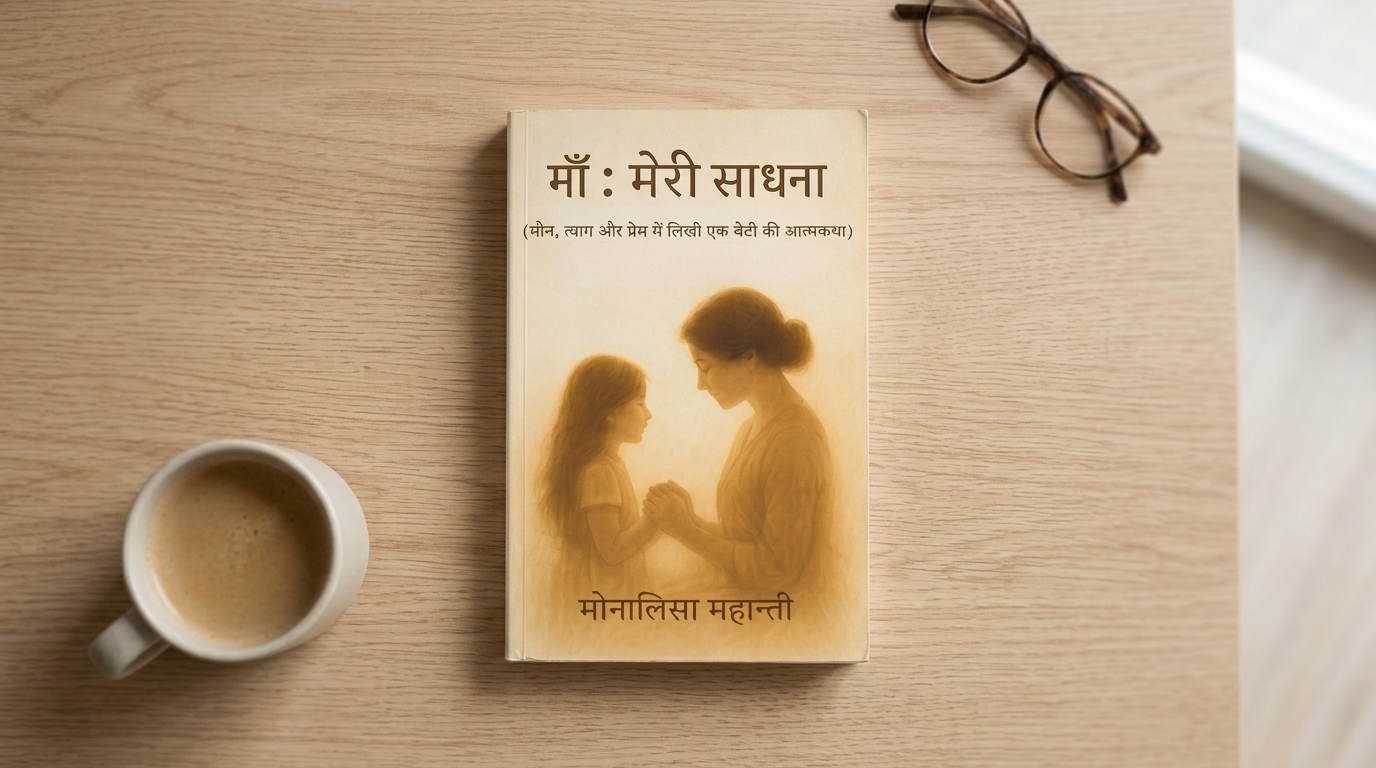
At its core, Maa Meri Sadhna is a daughter’s reflection on her mother’s life. But saying just that feels too small.
The book unfolds almost like memories stitched together. Not in a strict timeline, but in emotional phases. You move through childhood, family struggles, festivals, small domestic moments, and eventually, loss and realization.
The table of contents itself gives you a sense of this journey. Chapters like “नानी का घर”, “माँ की कम उम्र की जिम्मेदारियाँ”, “त्योहारों में माँ का रूप”, and “बीमारी और थकान के बीच माँ का संघर्ष” are not just topics. They are lived experiences.
One section that stayed with me is “नानी का घर”. The way the author describes मिट्टी का आँगन, लकड़ी का दरवाज़ा, and that simple charpai in the verandah… I could see it. Not because I’ve been to her nani’s house, but because I’ve seen something similar in my own childhood.
Then there’s the part about the mother’s early responsibilities. A young girl who should have been playing instead handling a household, cooking, cleaning, caring for elders. There’s a line about how her mornings started before sunrise, with sweeping the courtyard and lighting the chulha. I think we all know someone like that. Maybe our own mothers.
As the narrative moves forward, we see how the mother sacrifices her own desires. Sending her children away to nani’s house because she cannot manage everything alone. That scene felt particularly heavy. The author mentions how her mother smiled on the outside but carried a deep pain inside.
And then the book expands into emotional reflections. Not just what happened, but what it meant.
By the time you reach sections like “माँ मेरी साधना, मेरी पहचान”, the tone changes. It becomes less about events and more about understanding. Almost like the daughter is finally seeing her mother clearly, maybe for the first time.
What Stood Out to Me
I think the strongest thing about this book is its simplicity.
The language is not complex. The sentences are not trying to be literary in a traditional sense. But there’s a rhythm to it. Almost like someone speaking softly, remembering things one by one.
There’s this moment where the author talks about how her mother never complained. “उनका मौन ही उनका उत्तर था।” That line stayed with me. Because silence in such contexts is not absence. It’s strength.
Another thing that stood out is how sensory the writing is.
You don’t just read about events. You feel textures. The warmth of food served by hand. The smell of the kitchen. The sound of utensils early in the morning. The glow of diyas during Diwali.
There’s a beautiful section around festivals where the mother is preparing for Durga Puja. Decorating the house, making rangoli, lighting lamps. And yet, despite all the work, there’s no visible exhaustion on her face. That image… it felt so familiar.
I also appreciated how the book doesn’t idealize motherhood in a superficial way. It shows the struggle. The physical tiredness. The emotional weight.
The part where the author realizes that her mother’s decision to send her children away was not choice but compulsion really adds depth. It shifts the narrative from sacrifice as something noble to sacrifice as something necessary.
From a craft perspective, the structure is interesting. It doesn’t follow a strict plot. It flows like memory. Sometimes repetitive, sometimes circling back to the same feeling.
In many books, that might feel like a flaw. Here, it actually works. Because that’s how memory behaves.
Still, I’ll say this honestly. At a few points, I felt the repetition could have been trimmed slightly. The same emotions appear again and again, sometimes in similar words. It adds intensity, but it can also slow the reading experience a bit.
The Emotional Core
This book is about love. But not the kind we usually talk about.
It’s about the kind of love that doesn’t announce itself.
There’s a line in the book that says something like, “माँ सिर्फ इंसान नहीं होती, वो भाव होती है, जिससे जीवन में उजाला आता है।” I kept thinking about that.
Because this book doesn’t show grand gestures. It shows small, everyday acts. Cooking. Cleaning. Caring. Waiting.
And slowly, you realize those small acts are everything.
One of the most emotional parts for me was towards the end, in the section where the daughter writes a kind of final message to her mother. It felt like a letter that had been waiting for years.
She talks about how she couldn’t say many things when her mother was alive. And now those words are coming out on paper.
Honestly, I teared up a bit there.
It made me think about how many of us carry unsaid things. Not because we don’t feel them, but because we assume there will always be time.
In 2026, when life moves so fast and relationships often become transactional, this book feels like a pause. It reminds you of something fundamental.
That love doesn’t always need words.
Sometimes, it lives in silence.
Who This Book Is For
I think this book will connect deeply with certain readers.
If you have a strong emotional bond with your mother, this will hit close to home.
If you grew up in a small town or village, the settings and memories will feel familiar.
If you like books that are reflective, personal, and not driven by plot, you’ll probably appreciate this.
But if you prefer fast-moving stories or structured narratives, this might feel slow.
Also, the emotional intensity is high. It’s not something you read casually. You kind of sit with it.
I would especially recommend this to daughters. There are so many lines here that feel like things we all have felt but never said.
Final Thoughts
I keep coming back to one feeling.
This book feels like a conversation that happened too late, but still needed to happen.
Maa Meri Sadhna by Monalisa Mohanty is not trying to tell you something new. It’s reminding you of something you already know, but maybe haven’t acknowledged fully.
As an editor, I can see places where the book could have been tightened structurally. But as a reader, I don’t know if I would want that. Because the rawness is part of its truth.
It’s the kind of book that sits with you.
You finish it, and then you think about calling your mother.
Or remembering her.
Or understanding her a little better.
And maybe that is enough.
FAQs
Is Maa Meri Sadhna worth reading?
Yes, especially if you enjoy emotional, personal narratives about family and relationships.
What is Maa Meri Sadhna about?
It is a daughter’s reflection on her mother’s life, sacrifices, and silent strength.
Who should read this book?
Readers who connect with themes of motherhood, memory, and emotional storytelling.
Is the book easy to read?
Yes in terms of language, but emotionally it can feel intense.

With over 11 years of experience in the publishing industry, Priya Srivastava has become a trusted guide for hundreds of authors navigating the challenging path from manuscript to marketplace. As Editor-in-Chief of Deified Publications, she combines the precision of a publishing professional with the empathy of a mentor who truly understands the fears, hopes, and dreams of both first-time and seasoned writers.