
Rating:
⭐⭐⭐⭐ (4.2 out of 5)
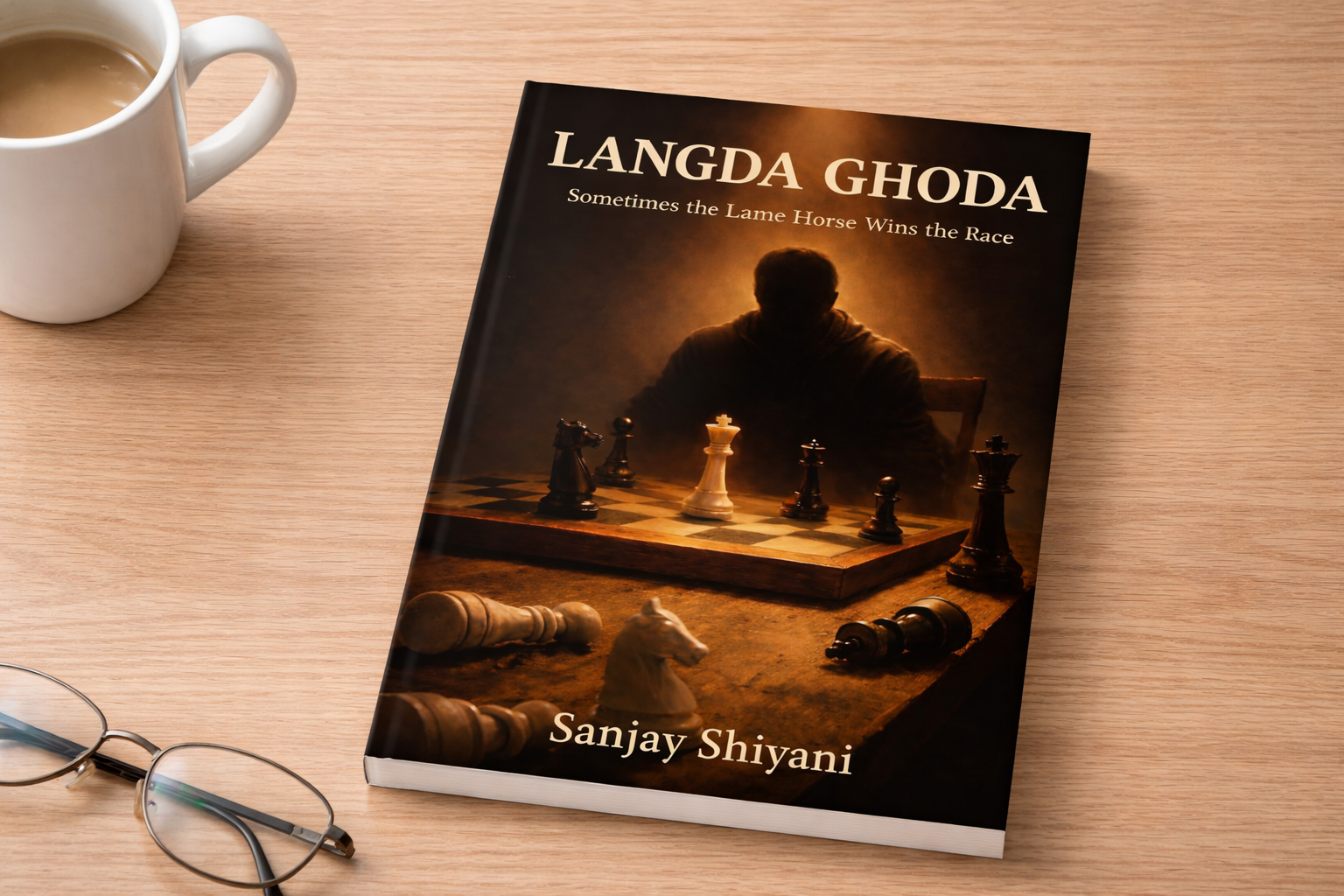
I have read stories about power before. I have read stories about injustice, revenge, guilt, and the ordinary man crushed under something bigger than himself. But every once in a while, a story comes along that feels uncomfortably close to the ground we walk on.
When I finished going through Langda Ghoda, I sat still for a long time.
Maybe it was Raghu. Maybe it was Uma. Maybe it was that one slap in a crowded party that spirals into something no one can undo. I’m not sure. But something in this novella stayed with me longer than I expected.
As Editor-in-Chief at Deified Publication, I read manuscripts every week. Some are technically strong but emotionally distant. Some are emotional but messy. Sanjay Shiyani’s Langda Ghoda sits somewhere in between, and honestly, that is part of its power.
Let me talk to you about it properly.
What Langda Ghoda Is About
If you’re searching for a simple book summary of Langda Ghoda, it’s this: a man who believes he is insignificant stands up once, and the consequences reshape everything.
Raghu, short for Raghav, grows up in a chawl in Ahmedabad. He loses his parents at fourteen and becomes a guardian overnight to his younger sister, Uma. He leaves school quietly. No drama. Just survival.
He sells newspapers. Works at a scrap yard. Eventually runs a small grocery shop and a modest catering business. He fixes taps, wires, doors for neighbours without charging them. He is the kind of man people rely on but rarely celebrate.
And he calls himself a langda ghoda. A lame horse in a race designed for the powerful.
That metaphor is not just poetic decoration. It defines how he sees himself. Not fast. Not influential. Not wealthy. Just steady.
Then comes a New Year’s Eve party. A rich, arrogant builder named Digvijay Rana publicly misbehaves with Uma. Raghu intervenes. He slaps him. In front of cameras. In front of people who record instead of help.
Digvijay threatens him. One month.
And then Raghu disappears.
What follows is not just a murder investigation. It becomes a question of justice outside the law, manipulation in the name of truth, and something more unsettling. The story hints at a presence guiding events from beyond the grave. The living becoming instruments of the dead.
That phrase alone made me pause.
What Stood Out to Me
First, the setting.
Urban India is not romanticized here. The chawl is described with smoke, bucket fights for water, cramped spaces, routine, and dignity. I could almost smell the turmeric and incense in Raghu’s house. I have visited similar neighborhoods while researching stories in the past, and Sanjay Shiyani captures that texture without turning it into pity.
Raghu is not written as a victim. That’s important. He is written as competent. Capable. Disciplined. His mornings begin at four. He exercises. He prays. He opens his shop. He provides.
There’s a beautiful detail early on where he fixes things for people and never charges them. “Gratitude is payment enough.” I underlined that. In my years reviewing books, I’ve seen many protagonists who talk about morality. Raghu lives it quietly.
Then there is the party scene.
I have to say this: that sequence is written with cinematic tension. The gradual build-up. The entry of Digvijay Rana. The shift in the room. The entitlement in small gestures. The line he says to Uma. It is uncomfortable to read. And that’s intentional.
And the slap.
When I reached that moment, I felt something physical. A tightening. Because you know instantly that this is the point of no return. It reminded me of real-life incidents where one act of dignity costs someone far more than they imagined.
From a craft perspective, the author handles pacing well in the first half. The domestic rhythm of Raghu’s life makes the disruption hit harder. We care because we’ve seen the routine.
Now, I will be honest.
There are moments where the writing becomes slightly repetitive. Some emotional beats are emphasized more than necessary. Sanjay Shiyani even admits in his author’s note that he prioritized honesty over perfection. You can feel that. Sometimes sentences could have been trimmed. But the sincerity carries them through.
The courtroom scenes are another highlight. The clash between Aman and the seasoned lawyer Pravin Inamdar has weight. It’s not over-the-top drama. It feels procedural, strategic. Power doesn’t shout there. It rearranges.
And then the darker turn.
Raghu’s body is found. Acid-destroyed face. Missing fingers. That image is disturbing. I won’t pretend otherwise. But it serves the theme. Erasure. Identity attacked even after death.
The idea that someone, or something, continues the fight after Raghu is gone adds a layer that moves the story from simple revenge thriller into moral territory. Is justice still justice if achieved outside the law? That question is not answered neatly.
I appreciate that.
The Emotional Core
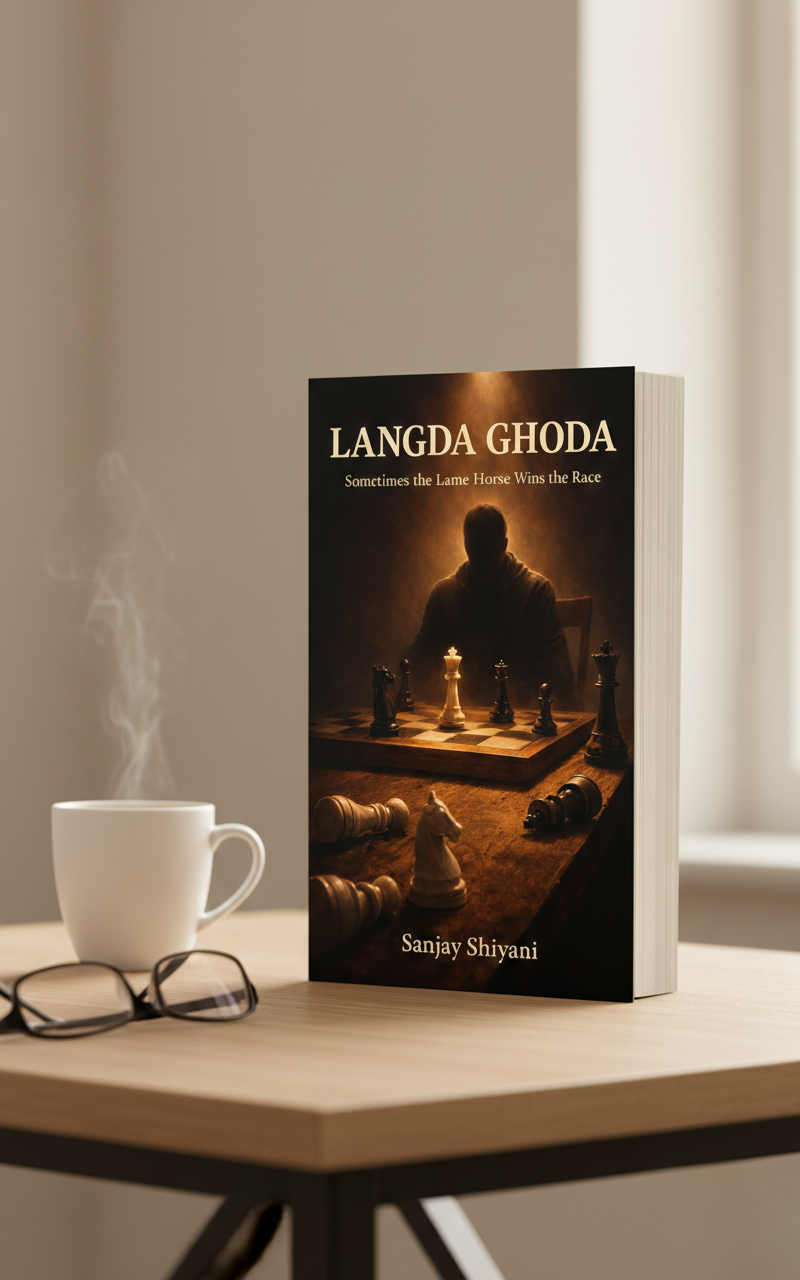
At its heart, Langda Ghoda is about dignity.
Not flashy courage. Not heroics with background music. Just the decision to say, “This is my sister,” and stand firm.
As a sister myself, I found Uma’s arc quietly powerful. Her fear in the rickshaw. Her hesitation to tell the police about the threat. Her shift after the funeral. There’s a line in her silence that says more than pages of dialogue.
I also kept thinking about how easily powerful men assume immunity. In 2026, when conversations about accountability are louder than ever, this story feels timely. Not because it shouts a message. But because it shows how systems bend around influence.
And then there is guilt.
Without spoiling the final chapters, the narrative suggests that truth has a way of returning. Not always through courts. Sometimes through conscience. Sometimes through manipulation. Sometimes through fear.
There is something unsettling about the possibility that the dead can guide the living. I’m not even talking about ghosts in a literal sense. I mean the weight of unresolved injustice shaping decisions.
Some parts hit differently. Especially if you’ve ever seen someone underestimated their whole life.
Who This Book Is For
If you enjoy literary thrillers that are grounded in social reality, Langda Ghoda might be for you.
If you prefer fast-paced crime novels with constant twists every three pages, this is not exactly that. It is slower in parts. Reflective. It cares about character.
Readers who appreciate morally complex stories will find value here. Law students, perhaps. People interested in justice systems. Anyone who has ever felt like the “lame horse” in a race designed for others.
But if you are sensitive to violence, especially depictions of torture, you should be prepared. The description of Raghu’s body is not graphic for shock value, but it is stark.
And if you expect polished, literary prose at every turn, you might notice the rough edges. Personally, I didn’t mind them much. They felt human.
Final Thoughts on Langda Ghoda Book Review
So, is Langda Ghoda worth reading?
I think so.
It’s not perfect. There are places where editing could have tightened the narrative. A few repetitions could have been softened. But the emotional intention is clear. The moral questions linger.
I kept thinking about that metaphor. The lame horse.
In life, we often assume the strongest, richest, most connected will always win. But what if endurance is its own power? What if refusing to stop is a form of victory, even if the cost is unbearable?
As an editor, I look for stories that have something at stake. This one does. It risks discomfort. It risks angering power. And it refuses to look away from consequences.
Sanjay Shiyani may call himself not a professional writer, but there is courage in this story. And sometimes, that matters more than polish.
Frequently Asked Questions
Is Langda Ghoda worth reading?
If you enjoy socially grounded thrillers with emotional weight, yes. It raises strong questions about justice and power.
Who should read Langda Ghoda by Sanjay Shiyani?
Readers who appreciate character-driven crime stories set in urban India, and those interested in moral dilemmas within legal systems.
Is Langda Ghoda a fast-paced thriller?
It has tense moments, especially around the party and investigation, but it also spends time building Raghu’s world.
What genre is Langda Ghoda?
It fits best as a literary thriller with strong social and moral themes.
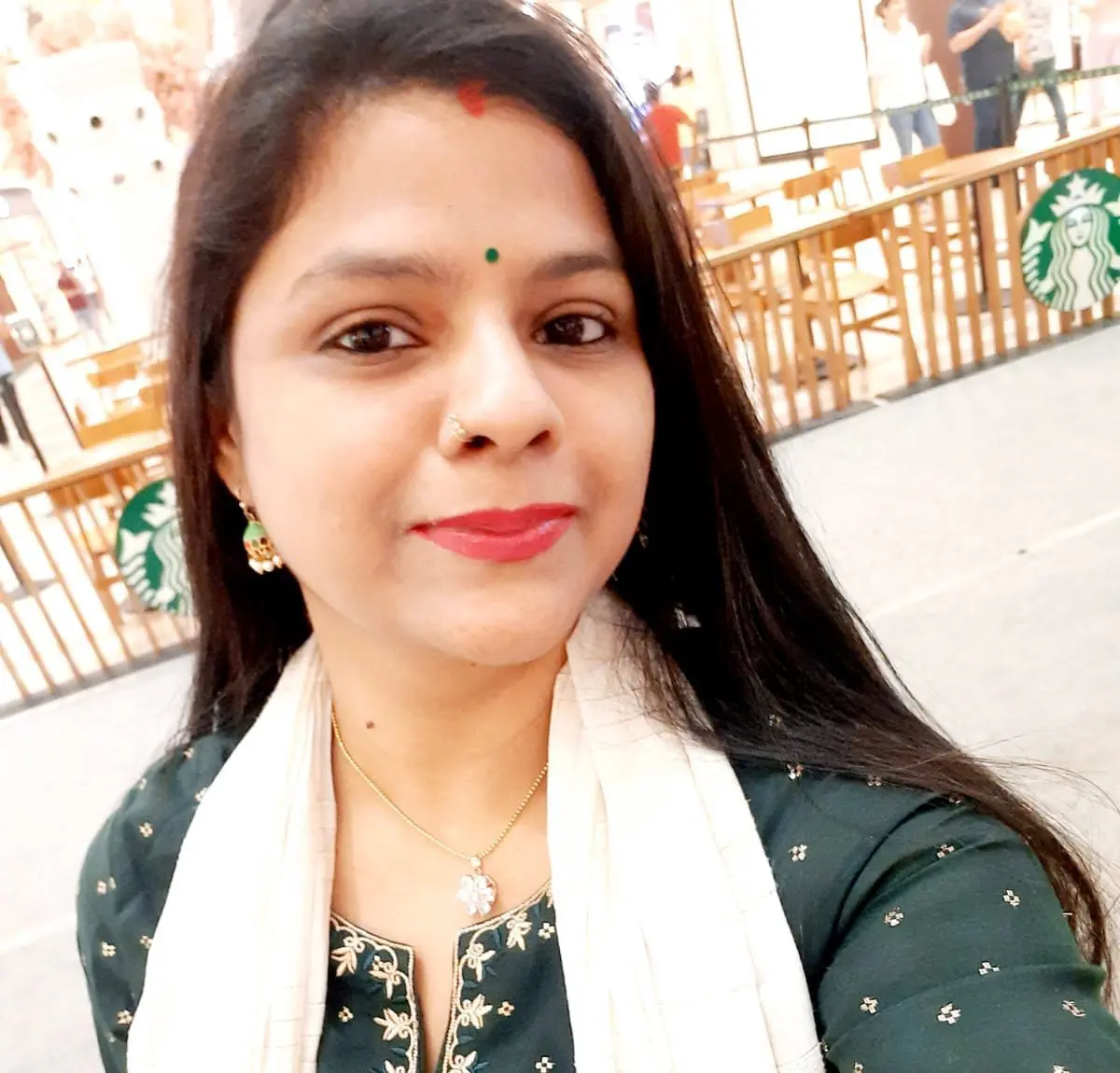
With over 11 years of experience in the publishing industry, Priya Srivastava has become a trusted guide for hundreds of authors navigating the challenging path from manuscript to marketplace. As Editor-in-Chief of Deified Publications, she combines the precision of a publishing professional with the empathy of a mentor who truly understands the fears, hopes, and dreams of both first-time and seasoned writers.