
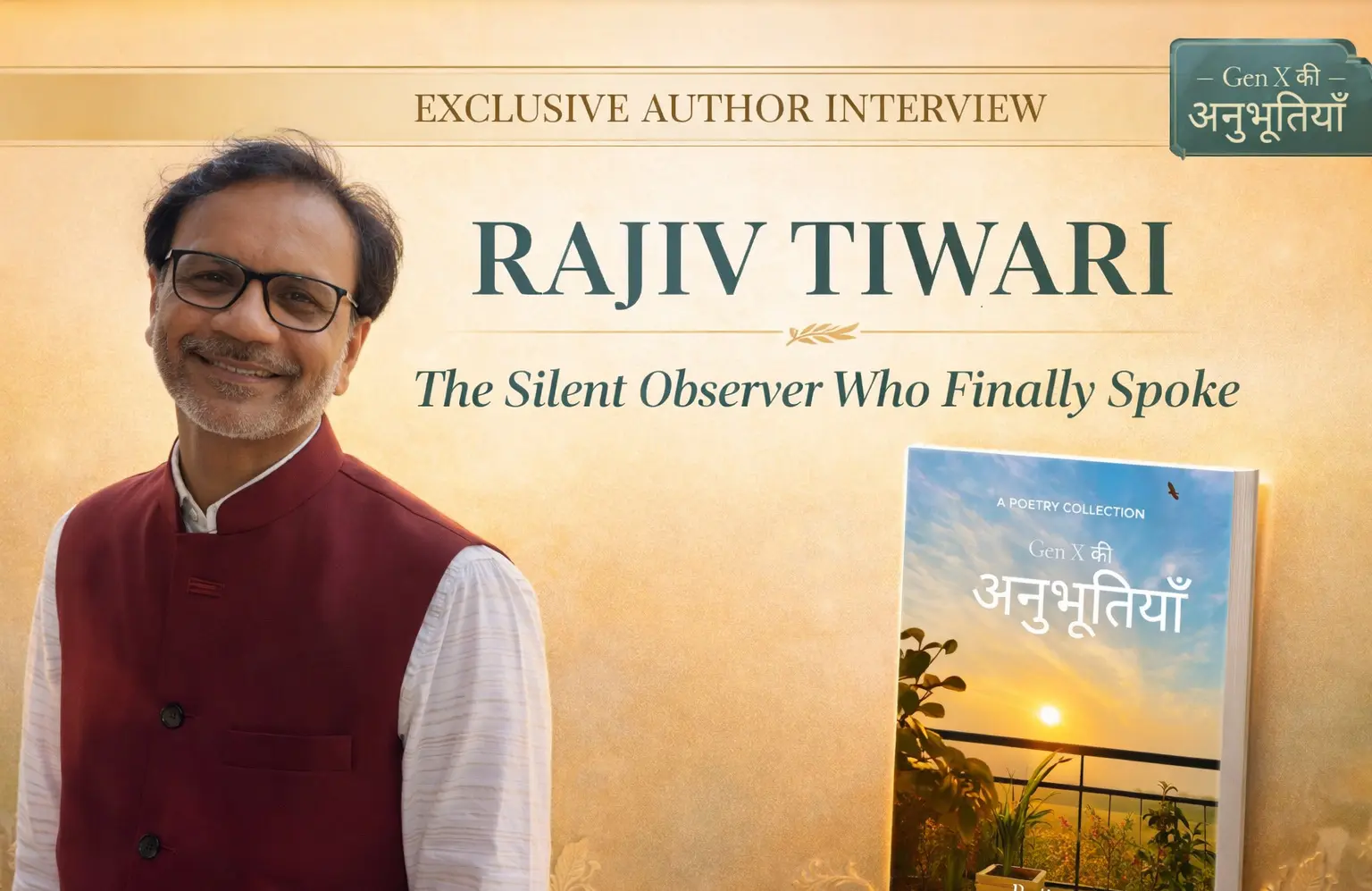
A heartfelt dialogue with the poet who turned decades of quiet observation into Gen X की अनुभूतियाँ
Interview by Priya Srivastava, Editor-in-Chief, Deified Publications
There’s something profoundly moving about meeting someone who has carried words inside them for decades before finally letting them breathe on paper. Rajiv Tiwari is that person. A businessman in civil construction by profession, a poet by soul, he began writing at 12 and continued quietly, steadily, for decades before publishing his first collection, Gen X की अनुभूतियाँ.
When I met Rajiv, I expected to meet a poet. What I found was a mirror held up to an entire generation that learned to stay silent, smile softly, and keep moving. His poetry doesn’t shout. It whispers. And somehow, those whispers echo louder than any proclamation ever could.
The Poetry That Waited Decades
Priya Srivastava: Rajiv, you’ve been writing since you were 12 years old. That’s decades of poetry before this first published collection. Why did you wait so long?
Rajiv Tiwari: [He smiles gently, almost apologetically] I don’t think I was waiting, Priya. I think I was living. Writing was never something I did to publish or to be read. It was something I did to survive, to make sense of things, to hold onto feelings that would otherwise slip away.
When you’re 12, you write because you have to. When you’re 20, you write because the world is too loud and you need a quiet place. When you’re 40, you write because you’ve lived enough to know that some moments deserve to be remembered.
I never thought about publishing because the poems were mine. They were conversations with myself. It’s only now, with the steadiness of my wife and the light of my daughter, that I felt ready to share what I’ve been carrying all these years.
PS: The book’s description says this is “a mirror held up to a generation that learned to stay silent, smile softly, and keep moving.” That’s such a powerful statement about Gen X. What does that silence mean to you?
RT: Gen X grew up in the space between worlds. We weren’t traditional enough for our parents’ generation, and we weren’t digital enough for the generations after us. We learned to adapt, to adjust, to stay quiet when we had opinions, to smile when we were hurting, to keep moving even when we wanted to stop.
That silence wasn’t weakness. It was survival. It was how we protected ourselves in a world that wasn’t quite ready to hear us.
But silence has a cost. All those unspoken words, all those swallowed feelings, they don’t disappear. They accumulate. They become weight. And at some point, you realize you’ve been carrying so much that you forgot you’re allowed to put it down.
This book is me putting it down. This is me saying, here, these are the things I felt but never said. Maybe someone else felt them too.
The Businessman Who Never Stopped Being a Poet
PS: You work in civil construction, one of the most practical, grounded industries there is. How do you balance that with being a poet?
RT: [He laughs softly] You know, people think they’re opposite, but they’re not. Construction is about building something from nothing. Poetry is the same. You start with an empty page, just like you start with an empty plot. You lay foundations, you build structure, you create something that will stand.
The difference is what you’re building. In construction, I build homes, offices, structures that people can touch. In poetry, I build memories, feelings, moments that people can feel.
Both require patience. Both require vision. Both require knowing when to let go and trust that what you’ve built will hold.
PS: You grew up in Allahabad, a city with such rich literary heritage. Did that influence your writing?
RT: Absolutely. Allahabad breathes literature. You grow up hearing Urdu poetry in chai shops, Hindi verses in conversations, English classics in schools. The city itself is multilingual, multi-layered, deeply rooted in language.
I grew up immersed in what you called “the quiet rhythm of language.” Words weren’t just tools for communication. They were music, they were art, they were the way you made sense of beauty and pain.
Even when life led me down more practical paths, that rhythm stayed with me. It’s in every poem I’ve written. It’s the heartbeat beneath the words.
PS: Now you live in Daman. How has that move shaped your poetry?
RT: Daman is quieter, slower. There’s space here to breathe, to think, to feel. After years of rushing, of building, of doing, Daman gave me permission to just be.
And when you stop rushing, you start noticing. You notice the light changing throughout the day. You notice the small conversations that reveal everything. You notice your daughter growing up, your wife’s steady presence, the way time moves differently when you’re paying attention.
This book could only have happened here. Not because Daman is where I write, but because Daman is where I learned to stop long enough to listen to what I’ve been writing all along.
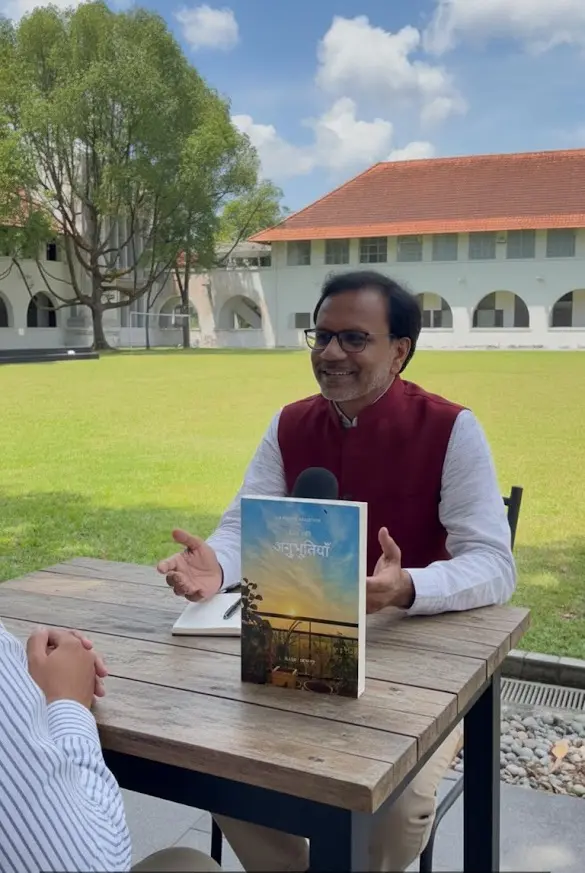
The Collection: Memories, Moments, and Murmurs
PS: Gen X की अनुभूतियाँ brings together memories, moments, and murmurs. Those three words feel very intentional. Why those specifically?
RT: Because that’s what life actually is, isn’t it?
Memories are the things we hold onto, the experiences that shaped us, the people who left marks on our hearts. Moments are the tiny instances that seem insignificant at the time but carry so much weight when you look back. And murmurs are those faint traces, the whispers of feelings that almost got lost in the noise of everyday life.
Every poem in this collection is one of those three things. Some are full memories, complete stories with beginning and end. Some are just moments, a single afternoon, a conversation, a realization. And some are murmurs, barely there, delicate feelings suspended between what was lived and what was left unsaid.
PS: You describe each poem as capturing “a delicate feeling, suspended between what was lived and what was left unsaid.” That’s beautifully vulnerable. How do you decide what to leave unsaid versus what to write?
RT: [He pauses, thoughtful] That’s the hardest part of poetry, honestly. Knowing when to explain and when to trust the silence.
Some feelings are too big for words. If you try to capture them completely, you kill them. It’s like trying to hold water in your fist. The tighter you grip, the more it slips away.
So I’ve learned to suggest rather than state. I give you the image, the moment, the feeling, and then I step back. I let you fill in the rest with your own experience, your own memories, your own unsaid words.
The best poems are the ones where the reader finishes the sentence in their own heart.
PS: The book is described as honest, humorous, and heartfelt. How do you balance those elements?
RT: I don’t think you balance them. I think they just coexist because that’s how life is.
Life isn’t just sad or just funny or just serious. It’s all of those things happening at once. You cry and then you laugh. You hurt and then you heal. You struggle and then you find unexpected joy.
My poems reflect that. Some are deeply emotional, about loss or longing or the weight of unspoken words. Some are light, almost playful, finding humor in everyday absurdities. Some are somewhere in between.
I didn’t want to write a collection that’s only one note. I wanted it to feel like a real conversation, like sitting with an old friend who makes you laugh, makes you think, makes you feel.
Writing for the Heart, Not the Market
PS: This is your first published collection. Were you nervous about putting your work out there?
RT: [He nods] Terrified, actually.
When you write for yourself, there’s no judgment. The poems are just yours. They live in notebooks and files and they’re safe because no one else sees them.
But publishing means letting go. It means people will read your most private thoughts. They’ll judge them, interpret them, maybe even misunderstand them.
But I realized something. These poems aren’t just mine anymore. They never were. They’re for everyone who felt something similar but couldn’t find words for it. They’re for every person from Gen X who carried silence like a badge of honor.
If even one person reads a poem and thinks, “Yes, that’s exactly how I felt,” then the fear was worth it.
PS: The book invites “readers of all ages to see the world through a child’s eyes where even the smallest feelings matter.” Tell me about that perspective.
RT: I started writing at 12, remember? That child is still in these poems. He’s the one who noticed everything, who felt everything deeply, who believed that small moments were worth preserving.
As adults, we lose that. We’re taught that big things matter and small things don’t. Career milestones matter. Tiny moments of joy don’t. Major achievements matter. Quiet realizations don’t.
But that child in me never agreed. He always knew that the smallest feelings matter. The way sunlight looks at a certain time of day. The exact tone of someone’s voice when they say your name. The particular ache of missing someone who’s still alive but far away.
This book is me returning to that child’s way of seeing. It’s me saying, yes, these small things matter. In fact, they might be the only things that really do.
PS: You mention that this collection “carries the steadiness of his wife and the light of his daughter.” How have they influenced your writing?
RT: [His voice softens] They’re the reason these poems exist as a book instead of just scattered pages in drawers.
My wife has this steadiness about her. When I doubt, she believes. When I want to quit, she reminds me why I started. She’s read every poem, sometimes multiple versions, and she’s never once made me feel like my words don’t matter.
My daughter is pure light. She sees wonder in everything. She asks questions that crack open the world. She feels things fully, without apology, without shame. Watching her grow up has reminded me what it means to be fully alive, fully present, fully yourself.
This book is dedicated to them because without them, I’d still be that silent observer. They gave me permission to finally speak.
The Craft and the Heart
PS: You’ve been writing for decades. How has your poetry evolved?
RT: Early poems were more about trying to sound like a poet. I used big words, complex metaphors, tried to be impressive.
Now I write simpler. I’ve learned that the most powerful poems are often the plainest. A single image can carry more weight than a thousand ornate phrases.
I’ve also learned to trust emotion over intellect. The poems that resonate aren’t the clever ones. They’re the honest ones, the ones where I stopped trying to be a poet and just tried to be human.
PS: Do you have a writing routine?
RT: Not really. I write when something needs to be written. Sometimes that’s daily, sometimes weeks pass.
But I do observe daily. I pay attention to conversations, to light, to the way people hold themselves when they’re sad. I collect moments like some people collect stamps.
When a poem is ready, it usually comes quickly. I’ll write it in one sitting, sometimes in the middle of the night, sometimes during a lunch break. Then I let it sit for days or weeks, and I come back to it fresh.
The first draft is feeling. The revision is craft. Both are necessary.
PS: Who do you write for?
RT: I write for that 12-year-old version of me who needed to know his feelings mattered. I write for my Gen X peers who learned to carry everything silently. I write for my daughter’s generation who’s learning that vulnerability is strength.
But mostly, I write for anyone who’s ever felt something deeply and thought they were alone in feeling it. Anyone who’s carried unspoken words for years. Anyone who’s wondered if their small, quiet feelings deserve space in a loud world.
They do. This book is proof that they do.
Poetry in a Practical World
PS: In your professional life, you work with concrete, steel, blueprints. How do people in that world react when they learn you’re a poet?
RT: [He laughs] Some are surprised. Some think it’s odd. Some don’t quite know what to do with that information.
But you know what’s interesting? The ones who are most moved are often the ones you’d least expect. I’ve had contractors quote a line back to me. I’ve had engineers tell me a poem reminded them of something they’d forgotten.
Everyone carries unspoken feelings. Everyone has memories they’ve never shared. The difference is some people give themselves permission to acknowledge those feelings, and some don’t.
Poetry gives permission. It says, yes, what you felt was real. Yes, it matters. Yes, you’re allowed to remember.
PS: What role do you think poetry plays in our modern, fast-paced world?
RT: Poetry is resistance. It’s saying, slow down. It’s saying, this moment matters. It’s saying, feel this fully before you move on.
We live in a world that values speed, productivity, efficiency. Poetry values none of those things. Poetry values depth, feeling, presence.
That makes it radical. That makes it necessary.
In a world that tells you to move on, poetry says, wait. Let this land. Let yourself feel it. Let it change you.
PS: Do you think Gen X needs poetry differently than other generations?
RT: I think every generation needs poetry, but maybe Gen X needs permission to need it.
We were raised on self-reliance, on not complaining, on figuring it out yourself. We’re the generation that doesn’t ask for help, doesn’t admit we’re struggling, doesn’t take up space with our feelings.
Poetry gives us space. It says, your feelings aren’t burdens. Your memories aren’t indulgent. Your unspoken words deserve to be heard.
For Gen X, poetry isn’t just art. It’s permission to finally stop being so damn strong all the time.
The Quick Fire
PS: Let’s do some quick questions. Favorite poet?
RT: Gulzar. For the way he finds the extraordinary in the ordinary.
PS: Favorite place to read poetry?
RT: Early morning, with chai, when the house is still quiet.
PS: A poem from your book that means the most to you?
RT: There’s one about my daughter laughing. It’s simple, just a moment, but every time I read it, I’m back there. That’s the magic of poetry. It preserves not just the memory, but the feeling of the memory.
PS: One word to describe your relationship with poetry?
RT: Refuge. It’s always been the place I go when the world is too much or too little.
PS: If you could tell your 12-year-old self something about this book?
RT: Keep writing. Those words you’re scribbling in notebooks, those feelings you think no one will understand, they matter. One day, they’ll become a book. One day, they’ll reach people who needed to read exactly what you needed to write.
Looking Forward
PS: This is your first published collection. Are there more poems waiting?
RT: [He smiles] Always. I don’t think I’ll ever run out of things to observe, to feel, to preserve.
I’m already working on ideas for a second collection. This one might focus more on aging, on what it means to watch time pass, to see your daughter grow, to feel yourself changing.
But I’m not rushing. This book took decades. The next one will take as long as it needs.
PS: What do you hope readers take away from Gen X की अनुभूतियाँ?
RT: I hope they see themselves. I hope they recognize their own memories in these poems, their own moments, their own murmurs.
I hope they close the book and think about something they’ve been carrying, something they’ve never said out loud. And maybe, just maybe, they give themselves permission to say it.
That’s all poetry can do. It can’t solve your problems. It can’t change your circumstances. But it can make you feel less alone. It can remind you that your quiet, small, delicate feelings matter.
And in a world that’s constantly shouting, sometimes a whisper is the bravest thing you can offer.
PS: What would you say to other late-bloomers, people who have art inside them but haven’t shared it yet?
RT: That it’s never too late. That the time you spent living, observing, feeling, it wasn’t wasted. It was preparation.
Your art doesn’t need to be perfect. It doesn’t need to be impressive. It just needs to be true.
The world doesn’t need more polished, perfect art. It needs honest art. It needs your specific way of seeing, your particular voice, your unique experience.
Don’t wait for the perfect time. Don’t wait until you feel ready. You’ll never feel ready. Create anyway. Share anyway. Your words might be exactly what someone needs to hear.
PS: Final question. This book is subtitled “a return to what could never be built in concrete.” What does that mean to you?
RT: [He takes a breath, his eyes distant for a moment] It means I’ve spent my professional life building things you can see and touch. Structures that last. Buildings that serve a purpose.
But poetry builds something else. It builds understanding. It builds connection. It builds memory. And those things, you can’t construct them with your hands. You can’t blueprint them. You can’t engineer them.
They can only be felt, shared, preserved in words.
This book is my admission that the most important things I’ve built in my life aren’t made of concrete. They’re made of words, feelings, moments that would have disappeared if I hadn’t written them down.
It’s a return to what I knew at 12 but forgot for a while: that what you feel matters more than what you build. That who you are matters more than what you achieve. That the smallest, quietest moments are often the ones that define a life.
This book is me building something that could never be built in concrete. And maybe, in the end, that’s the only thing worth building at all.
PS: Rajiv, thank you. For your words. For your patience. For finally sharing what you carried for so long. Gen X की अनुभूतियाँ is a gift to everyone who reads it.
RT: [He smiles, that gentle smile that seems to hold decades of unspoken words] Thank you, Priya. For seeing what these poems are trying to say. For giving them space. And for understanding that sometimes, the most important things are the ones we whisper, not shout.lan
This interview has been edited for clarity while preserving the authentic voice of the conversation.
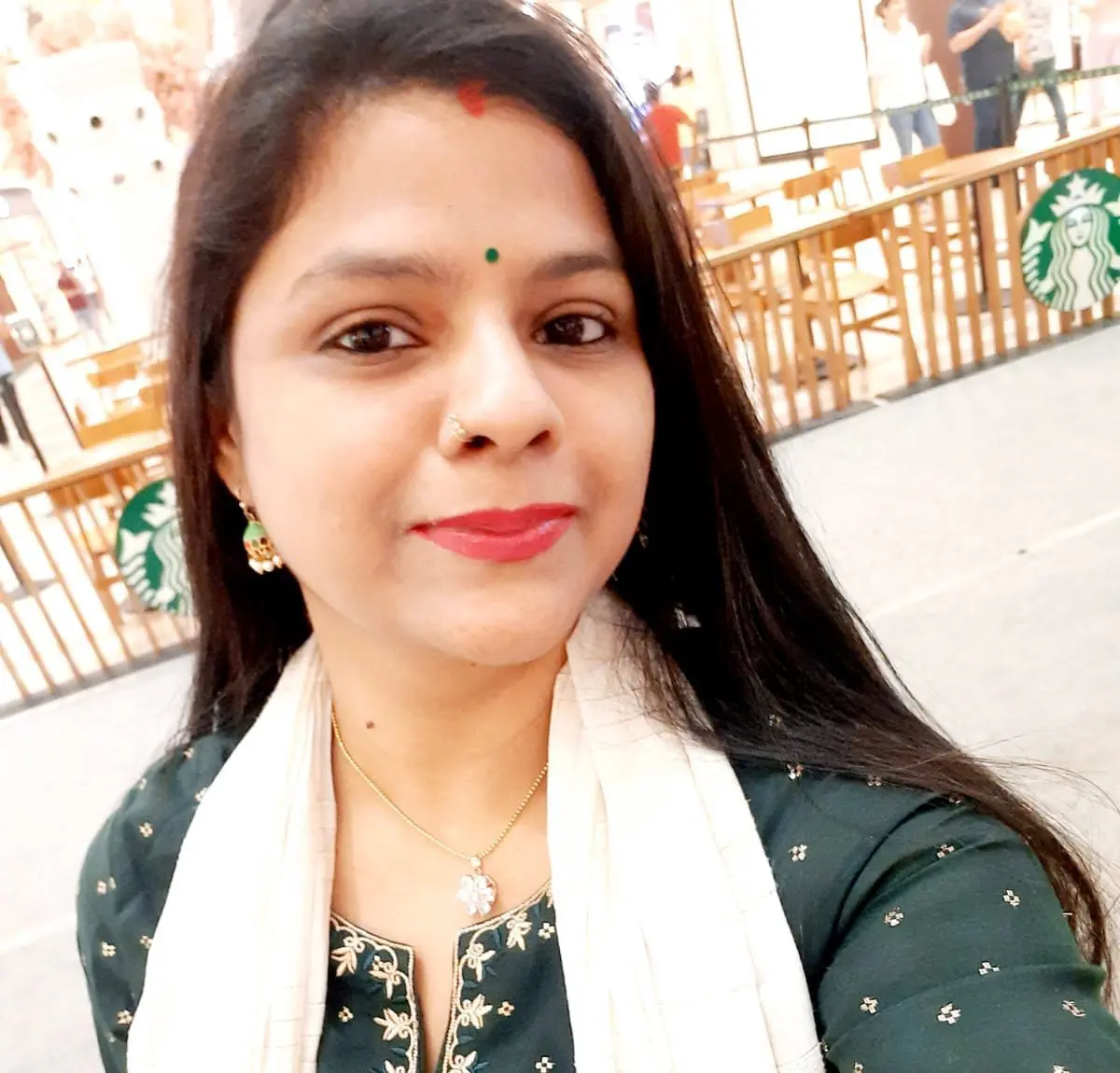
With over 11 years of experience in the publishing industry, Priya Srivastava has become a trusted guide for hundreds of authors navigating the challenging path from manuscript to marketplace. As Editor-in-Chief of Deified Publications, she combines the precision of a publishing professional with the empathy of a mentor who truly understands the fears, hopes, and dreams of both first-time and seasoned writers.