
Rating:
⭐⭐⭐⭐ (4.3 out of 5)
Some books arrive loudly. This one did not.
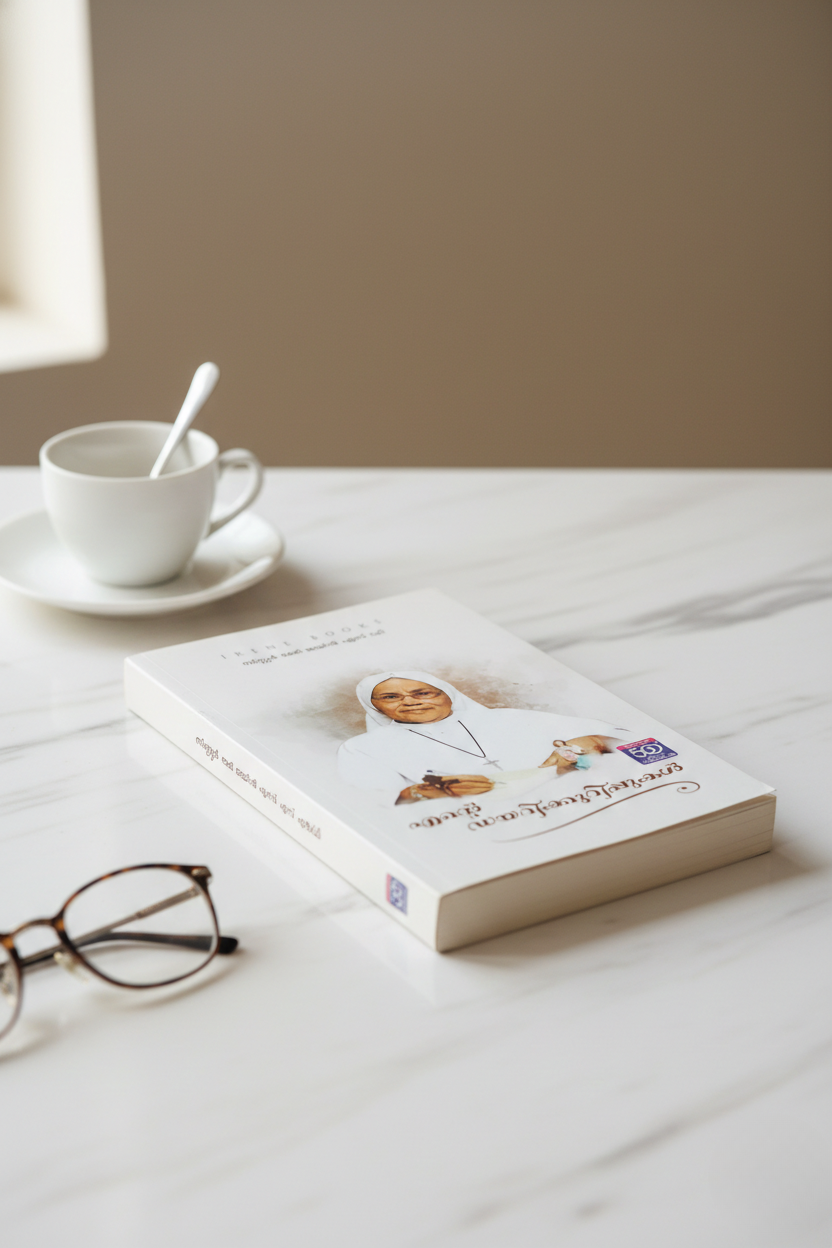
When I first held Ente Diarykurippukal, I didn’t feel like I was about to read a book. It felt closer to opening a drawer that someone had trusted you with. The kind that holds folded papers, old dates written carefully, prayers scribbled in the margins, and moments that were never meant for performance.
I’ve been reading for more than fifteen years now, across genres and languages, and I say this without exaggeration. It is rare to come across a work that does not try to impress you at all. This book does not ask for attention. It simply sits there, open, honest, and waits for you to come closer.
Maybe it is the diary form. Maybe it is the voice of Sr. Mary Jane. Or maybe it is the fact that so much of it feels lived rather than written. I found myself slowing down while reading. Pausing. Rereading lines. Some entries I read twice, not because I didn’t understand them, but because I felt I had rushed through something sacred the first time.
As Editor in Chief at Deified Publication, I read manuscripts every week. Many are polished. Many are ambitious. Very few feel this intimate.
What the Book Is About
Ente Diarykurippukal translates to My Diary Notes, and that title is honest to the core.
This is not a conventional memoir, and it is not structured like a spiritual guide either. The book is a collection of diary entries written over several years, beginning around 2017 and continuing through deeply personal seasons of Sr. Mary Jane’s life. The entries are dated. They are grounded in specific days, physical pain, emotional unrest, prayer, service, doubt, fatigue, gratitude, and quiet joy.
Sr. Mary Jane belongs to the SD Convent in Pala, Kottayam district, Kerala. Her life, as reflected here, is rooted in spiritual service, education, and pastoral care. But this book does not glorify that life. Instead, it shows the human cost and human beauty of it.
We see her dealing with illness, physical weakness, moments of exhaustion, frustration with misunderstandings, and deep concern for young people she counsels. We also see gratitude for small things. A phone call. A smile. A prayer answered in unexpected ways.
There is no attempt to tie everything into neat lessons. Some days end unresolved. Some prayers remain open ended. That honesty is what makes the book feel real.
What Stood Out to Me
What stayed with me most is the voice.
In my years reviewing spiritual writing, I’ve noticed a pattern. Many authors either sound overly philosophical or overly instructional. Sr. Mary Jane sounds neither. She sounds like someone thinking on paper. Sometimes confident. Sometimes unsure. Sometimes asking questions she doesn’t immediately answer.
The diary format allows that.
There are moments where she reflects on her physical limitations and aging body, and the language is gentle but not romantic. Pain is named. Fatigue is named. And yet, there is no bitterness. I found that balance hard to ignore.
Another thing that stood out was her engagement with people. Young students struggling with confusion. Families in distress. Women dealing with emotional wounds. These are not written as anecdotes meant to prove virtue. They are written as moments that clearly left marks on her.
There is one recurring feeling throughout the book. Responsibility. Not authority. Responsibility. A sense that listening itself is a form of service.
From a craft perspective, the pacing feels organic because it follows life rather than plot. Some entries are short and sharp. Others are reflective and meandering. That unevenness actually works here. A diary should not feel edited into symmetry.
The Malayalam language used is clear and sincere. It does not chase literary flourishes. It chooses clarity over cleverness. That makes the emotional moments hit harder.
The Emotional Core
I think this book touches something deeper than belief.
Even if a reader does not share Sr. Mary Jane’s faith, there is something universally human here. The feeling of waking up tired but still showing up. The quiet struggle of feeling misunderstood. The desire to be useful even when the body resists.
Honestly, some parts hit differently because they remind you of people you know. A teacher who cared more than she showed. A nun you saw every day but never really knew. A caregiver who carried more than she spoke about.
There were moments where I had to stop reading and sit with a line. Not because it was dramatic, but because it was sincere. It made me wonder how many lives like this exist around us, largely unseen.
The emotional strength of this book lies in its refusal to perform emotion. It does not try to make you feel inspired. It simply shows what endurance looks like when paired with faith and service.
Who This Book Is For
This book is not for everyone, and that is okay.
If someone is looking for fast paced narrative or dramatic storytelling, this might feel slow. If a reader wants clear moral conclusions at the end of every chapter, this may feel unresolved.
But if you are someone who appreciates reflective writing, personal journals, or spiritual literature grounded in daily life, this book offers something rare.
I would especially recommend Ente Diarykurippukal to readers who work in caregiving roles. Teachers. Counselors. Religious workers. Anyone who gives a lot of themselves quietly.
It is also meaningful for readers who enjoy Malayalam literature that feels intimate rather than performative.
Final Thoughts
I finished this book feeling calmer.
Not uplifted in a dramatic way. Not emotionally overwhelmed. Just steadier. And that feeling stayed.
As someone who has read countless books trying to define spirituality, I think Ente Diarykurippukal does something simpler and more difficult. It shows spirituality being lived on ordinary days, in aching bodies, interrupted prayers, and small acts of attention.
Sr. Mary Jane does not position herself as someone who has arrived. She writes as someone still listening. Still learning. Still showing up.
That humility gives the book its strength.
As Editor in Chief at Deified Publication, I often ask myself one question while reviewing a book. Would I trust this voice? In this case, the answer is yes.
Not because the writing is perfect. But because it feels honest.

With over 11 years of experience in the publishing industry, Priya Srivastava has become a trusted guide for hundreds of authors navigating the challenging path from manuscript to marketplace. As Editor-in-Chief of Deified Publications, she combines the precision of a publishing professional with the empathy of a mentor who truly understands the fears, hopes, and dreams of both first-time and seasoned writers.