
Rating:
⭐⭐⭐⭐ (4.2 out of 5)
A Poetry Collection That Made Me Pause
Every once in a while I come across a poetry book that makes me slow down while reading.
Not because the language is complicated.
But because the emotions are dense enough that you need a moment to absorb them.
That was my experience reading Father: A Collection of Poems by Abhilash Fraizer.
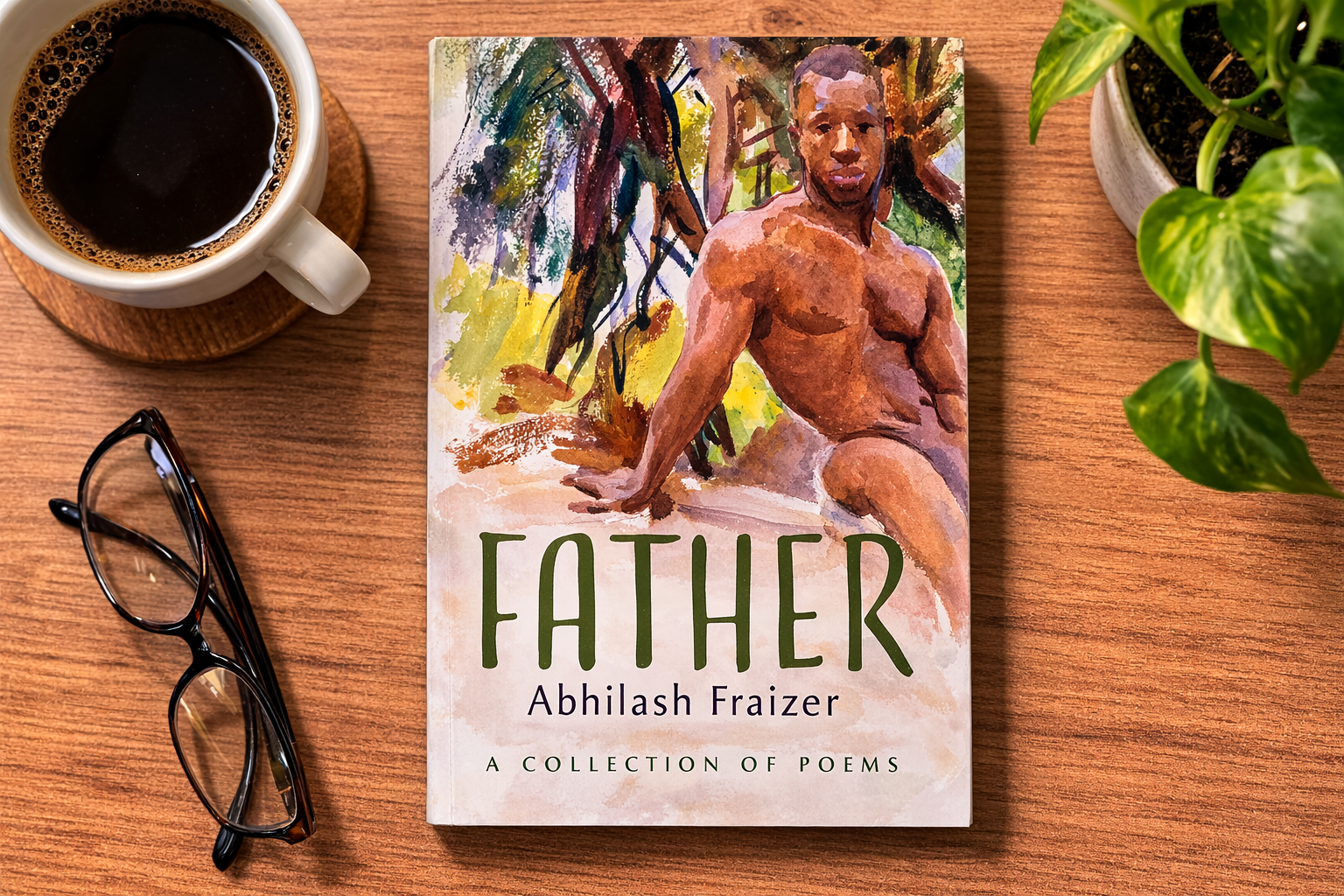
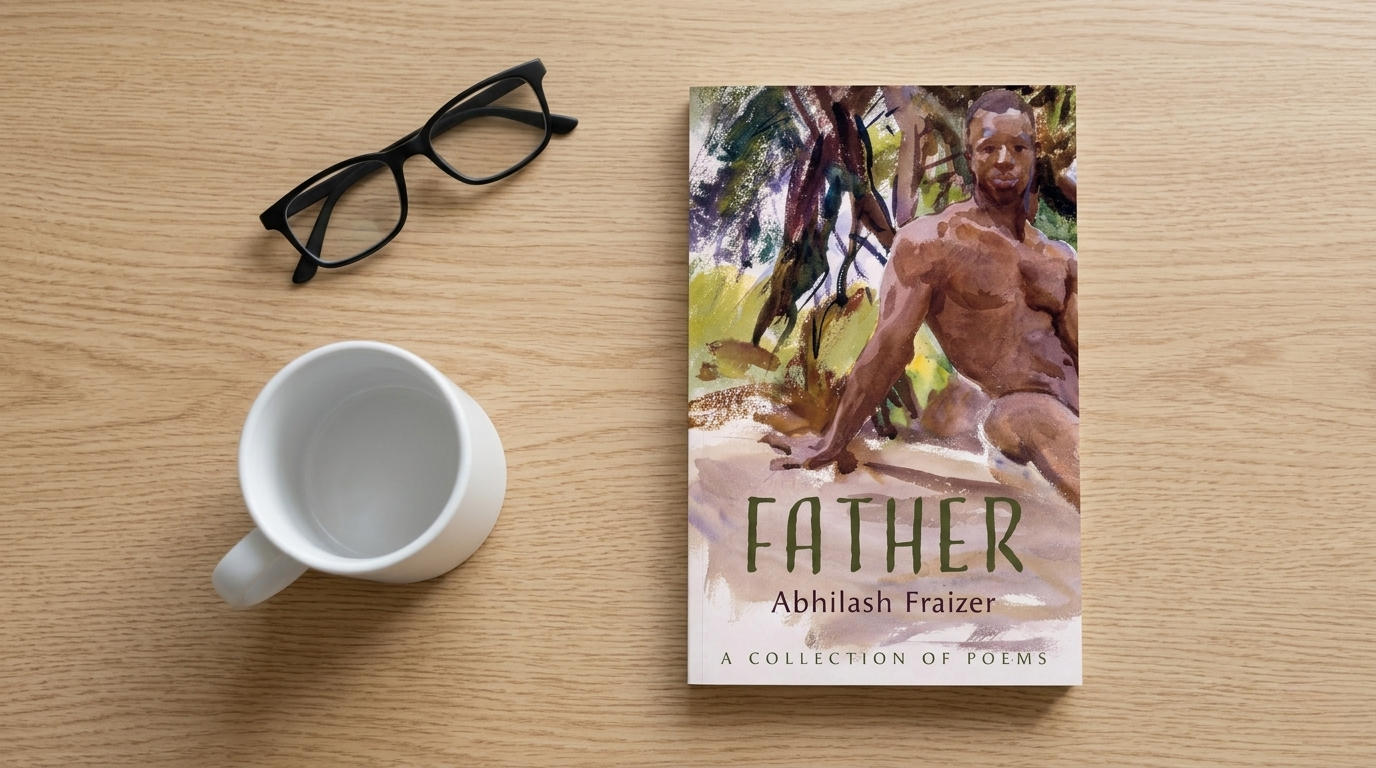
When I first looked at the cover, I had a small moment of curiosity. The artwork is earthy and reflective. A solitary human figure surrounded by nature. It suggests something primal. Something about identity, origin, and belonging.
Then I opened the book.
The dedication page immediately grounds the work in something personal. The author dedicates the book to his wife Sunitha. That kind of detail might seem small, but in poetry collections it often reveals the emotional core behind the writing.
And as I read further, I realized this is not simply a collection of scattered poems.
It feels like a meditation on faith, human struggle, identity, and the search for something larger than ourselves.
As someone who has been reading and reviewing books for more than fifteen years, I have learned that poetry collections can be tricky. Some are brilliant but disconnected. Others feel cohesive but overly abstract.
This book sits somewhere in between.
And honestly, that balance makes it interesting.
What the Book Is About
Father: A Collection of Poems by Abhilash Fraizer is a spiritually reflective poetry collection rooted deeply in Christian imagery and philosophical questioning.
The table of contents itself gives a glimpse into the emotional arc of the book. Poems such as Sun in the Rain, The Tears of a Rock, The Fiery Touch, Sandals from Eternity, In the Well of Dreams, and the title poem Father reveal the themes the author is working with.
Many of the poems draw inspiration from Biblical narratives. Yet they are not simple retellings.
Instead the poet seems to enter the emotional inner worlds of these figures.
For example in Sun in the Rain, the voice reflects on grief after the death of Christ. The rain becomes a metaphor for mourning and spiritual emptiness. The speaker asks repeatedly how it feels to lose God and sit alone in that emotional rain.
It is a striking opening.
Another poem, The Tears of a Rock, revisits the story of Peter denying Christ. Instead of describing the event directly, the poem focuses on Peter’s internal conflict and regret.
That psychological dimension is something I appreciated.
Then there is The Fiery Touch, inspired by the Biblical story of the woman healed by touching Jesus’ cloak. The poem imagines the moment as an encounter between cold indifference and blazing faith.
And I liked that contrast.
Later poems explore the stories of Joseph, Saint Francis of Assisi, Mary, and other figures connected with Christian history and symbolism.
The title poem Father is perhaps the emotional center of the book. It reflects on the moment Saint Francis is rejected by his earthly father and turns instead to a universal spiritual fatherhood.
The poem expands this idea further into ecological reflections about humanity’s relationship with nature.
That philosophical expansion gives the collection its larger scope.
What Stood Out to Me
Several things stood out while reading Father.
First, the author clearly has a strong interest in spiritual storytelling.
But what I found interesting is how he approaches those stories. He does not simply retell them in straightforward narrative form. Instead he enters the emotional interior of the characters.
Take the poem about Peter.
The poem describes Peter as a man who once believed himself strong but suddenly discovers his own fear and weakness. The line about becoming a stranger to oneself after denial felt particularly powerful.
That kind of introspection adds depth to familiar religious narratives.
Another thing I noticed is the way the poet uses natural imagery.
Rain, soil, rivers, sky, wind, stones. These elements appear repeatedly throughout the collection.
And they are rarely decorative.
Instead they function as emotional metaphors. Soil becomes the place of creation and transformation. Rain represents grace and sorrow. Stones represent both judgment and hardened hearts.
There is also an ecological undertone in some poems, particularly in the poem Father. In that piece, Saint Francis reconnects with nature and sees the earth as a nurturing mother and humanity as part of a larger creation.
In recent years I have seen many poets exploring ecological spirituality. It feels timely in 2026 when environmental awareness is increasingly part of cultural conversation.
So that dimension of the book felt relevant.
Another strength of the collection is its sense of narrative continuity.
Even though the poems are separate pieces, they often feel like parts of a larger reflection on humanity’s relationship with the divine.
The Emotional Core
At its heart, Father is a book about spiritual longing.
Many of the poems deal with moments of crisis.
A disciple realizing his weakness.
A dreamer losing his illusions.
A seeker confronting abandonment.
But these moments are not presented as purely tragic.
They are turning points.
For example in In the Well of Dreams, the character Joseph reflects on being betrayed by his brothers and thrown into a well. The poem portrays that moment not only as despair but also as the beginning of transformation.
That dual perspective is interesting.
Pain becomes the doorway to self realization.
Similarly the title poem explores the idea of losing one father but discovering a larger universal fatherhood that connects humanity, nature, and the divine.
While reading those sections I found myself thinking about something I often see in spiritual literature.
True transformation rarely happens when life is comfortable.
It often begins in moments of loss or rejection.
The poems in this book return to that idea repeatedly.
And some lines really stayed with me long after reading.
Who This Book Is For
I think Father: A Collection of Poems will resonate most strongly with readers interested in spiritual or theological poetry.
Readers familiar with Biblical narratives may appreciate the reinterpretations offered here.
At the same time, you do not necessarily need deep religious knowledge to engage with the emotional themes. Many poems explore universal experiences like guilt, forgiveness, longing, and transformation.
People who enjoy reflective poetry with philosophical undertones may find this collection rewarding.
However, readers looking for light or casual poetry might find some sections dense.
The language occasionally becomes quite symbolic and philosophical. Some readers may need to slow down and reread certain passages.
But honestly, that kind of reading experience can be rewarding.
Some poems are meant to be revisited.
Final Thoughts
When I finished reading Father: A Collection of Poems, I felt like I had just spent time inside someone’s spiritual reflections.
This is not a flashy poetry collection.
It is thoughtful. Sometimes intense. Occasionally abstract.
But there is sincerity in the way Abhilash Fraizer approaches his themes.
The poems attempt to reimagine ancient spiritual stories through emotional introspection and natural imagery.
And while some poems might feel a little long or philosophically dense for certain readers, the collection as a whole carries a consistent voice.
In a world where poetry often focuses on personal relationships or contemporary urban experiences, it is interesting to encounter a book that engages deeply with spiritual heritage.
Some parts stayed with me longer than I expected.
Especially the reflections on forgiveness and redemption.
And I suspect readers who enjoy contemplative poetry will find themselves returning to these poems more than once.
FAQ
Is Father: A Collection of Poems worth reading?
If you enjoy spiritually reflective poetry and Biblical inspired narratives, this collection offers thoughtful and introspective writing.
What is Father by Abhilash Fraizer about?
The book explores themes of faith, redemption, guilt, nature, and spiritual transformation through poems inspired by Biblical stories.
Who should read Father?
Readers interested in religious poetry, philosophy, and contemplative literature may appreciate the themes explored in this collection.
Is the book beginner friendly?
Some poems are accessible while others are more symbolic, so readers new to poetry may want to read slowly and reflect on the imagery.

With over 11 years of experience in the publishing industry, Priya Srivastava has become a trusted guide for hundreds of authors navigating the challenging path from manuscript to marketplace. As Editor-in-Chief of Deified Publications, she combines the precision of a publishing professional with the empathy of a mentor who truly understands the fears, hopes, and dreams of both first-time and seasoned writers.