
Rating:
⭐⭐⭐⭐ (4.2 out of 5)
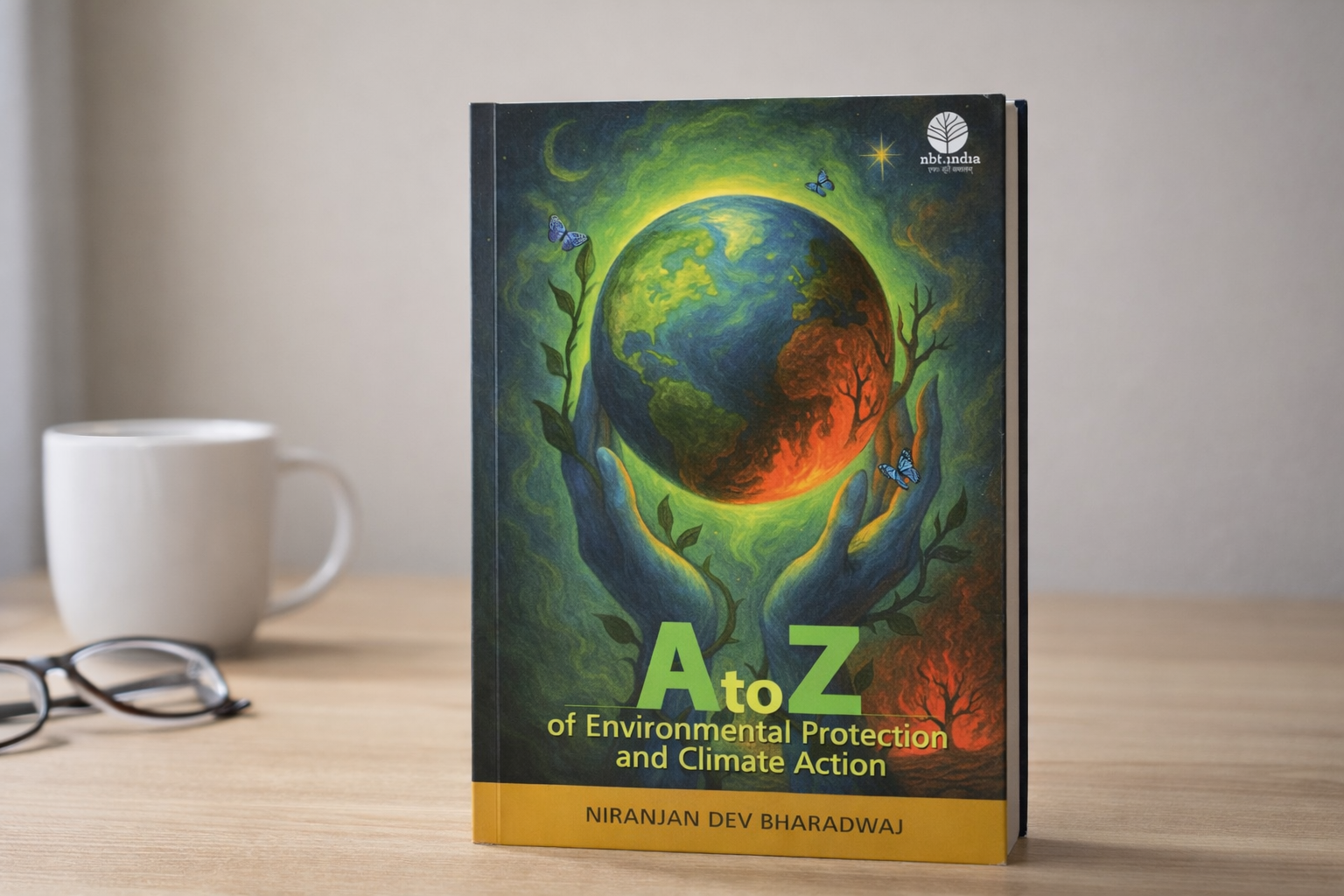
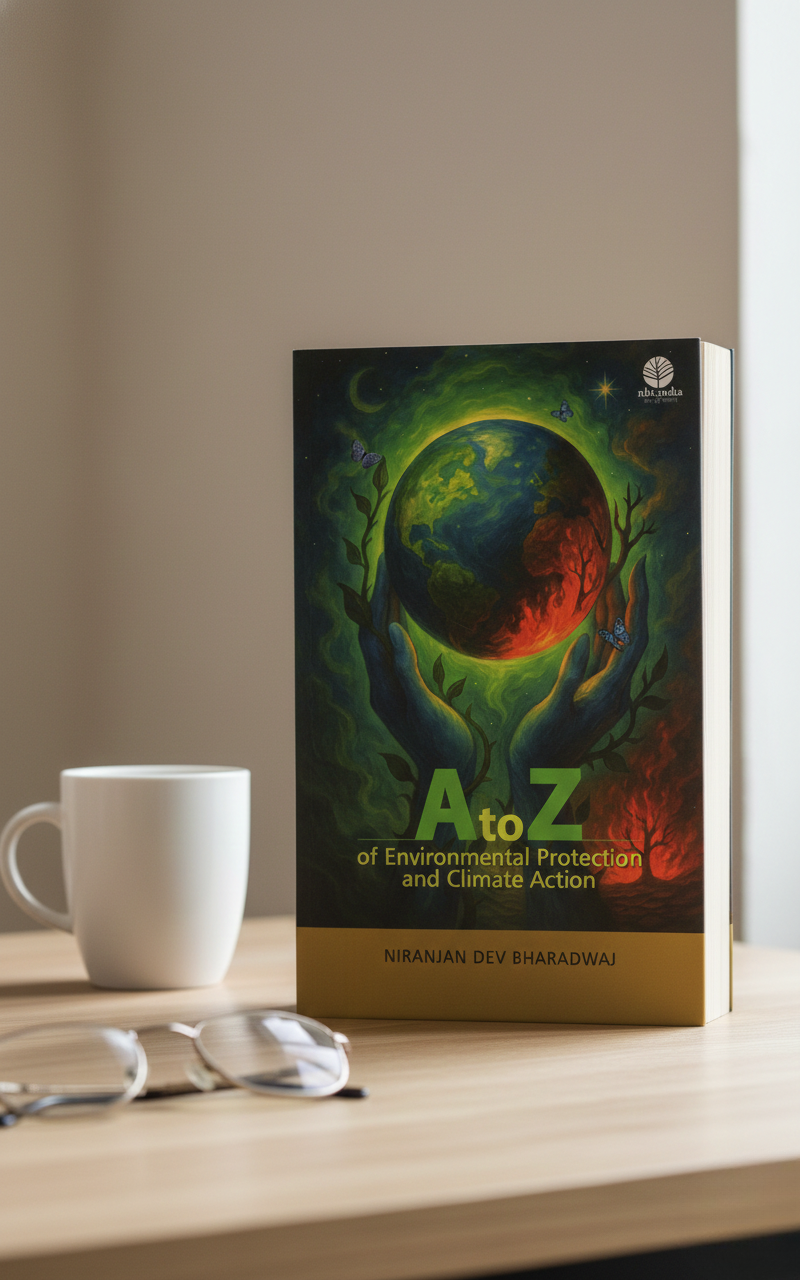
When I first picked up A to Z Of Environmental Protection and Climate Action by Niranjan Dev Bharadwaj, I thought I knew exactly what kind of book it would be. Informative. Well meaning. Useful in a textbook sort of way. The kind of book you respect more than you feel.
But then I started reading through the contents, flipping pages slowly, and something unexpected happened. I didn’t rush. I didn’t skim. I found myself pausing after certain sections, staring at the page, thinking about small things in my own daily life. The way I waste water without noticing. The way I mentally separate “climate issues” from my everyday choices. That surprised me.
In my years of reading and reviewing books across genres, I’ve learned that when a non fiction book quietly nudges you instead of shouting at you, it tends to stay longer in your mind. This one does that in its own steady way.
What the Book Is About
At its core, A to Z Of Environmental Protection and Climate Action uses a simple but thoughtful structure. The entire book is organized around the English alphabet. Each letter becomes an entry point into an idea, a concept, or a practice connected to environmental protection and climate action.
What I appreciated is that this is not just clever formatting. The structure actually works. From early chapters that focus on foundational ideas like awareness, responsibility, and conservation, the book gradually moves into more layered conversations around sustainability, resilience, innovation, and long term thinking.
Looking at the contents pages tells you a lot. There is a clear progression. It starts with why environmental protection matters at all, then moves into urgency, then into action. Chapters like “The Imperative of Environmental Protection” and “The Urgency of Climate Action: Why It’s High Time for the World” set the tone. After that, the alphabet based framework kicks in, with each letter offering a specific lens.
This is not a book that assumes the reader is already an expert. At the same time, it does not talk down to you. It feels like the author is saying, “Let’s sit with this together and think it through.”
What Stood Out to Me
One thing I kept noticing was how practical the book wants to be. The blurb calls it a handbook for change, and that feels accurate. This is not theory heavy in a way that feels distant. The language stays grounded. The ideas keep circling back to everyday actions, personal responsibility, and collective impact.
I liked how the alphabet framework makes the book easy to dip into. You do not feel pressured to read it in one straight line. You can open a chapter, read a section, and walk away with one clear idea to reflect on. That makes it especially accessible for readers who might feel overwhelmed by climate conversations.
Another detail I appreciated is the balance between urgency and hope. Climate related writing often leans heavily into fear, sometimes to the point where readers shut down. Here, there is a clear acknowledgment of crisis, but it is paired with agency. The message seems to be that individual actions matter, not in a naive way, but as part of a larger cultural shift.
The internal pages also suggest careful organization. The pacing feels deliberate. You can tell the author has thought about how a reader might emotionally process this information, not just intellectually.
The Emotional Core
I wasn’t expecting this book to feel personal, but in small ways, it does. Not because it tells emotional stories, but because it keeps asking the reader to look inward.
There were moments where I caught myself thinking, “I know this already, but I don’t always live it.” That gap between knowing and doing is where this book quietly sits. It does not shame you. It does not accuse. It just lays things out and lets you reflect.
Some parts hit differently if you are someone who already cares about sustainability but struggles with consistency. Other parts might resonate more with readers who are newer to these conversations and want a starting point that feels manageable.
Honestly, I think the emotional strength of this book lies in its steadiness. It does not try to overwhelm you into action. It tries to walk with you.
Who This Book Is For
This book is a good fit for a wide range of readers, but it will especially work for certain people.
If you are someone who wants to understand environmental protection without wading through dense academic language, this book will feel welcoming.
If you are a teacher, student, policy curious reader, or even a parent trying to make sense of how to talk about climate issues at home, there is a lot here you can use.
It might not fully satisfy readers looking for deep scientific data or highly technical policy analysis. That is not what it is trying to be. Instead, it focuses on mindset, values, and everyday action.
And honestly, if you are someone who feels climate fatigue, that heavy sense of “everything is wrong and nothing I do matters,” this book might offer a gentler way back into the conversation.
Final Thoughts
I’ve read many books on environmental issues over the years, and a lot of them blur together after a while. A to Z Of Environmental Protection and Climate Action does not feel like it’s trying to compete for attention. It feels like it’s trying to be useful.
As an editor, I value books that respect the reader’s intelligence while also respecting their emotional limits. This one does that more often than not. There are moments where the writing could have used a bit more narrative warmth, and a few sections feel more instructional than reflective. But those are small things.
In 2025, when conversations around climate change often feel polarized or performative, this book feels grounded. It reminds you that change is not only about grand gestures. It is also about awareness, consistency, and care.
I’m glad I spent time with it. And more importantly, I’m glad it made me pause.

With over 11 years of experience in the publishing industry, Priya Srivastava has become a trusted guide for hundreds of authors navigating the challenging path from manuscript to marketplace. As Editor-in-Chief of Deified Publications, she combines the precision of a publishing professional with the empathy of a mentor who truly understands the fears, hopes, and dreams of both first-time and seasoned writers.