
Rating:
⭐⭐⭐⭐1/2 (4.5 out of 5)
As someone who has spent more than fifteen years reading and reviewing books, I have developed a certain skepticism toward books built around a literary gimmick. Whenever I hear that a book follows a strict format, I immediately wonder whether the format serves the story or whether the story ends up serving the format.
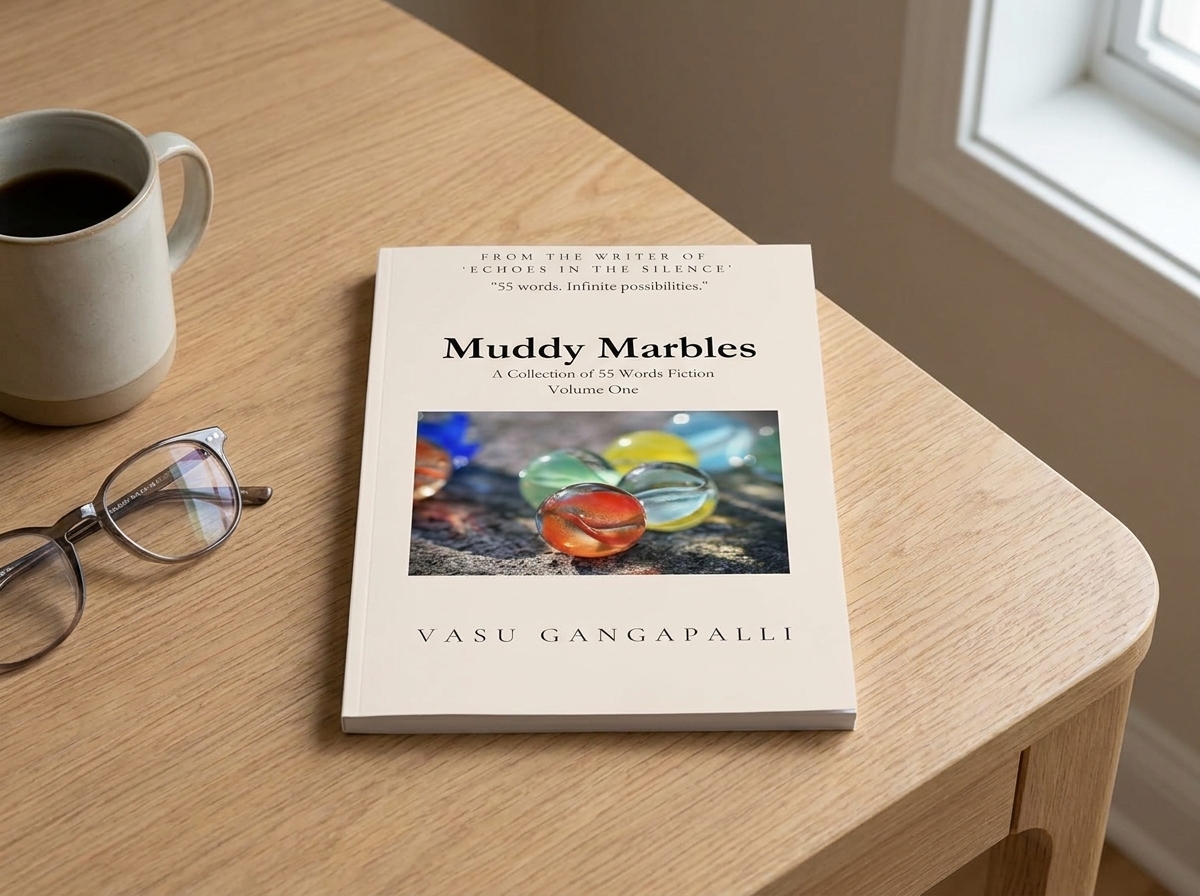
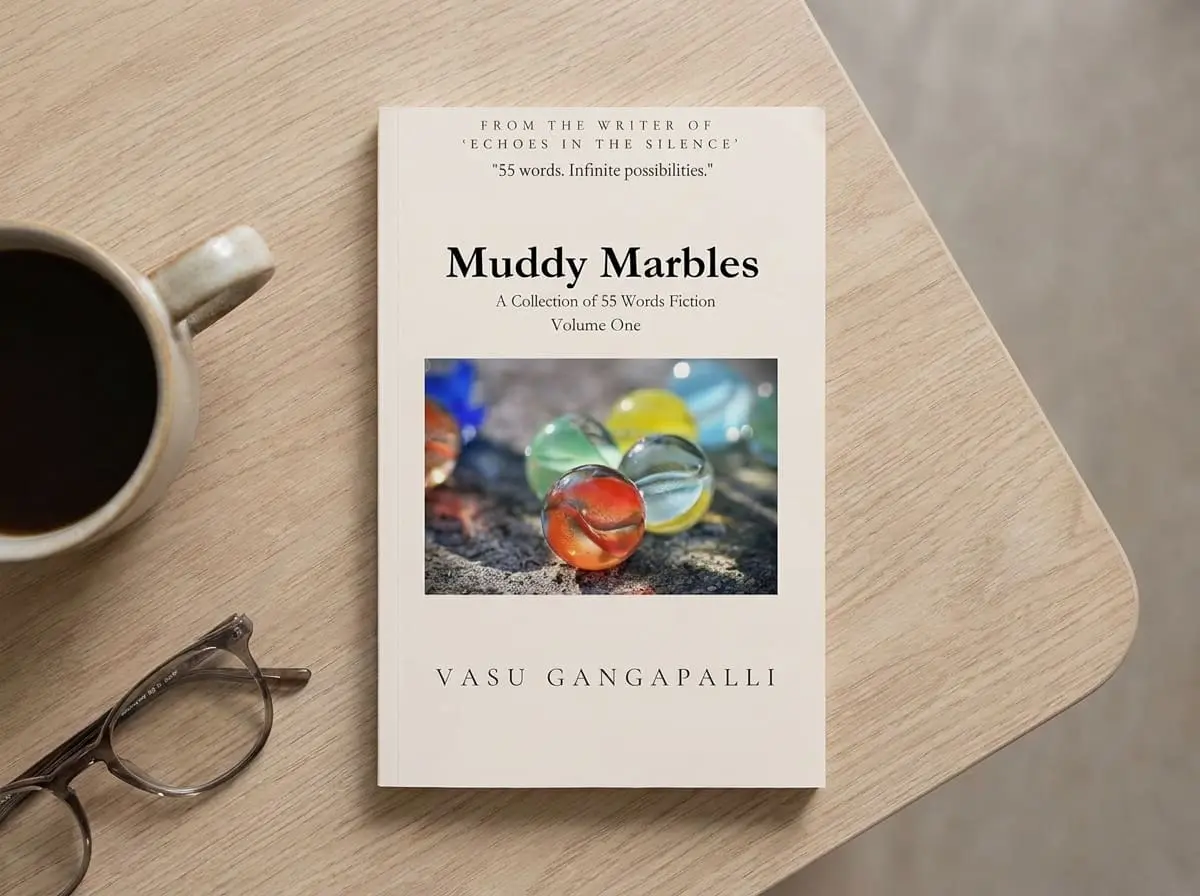
That question was very much on my mind while reading Muddy Marbles: 55 Fiction by Vasu Gangapalli.
The entire collection is built around a simple but demanding rule. Every story contains exactly fifty five words.
At first glance, that sounds almost impossible. Most writers struggle to build a memorable scene in five hundred words, let alone fifty five. Yet after spending time with this collection, I realized that the book is not trying to compete with traditional short story anthologies. It is attempting something different. These stories are snapshots. Sometimes they feel like jokes with an emotional twist. Sometimes they resemble miniature horror tales. Sometimes they capture a lifetime of love, regret, grief, or hope in less than a minute of reading.
What surprised me most was how often these tiny stories managed to create an emotional response despite their limitations.
What the Book Is About
Muddy Marbles is a collection of fifty five microfiction stories covering a wide range of themes. Love, friendship, loss, aging, parenthood, loneliness, memory, horror, fantasy, technology, and human relationships all find a place within its pages.
The variety is one of the book’s strengths.
One moment you are reading a touching story about a father comforting his child during a Ganesh idol immersion in “Letting Go.” A few pages later you encounter “Unknown Number,” where a grandmother appears to call from the afterlife. Then comes a story like “Friendship,” which compresses decades of companionship into a few carefully chosen lines. Elsewhere, stories move into horror territory with haunted flats, mysterious reflections, graveyards, black cats, and supernatural encounters.
The collection never remains in one emotional register for long. That unpredictability becomes part of the reading experience. You never quite know whether the next page will make you smile, laugh, feel sad, or glance over your shoulder.
What also becomes apparent is that Vasu Gangapalli enjoys twist endings. Many stories build toward a final sentence that completely changes the reader’s understanding of what came before. Sometimes the twist is emotional. Sometimes it is humorous. Sometimes it is dark.
Because of the format, every word carries weight. There is no room for lengthy descriptions or elaborate worldbuilding. The stories depend on implication. Readers are invited to fill the gaps themselves.
What Stood Out to Me
The first thing that stood out was the sheer versatility of the collection.
Microfiction can easily become repetitive because writers often rely on the same trick repeatedly. Here, however, the author experiments with different moods and genres.
Take “The Matter of Time.” On the surface, it reads like a conversation about Covid and human worry. Then the final line reveals that the conversation is taking place between the Moon and Earth. In just a few words, an ordinary discussion suddenly acquires a cosmic perspective.
Then there is “Search,” which initially feels like a story about someone desperately looking for a lost loved one. The emotional tension builds naturally before the final reveal shows that the object of the search is actually a copy of The Alchemist hidden on a bookstore shelf. It is a simple twist, but it works because many book lovers will immediately relate to the excitement of finally finding a book they have been searching for.
Several stories dealing with aging and memory left a particularly strong impression on me.
“The Proposal” is one of the most moving pieces in the collection. An elderly man wakes up believing he is young again and prepares to propose. The reader gradually realizes that Alzheimer’s has blurred the boundaries between past and present. What makes the story effective is that it avoids sentimentality. The emotion comes naturally from the situation itself.
Similarly, “Losing It” uses only a handful of lines to address memory loss. A woman believes she has lost her memories, and another character reassures her by presenting a box of diaries she had written. There is something deeply human in that idea. Many of us preserve pieces of ourselves through photographs, journals, letters, and books.
I also appreciated the recurring theme of books and reading throughout the anthology.
In “True Love,” a woman finds the romance she longs for not in real life but within the pages of a book. In “Eternal Love,” a young woman falls in love with Mr. Darcy and imagines him living forever between the pages of Pride and Prejudice. These stories reflect something many readers understand but rarely articulate. Fictional characters can sometimes feel surprisingly real.
The horror stories deserve mention as well.
“Night Walk,” “The Flat Upstairs,” “The Black Cat,” and “Two Strangers” all demonstrate how effectively microfiction can work in horror. Horror often relies on suggestion rather than explanation, and fifty five words force the writer to focus on precisely that.
The image of hearing a rocking chair in an apartment occupied by a man who recently died is difficult to forget. Likewise, the graveyard conversation in “Two Strangers” builds an eerie atmosphere with remarkable efficiency.
The Emotional Core
At its heart, Muddy Marbles feels like a book about human experiences that transcend age, geography, and circumstance.
Parents and children appear repeatedly throughout the collection. So do grandparents. So do people dealing with loneliness, grief, memory, and longing.
One story that affected me more than I expected was “Unspoken Words.” The premise is simple. A man stands at a grave wishing he had expressed his love while the person was alive. It is not a new idea, but the brevity actually strengthens the emotional impact. There is no room for distractions. The regret arrives directly and immediately.
“Letting Go” works similarly. A little girl releasing a Ganesh idol into the water while asking whether it will return again captures something universal about childhood attachment and faith.
Even some of the humorous stories contain emotional undertones. “Runaway,” which involves elderly residents escaping an old age home, initially feels amusing. Then you start thinking about why they wanted to leave in the first place.
That ability to create multiple layers within such a small space is perhaps the collection’s greatest achievement.
I should mention that not every story lands equally well. That is almost inevitable in a collection containing fifty five pieces. Some twists feel more predictable than others. A few stories end just as they become interesting, leaving me wishing for another paragraph or two.
But strangely, that incompleteness becomes part of the charm. The stories often function like sparks. Their purpose is not to tell you everything. Their purpose is to ignite an idea.
In 2026, when attention spans are constantly shrinking and readers are balancing countless demands on their time, there is something refreshing about a collection that respects brevity without sacrificing emotion.
Who This Book Is For
This book will likely appeal to several different kinds of readers.
If you enjoy flash fiction or microfiction, there is plenty here to appreciate. The collection demonstrates how much can be achieved within a highly restrictive format.
If you enjoy twist endings, many stories will satisfy that preference.
If you like reading a few pages before bed rather than committing to long chapters, this format works wonderfully. You can read one story, reflect on it, and return later for another.
Readers who enjoy horror, emotional fiction, speculative fiction, and relationship centered stories will all find something here because the collection moves across genres so freely.
At the same time, readers looking for deep character development or complex plots should approach the book with the right expectations. These stories are miniature experiences. They are designed to create impact through compression rather than depth.
Final Thoughts
What impressed me most about Muddy Marbles: 55 Fiction is not that every story is exactly fifty five words long. The impressive part is that the format rarely feels restrictive.
Vasu Gangapalli understands that brevity is not merely about using fewer words. It is about choosing better ones.
Some stories made me smile. Some made me sad. A few genuinely surprised me. Several reminded me why short fiction remains such a fascinating literary form.
As an editor, I know how difficult it is to remove words from a story. Most writers want more space. This collection demonstrates discipline. It shows confidence in the reader’s imagination.
Will every story work for every reader? Probably not.
Will some stories linger in your mind long after you finish the book? I think many of them will.
For readers curious about what storytelling can achieve within strict boundaries, Muddy Marbles offers a rewarding experience.
FAQ
Is Muddy Marbles worth reading?
If you enjoy short fiction, twist endings, and stories that deliver emotional or imaginative ideas quickly, yes. The collection offers impressive variety within a very challenging format.
Who should read Muddy Marbles by Vasu Gangapalli?
Readers who enjoy flash fiction, microfiction, speculative fiction, emotional storytelling, and anthology collections will likely enjoy this book.
What is Muddy Marbles about?
It is a collection of fifty five microfiction stories, each exactly fifty five words long. The stories cover themes such as love, loss, memory, friendship, aging, horror, hope, and human relationships.
Does the 55 word format actually work?
Surprisingly, yes. While some stories naturally feel brief, many achieve a complete emotional or narrative arc despite the strict word limit.
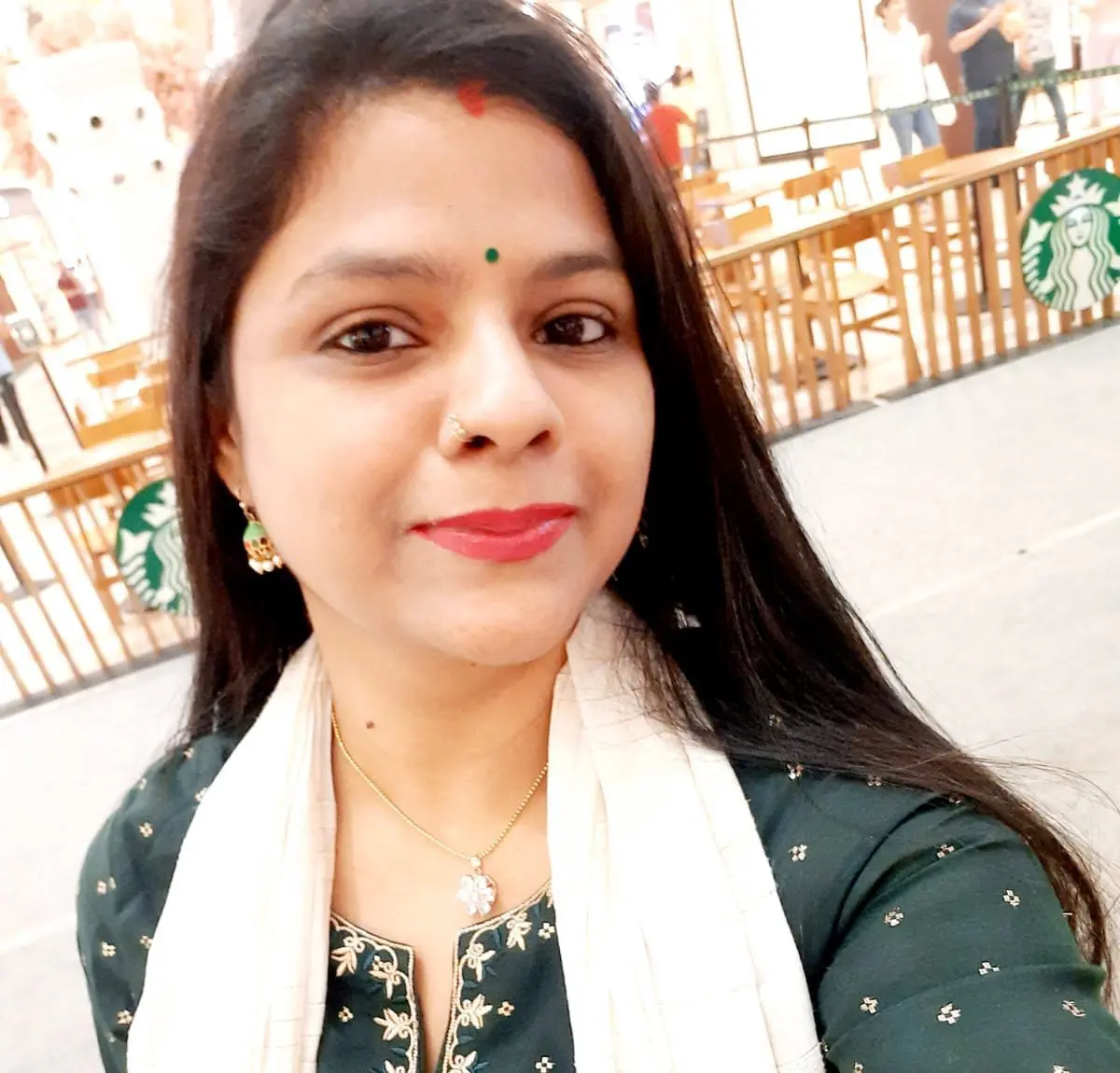
With over 11 years of experience in the publishing industry, Priya Srivastava has become a trusted guide for hundreds of authors navigating the challenging path from manuscript to marketplace. As Editor-in-Chief of Deified Publications, she combines the precision of a publishing professional with the empathy of a mentor who truly understands the fears, hopes, and dreams of both first-time and seasoned writers.