
Rating:
⭐⭐⭐⭐ (4.4 out of 5)
As someone who has spent years reading novels, memoirs, literary fiction, commercial fiction, poetry collections, and everything in between, I’ve learned that not every book tries to impress you with complexity. Some books simply sit across from you like an old family friend and start talking about life.
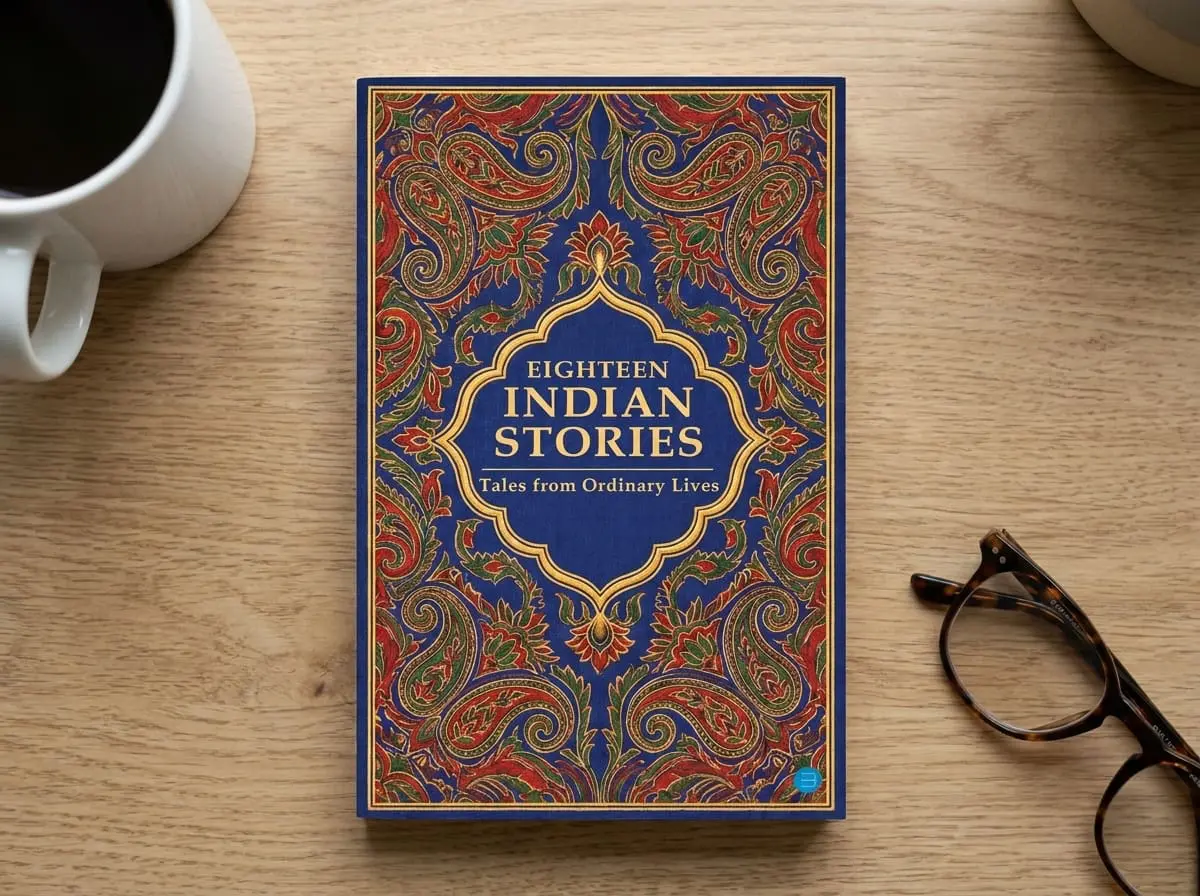
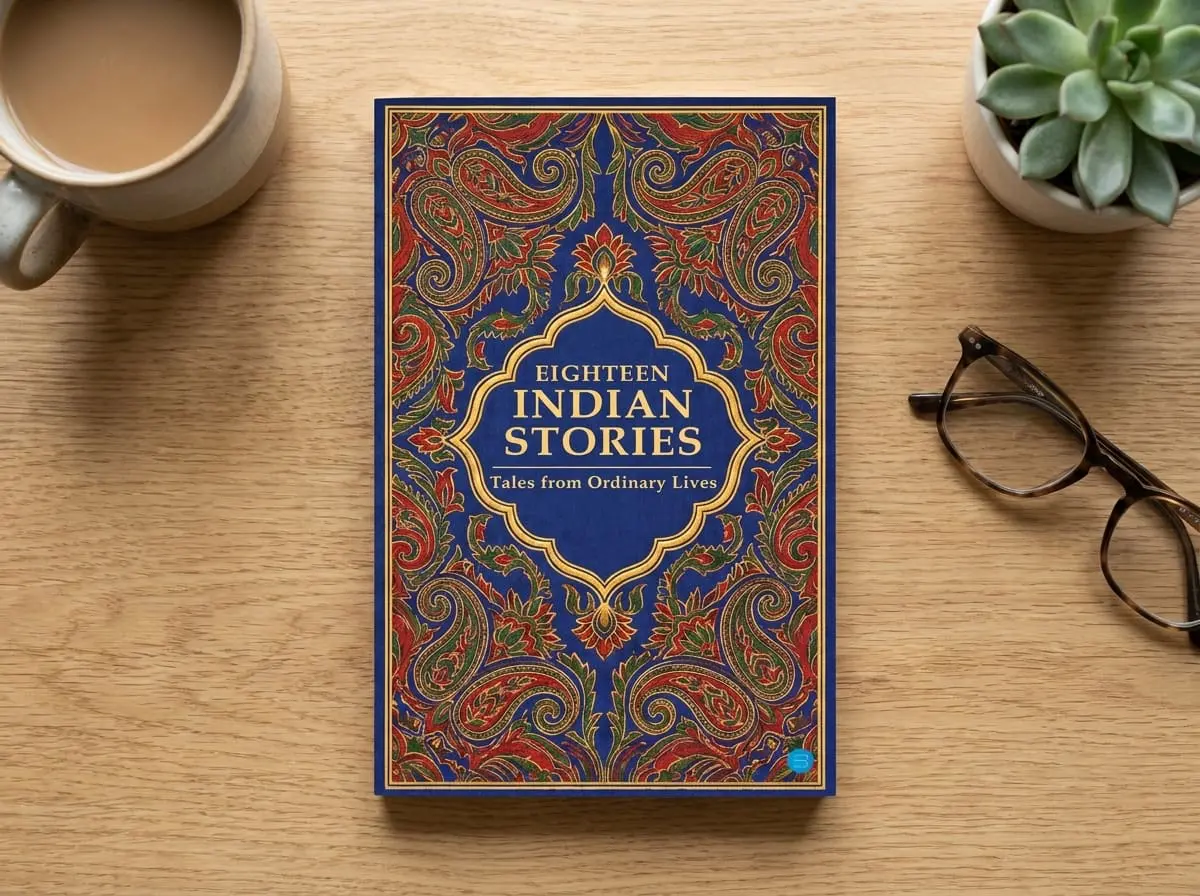
That was my experience with Eighteen Indian Stories by Gopinath S.
When I first looked at the title, I expected a collection of independent stories about everyday Indian families. And yes, that’s exactly what this book is. But what surprised me was how strongly it leans into questions that many people discuss at dining tables, family gatherings, workplaces, and neighbourhood tea stalls. Marriage, family expectations, loneliness, ageing parents, childhood struggles, social responsibility, friendship, morality, and personal choices all find a place here.
Reading this collection felt a bit like listening to several generations of Indians sharing their experiences. Some stories are warm. Some are uncomfortable. Some are idealistic. A few are deliberately dramatic. But almost every story is trying to leave the reader with something to think about.
In 2026, when so much fiction is focused on fast thrills and constant twists, there is something unusual about a book that openly says, “I want to tell you a story and I want that story to mean something.”
What the Book Is About
Eighteen Indian Stories is a collection of short stories centered largely on middle class Indian families and the challenges they face.
The stories vary considerably in subject matter. Some focus on relationships and marriage, while others look at childhood, ageing, workplace dynamics, social issues, economic realities, and ethical dilemmas.
One of the most memorable stories in the collection is Aarav’s Father, which begins as a family drama and gradually transforms into a complicated question of parenthood, responsibility, and identity. What starts as a seemingly ordinary family narrative evolves into competing claims of fatherhood, hidden histories, courtroom revelations, and emotional confrontations.
Another story, Aditya’s Preteen Years’ Syndrome, is narrated through the eyes of a child. I found this perspective particularly interesting because it captures how children interpret adult decisions. Aditya’s frustrations with food, school, restrictions, and growing expectations feel surprisingly authentic. There is innocence in his voice, but there is also confusion that many children experience when adults assume they understand everything.
Akash and His Love Mate takes readers into workplace relationships, personal growth, and the complexities of marriage decisions in modern India. The story balances romance with practical concerns involving family approval, financial responsibilities, and social expectations.
The collection also includes stories such as Life of Senior Citizens, which examines ageing, loneliness, changing family structures, and the emotional realities faced by elderly parents whose children live far away. Honestly, this story hit harder than I expected. I’ve seen similar situations in real life where parents spend decades sacrificing for their children and then struggle to find their place in their later years.
There are also stories like Lockdown Wedding Blues, which immediately brought back memories of the pandemic era. Reading it reminded me how drastically everyday life changed during that period and how people adapted their dreams and relationships around circumstances beyond their control.
Then there are more socially focused stories such as Shark Banks, a satirical piece using an unusual format to discuss economics, international relations, and development challenges in South Asia.
The collection is not restricted to one genre. It moves between family drama, social commentary, romance, satire, and moral storytelling.
What Stood Out to Me
The biggest strength of Eighteen Indian Stories is its sincerity.
Gopinath S is not trying to create mysterious literary puzzles. He is not hiding meanings beneath layers of symbolism. His storytelling approach is direct. He presents situations, introduces conflicts, and allows characters to navigate them while highlighting the consequences of their actions.
I noticed that many stories function almost like modern parables. They are designed not only to entertain but also to encourage reflection.
For example, Life of Senior Citizens raises difficult questions about responsibility toward ageing parents. The story doesn’t present a perfect solution. Instead, it shows how circumstances, distance, careers, and modern lifestyles gradually reshape family relationships.
Similarly, Lockdown Wedding Blues captures how unexpected events can alter life plans while also highlighting resilience and adaptation.
I also appreciated how many stories focus on people who rarely become central characters in mainstream fiction. Working professionals, retirees, children, homemakers, office employees, and ordinary middle class families occupy the spotlight here.
Another thing that stood out was the author’s willingness to tackle sensitive topics. Some stories address uncomfortable realities involving family conflict, manipulation, loneliness, emotional neglect, and abuse. These sections are not always easy to read, but they reflect the author’s desire to discuss issues that exist in society rather than avoiding them.
From a craft perspective, the book relies heavily on dialogue. Many scenes unfold through conversations between characters. This gives the stories a conversational rhythm that often feels similar to listening to real people discussing their lives.
That said, I think some readers may find certain stories more message driven than character driven. There are moments where the moral lesson becomes more prominent than subtle storytelling. Whether that works for you will depend on your reading preferences.
Personally, I didn’t mind it because the author’s intentions are clear from the beginning.
The Emotional Core
At its heart, this collection is about human relationships.
- Parents and children.
- Husbands and wives.
- Friends.
- Colleagues.
- Communities.
Almost every story asks a variation of the same question: How should people treat one another? That may sound simple, but the answers are often complicated.
I found myself thinking about Aarav’s Father long after finishing it because beneath all its dramatic developments lies a question about what truly makes someone a parent. Biology? Sacrifice? Love? Responsibility? The story invites readers to consider all of these possibilities.
Aditya’s Preteen Years’ Syndrome brought back memories of childhood frustrations many adults forget. Reading Aditya’s thoughts reminded me how powerless children sometimes feel when adults make decisions for them.
Life of Senior Citizens carries a different emotional weight. It reflects fears that many people rarely discuss openly: growing old, becoming dependent, feeling forgotten, and trying to maintain dignity despite changing circumstances.
Some stories left me smiling. Others made me uncomfortable. A few made me shake my head at the choices characters were making.
And honestly, that’s probably the point.
The book wants readers to engage emotionally with these situations rather than simply observe them from a distance.
Who This Book Is For
I think Eighteen Indian Stories will appeal most to readers who enjoy stories rooted in everyday life rather than fantasy, crime thrillers, or heavily experimental fiction.
If you enjoy family dramas, social observations, and stories that carry clear moral messages, there is a good chance you’ll connect with this collection.
Readers who grew up in Indian middle class households may find many situations familiar. Parents, grandparents, office workers, and mature readers may especially appreciate the themes involving responsibility, relationships, and social values.
Younger readers can also gain insight into how different generations think and why certain family expectations continue to shape people’s lives.
However, if you’re looking for highly literary prose, psychological complexity, or subtle ambiguity, this book may not always deliver what you’re seeking. The author generally prefers clarity over interpretation.
Final Thoughts
As Editor in Chief at Deified Publication, I read books across many genres every year. Some books impress me technically. Others connect emotionally. Eighteen Indian Stories belongs firmly in the second category.
This collection isn’t trying to reinvent storytelling. Instead, it focuses on something older and perhaps more difficult: telling meaningful stories about ordinary people.
What I appreciated most was the author’s genuine concern for the people he writes about. Whether he is discussing a child struggling to understand adulthood, a young couple navigating marriage, or elderly parents facing loneliness, there is an underlying belief that stories can teach us something about living better lives.
Not every story worked equally well for me. A few felt longer than necessary, and occasionally the message became more visible than the narrative itself. But overall, the collection offers a sincere portrait of Indian family life and social realities.
If you enjoy story collections that blend entertainment with reflection, Eighteen Indian Stories by Gopinath S is worth considering.
FAQs
Is Eighteen Indian Stories worth reading?
If you enjoy stories about family life, social issues, relationships, and moral choices, I think you’ll find plenty to appreciate in this collection.
What is Eighteen Indian Stories about?
The book is a collection of eighteen stories centered on Indian middle class families, covering themes such as marriage, childhood, ageing, workplace relationships, social responsibility, and personal values.
Who should read Eighteen Indian Stories?
Readers who enjoy realistic fiction, family dramas, and story collections with meaningful life lessons will likely connect with this book.
Is Eighteen Indian Stories a novel or a short story collection?
It is a short story collection featuring eighteen independent stories connected by their focus on Indian society and human relationships.

With over 11 years of experience in the publishing industry, Priya Srivastava has become a trusted guide for hundreds of authors navigating the challenging path from manuscript to marketplace. As Editor-in-Chief of Deified Publications, she combines the precision of a publishing professional with the empathy of a mentor who truly understands the fears, hopes, and dreams of both first-time and seasoned writers.