
Rating:
⭐⭐⭐⭐½ (4.5 out of 5)
As someone who has spent more than fifteen years reading books across genres, I have noticed that nostalgia is one of the hardest emotions to write well. Many authors try to recreate the past by listing old objects, old songs, or old places. But nostalgia is not really about objects. It is about how those objects made us feel.
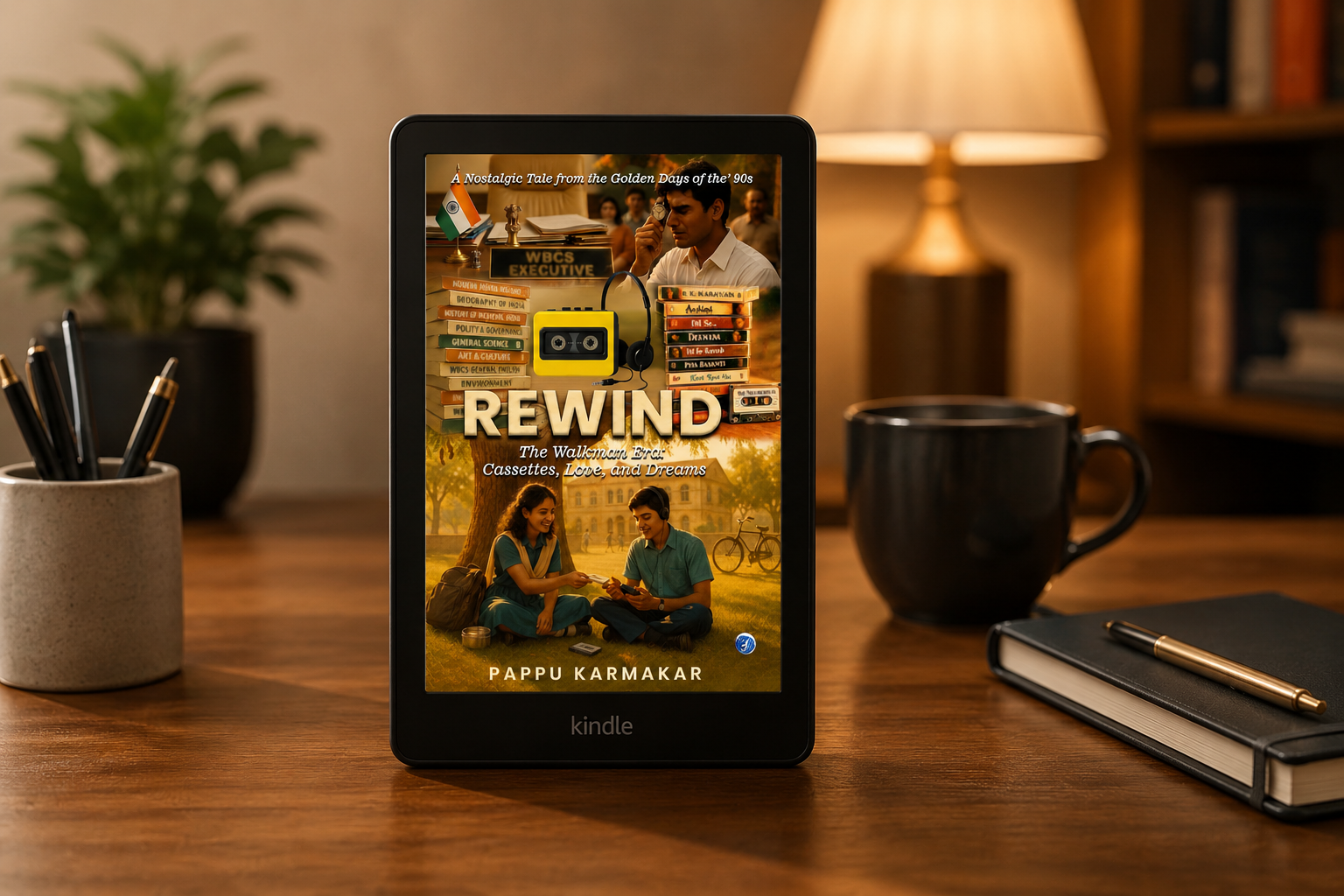
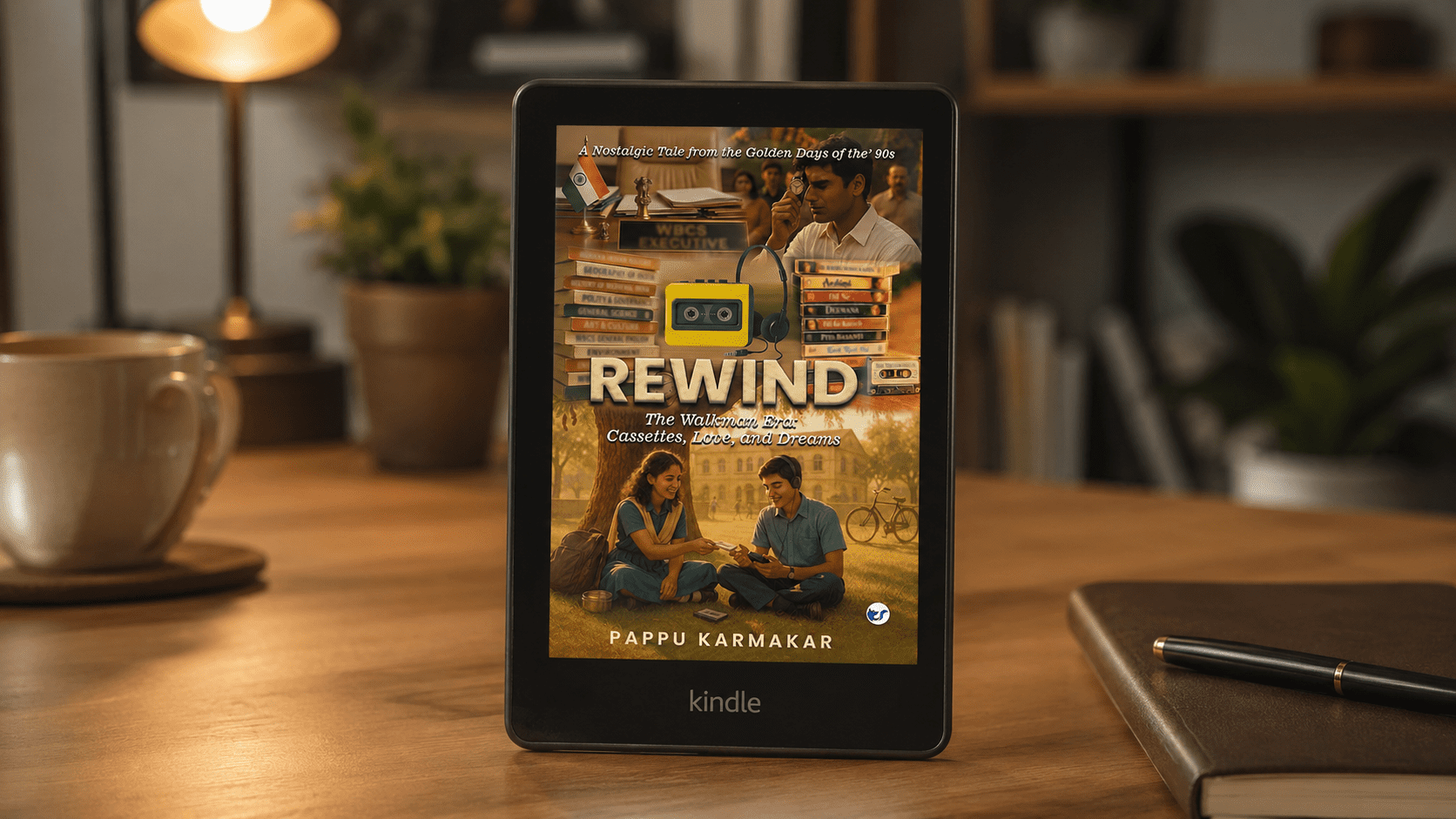
That is what struck me most while reading Rewind: The Walkman Era: Cassettes, Love, and Dreams by Pappu Karmakar. On the surface, this is a story about a young boy named Aakash, his love for music, his dream of owning a Walkman, and the relationships that shape his life. Beneath that, however, lies something much more universal. It is a story about aspiration, first love, friendship, sacrifice, memory, and the strange way certain songs can instantly transport us back to a particular moment in our lives.
I grew up during a period when technology was changing rapidly. Reading this book reminded me of a time when listening to music required patience. You waited for your favourite song on television. You rewound cassettes. You treasured every recording. That emotional landscape forms the heart of this novel.
As Editor in Chief at Deified Publication, I read many books that attempt to blend nostalgia with emotional storytelling. Some become overly sentimental. Others focus so heavily on memories that they forget to tell a meaningful story. Rewind manages to maintain a balance between the two.
What the Book Is About
The novel begins in a small village in West Bengal during the late 1990s. Aakash is a sixteen year old boy whose biggest dream is surprisingly simple. He wants a Walkman.
For younger readers, that might sound insignificant. For those who lived through the cassette era, it represents something much bigger. The Walkman symbolizes independence, imagination, and access to a world beyond one’s immediate surroundings.
Aakash comes from a modest background. He paints signboards, writes number plates, and even creates portraits to earn money. Every rupee matters. Yet his desire for music keeps pushing him forward.
What I liked here is that the book never treats Aakash’s dream as foolish. Instead, it presents it as the dream of a teenager who finds joy and inspiration through music. His determination to save money for a Walkman becomes one of the earliest indicators of his character.
Alongside this personal ambition, the novel gradually introduces important relationships. There is Dinesh, his loyal friend. There is his mother, Kamala Devi, whose strictness comes from concern rather than cruelty. There is his elder sister Avani, whose marriage changes the dynamic of the household. And then there is Rohini.
The chapter “Ek Ladki Ko Dekha Toh…” provides one of the most memorable moments in the book. During a Saraswati Puja celebration, Aakash hears a girl singing. Drawn by the voice, he turns toward the stage and sees Rohini for the first time. It is a scene many readers will immediately recognize. Not because it is dramatic, but because it captures the innocent wonder of first attraction.
As the story progresses, music becomes the thread connecting different phases of life. Friendship, study sessions, ambitions, separation, memories, and eventual reconnection all seem tied together through songs, cassettes, and shared musical experiences.
What Stood Out to Me
The strongest aspect of Rewind is undoubtedly its atmosphere.
Pappu Karmakar recreates the late 1990s with remarkable affection. MTV playing music videos. Passport photos requiring a trip to a nearby town. School friends travelling on bus rooftops. Audio cassettes with Side A and Side B. The excitement surrounding a Walkman. These details never feel forced. They emerge naturally from the story.
I particularly enjoyed the scenes involving Aakash’s relentless pursuit of his dream. There is something deeply relatable about watching a young person work toward something others consider trivial but which means everything to them.
The friendship between Aakash and Dinesh also deserves mention. In many coming of age stories, friends exist only to move the plot forward. Here, Dinesh feels genuine. Their conversations about music, money, cricket, and dreams capture the rhythm of teenage friendship.
Another aspect that impressed me was the portrayal of family relationships. The interaction between Aakash and his mother feels authentic. She worries about studies, financial limitations, and practical realities. Aakash dreams about music and possibility. Neither side is entirely right or wrong.
The book also handles sibling relationships with warmth. The chapter involving Avani highlights how growing up changes family dynamics. The playful arguments of childhood eventually become cherished memories.
Then there is Rohini.
What makes her presence effective is that she is connected not only to romance but also to music itself. The first impression readers receive of her is through her voice. Throughout the story, music appears intertwined with memory, affection, and emotional connection.
The Emotional Core
I think the emotional center of Rewind is not romance alone.
At first glance, readers may assume this is primarily a love story. It certainly contains romantic elements. Yet the deeper emotional current concerns dreams and perseverance.
Aakash begins as a village boy painting signboards and saving coins for a Walkman. By the epilogue, he has become a WBCS Executive Officer. That transformation gives the novel much of its emotional weight.
Importantly, the story does not portray success as an overnight achievement. We see glimpses of struggle, discipline, sacrifice, and commitment. There are moments when Aakash’s academic goals demand tremendous effort. There are moments when helping others comes at a personal cost. There are moments when memory itself becomes painful.
One scene that particularly affected me occurs later in the story when Aakash listens to Rohini’s recorded voice through his Walkman. Music becomes a vessel carrying memory across time and distance. Anyone who has ever associated a particular song with a particular person will understand the feeling immediately.
I also appreciated the novel’s treatment of grief and loss. The visible sections suggest that life does not always unfold according to plan. Dreams are delayed. People are separated. Circumstances change. Yet the story consistently returns to hope.
In 2026, when many readers feel overwhelmed by speed, algorithms, and constant digital noise, this message feels especially meaningful. The novel reminds us that meaningful connections are often built slowly through shared experiences, conversations, and memories.
Who This Book Is For
This book will appeal strongly to readers who enjoy nostalgic coming of age stories.
If you grew up during the 1990s or early 2000s, many scenes will likely bring back memories. The references to cassettes, Walkmans, MTV, local music shops, and small town life create a sense of familiarity that older readers may find particularly enjoyable.
At the same time, younger readers can appreciate the story as a portrait of a different era. The emotional themes remain timeless even if the technology has changed.
Readers who enjoy character driven fiction rather than fast paced thrillers will probably connect with this novel more deeply. The focus remains on relationships, growth, aspirations, and emotional milestones.
Those looking for stories about education, perseverance, friendship, and first love will also find much to enjoy here.
Final Thoughts
Rewind: The Walkman Era: Cassettes, Love, and Dreams succeeds because it understands that nostalgia alone is never enough. The cassette tapes, music players, and songs matter because they are attached to real emotions and real people.
Pappu Karmakar has created a story that celebrates friendship, family, music, ambition, and love without becoming overly dramatic. The world feels lived in. The characters feel sincere. Most importantly, Aakash’s journey feels earned.
If I have one minor reservation, it is that readers who prefer extremely fast moving plots may occasionally wish for a quicker pace. The novel often prioritizes atmosphere and emotional moments over urgency. Personally, I felt that choice suited the story being told.
What remained with me after finishing the available arc was not any single plot twist. It was the image of a young boy working patiently toward a dream while carrying music in his heart. Sometimes the most meaningful stories are built from simple desires and honest emotions.
And that is exactly where Rewind finds its strength.
FAQ
Is Rewind: The Walkman Era: Cassettes, Love, and Dreams worth reading?
Yes, especially for readers who enjoy nostalgic fiction, coming of age stories, and emotionally grounded relationships.
Who should read Rewind?
Anyone who loves stories about friendship, first love, music, personal growth, and the culture of the late 1990s.
What is Rewind about?
The novel follows Aakash, a village boy in West Bengal whose passion for music, dreams, education, and relationships shape his path from adolescence to adulthood.
Is the book only for readers who remember the Walkman era?
Not at all. Older readers may appreciate the nostalgia, but younger readers can still connect with the themes of ambition, friendship, love, and resilience.

With over 11 years of experience in the publishing industry, Priya Srivastava has become a trusted guide for hundreds of authors navigating the challenging path from manuscript to marketplace. As Editor-in-Chief of Deified Publications, she combines the precision of a publishing professional with the empathy of a mentor who truly understands the fears, hopes, and dreams of both first-time and seasoned writers.