
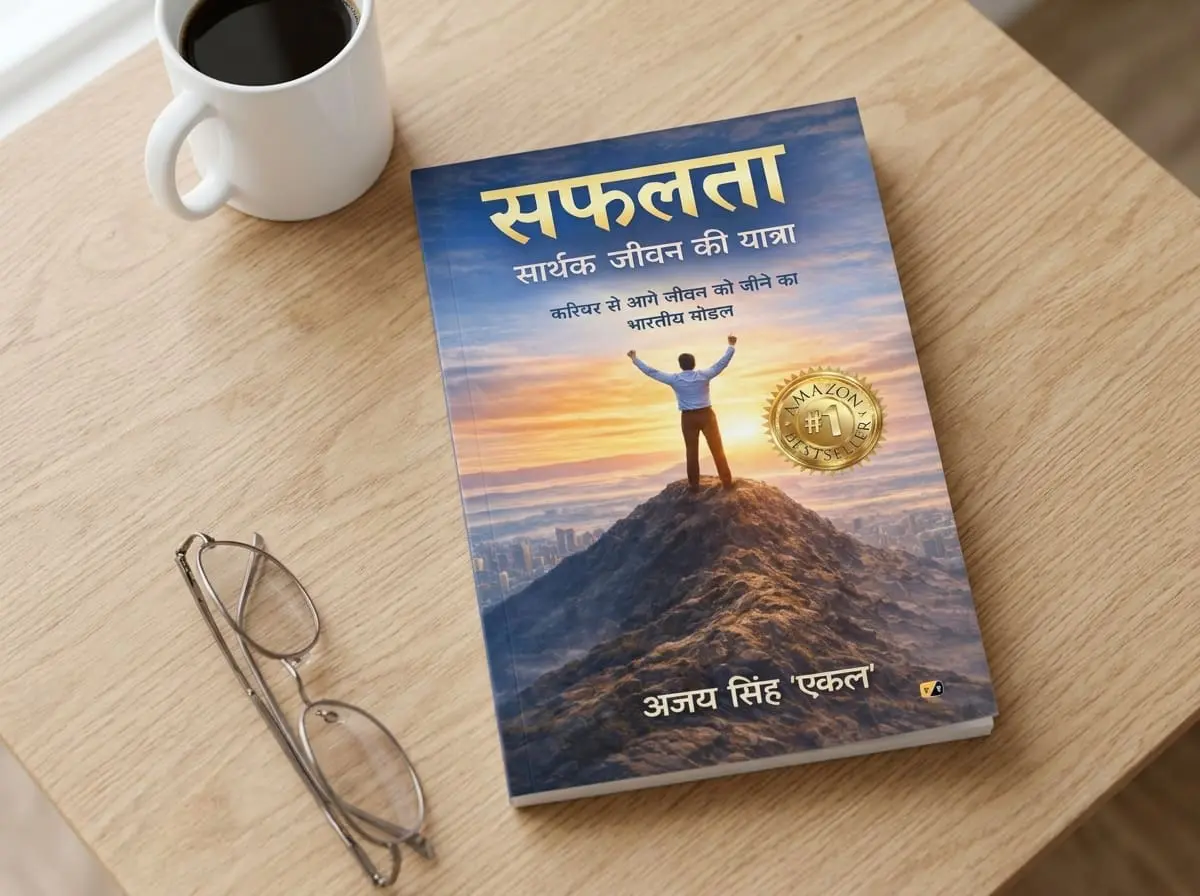
Rating:
⭐⭐⭐⭐ (4.3 out of 5)
As someone who has spent more than fifteen years reading and reviewing books, I have noticed something interesting about the self help genre. Most books promise transformation. Many promise confidence. Some promise wealth. A few promise happiness.
Very few stop and ask a simpler question.
What does success actually mean?
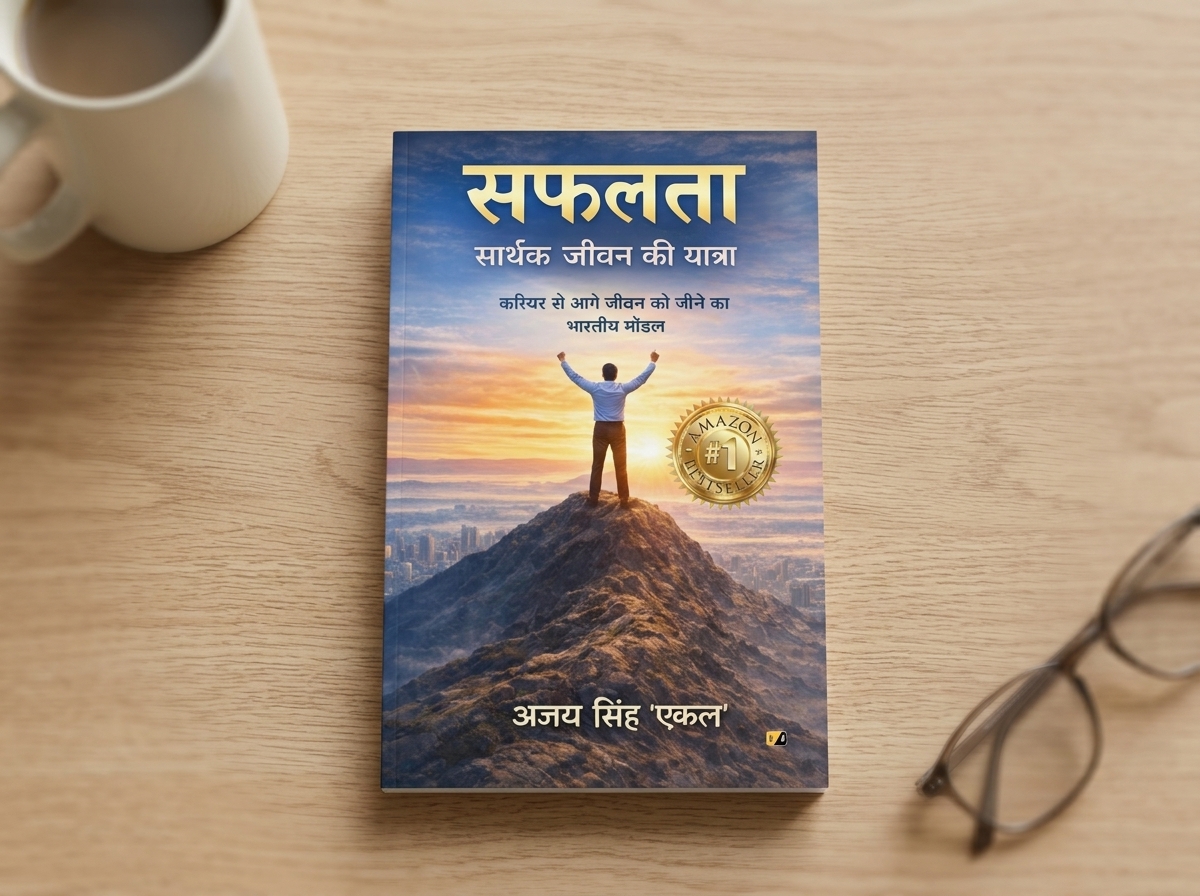
That question sits at the heart of “सफलता: सार्थक जीवन की यात्रा” by अजय सिंह ‘एकल’, and I think that is what makes this book different from many books sitting in the same category.
When I first looked at the title, I assumed it would be another motivational book built around achievement, career growth, and goal setting. There is certainly some of that here. The book talks about planning, discipline, education, work, leadership, health, relationships, self respect, and contribution. But as I moved through the chapters, I realized the author is attempting something broader.
He is trying to redefine success itself.
And honestly, in 2026, when people are measuring themselves through promotions, salaries, social media visibility, and endless comparison, that conversation feels relevant.
This is not a book that says success equals money.
It says success is bigger than that.
Sometimes much bigger.
What the Book Is About
At its core, सफलता: सार्थक जीवन की यात्रा argues that a meaningful life cannot be built on a single pillar.
The author repeatedly returns to the idea that human beings are multidimensional. Success cannot be reduced to career alone. Throughout the book, readers encounter discussions on physical success, family life, financial responsibility, fitness, education, self respect, relationships, contribution, planning, health, emotional balance, and spirituality.
One section that particularly caught my attention is the author’s framework around the “5 F” model. He discusses Faith, Family, Finance, Fitness, and Friends as essential dimensions of a balanced life. The idea itself is not entirely new, but the way it is integrated into the broader philosophy of meaningful living makes sense within the structure of the book.
Another recurring message is that achievement without balance creates problems of its own.
The author talks about people who succeed professionally but struggle in relationships. Others earn money but neglect health. Some become highly educated but lack emotional maturity. Throughout the book, he keeps bringing readers back to the same question:
What is the point of success if important parts of life are falling apart?
That question appears in different forms across multiple chapters.
What Stood Out to Me
The biggest strength of this book is that it feels practical.
Many motivational books remain trapped in abstract ideas. They tell readers to dream big, believe in themselves, and think positively. Those ideas sound nice, but readers are often left wondering what to do next.
अजय सिंह ‘एकल’ spends considerable time discussing action.
There are sections on planning. Sections on breaking goals into smaller milestones. Discussions about flexibility when plans fail. Advice about reviewing progress regularly instead of assuming the first plan will work perfectly.
I smiled when I reached the discussion around planning and flexibility because it reminded me of something I have seen repeatedly in real life.
People often believe successful individuals never change direction. The truth is the opposite. The people who succeed over long periods are usually the ones who adapt.
The author reflects that idea through discussions on reviewing plans, responding to changing circumstances, and focusing on progress rather than perfection.
Another interesting aspect is the chapter on education. Instead of treating education merely as degrees and certificates, the book presents learning as a lifelong process. There are references to practical skills, online courses, continuous development, and staying relevant in a changing world. For younger readers especially, I think this section offers useful perspective.
I also appreciated the chapter dealing with relationships. Many self improvement books focus heavily on individual success but rarely discuss the social side of life. Here, the author addresses healthy and unhealthy relationships, jealousy, manipulation, giving without expectation, and emotional maturity.
There is a passage discussing toxic relationships that felt surprisingly direct. Rather than romanticizing every relationship, the book acknowledges that some connections drain energy and damage growth.
That honesty helps.
Not every relationship deserves preservation simply because it exists.
The book also includes discussions around workplace leadership and management. One example compares different management approaches and highlights long term thinking versus short term gains. These examples help connect abstract principles with practical situations.
The Emotional Core of the Book
For me, the emotional center of सफलता is not ambition.
It is self respect. The blurb mentions this directly, and the book supports that promise through its content. Again and again, readers are encouraged to stop defining themselves through external validation.
Whether the discussion is about careers, relationships, education, criticism, or personal growth, the author keeps returning to the idea that your foundation must come from within.
There is a meaningful distinction throughout the book between confidence and arrogance.
The author encourages readers to value themselves without looking down on others.
That balance is harder than it sounds.
In my years reviewing books, I have seen many authors lean too heavily in one direction. Some preach endless humility until readers become passive. Others promote confidence so aggressively that it starts sounding like ego.
This book generally avoids both extremes. It argues for dignity. And I think that message will resonate with many readers who feel overlooked or underappreciated.
Another emotional thread running through the book is contribution.
Toward the later sections, the discussion expands beyond personal achievement and asks readers to think about legacy, community, volunteering, and helping others.
I liked this progression.
The book begins with the individual but does not end there.
It eventually asks what your success means for the people around you.
That gives the work a broader human dimension.
The Writing Style
The writing style is straightforward and conversational.
This is not a book filled with academic language or complex theories. Readers looking for deep psychological research may find the approach somewhat simple.
Personally, I think the simplicity is intentional.
The author seems more interested in accessibility than intellectual complexity.
Most chapters are broken into manageable sections. Bullet points, examples, reflective questions, and practical observations appear throughout the text.
There are moments where some ideas overlap across chapters. A few themes return multiple times, particularly around balance, planning, self respect, and meaningful success.
Some readers may feel a tighter edit could have reduced repetition.
At the same time, repetition is often part of how self development books reinforce important lessons.
Whether that works for you will depend on your reading preferences.
Who This Book Is For
I think this book will work best for three types of readers.
First, young professionals trying to figure out what success means beyond salary and job titles.
Second, students who are entering adulthood and want a broader framework for building a meaningful life.
Third, readers who feel stuck despite working hard and want to rethink their priorities.
If you are looking for advanced psychology, detailed neuroscience, or heavily research based productivity systems, this may not fully satisfy you.
But if you want a practical Hindi book that encourages reflection on health, family, finances, education, relationships, purpose, and self respect, there is genuine value here.
I can also see this book appealing to readers who enjoy authors like Shiv Khera and other Indian motivational writers but want a slightly wider conversation about life balance.
Final Thoughts
As Editor in Chief at Deified Publication, I read books across many genres every year. Some books impress me with their originality. Others impress me with their usefulness.
सफलता: सार्थक जीवन की यात्रा belongs more to the second category.
What I appreciated most was its refusal to define success through a single metric. The book consistently argues that a meaningful life requires balance across multiple dimensions, and it provides readers with practical ideas to think about along the way.
No, it does not offer magical formulas.
No, it does not promise overnight transformation.
And honestly, that is one reason I trusted it more.
The strongest sections focus on self respect, planning, relationships, education, health, and contribution. The occasional repetition prevents it from reaching its highest potential, but the core message remains valuable.
By the final pages, I felt the author was encouraging readers to stop chasing someone else’s definition of success and begin building their own.
That is advice many people need right now.
FAQ
Is सफलता: सार्थक जीवन की यात्रा worth reading?
If you enjoy practical self development books that focus on life balance, self respect, planning, and personal growth, then yes. The book offers useful ideas without making unrealistic promises.
Who should read सफलता by अजय सिंह ‘एकल’?
Students, young professionals, working adults, and readers looking for guidance on creating a more balanced life will likely connect with this book.
What is सफलता: सार्थक जीवन की यात्रा about?
The book discusses success through multiple dimensions including health, family, finance, education, relationships, self respect, contribution, and spirituality. It argues that meaningful success requires balance rather than achievement in only one area.
Is this book only about career success?
No. Career growth is discussed, but the book goes much further by examining personal well being, relationships, lifelong learning, and contribution to society.
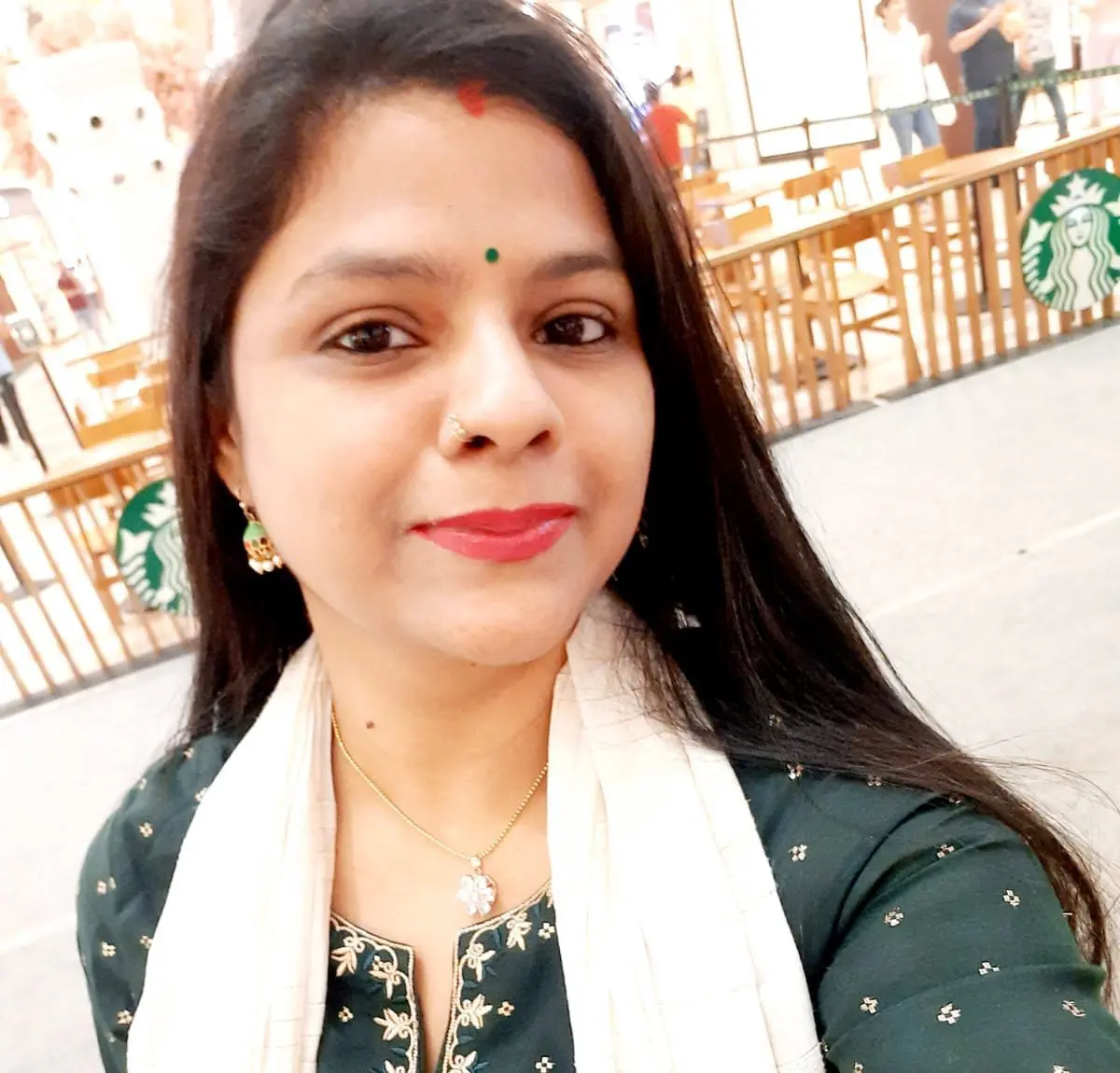
With over 11 years of experience in the publishing industry, Priya Srivastava has become a trusted guide for hundreds of authors navigating the challenging path from manuscript to marketplace. As Editor-in-Chief of Deified Publications, she combines the precision of a publishing professional with the empathy of a mentor who truly understands the fears, hopes, and dreams of both first-time and seasoned writers.