
Rating:
⭐⭐⭐⭐½ (4.4 out of 5)
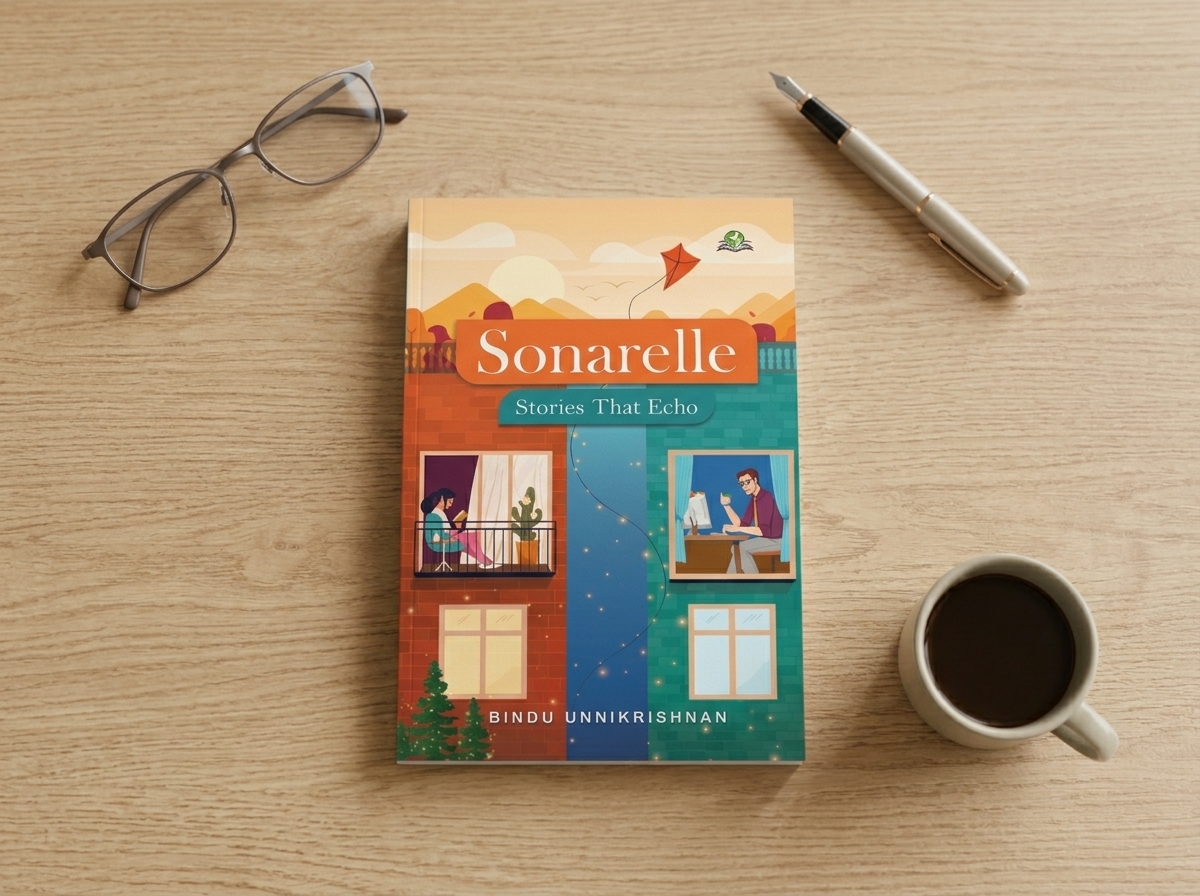
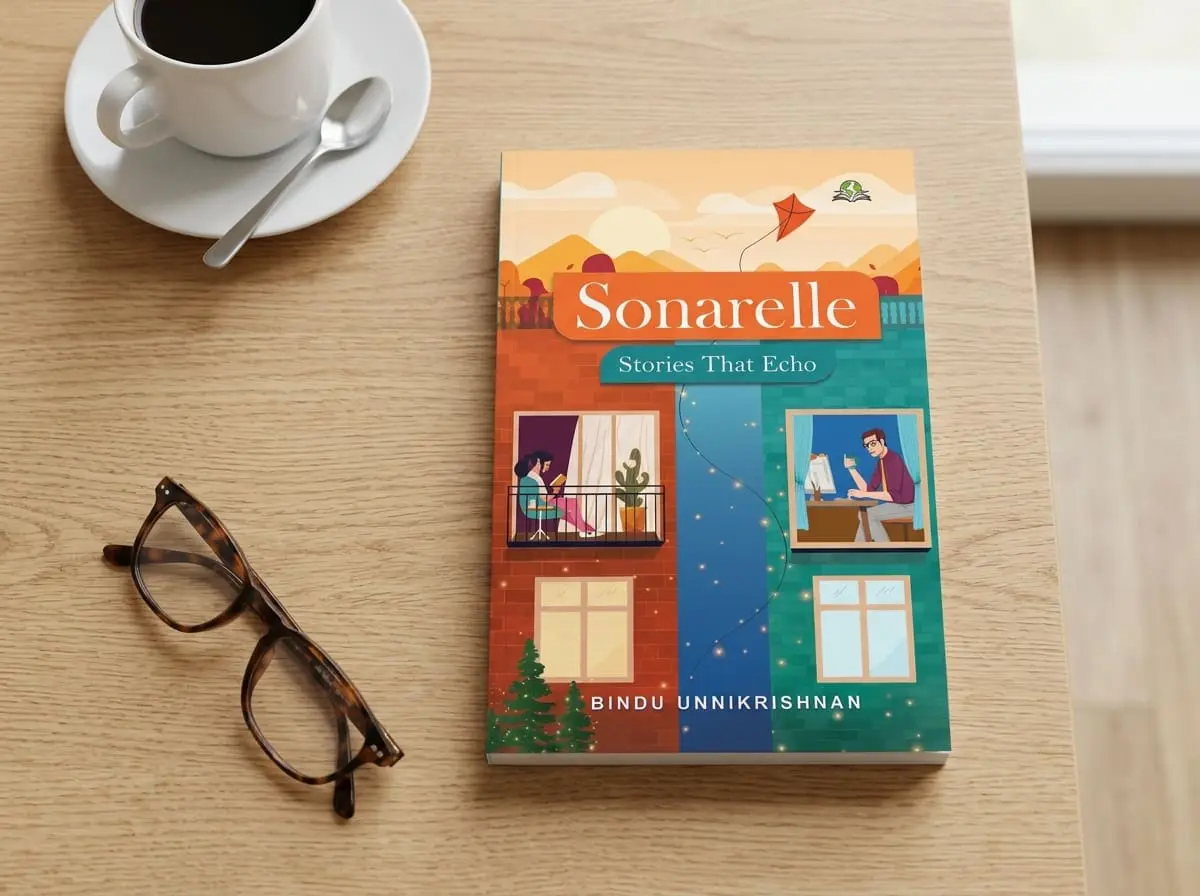
As someone who has spent more than fifteen years reading and reviewing books, very few short story collections manage to create a distinct emotional atmosphere across multiple narratives. Many collections have one or two memorable stories and a handful that blur together. Sonarelle: Stories That Echo by Bindu Unnikrishnan surprised me because the stories I encountered felt connected not by plot, but by a shared emotional heartbeat.
When I finished reading Sonarelle, I found myself thinking less about individual twists and more about the people inhabiting these pages. Ishika staring through a mysterious window. Mallika fighting a devastating erosion of memory. Ananya wrestling with the difference between love and longing. Tia and Viren finding each other through coincidence after coincidence. Arya and Arjun trying to understand whether opposites can truly belong together.
These stories are very different on the surface. Yet somehow they all seem to be asking similar questions.
What do we hold onto?
What do we let go?
And how much of our lives are shaped by moments that seem small when they happen?
Those questions kept returning to me long after I closed the book.
What the Book Is About
Sonarelle is a collection of thirty stories divided into thematic sections. The stories move between contemporary realism, romance, literary fiction, speculative fiction, mystery, and the slightly uncanny. Some feel grounded in everyday life. Others lean into imagination and wonder.
The opening story, The Girl Behind the Window, introduces us to Ishika, a lonely schoolgirl who discovers a mysterious girl named Meghna standing beyond an abandoned window hidden in an old wing of her school. Their conversations begin as friendship but gradually transform into something stranger and more layered. The story creates an atmosphere of curiosity and emotional vulnerability that sets the tone for much of the collection.
Another memorable piece is The Book: A Love Story, where Tia and Viren’s connection unfolds through literature, coincidence, and youthful attraction. It captures that feeling of meeting someone who seems oddly familiar despite being a stranger.
In Ghost Traces of Love, Bindu Unnikrishnan examines a modern form of heartbreak through Ananya and Karan. Their relationship exists largely through messages, attention, distance, and emotional inconsistency. Reading this story, I was reminded how many people today experience relationships that are difficult to define but impossible to forget.
Then there is The Sunflower in His Bow, one of the warmer stories in the collection. Arya and Arjun are complete opposites, and their relationship struggles emerge not because they lack affection, but because they approach life differently. The emotional resolution felt earned rather than forced.
The story that affected me most was probably The Personal Diary. Mallika, a writer facing early onset frontotemporal dementia, decides to preserve herself before memory disappears. What follows is a story about identity, manipulation, memory, friendship, technology, and resilience. It is one of the strongest pieces in the book and showcases the author’s ability to combine emotional storytelling with larger philosophical ideas.
The collection eventually circles toward themes of renewal and second chances, particularly in stories like The Sunday Breakfast, where love appears not as grand drama but as companionship, humour, and everyday intimacy.
What Stood Out to Me
The first thing I noticed was Bindu Unnikrishnan’s fascination with memory.
Memory appears everywhere in this collection.
Sometimes it arrives as nostalgia.
Sometimes as regret.
Sometimes as longing.
Sometimes as evidence.
And sometimes as something fragile that can disappear.
In The Personal Diary, memory becomes the entire battleground. Mallika’s fight is not merely against illness. It is a fight to preserve the truth of who she is. The emotional tension comes from the terrifying possibility that our memories can be altered, forgotten, or stolen from us.
As an editor, I appreciated how this theme appears repeatedly without becoming repetitive. Each story approaches it from a different angle.
The second strength is characterisation.
Short stories have limited space, yet many of these characters feel surprisingly complete. Ishika’s loneliness, Meghna’s mystery, Arya’s impulsiveness, Arjun’s discipline, Ananya’s vulnerability, Mallika’s determination, and Rohit’s complicated emotional journey all emerge clearly within a relatively small number of pages.
I also admired the way relationships are written.
Many contemporary stories mistake intensity for depth. Sonarelle generally avoids that trap. Instead, the strongest emotional moments come from conversations, misunderstandings, acts of kindness, remembered details, and choices made under pressure.
There is a scene in The Personal Diary where Mallika records messages for a future version of herself. I found myself reading more slowly there. Not because the language was complicated, but because the emotional implications were difficult to ignore.
As readers, we often assume we will always remember who we are.
That story challenges that assumption.
The Emotional Core
At its heart, Sonarelle is about human connection. Not perfect connection. Not permanent connection. Just connection.
The book repeatedly suggests that people leave traces inside one another. Sometimes those traces become blessings. Sometimes they become wounds. Often they become both.
I think readers who have experienced friendship, first love, heartbreak, grief, missed opportunities, family expectations, loneliness, or reinvention will find pieces of themselves somewhere in these stories.
One thing I genuinely appreciated is that the collection does not become cynical.
Several stories deal with disappointment. Some deal with betrayal. Some confront loss directly.
Yet the overall feeling is not hopelessness.
Instead, the book seems interested in resilience.
Characters get hurt. They make mistakes. They lose things that matter.
And then they continue. We live in a world that constantly encourages speed, distraction, and performance. Sonarelle asks readers to consider the emotional histories people carry beneath ordinary interactions.
That idea resonated with me.
The Writing Style
Bindu Unnikrishnan writes with a literary sensibility, but the stories remain accessible.
There are recurring images throughout the collection. Rain, windows, books, letters, diaries, memories, music, and forgotten places appear frequently. These recurring motifs help create a sense of cohesion.
The prose often leans toward the lyrical, especially in romantic moments. Readers who enjoy straightforward commercial fiction may occasionally find some passages more reflective than plot driven.
That is probably the only small criticism I would mention.
A few stories spend more time creating atmosphere than advancing action. Personally, I enjoyed that approach because it suited the themes, but readers seeking constant momentum may connect more strongly with certain stories than others.
Still, for a collection built around memory and emotion, the writing style feels appropriate.
Who This Book Is For
I think Sonarelle will appeal most to readers who enjoy character driven fiction.
If you love interconnected themes rather than interconnected plots, there is a lot to appreciate here.
If books like literary romance, contemporary fiction, magical realism, and reflective short story collections appeal to you, this collection deserves consideration.
Readers who enjoy stories about memory, identity, relationships, self discovery, and second chances will likely connect with many of these narratives.
If your reading preferences lean heavily toward action, crime thrillers, or fast paced adventures, this may not become your favourite book. The emotional experience matters more than external events here.
For readers who enjoy sitting with characters and considering what motivates them, Sonarelle offers plenty to engage with.
Final Thoughts
As Editor in Chief at Deified Publication, I read a large number of books every year. Some entertain. Some impress. A smaller number create emotional echoes that continue resurfacing days later.
Sonarelle belongs in that latter category.
What impressed me most was not any single story. It was the consistency of the collection’s emotional vision. Whether the author is writing about a mysterious girl behind a forgotten window, a relationship sustained by messages and misunderstandings, a writer battling memory loss, or two people rediscovering one another through breakfast and laughter, the stories share a belief that our lives are shaped by connections we often underestimate.
Not every story will affect every reader equally. That is the nature of collections.
But somewhere among these thirty stories, I suspect most readers will encounter one that feels written especially for them.
And sometimes that is exactly what a good story collection should do.
FAQs
Is Sonarelle worth reading?
Yes, especially if you enjoy emotionally driven fiction, short stories, literary romance, and reflective narratives about memory and relationships.
What genre is Sonarelle?
It blends literary fiction, romance, speculative fiction, magical realism, contemporary fiction, and emotional drama.
Who should read Sonarelle by Bindu Unnikrishnan?
Readers who enjoy character focused storytelling, meaningful relationships, and stories that focus on emotional experiences rather than action heavy plots.
What is Sonarelle about?
The collection contains thirty stories examining love, memory, identity, loss, friendship, second chances, and the unexpected ways people influence one another’s lives.

With over 11 years of experience in the publishing industry, Priya Srivastava has become a trusted guide for hundreds of authors navigating the challenging path from manuscript to marketplace. As Editor-in-Chief of Deified Publications, she combines the precision of a publishing professional with the empathy of a mentor who truly understands the fears, hopes, and dreams of both first-time and seasoned writers.