
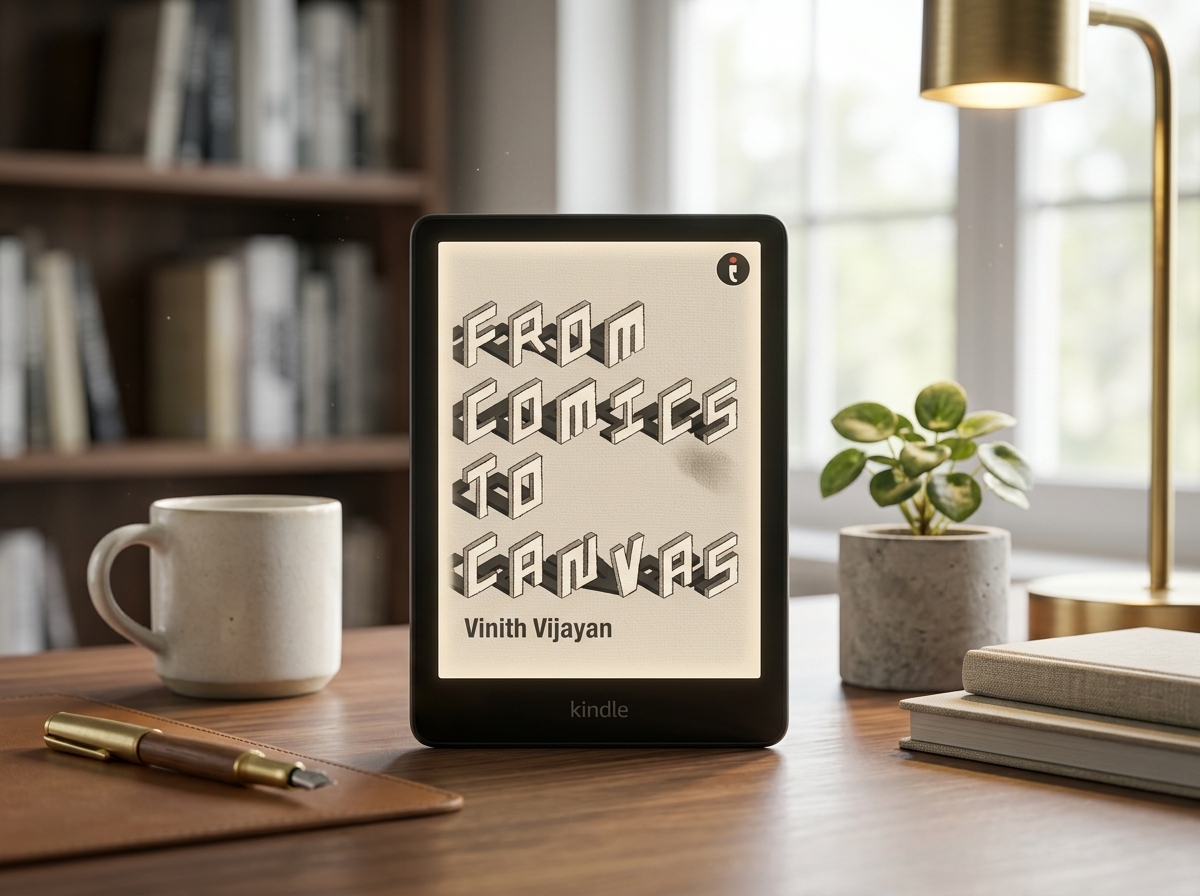
Rating:
⭐⭐⭐⭐ (4.3 out of 5)
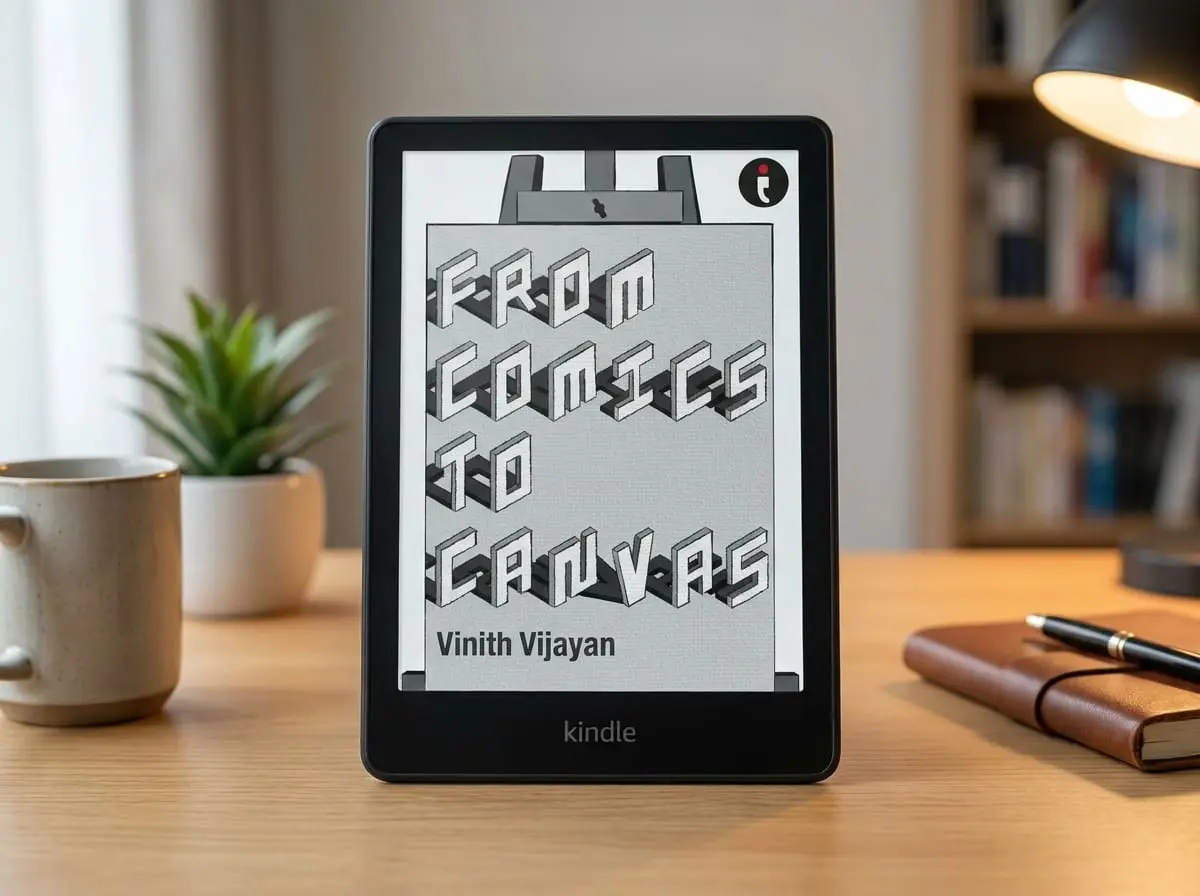
There are some books you read for information. Some for entertainment. And then there are books like From Comics to Canvas that feel more like a conversation with someone who genuinely wants you to create something with your own hands again.
I picked this book expecting a coffee table collection of pencil sketches. And yes, visually, it absolutely works as that. The pages are filled with black and white sketches ranging from Krishna, Ganesha, Marilyn Monroe, Madhubala, Western comic inspired scenes, illusion art, portraits, devotional artwork, and even experiments with white pencil on black paper. But somewhere between the sketches and the author’s reflections, the book slowly turns into something else. It becomes a reminder that creativity does not belong only to trained artists or full time painters. It belongs to ordinary people too. People with jobs, routines, stress, responsibilities and unfinished dreams.
And honestly, in 2026, that message feels more important than ever.
Vinith Vijayan’s work is presented in this book with a sincerity that I found refreshing. There is no artificial intellectual tone here. No attempt to sound overly philosophical. The book speaks simply, and because of that, it connects more deeply.
What the Book Is About
At its core, From Comics to Canvas is a personal artistic archive mixed with encouragement for beginners who may want to start sketching but feel intimidated.
The opening sections immediately establish that this is not the story of someone who attended elite art schools from childhood. Vinith Vijayan comes from a professional background spanning accounts, marketing, administration, HR, and operations. That detail matters because it changes the way you read the book. You begin to understand that the sketches emerged alongside a busy working life, not outside it.
One section that genuinely caught my attention was “How It All Started.” Vinith talks about reading Western comics and novels during school vacations and slowly developing an interest in sketching those black and white comic scenes. I smiled reading that because many artists actually begin exactly like this. Not from formal training, but from imitation, fascination, and curiosity. There is something very human about seeing a comic panel and wanting to recreate it with your own pencil.
The author also mentions how these drawings remained forgotten in a folder for years until they were framed and displayed in his home. That image stayed in my head for a long time. So many people probably have hidden notebooks, poems, songs, unfinished paintings sitting somewhere in cupboards because life became “too practical.”
This book feels like an attempt to reopen that cupboard.
The structure is interesting because it is not only an art showcase. There are sections on how to begin sketching, how to preserve pencil art, inspirations from famous artists like Salvador Dalí and Leonardo da Vinci, discussions around left brain and right brain thinking, exhibitions, medals, and reflections on creativity itself.
I appreciated that balance. It gives the book warmth instead of making it feel like a technical drawing manual.
What Stood Out to Me
First, the sketches themselves deserve appreciation. Some of them are genuinely beautiful in their detailing and emotional expression.
The Krishna sketch especially stood out for me. The eyes are incredibly expressive. There is innocence in the face, but also confidence in the shading work. You can tell the artist spent time understanding softness and proportion instead of merely tracing outlines. I think many readers will immediately stop at that page longer than they expect to.
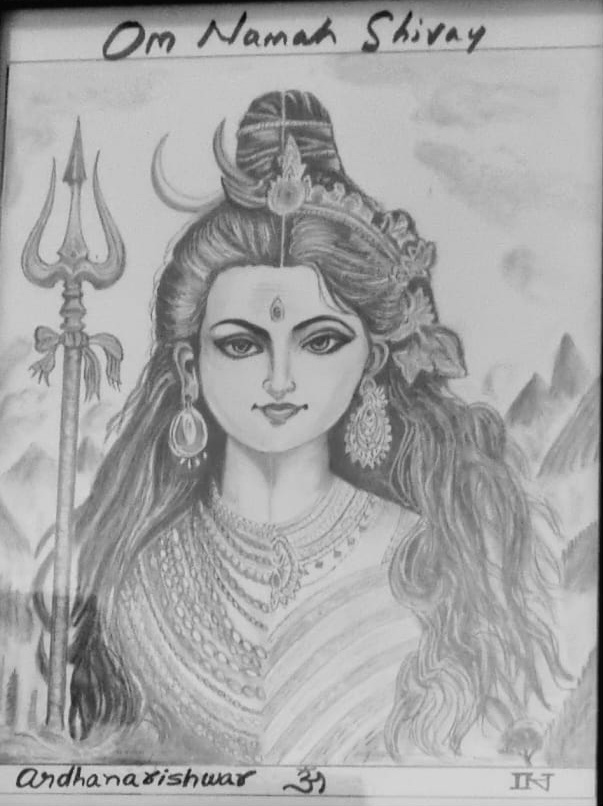
The Ardhanarishwar sketch was another memorable piece. The concept itself already carries symbolic depth, but the execution adds another layer because the image invites viewers to cover portions and observe the dual form differently. It creates interaction between viewer and artwork, which I enjoyed.
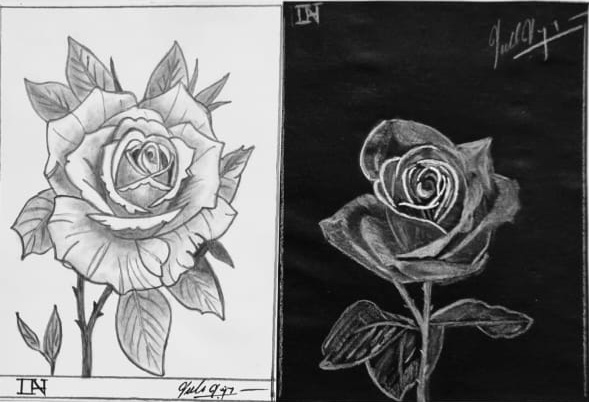
I also loved the white pencil on black paper rose sketch. Simple idea, but visually striking. Sometimes black and white art can become repetitive in a long collection, but pieces like this break the rhythm beautifully.
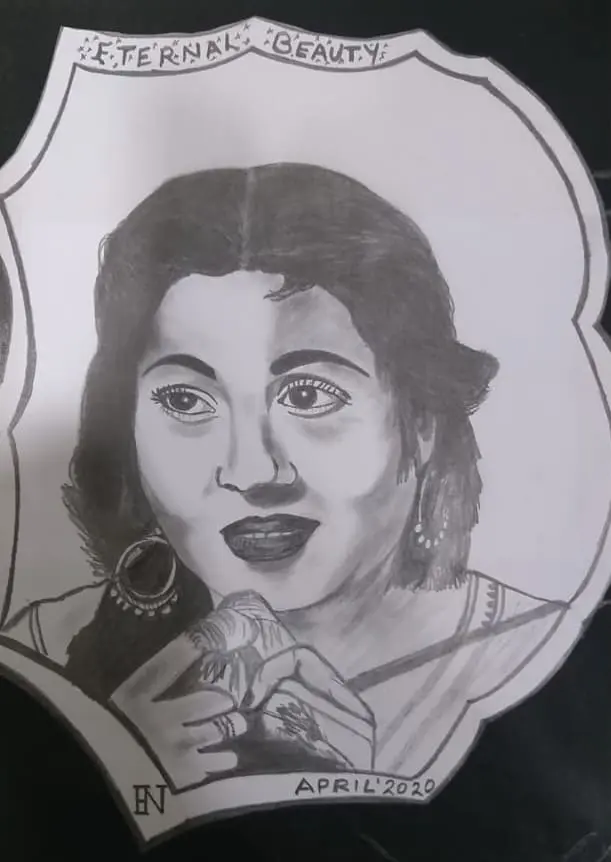
Then there is the Madhubala portrait. I actually laughed softly when I read the line comparing her to Marilyn Monroe while insisting Madhubala was more glamorous. That line felt very personal, very Indian, and honestly quite charming. It did not sound manufactured. It sounded like someone genuinely admiring an icon from the heart.
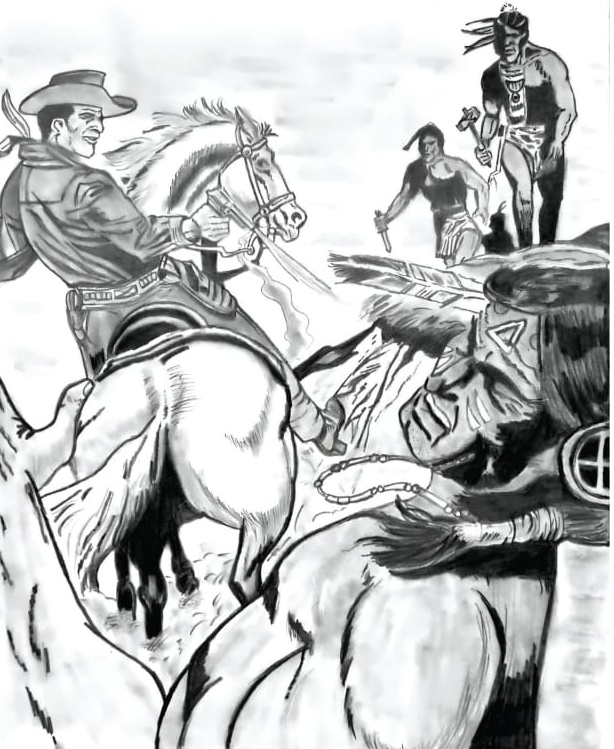
The Western comic inspired sketches reveal another side of Vinith’s artistic personality. You can see the influence of classic comic panels in the cowboy scenes and gun perspective work. There is movement there. A bit of drama too. Those sketches reminded me of the old days when artists learned perspective and anatomy by endlessly copying comic books.
I also appreciated the section discussing Oleg Shupliak’s illusion paintings. Many art books simply mention famous artists casually, but here the discussion connects directly with the author’s fascination for hidden imagery and perspective tricks. That thematic connection makes the chapter feel purposeful.
The writing style throughout the book remains conversational. It does not attempt literary perfection. Some sentences are slightly uneven. Occasionally the phrasing becomes repetitive. But strangely, I think polishing it too much would have removed its sincerity.
And sincerity is this book’s biggest strength.
The Emotional Core
What affected me most was not any single sketch. It was the underlying belief that creativity can begin at any age and from any background.
There is a section where Vinith encourages readers not to buy expensive materials immediately. Just start with a simple sketchbook and HB pencils. That advice may sound basic, but I think it reflects the philosophy of the entire book. Creativity first. Perfection later.
As someone who has spent years reviewing books at Deified Publication, I have seen many creative guides that unintentionally intimidate readers. They overload people with theory, terminology, techniques, and artistic pressure. This book does the opposite. It makes art feel approachable.
I think readers who secretly want to draw but fear judgment will connect strongly with this.
There is also something touching about the author documenting his exhibitions, medals, certificates, and artistic progress openly. Not in a boastful way. More like someone saying, “I started small too, and this is where consistency brought me.”
That emotional honesty gives the book heart.
Another thing I noticed is the recurring spiritual thread running through the sketches. Krishna, Ganesha, Shiva, devotional imagery. But it never feels preachy. It feels personal. Like these subjects naturally emerged from the artist’s inner world.
And maybe that is why several sketches feel emotionally alive despite being monochrome.
Who This Book Is For
I do not think this book is only for professional artists.
Actually, professional fine art readers looking for highly academic analysis may find it too simple. This is not that kind of art book. It is more intimate and accessible.
I would recommend From Comics to Canvas to:
- People who once loved sketching but stopped because life became busy.
- Teenagers trying to begin drawing without feeling overwhelmed.
- Parents who want to encourage creativity in children.
- Coffee table book collectors who enjoy meaningful visual books.
- Readers interested in self expression and artistic motivation.
- People going through burnout who need a reminder that hobbies matter.
I can honestly imagine this book sitting beautifully in a living room, office reception, studio, or personal library. Visitors would naturally flip through it because the sketches immediately attract attention.
The only small criticism I have is that a few sections could have benefited from tighter editing and slightly better formatting consistency. Some transitions between topics feel abrupt. A more refined visual layout in certain chapters could have elevated the reading experience further.
But even with those imperfections, the warmth of the book remains intact.
Final Thoughts
I finished From Comics to Canvas feeling oddly encouraged.
Not because the book claims creativity will magically transform your life overnight. It does not make grand promises. Instead, it gently reminds readers that creative instincts deserve attention before they disappear completely under routine and responsibility.
That honesty matters.
Vinith Vijayan’s sketches carry patience, affection, nostalgia, and experimentation. You can see a person slowly growing more confident through art. And I think that progression is what makes the book meaningful. It is not trying to impress the reader every second. It is sharing a lifelong relationship with sketching openly and sincerely.
There is one line from the book’s spirit that kept returning to me while reading: begin with what you have.
A pencil. A page. A little curiosity.
Sometimes that is enough.
FAQ
Is From Comics to Canvas worth reading?
Yes, especially if you enjoy art books with personal storytelling and motivational reflections. It works well both as a visual collection and as encouragement for beginners.
Who should read From Comics to Canvas?
Readers interested in pencil sketching, coffee table books, creativity, beginner art inspiration, and personal artistic journeys will likely enjoy it most.
Is this book only for artists?
Not really. I think even non artists can connect with its message about rediscovering hobbies and creative expression.
What makes From Comics to Canvas different from other art books?
Its sincerity. The book feels personal rather than overly technical. The sketches and reflections come from lived experience instead of formal artistic theory.
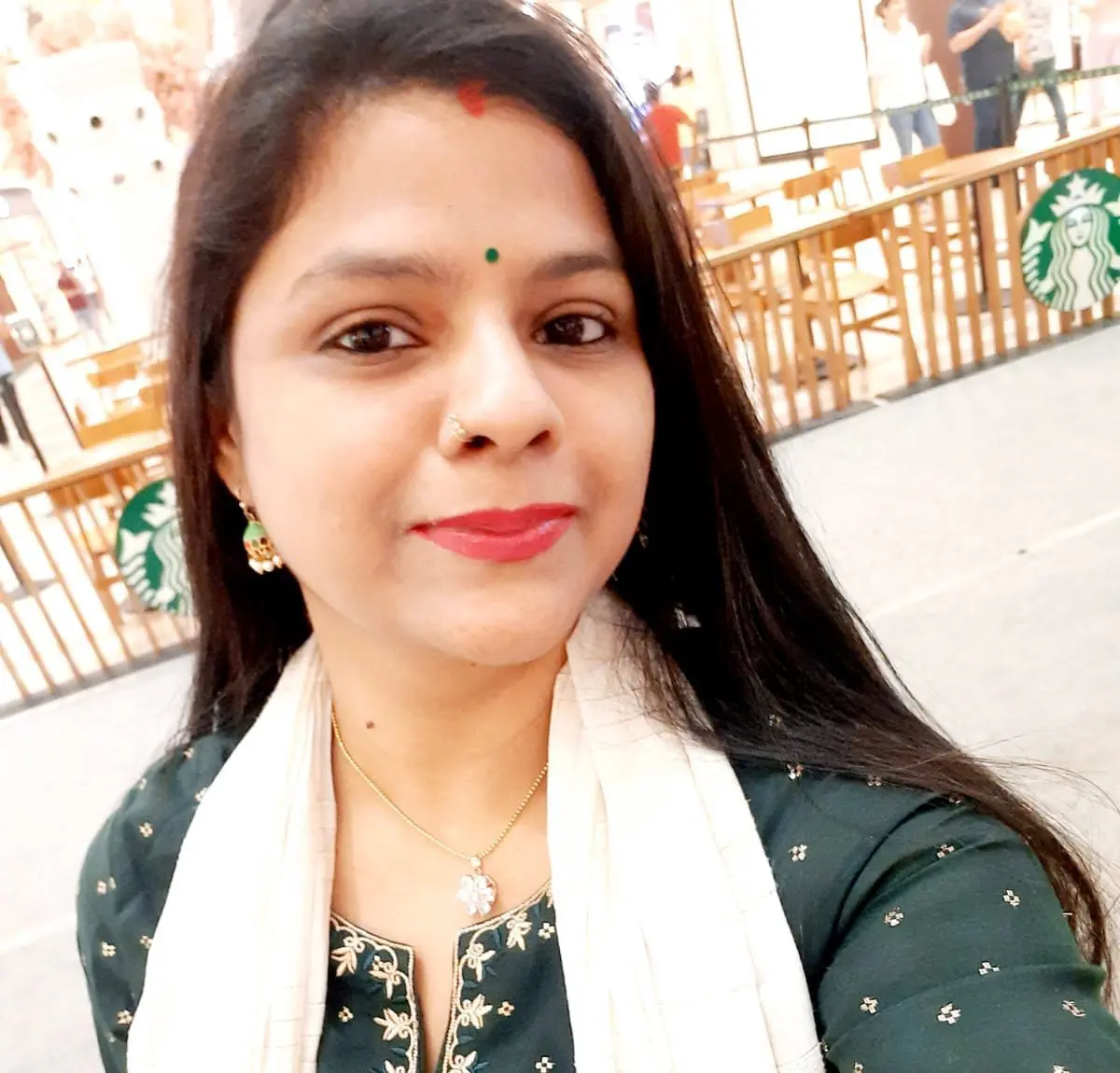
With over 11 years of experience in the publishing industry, Priya Srivastava has become a trusted guide for hundreds of authors navigating the challenging path from manuscript to marketplace. As Editor-in-Chief of Deified Publications, she combines the precision of a publishing professional with the empathy of a mentor who truly understands the fears, hopes, and dreams of both first-time and seasoned writers.