
Rating:
⭐⭐⭐⭐ (4.3 out of 5)
There is a strange kind of tiredness that many people carry today. It does not always come from physical work. Sometimes it comes from constantly thinking, constantly comparing, constantly worrying. You wake up and your mind is already running before your feet even touch the floor. I think that is why books around mental balance are connecting so deeply with readers in 2026. People are not just searching for success anymore. They are searching for relief.
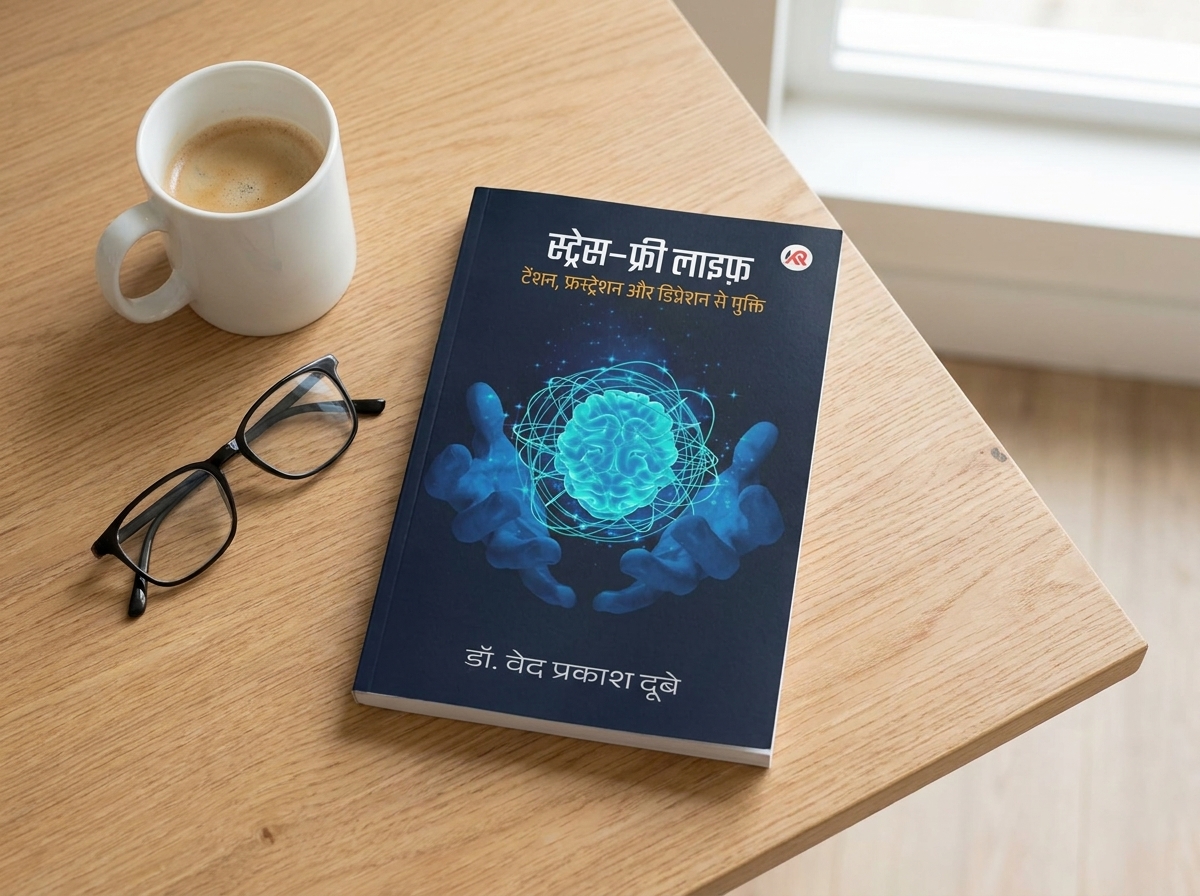
While reading Stress Free Life: Tension, Frustration Aur Depression Se Mukti by Dr. Ved Prakash Dubey, I kept feeling that the author understands this emotional exhaustion very personally. This is not written like a cold academic psychology manual. It reads more like a conversation from someone who has observed how ordinary people suffer silently under pressure and genuinely wants to help.
In my years reviewing books at Deified Publication, I have noticed that many self help books either become overly motivational or overly technical. This one tries to stand somewhere in the middle. It mixes practical thinking, emotional awareness, spiritual reflection, and psychological understanding in a way that feels accessible to common readers.
And honestly, some parts reminded me of conversations I have had with people around me over chai. Bank employees. Students preparing for exams. Parents carrying financial stress. Young people trying to look happy online while feeling completely lost internally. The emotional atmosphere of this book feels very real.
What the Book Is About
Stress Free Life focuses on one central idea. Mental tension does not appear suddenly. It slowly grows through negative thinking patterns, emotional overload, fear, comparison, frustration, suppressed emotions, and unhealthy reactions to life situations.
The book begins by discussing the modern condition of stress and emotional imbalance. Dr. Ved Prakash Dubey explains how the human mind is both powerful and fragile at the same time. That balance between strength and vulnerability becomes the foundation of the book.
From the table of contents and the internal chapters, it is clear that the structure is thoughtfully designed. The early chapters discuss stress, mental disturbance, and emotional suffering from philosophical, psychological, and practical angles. Later chapters gradually move toward healing, self awareness, positivity, emotional regulation, and mental clarity.
One thing I appreciated was that the book does not treat stress as merely a medical problem. The author repeatedly connects it with lifestyle, thought habits, relationships, expectations, social pressure, and even spiritual emptiness. There is a chapter discussing how excessive desire and emotional imbalance create internal disturbance. Another section discusses how frustration can slowly turn into depression if ignored for long periods.
I also noticed that the book frequently shifts between scientific explanation and reflective life wisdom. That combination works well for readers who want practical understanding but also emotional reassurance.
There are chapters around negative thinking, self confidence, inner peace, anxiety, emotional pain, and the burden of overthinking. Some portions also discuss the importance of mental discipline and how the way we interpret situations shapes our emotional state.
The later sections feel more solution oriented. The author talks about transforming mental patterns, reducing emotional pressure, creating positive energy, improving decision making, and learning emotional balance in everyday life.
And honestly, I liked that the advice remains grounded. The book does not promise magical transformation in one week. It repeatedly suggests gradual inner change through awareness and practice.
What Stood Out to Me
One of the strongest things about Stress Free Life is its sincerity. You can feel that Dr. Ved Prakash Dubey is not writing to sound intellectual. He genuinely wants readers to understand their own minds better.
There is a section discussing how people often become prisoners of imagined fears. I found that especially relevant today. So many people suffer not because of what is happening right now, but because of what they think might happen tomorrow. I see this constantly among young professionals and students.
Another interesting aspect is how the book treats frustration. Many books talk about stress and depression, but frustration is often ignored even though it affects daily life deeply. Here, frustration is shown as something that slowly damages emotional stability and relationships if left unresolved.
The writing style itself is straightforward and reader friendly. It does not use complicated language to impress readers. In fact, many parts feel intentionally simple so that readers from different educational backgrounds can connect with the message.
I also noticed how frequently the author speaks about the mind as something trainable rather than fixed. That idea appears throughout the book. Your reactions can change. Your emotional patterns can change. Your way of thinking can change. That optimism gives the book emotional warmth.
Some chapters include philosophical reflection that reminded me slightly of traditional Indian self reflection literature. Not in a preachy way. More in the sense that peace is connected with inner discipline and emotional understanding rather than external achievement alone.
The chapter progression is another strength. The book moves from identifying emotional problems toward offering healing approaches. That gradual flow makes the reading experience smoother.
At the same time, I think some readers who prefer highly clinical psychology books may find certain sections more philosophical than analytical. Personally, I did not mind that because the emotional honesty compensates for it. But readers expecting heavy neuroscience or research based case studies should know that this is more practical life guidance than academic psychology.
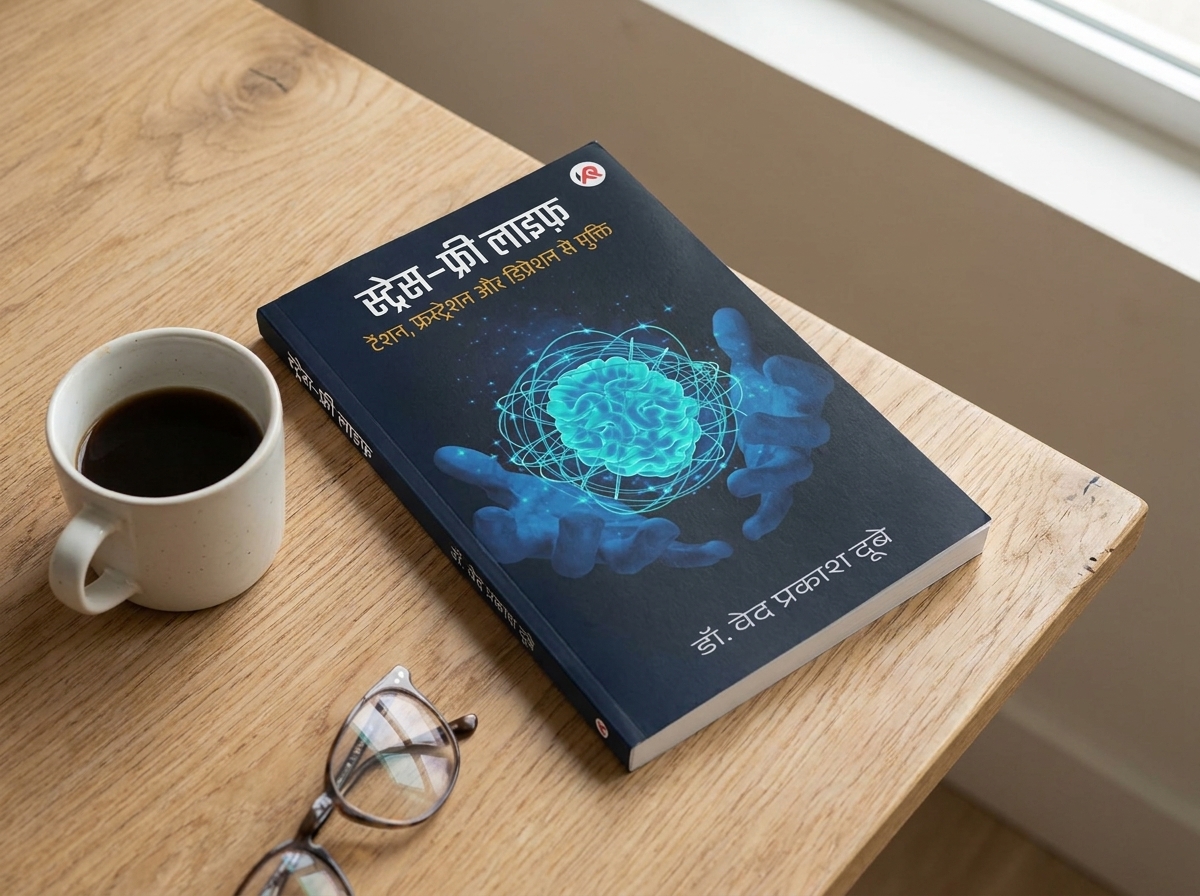
The visual presentation inside the book also caught my attention. Some chapter opening illustrations create an emotional atmosphere that supports the themes being discussed. The imagery around darkness, emotional burden, and eventual inner light adds symbolic depth without becoming overly dramatic.
The Emotional Core
For me, the emotional center of this book lies in one simple message. Human beings are carrying too much internally and very few people are teaching them how to emotionally breathe again.
That may sound simple, but while reading the book, I kept thinking about how normalized emotional exhaustion has become. People casually say they are stressed almost every day now. It has become part of ordinary conversation.
What Dr. Ved Prakash Dubey tries to do is remind readers that emotional suffering should not become a permanent identity.
There are sections discussing self awareness and emotional cleansing that felt surprisingly comforting. Not because they offer instant answers, but because they acknowledge the reality of pain without making readers feel weak for experiencing it.
I also appreciated that the book does not shame people dealing with anxiety, frustration, or depression. Instead, it encourages understanding. That matters a lot.
One chapter discussing inner negativity and mental disturbance genuinely made me think about how often people speak harshly to themselves internally. Many readers may recognize themselves in those portions.
And honestly, there is something reassuring about a book that tells readers healing is possible through gradual change instead of pretending life can become perfect overnight.
In 2026, when digital overstimulation and emotional burnout are affecting almost every age group, this message feels timely. People are overloaded with information but emotionally disconnected from themselves. This book attempts to rebuild that connection slowly.
Who This Book Is For
I think Stress Free Life will connect most strongly with readers who are emotionally overwhelmed and looking for practical emotional guidance in simple language.
Students facing pressure and uncertainty may find comfort here. Working professionals struggling with anxiety and mental fatigue may also relate deeply to the examples and reflections. Readers interested in self development, mental wellness, and emotional balance will probably appreciate the book’s tone.
This book is also suitable for readers who prefer Indian perspectives on mental peace rather than purely Western productivity based self help models.
At the same time, this may not be ideal for readers looking for fast entertainment or highly technical psychological frameworks. The book requires emotional openness and reflection. Some chapters ask readers to genuinely examine their thinking patterns and reactions.
I can also imagine older readers connecting strongly with the philosophical portions because they carry a reflective maturity that younger motivational books often lack.
Final Thoughts
After finishing Stress Free Life: Tension, Frustration Aur Depression Se Mukti, I felt the author had written this book from observation rather than theory alone. That emotional authenticity matters.
Dr. Ved Prakash Dubey understands that stress is not just a medical issue. It is deeply connected with modern lifestyle, emotional habits, fear, comparison, expectations, and loneliness. The book repeatedly reminds readers that mental peace is not luxury. It is necessary for living meaningfully.
No, the book is not perfect. Some ideas repeat across chapters, and a few sections could have been tighter structurally. But strangely, that repetition also mirrors how healing works in real life. Sometimes people need to hear the same truth multiple times before it actually reaches them emotionally.
As an editor and longtime reader, I think the strongest achievement of this book is its sincerity. It genuinely wants readers to feel lighter emotionally. And honestly, that intention comes through very clearly.
If you are searching for a reader review asking whether Stress Free Life is worth reading, I would say yes, especially if your mind has been carrying too much lately.
FAQ
Is Stress Free Life worth reading?
Yes, especially for readers dealing with emotional stress, frustration, anxiety, or mental overload. The book offers practical and emotionally grounded guidance.
Who should read Stress Free Life by Dr. Ved Prakash Dubey?
Students, working professionals, parents, and readers interested in emotional wellness and self improvement may connect strongly with the book.
Is this book scientific or spiritual?
It combines both approaches. The book includes psychological ideas, practical thinking patterns, and philosophical reflections rooted in emotional awareness.
What is Stress Free Life about?
The book discusses stress, frustration, depression, negative thinking, emotional pressure, and ways to create a healthier mental life through awareness and balanced thinking.
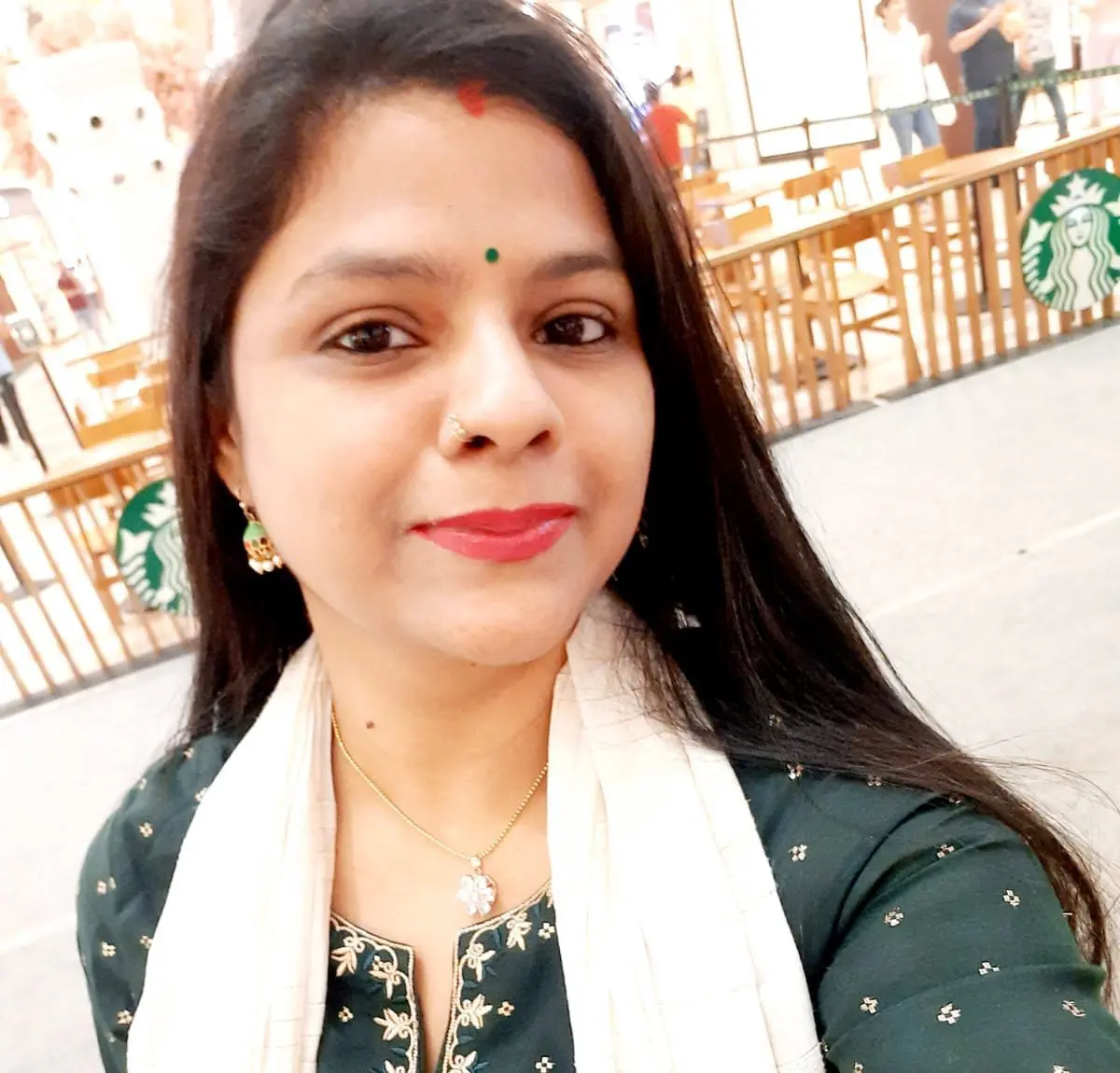
With over 11 years of experience in the publishing industry, Priya Srivastava has become a trusted guide for hundreds of authors navigating the challenging path from manuscript to marketplace. As Editor-in-Chief of Deified Publications, she combines the precision of a publishing professional with the empathy of a mentor who truly understands the fears, hopes, and dreams of both first-time and seasoned writers.