
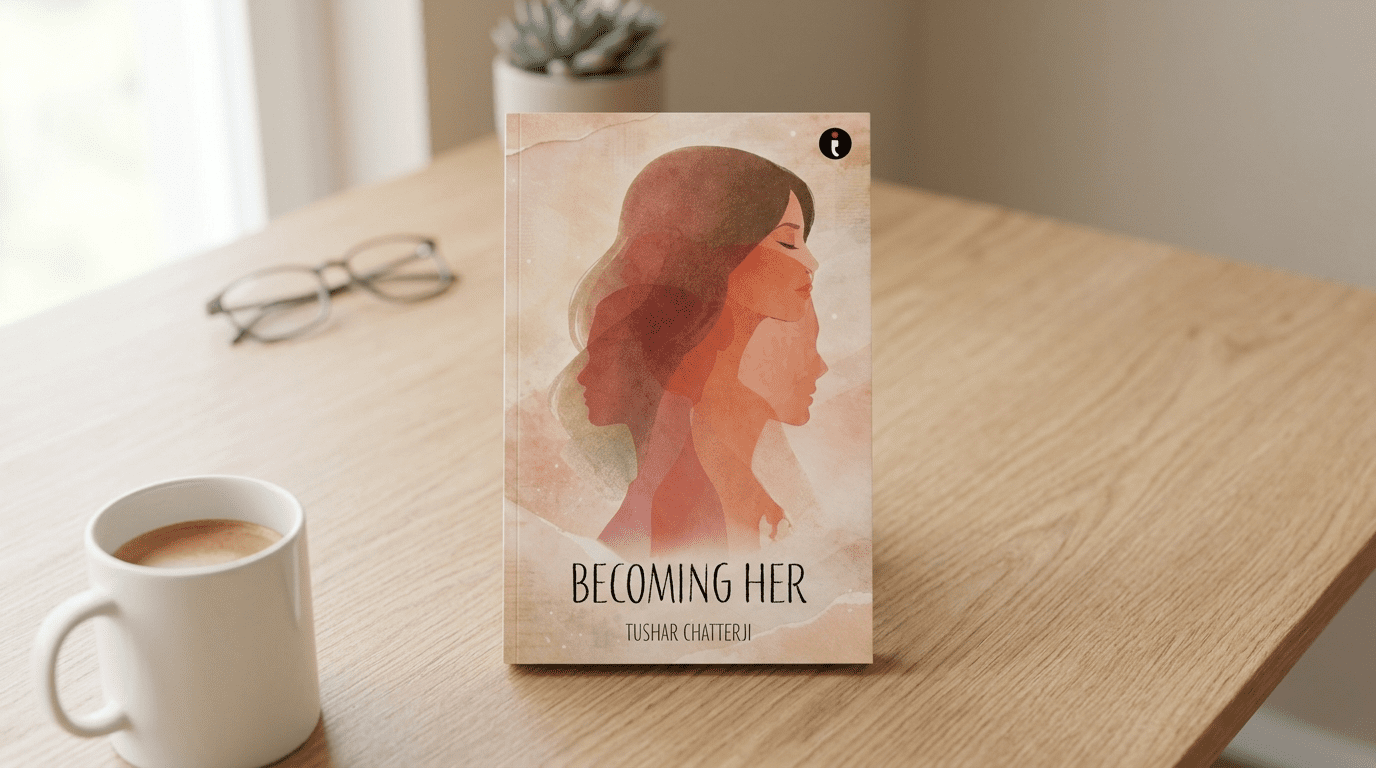
Rating:
⭐⭐⭐⭐ (4.6 out of 5)
I don’t usually pause this often while reading a book. But Becoming Her by Tushar Chatterji made me do that. Not because it’s confusing or dense, but because sometimes a paragraph lands a little too close to home and you need a second before moving on.
As someone who has spent over fifteen years reading and reviewing stories at Deified Publication, I’ve come across many books about women, identity, relationships. Some are powerful, some are forgettable, and some try too hard. This one sits somewhere different. It feels… raw. Almost like you’re reading something that wasn’t originally written for an audience.
There were moments where I caught myself thinking, should I even be reading this? That’s the kind of honesty the book carries.
What the Book Is About
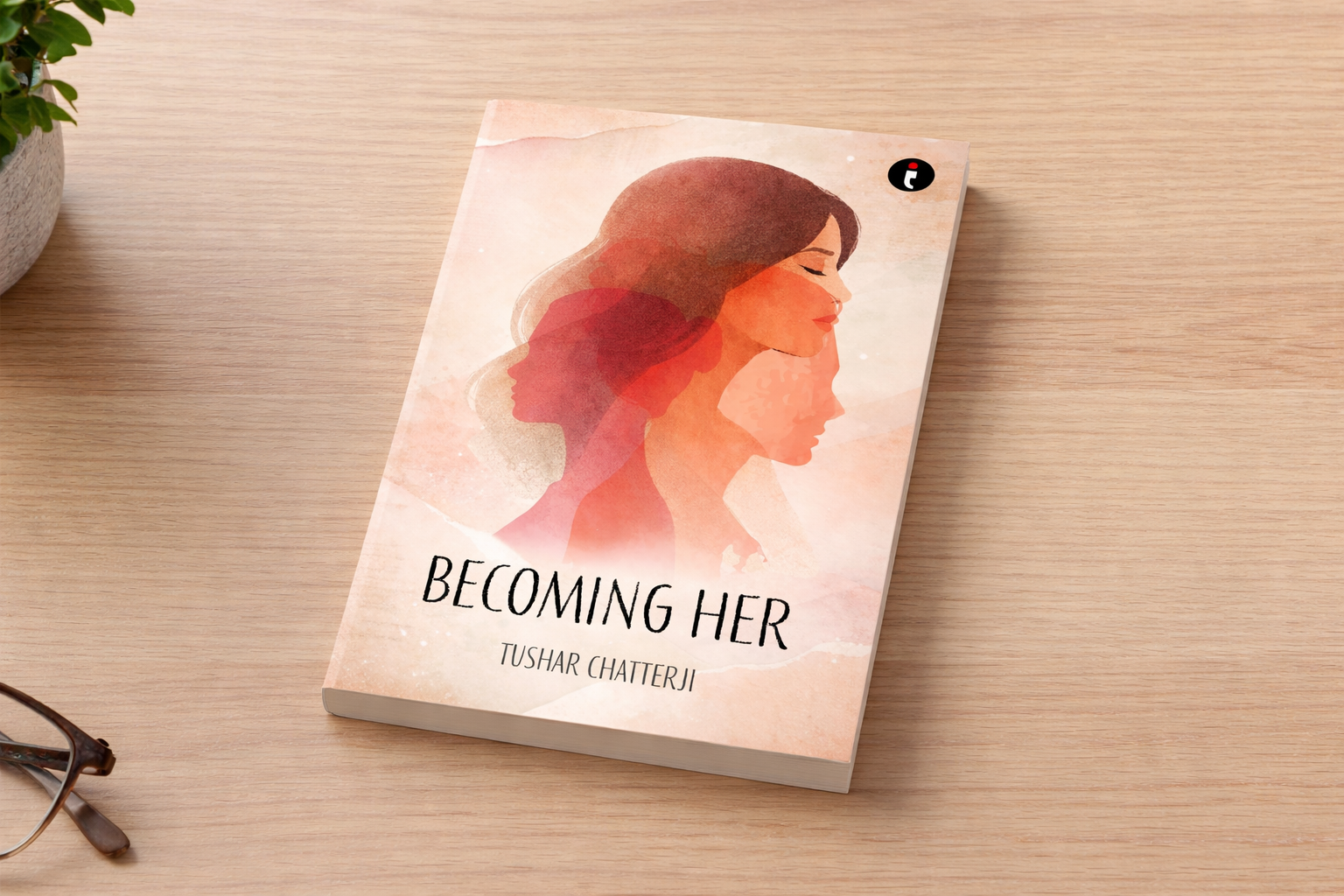
At a surface level, Becoming Her is a collection of stories centered around women, their identities, their roles, and the complicated spaces they navigate between who they are and who they are expected to be.
The structure is interesting. Each chapter feels like stepping into a different emotional landscape. The first chapter, “The Mirror’s Reflection,” sets the tone in a very personal way. It follows a woman reflecting on her marriage, her parents’ relationship, and this uncomfortable realization that she might be repeating patterns she once questioned.
There’s this recurring idea that relationships are not fixed. They evolve, sometimes quietly, sometimes painfully. And often, we don’t notice the shift until we’re already deep inside it.
Then the book moves into other narratives, like “Choosing to Stay,” which honestly was hard to read in parts. It touches on emotional and physical abuse, but not in a dramatic, exaggerated way. It’s almost… matter of fact. Which somehow makes it heavier. You’re not being told to feel something. You just do.
Across the chapters, the book keeps returning to a central question. What does it mean to become yourself when everything around you is trying to define you first?
What Stood Out to Me
I think what stayed with me the most is the voice. It feels very internal, almost like you’re inside someone’s thoughts rather than watching events unfold from a distance.
There’s this moment in the first chapter where the protagonist talks about how relationships aren’t destinations but ongoing work, something messy and constantly shifting. That didn’t feel like a philosophical statement. It felt lived.
Also, the way the author writes about generational patterns caught my attention. The idea that we grow up observing relationships, judging them, promising ourselves we’ll do things differently… and then one day realizing we’re not so different after all. I’ve seen this in real life. Families repeat patterns without even realizing it.
Another thing is how the book handles ambition versus personal life. There’s this quiet tension between wanting independence and wanting connection. Between building a career and holding onto relationships that don’t always support that growth.
And then there’s the writing itself. It’s quite expressive, sometimes even poetic. You can tell the author has a strong voice. But I’ll be honest, there are moments where it feels a bit too heavy. Some passages stretch longer than they need to, and I found myself wishing for a little more restraint.
Still, the sincerity is undeniable.
The Emotional Core
This is not an easy read emotionally.
There are parts where I felt uncomfortable, especially in the sections dealing with abuse and silence. Not because they are graphic, but because they feel real. The kind of real that doesn’t give you a clean resolution.
There’s this recurring feeling of being stuck. Of knowing something is wrong but not being able to walk away. And I think that’s something many people won’t say out loud, but will recognize.
At one point, I had to put the book down and just sit for a bit. It reminded me of conversations I’ve had with women who stay in situations that don’t serve them, not because they don’t know better, but because leaving is more complicated than it sounds.
The book doesn’t judge these choices. It just shows them.
And that, I think, is where its strength lies.
Who This Book Is For
I don’t think this book is for everyone.
If you’re looking for something light or uplifting in a conventional way, this might not be it. It asks you to sit with discomfort, with questions that don’t have neat answers.
But if you’re someone who likes character driven narratives, especially stories that focus on emotional and psychological layers, then this will resonate.
It might connect deeply with women who have navigated expectations around marriage, career, identity. But I also think men should read it. Not as observers, but as participants in the same system the book is questioning.
And honestly, even if you don’t relate directly, it offers a perspective that feels important in 2026, when conversations around identity and equality are everywhere, yet the lived reality still feels uneven.
Final Thoughts
I keep coming back to one feeling after finishing Becoming Her. It doesn’t try to impress you. It tries to be honest.
And that honesty isn’t always comfortable. Sometimes it feels messy, sometimes repetitive, sometimes a bit overwhelming. But it also feels real.
As an editor, I can see areas where the book could have been tighter. Some sections could have benefited from sharper pacing. But as a reader, I found myself overlooking those things because of how much emotional truth it carries.
It’s the kind of book that doesn’t end when you close it. You carry parts of it with you. You think about certain lines later, maybe even question your own choices a little.
And I think that’s worth something.
FAQ
Is Becoming Her worth reading?
I think it is, especially if you enjoy emotionally layered stories. It’s not an easy read, but it stays with you.
What is Becoming Her about?
It’s a collection of narratives centered on women, identity, relationships, and the struggle between societal roles and personal truth.
Who should read Becoming Her?
Readers interested in character driven stories, emotional depth, and real life themes around relationships and self identity.
Is Becoming Her a light read?
Not really. It’s reflective and sometimes heavy, so it’s better suited for when you’re in the mood to engage deeply.

With over 11 years of experience in the publishing industry, Priya Srivastava has become a trusted guide for hundreds of authors navigating the challenging path from manuscript to marketplace. As Editor-in-Chief of Deified Publications, she combines the precision of a publishing professional with the empathy of a mentor who truly understands the fears, hopes, and dreams of both first-time and seasoned writers.