
Rating:
⭐⭐⭐⭐ (4.3 out of 5)
Some books don’t shout, they simply stay
I’ve been reading fiction for more than fifteen years now, and one thing I’ve learned as an editor is this: not every memorable book needs a grand plot. Sometimes all it takes is one household conversation, one unfinished memory, one person standing in a doorway thinking about what life became.
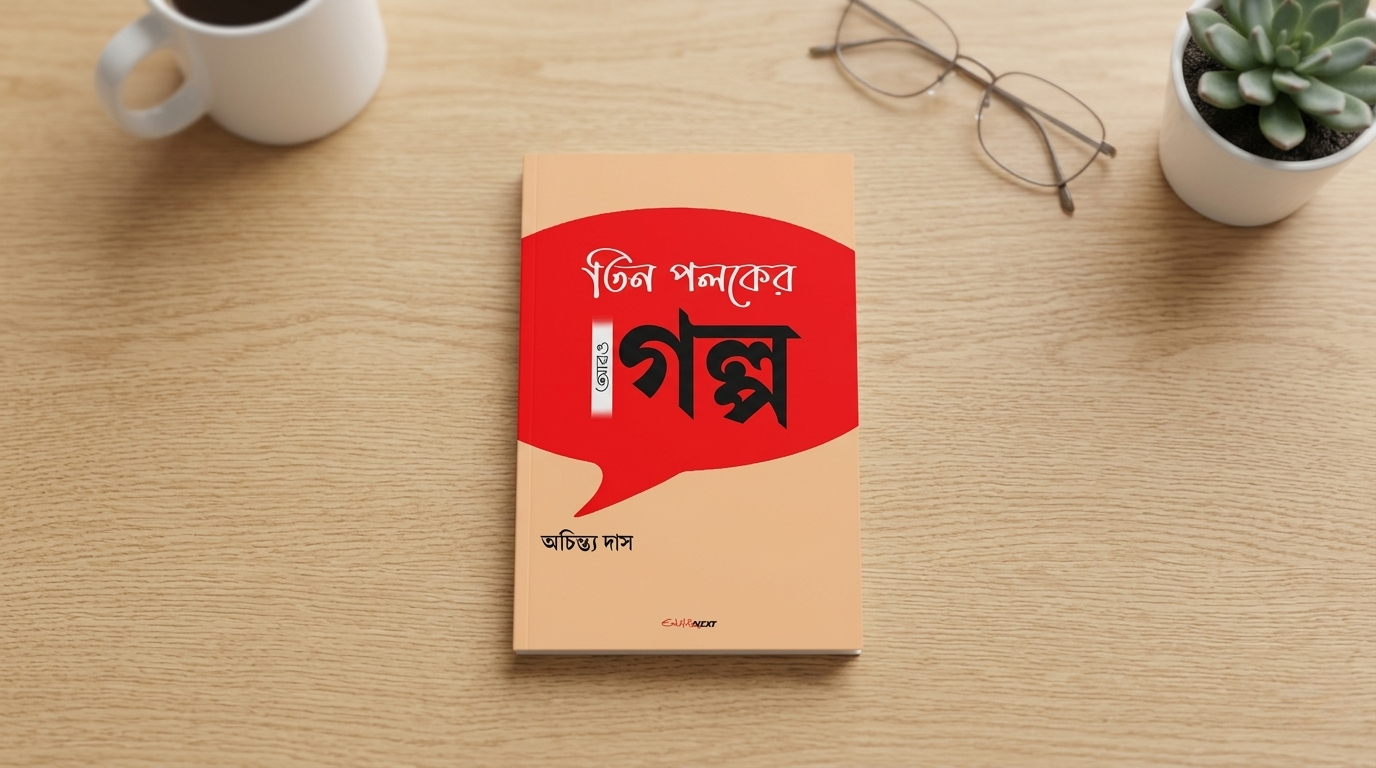
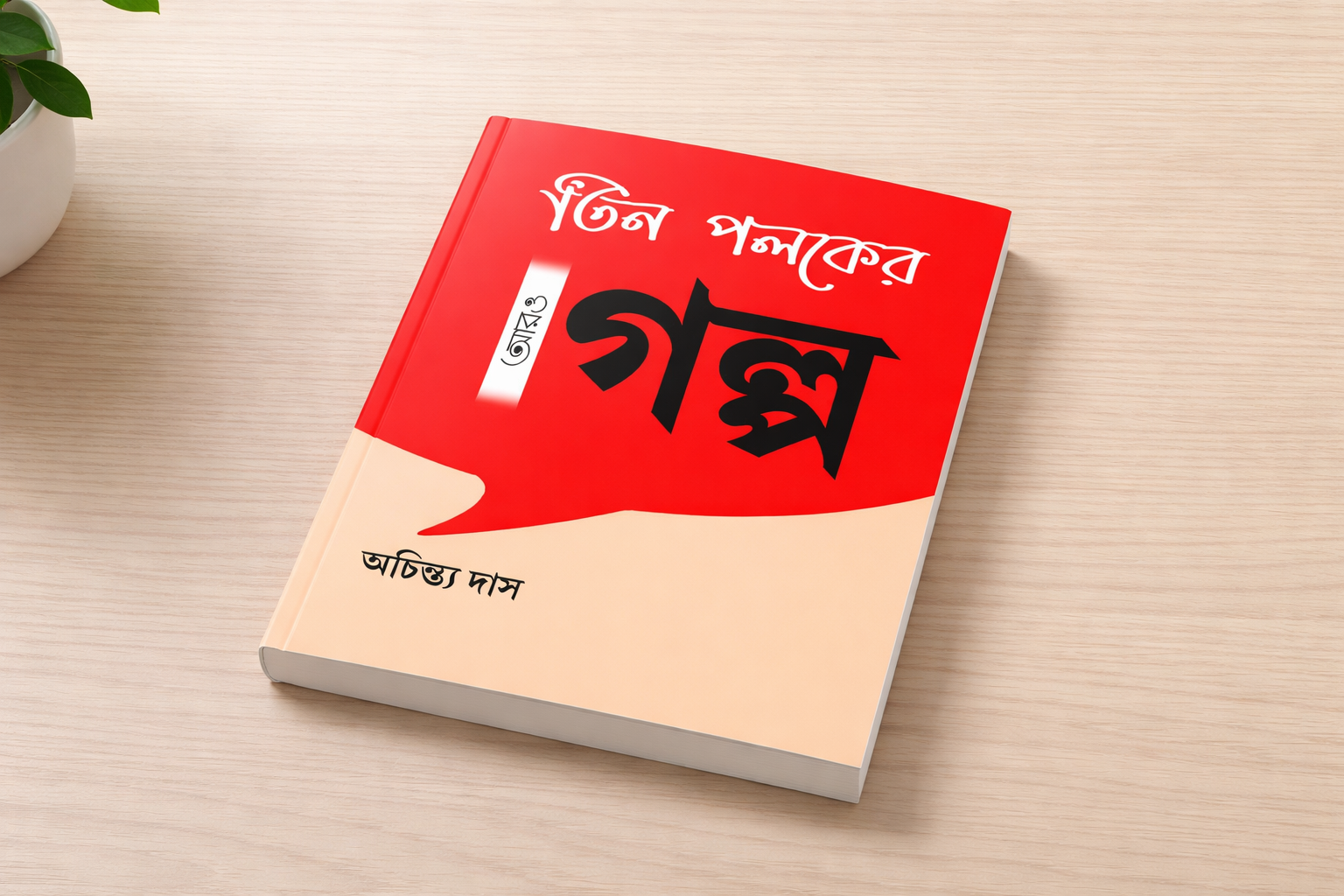
That is exactly how Tin Poloker Aro Golpo by Achintya Das felt to me.
I finished this Bengali story collection with that very specific feeling I only get from books rooted in everyday life, the feeling that I’ve not just read stories, I’ve overheard people. Neighbours. Fathers. Wives. Aging clerks. Children who don’t fully understand what the adults are carrying. People who are not dramatic in the literary sense, but deeply human.
What moved me most is how Achintya Das notices the kind of moments most writers rush past. A family discussing a house. A tired mind after hospital visits. The social weight of money, marriage, property, illness, memory, and ego. These are familiar Bengali middle class realities, and the author writes them with such lived-in ease that I often found myself thinking, I know people like this. I’ve seen this exact silence at someone’s dining table.
In 2026, when so much fiction is trying hard to be louder, darker, or concept-driven, this collection feels timely because it trusts the emotional power of ordinary life.
What the Book Is About: A collection built from lived moments
As the subtitle promises, Tin Poloker Aro Golpo: A Collection of Bengali Stories is a wide-ranging anthology of Bengali short fiction, but what binds the stories together is not genre. It is observation.
Achintya Das seems deeply interested in the small fractures and hidden tenderness inside everyday Bengali lives.
Stories like “Ekta Barir Golpo” stayed with me because the house is never just a house. It becomes memory, inheritance, tension, nostalgia, and a question of what remains when people move on but walls still remember them.
Then there’s “Raja-Rajotar Golpo,” which on the surface carries the warmth of storytelling and a faint fable-like texture, yet underneath it I sensed reflections on class, affection, imagination, and how people create emotional kingdoms inside ordinary existence.
I also found “Bikel” particularly affecting. Even the title, meaning afternoon, already suggests that in-between hour of life, neither beginning nor end. The story carries that exact mood: reflection, slowness, something unresolved hovering in the air.
Across the collection, we move through domestic spaces, social anxieties, emotional misunderstandings, memories of parents, fragile marriages, health concerns, property disputes, middle age disappointments, and those fleeting moments when someone suddenly sees their own life clearly.
That’s where the title Tin Poloker Aro Golpo feels so right. These are stories born from glimpses, three blinks and then another life opens.
What Stood Out to Me: The people feel startlingly real
What stood out most in this Tin Poloker Aro Golpo book review is Achintya Das’s control over character psychology without making it feel literary for the sake of it.
In my years reviewing books, I’ve noticed that many short story collections struggle because characters become symbols. That doesn’t happen here. Even in brief spaces, the people in these stories feel as if they existed before the story began and will continue existing after it ends.
I especially appreciated three things:
1) The domestic realism
The homes in these stories are not decorative settings. They breathe. Bedrooms, balconies, courtyards, hospitals, offices, verandas, family homes being discussed, sold, remembered, or emotionally guarded. These spaces become emotional maps.
This reminded me of why classic Bengali storytelling often works so beautifully: the emotional drama sits inside the familiar.
2) The pacing
The pacing is patient in a way that rewards attentive readers. Achintya Das allows scenes to unfold through conversation, pauses, implication, and shifting mood rather than dramatic exposition.
Honestly, this might not work for readers looking for plot-heavy thrill. But for readers who enjoy human behavior, the pacing feels right because life itself often changes through one sentence spoken casually.
3) The tonal range
What I really liked is that the collection does not stay in one emotional register. Some stories feel wistful. Some carry irony. Some lean toward emotional ache. Some have the warmth of remembered anecdote. A few even have that distinctly Bengali bittersweet humor, where pain and absurdity sit together.
That tonal variation keeps the book alive.
The Emotional Core: The ache of ordinary people trying their best
The emotional heart of Tin Poloker Aro Golpo lies in something very simple: people trying to hold together dignity while life keeps rearranging things around them.
That’s why several stories hit differently for me.
There’s a recurring sense of people negotiating not just circumstances, but self-worth. Illness becomes more than illness. A house becomes more than property. Afternoon becomes more than time. A family discussion becomes a quiet referendum on love.
I felt the collection repeatedly asks:
What do we keep?
What do we let go?
What do we pretend not to feel because daily life must continue?
Some parts genuinely made me pause because the emotions are so recognisable. The elderly figures, the family negotiations, the tension between responsibility and desire, the middle class performance of normalcy, I’ve seen all of this in real life.
One story reminded me of visiting relatives in Kolkata years ago, where tea would be served, everyone would speak casually, and yet you could feel three unsaid family histories sitting in the room. Achintya Das captures that exact atmosphere beautifully.
If you enjoy fiction that values emotional aftertaste over dramatic climax, this collection gives you plenty to sit with.
Who This Book Is For: Readers who love life in small details
If you’re wondering should you read Tin Poloker Aro Golpo?, I think the answer depends on what kind of reader you are.
This book is for you if:
- You enjoy Bengali short stories rooted in real life
- You love family-centered fiction
- You appreciate subtle emotional writing
- You enjoy stories about homes, memory, aging, and social realities
- You like authors such as Ashapurna Devi, Shirshendu’s softer domestic moods, or everyday-life Bengali magazine fiction
This may not be for readers who only enjoy high-concept twists or fast external action.
But if you like stories where a person’s silence matters as much as a plot point, this collection will likely mean something to you.
Final Thoughts: A deeply human collection that respects the reader
As Editor-in-Chief at Deified Publication, I read across genres constantly, and I can honestly say Achintya Das brings a humane editorial intelligence to these stories. He trusts the reader to notice what is not directly said.
That trust is rare.
The best thing about Tin Poloker Aro Golpo by Achintya Das is that it never begs for emotion. It simply places lives before you and lets recognition do the rest.
If I had one mild critique, it would be that a few stories lean so much into atmosphere and lived conversation that some readers may want slightly sharper endings. I personally didn’t mind it because the openness felt true to the collection’s philosophy, but it may not land equally for everyone.
Still, as a Bengali story collection about ordinary lives, memory, family, and emotional transition, this is a deeply satisfying read.
It’s the kind of book that sits with you long after you close it.
FAQs
Is Tin Poloker Aro Golpo worth reading?
Yes, especially if you enjoy Bengali literary fiction centered on family, memory, and everyday emotions.
Who should read Tin Poloker Aro Golpo?
Readers of Bengali short stories, domestic realism, slice-of-life fiction, and emotionally layered middle class narratives.
What’s Tin Poloker Aro Golpo about?
It is a collection of Bengali stories by Achintya Das, focusing on homes, relationships, aging, social tension, and fleeting moments of self-realisation.
Is this book plot-heavy?
Not really. It’s more character and mood-driven, which I think is exactly where its strength lies.
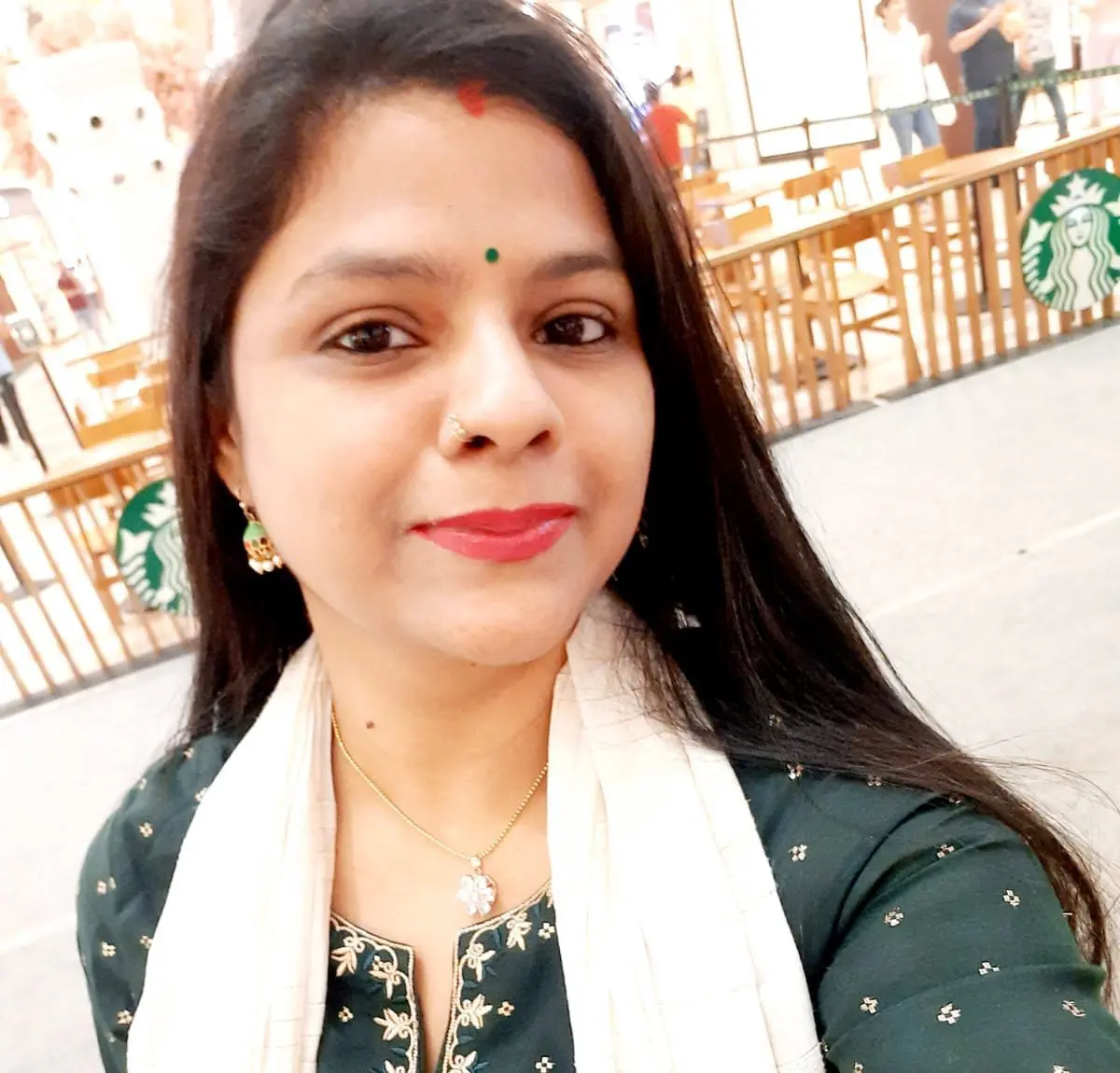
With over 11 years of experience in the publishing industry, Priya Srivastava has become a trusted guide for hundreds of authors navigating the challenging path from manuscript to marketplace. As Editor-in-Chief of Deified Publications, she combines the precision of a publishing professional with the empathy of a mentor who truly understands the fears, hopes, and dreams of both first-time and seasoned writers.