

Rating:
⭐⭐⭐⭐ (4.3 out of 5)
There’s a line early in this book that stayed with me longer than I expected.
“Leadership is not command it is companionship.”
I paused there.
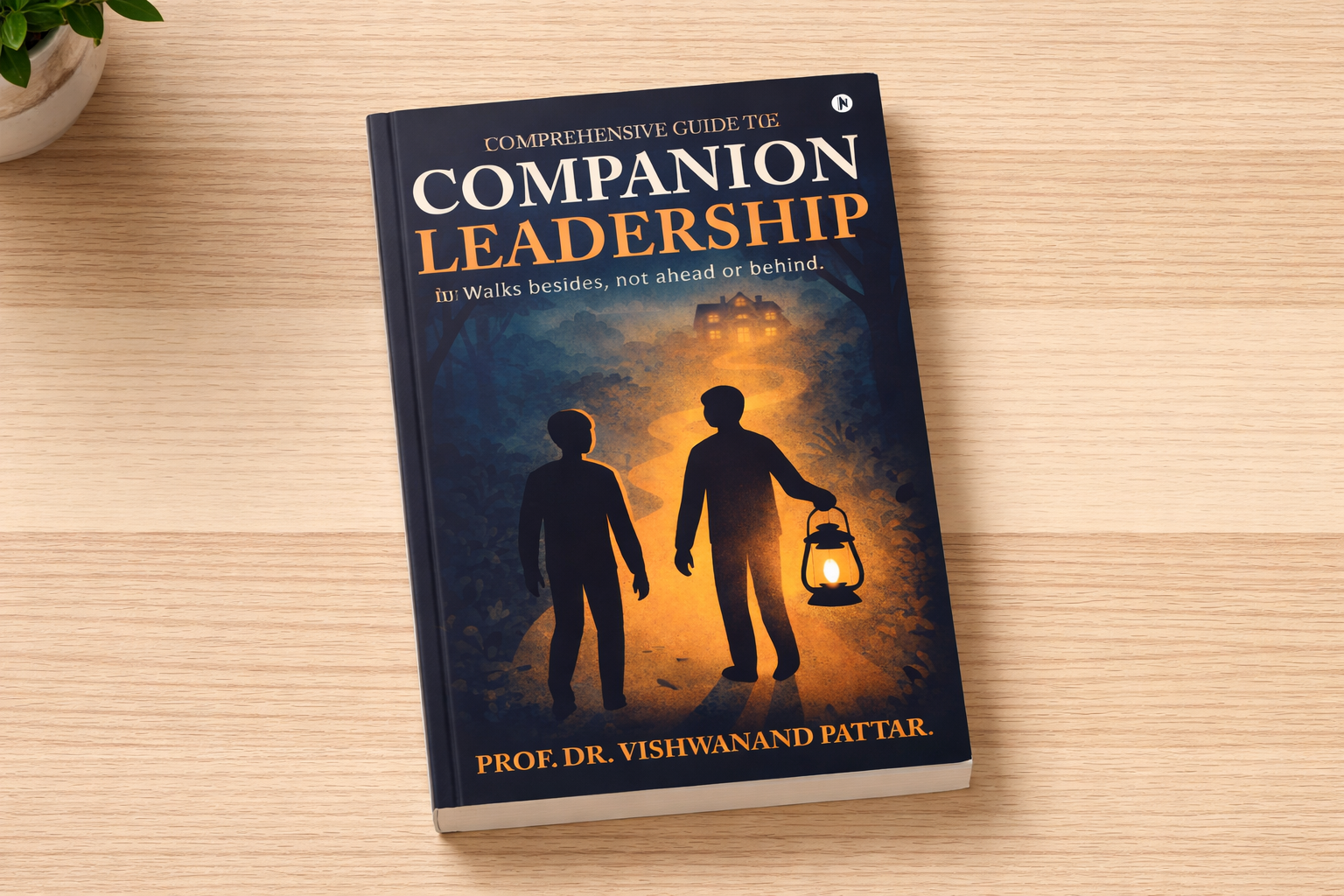
Not because it’s a completely new idea. We’ve all heard softer versions of leadership before. But something about the way Prof. Dr. Vishwanand Pattar frames it, especially with that image of a lantern bearer walking beside others, made it feel… more personal.
In my years at Deified Publication, I’ve read dozens of leadership books. Some are very sharp, very structured, very corporate. They tell you what to do, how to do it, and sometimes they forget there are actual humans involved.
This one feels different. It feels like it’s trying to slow you down a bit. Not push you to lead faster, but maybe lead better.
And I think that distinction matters more in 2026 than ever.
What the Book Is About
At its heart, Comprehensive Guide to Companion Leadership is an attempt to redefine leadership itself. Not tweak it. Not improve it. Redefine it.
The core idea is simple, but the execution is layered. A leader is not someone who stands ahead giving instructions or behind pushing people forward. A leader walks beside.
That metaphor of the lantern bearer runs through the entire book. The leader carries light, not authority. The light doesn’t force anyone to move. It just makes the path visible.
From there, the book builds a full framework called the “House of Companionship.” I actually liked this part more than I expected. It could have felt abstract, but it’s surprisingly structured.
You have the foundation of trust and shared meaning. Then pillars like empathy and presence. Walls made of values. A roof of vision. Windows of transparency. Even a garden outside, representing contribution and legacy.
It’s almost architectural. Like leadership is something you build, not something you perform.
And the book doesn’t just stay in theory. There are exercises, reflections, and practical tools scattered throughout. Things like rituals, workshops, coaching practices. It keeps reminding you that this isn’t just an idea. It’s something you’re supposed to live.
What Stood Out to Me
I think the biggest strength of this book is its consistency. The metaphor of companionship isn’t just introduced and forgotten. It’s carried through every section.
For example, when the author talks about what a companion actually is, he doesn’t make it overly philosophical. He breaks it down into simple human traits. Emotional support, shared experiences, trust, empathy, belonging.
And I found that grounding.
Because sometimes leadership books jump too quickly into big words like vision, strategy, execution. Here, it starts with something basic. Are you someone people feel safe around?
There’s also a strong emphasis on emotional intelligence and presence. The idea that leadership is not about being the smartest person in the room, but the most present one.
There’s a section that connects emotional intelligence, empathy, and psychological safety. And I remember thinking, yes, this is what most workplaces are actually missing. Not strategy. Not targets. Just the feeling that you can speak without fear.
Another thing I appreciated is how the book blends Eastern and Western thinking. You’ll see references to dharma, sangha, along with Western philosophy and psychology. It doesn’t feel forced. It feels like the author has genuinely worked across both worlds.
Also, small detail, but I liked the etymology of the word “companion.” Someone you share bread with.
There’s something very human about that. Leadership reduced to sharing a meal.
The Emotional Core
If I step back from all the frameworks and metaphors, what this book is really about is loneliness.
Not in an obvious way. But you can feel it.
Modern leadership, especially in corporate spaces, can be isolating. Leaders at the top. Employees below. Everyone performing roles. Very little real connection.
This book keeps pushing against that.
It keeps asking, what if leadership felt like walking together instead of managing each other?
There’s a section about why companionship matters more now. It talks about how despite being more connected digitally, people feel more disconnected emotionally.
And honestly, I’ve seen this.
Teams that function perfectly on paper but don’t trust each other. Managers who hit targets but burn out their people. Leaders who look successful but feel completely alone.
This book tries to address that gap.
Not with quick fixes. But by changing the way you see relationships at work.
There’s also something quietly hopeful about it. The idea that leadership doesn’t require you to become someone else. You don’t need to be louder, tougher, more authoritative.
You just need to be present. Consistent. Human.
That sounds simple. It’s not easy though.
Who This Book Is For
I think this book will resonate most with people who are already questioning traditional leadership models.
If you are deeply into aggressive, performance-driven leadership styles, this might feel a bit slow or idealistic at times.
But if you’ve ever felt that something is missing in the way teams operate, this might connect.
It’s especially useful for:
- Managers who are transitioning into leadership roles
- Coaches and facilitators working with teams
- Founders trying to build culture from scratch
- Even individuals who don’t have formal authority but influence people around them
Also, if you enjoy books that combine philosophy with practical tools, this fits well.
That said, I’ll be honest. Some sections feel a bit repetitive. The metaphors, while strong, are used quite often. At times, I found myself thinking, okay, I get the lantern now.
But maybe that repetition is intentional. The author wants the idea to stick.
Final Thoughts
I keep thinking about that image again. Two people walking in the dark. One holding a lantern.
Not leading. Not following. Just walking together.
There’s something very calming about that.
Comprehensive Guide to Companion Leadership is not trying to impress you with complexity. It’s trying to remind you of something simple that we’ve probably forgotten.
Leadership is a relationship.
And relationships don’t work on authority alone.
In 2026, when workplaces are becoming more remote, more digital, more transactional, this message feels relevant. Maybe even necessary.
Is it perfect? No. It leans heavily on its central metaphor. Some readers might want sharper frameworks or faster takeaways.
But if you’re willing to sit with it, reflect a bit, maybe even question your own style, there’s a lot here.
At Deified Publication, I’ve seen how books can either teach or stay with you. This one, I think, tries to do both.
And it succeeds more often than not.
FAQs
Is Comprehensive Guide to Companion Leadership worth reading?
Yes, especially if you are looking for a more human and relationship-centered approach to leadership.
What is Comprehensive Guide to Companion Leadership about?
It reframes leadership as companionship, focusing on trust, empathy, and walking alongside others instead of commanding them.
Who should read this book?
Leaders, managers, coaches, and anyone interested in building meaningful workplace relationships.
Is it practical or theoretical?
It’s a mix of both. There are frameworks and also exercises you can apply in real life.

With over 11 years of experience in the publishing industry, Priya Srivastava has become a trusted guide for hundreds of authors navigating the challenging path from manuscript to marketplace. As Editor-in-Chief of Deified Publications, she combines the precision of a publishing professional with the empathy of a mentor who truly understands the fears, hopes, and dreams of both first-time and seasoned writers.