
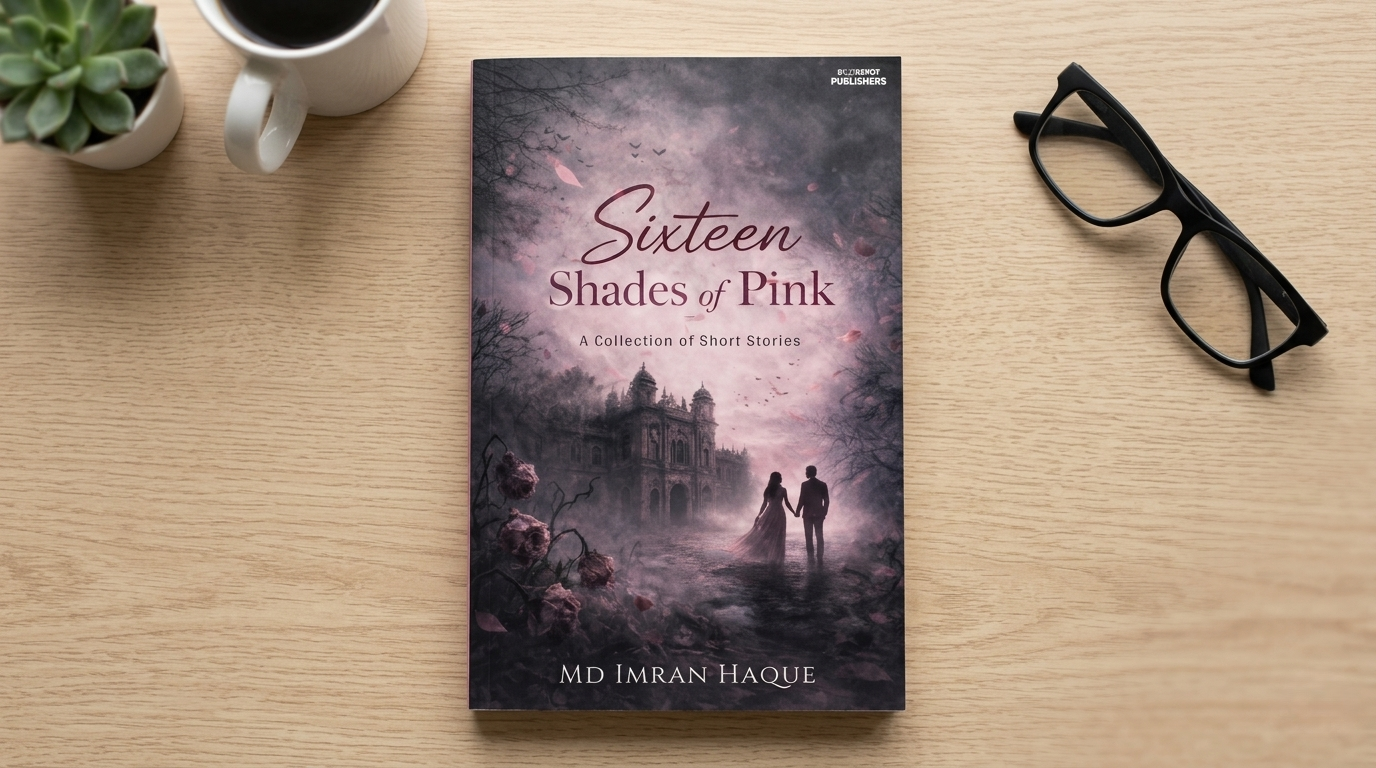
Rating:
⭐⭐⭐⭐ (4.5 out of 5)
Opening: this one unsettled me in a very specific way
I don’t say this often, but Sixteen Shades of Pink made me slightly uneasy in a way I couldn’t immediately explain. I Read Sixteen Shades of Pink offers a unique perspective that lingers in your thoughts.
Not the loud kind of fear. Not jump scares or dramatic twists. Something slower. Something that creeps in after you’ve put the book down.
I remember closing one of the stories and just sitting there for a few minutes, thinking… why does this feel so familiar?
In my years of reading and reviewing books, especially psychological fiction, I’ve noticed that the stories which linger are rarely the ones that try too hard. They are the ones that quietly slip into your mind and rearrange something.
This collection by Md Imran Haque feels like that.
What the Book Is About
Sixteen Shades of Pink is a collection of sixteen short stories, each rooted in psychological unease, identity, memory, and that strange space where reality starts bending just a little. I Read Sixteen Shades of Pink captures the essence of these themes beautifully.
What I found interesting is that these stories don’t rely on traditional horror setups. Yes, there are haunted houses, strange mirrors, eerie train journeys, and even technology that feels a little too aware. But the real tension doesn’t come from those settings.
It comes from people.
From what people want. What they hide. What they are willing to become.
You have stories like The Wedding Planner, where ambition slowly turns into something disturbing and almost predatory. Then there’s The Middle Berth, which honestly felt like a nightmare disguised as a train journey. I could almost hear the clatter of the tracks while reading it, and yet the real fear wasn’t the setting. It was guilt catching up.
And then stories like The Last Heirloom and The Silent Market shift things again. Suddenly you’re not just dealing with fear. You’re dealing with memory, identity, and the idea that maybe we are not as stable as we think we are.
What ties all of this together is a recurring question.
If something slowly replaces you, would you even notice?
What Stood Out to Me
1. The way ordinary settings become uncomfortable
I’ve read enough horror and psychological fiction to know when a setting is doing too much work.
Here, it’s the opposite.
A wedding house. A train compartment. A family mansion. A modern apartment in Bengaluru.
These are not unusual places. We’ve all seen them. Some of us have lived in them.
And that’s exactly why it works.
There’s a moment in The Wedding Planner where everything feels perfectly controlled, almost too perfect. And then slowly, that control becomes something else. Something darker. I kept thinking about how ambition can blur into obsession without us realizing it.
2. The idea of identity slipping away
This is probably the strongest thread across the book.
Characters don’t just face external problems. They start losing themselves.
In The Last Heirloom, the idea of a house holding onto identity felt deeply unsettling. I mean, I’ve visited old homes in Kolkata where you can almost feel the past sitting in the walls. This story takes that feeling and pushes it further.
And then there’s Algorithm of Ancestors. This one stayed with me. The thought that technology could preserve someone so perfectly that it starts replacing you… it felt uncomfortably close to reality, especially in 2026 where AI is already part of our daily lives.
I kept thinking, what happens when memory is no longer ours alone?
3. The emotional restraint in the writing
Md Imran Haque doesn’t over-explain.
And I appreciate that.
The stories don’t stop to tell you what to feel. They just present situations, and you are left to sit with them.
Sometimes I wished for a little more clarity, I’ll admit. There were moments where I paused and thought, wait, what exactly just happened?
But then I realized that confusion is part of the experience.
Because life doesn’t always give neat explanations either.
4. The mix of old and new fears
One thing I genuinely liked is how the book blends traditional and modern anxieties.
You have folklore-like elements. Old houses, inherited objects, family secrets.
And then suddenly, you’re in a world of algorithms, digital afterlives, and surveillance.
That combination works surprisingly well.
It reflects how fear itself has evolved. It’s no longer just about ghosts in abandoned buildings. It’s also about data, identity, and the feeling of being watched or replaced.
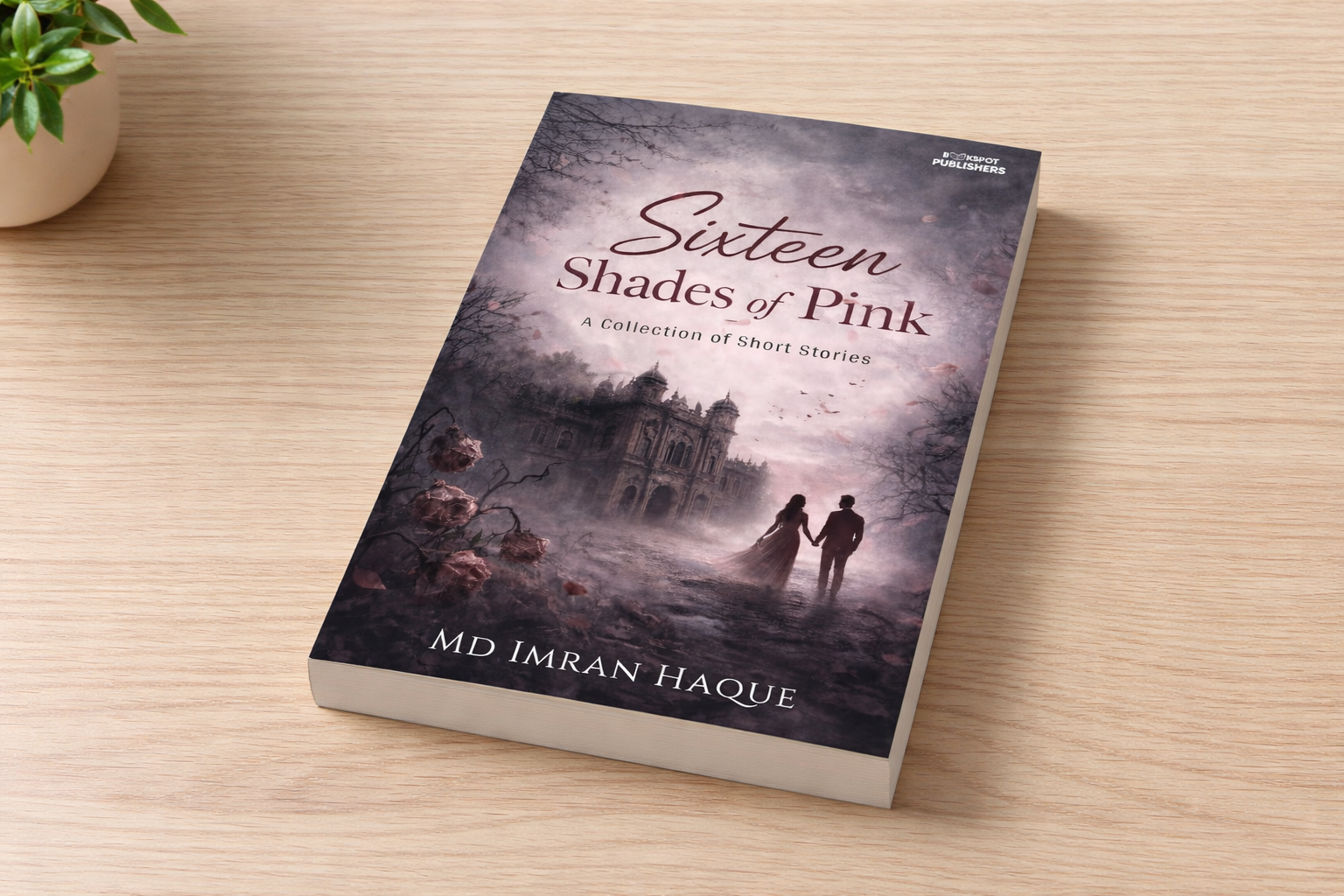
The Emotional Core
If I had to describe what this book is really about, I’d say it’s about becoming a stranger to yourself.
That line from the blurb stayed with me, and after going through several stories, I understood why.
Each story, in its own way, shows a moment where a character crosses a line. Sometimes knowingly. Sometimes without realizing it.
And once they cross that line, there’s no easy way back.
There’s also a quiet sadness running through the book.
Not dramatic sadness. Not the kind that makes you cry immediately.
But the kind that makes you think about your own life.
Your memories. Your choices. The versions of yourself you’ve left behind.
I found myself thinking about small things. Old friendships. Moments I’ve forgotten. Decisions that felt small at the time but changed something permanently.
That’s what this book does.
It doesn’t just scare you. It makes you reflect.
Who This Book Is For
I think Sixteen Shades of Pink is not for everyone, and that’s okay.
If you enjoy clear, fast-paced stories with neat endings, this might feel a bit heavy or even confusing at times.
But if you like:
- Psychological stories that stay in your head
- Themes around identity, memory, and self
- A mix of realism and subtle surreal elements
- Stories that make you pause instead of rushing ahead
then this book might work really well for you.
Also, if you’ve read the author’s earlier works, you’ll probably notice a shift here. It feels more restrained, more focused on internal conflict than external drama.
What Didn’t Fully Work for Me
I think the biggest challenge for some readers will be the density.
Not in terms of language, but in terms of ideas.
Some stories pack a lot into a short space. And if you’re not fully present while reading, it’s easy to miss something important.
There were also moments where I wanted a bit more breathing room. Maybe a slightly slower pace in certain stories, just to let the emotional impact settle.
But at the same time, I understand why the author chose this style.
It keeps the stories sharp. Almost like fragments.
Final Thoughts
In 2026, when we are constantly surrounded by noise, content, and distractions, a book like Sixteen Shades of Pink feels different.
It asks you to slow down.
To pay attention.
To sit with discomfort instead of scrolling past it.
I won’t say I loved every single story equally. Some stayed with me more than others.
But as a collection, it feels cohesive. It feels intentional.
And most importantly, it feels honest.
It’s the kind of book that doesn’t leave you immediately. It lingers. In small, unexpected ways.
And honestly, those are the books I remember the longest.
FAQ
Is Sixteen Shades of Pink worth reading?
Yes, especially if you enjoy psychological fiction and short stories that focus on identity and memory rather than action.
What is Sixteen Shades of Pink about?
It is a collection of sixteen stories exploring themes like identity loss, emotional conflict, and modern psychological fear.
Who should read Sixteen Shades of Pink?
Readers who enjoy layered, slightly unsettling stories and are comfortable with open-ended interpretations.
Is it beginner-friendly?
It’s readable, but some stories may require careful attention to fully appreciate.
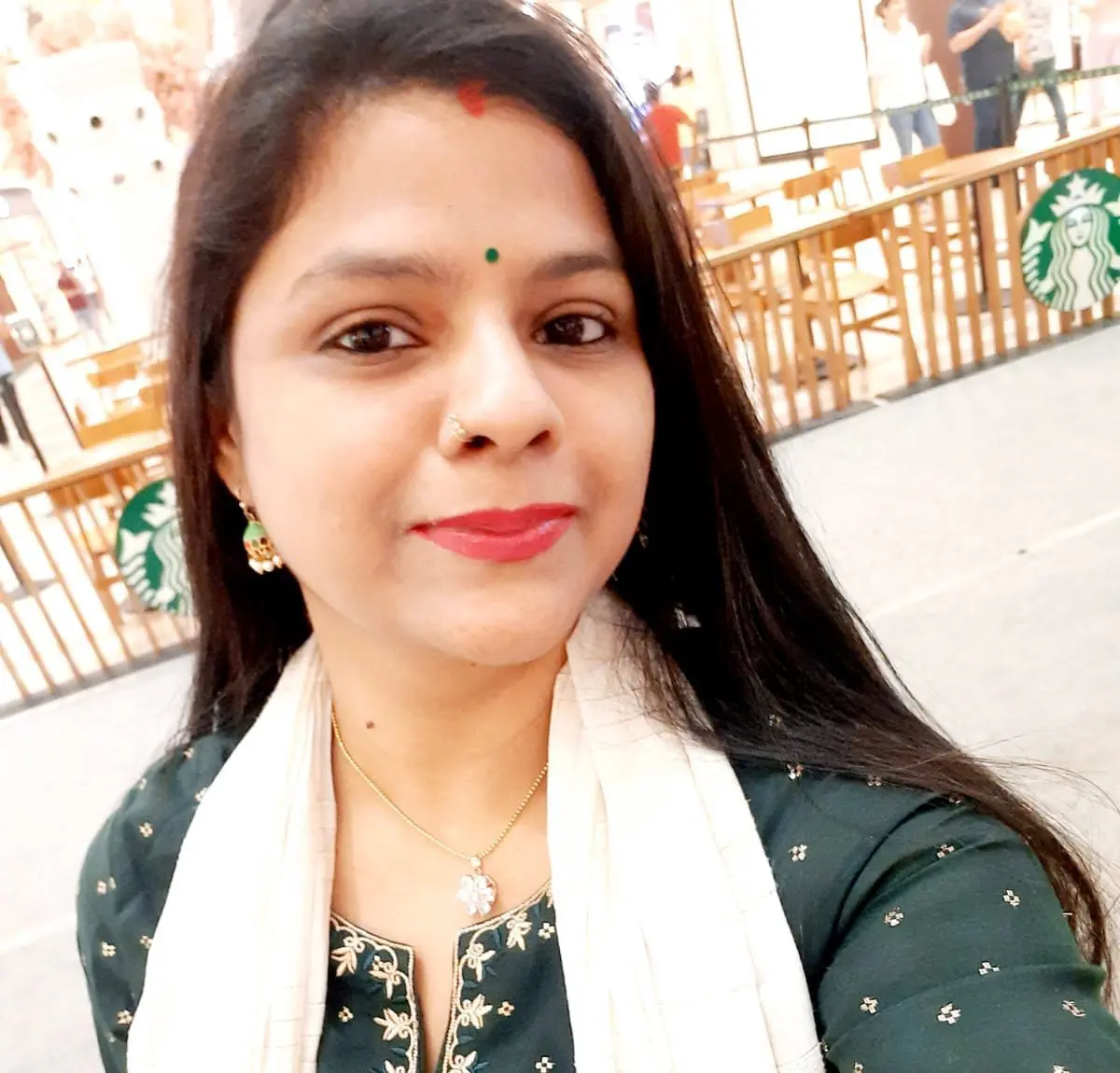
With over 11 years of experience in the publishing industry, Priya Srivastava has become a trusted guide for hundreds of authors navigating the challenging path from manuscript to marketplace. As Editor-in-Chief of Deified Publications, she combines the precision of a publishing professional with the empathy of a mentor who truly understands the fears, hopes, and dreams of both first-time and seasoned writers.