
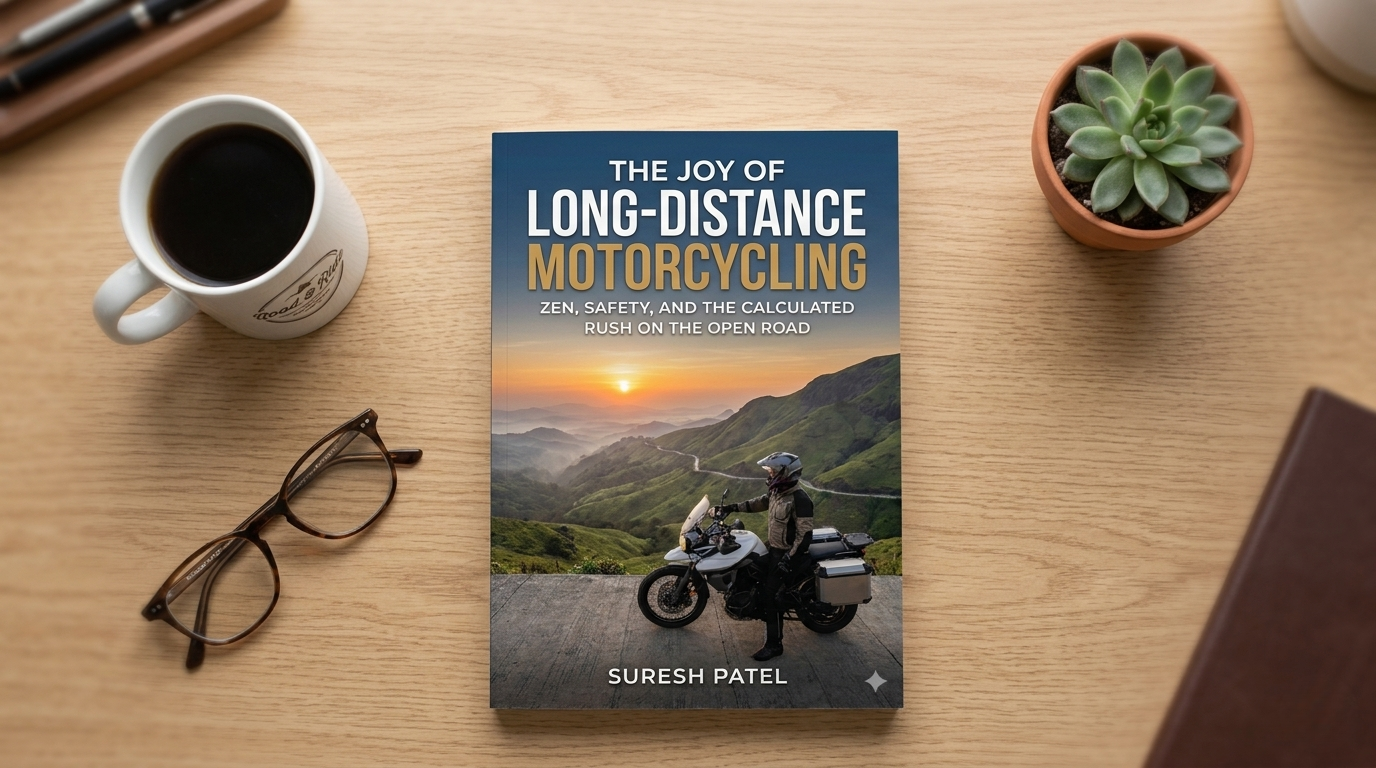
Rating:
⭐⭐⭐⭐ (4.2 out of 5)
I’ll be honest, I don’t ride motorcycles. Not even casually. I’m someone who prefers the back seat of a cab with a book in hand.
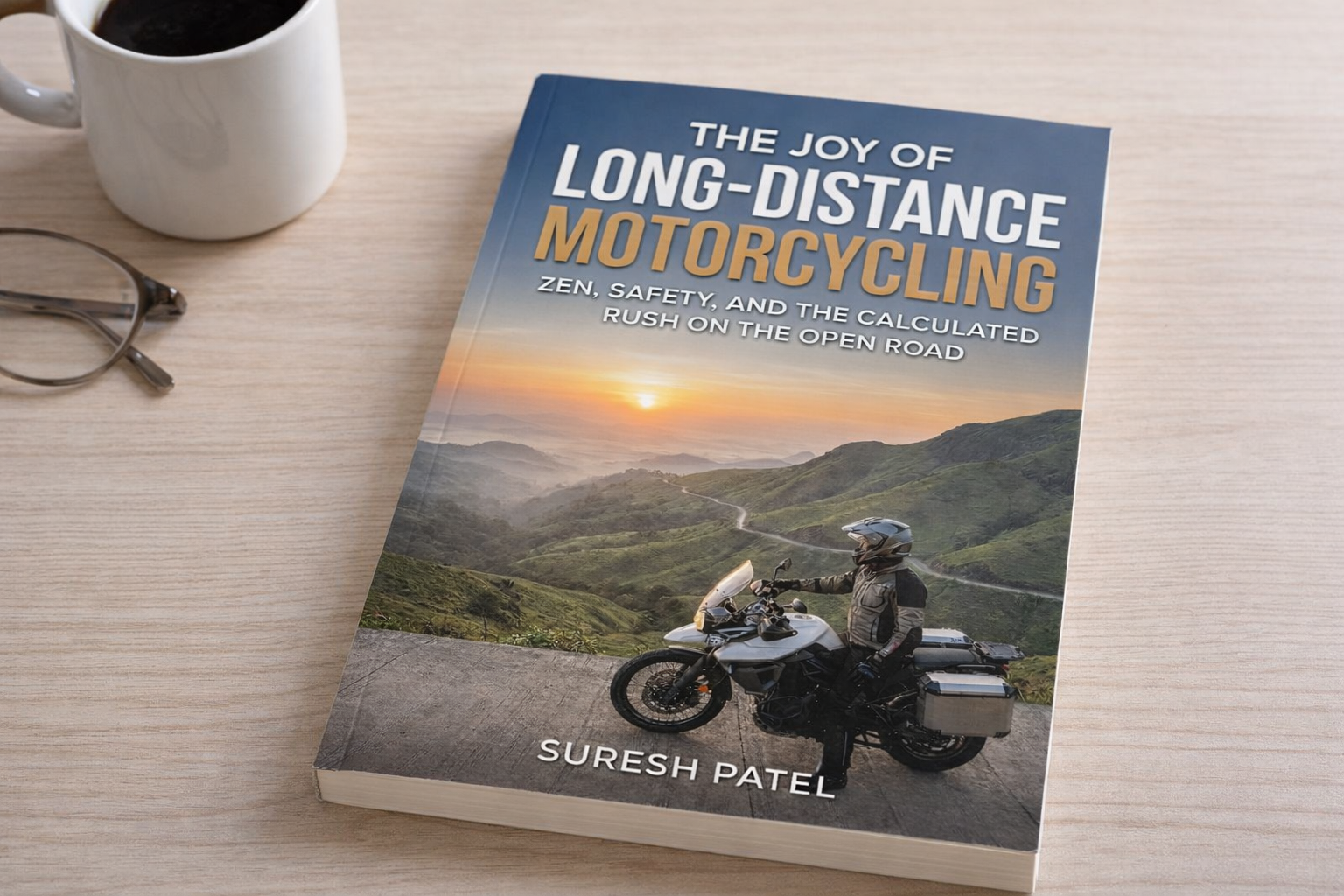
So when I started reading The Joy of Long-Distance Motorcycling by Suresh Patel, I wasn’t expecting to connect with it the way I did. I thought it would be technical, maybe even a bit niche.
But somewhere between the early morning Bangalore departure in the prologue and those later chapters about fatigue and mental limits, I found myself slowing down. Not just as a reader. As a person.
And that surprised me.
In my years as an editor at Deified Publication, I’ve seen books that explain things well. And then there are books that quietly shift how you see your own life. This one sits somewhere in between. It teaches, yes. But it also lingers.
There’s this line early on about how the ride doesn’t begin on the highway but in that pre dawn moment when you turn the key and hear the engine come alive. I don’t know why, but I kept going back to that idea. That preparation itself is part of the experience.
Maybe that’s what this book is really about.
What the Book Is About
At its core, The Joy of Long-Distance Motorcycling is not just about riding a motorcycle across long distances. It is about how to think while doing it.
The book moves through structured chapters that almost feel like stages of becoming a rider. From choosing the right motorcycle, to understanding the rhythm of the road, to treating safety as something almost sacred.
There’s a clear progression.
The early chapters focus on mindset. Not rushing into the thrill, but understanding the machine, respecting it. There’s a strong idea repeated that the motorcycle is not just a tool, it becomes a lens through which you experience the world.
Then the middle sections get more grounded. Packing, endurance, managing fatigue, taking breaks. The “15 minute rule” especially stayed with me. The idea that you should stop before you feel tired, not after. It sounds simple, but I kept thinking about how rarely we apply that logic in life. We push until something breaks.
And then there are the later chapters, which feel more reflective. The philosophy of the slow lane, the idea of maintenance as meditation, and that final sense of returning from a ride with a different clarity.
It’s structured like a guide, but it reads like a philosophy book at times.
What Stood Out to Me
A few things really stayed with me.
First, the way Suresh Patel connects motorcycling with the practice of law. That was unexpected. There are repeated parallels between courtrooms and highways. Preparation, control, unpredictability.
There’s a moment where he talks about how in law you should never ask a question if you don’t already know the answer. And then he compares that to riding at night, where you are essentially surrendering control to unknown variables. That comparison felt very sharp to me.
I’ve read enough non fiction to know that analogies can sometimes feel forced. Here, they didn’t. They felt earned.
Second, the idea of fatigue as the real enemy. Not the obvious dangers like rain or traffic, but something invisible.
There’s a section describing how fatigue doesn’t arrive dramatically. It creeps in through small compromises. Missed details. Slower reactions.
That line stayed with me because it applies far beyond riding. I’ve seen this in real life. In work. In relationships. Things don’t collapse suddenly. They fade.
Third, the language around rituals.
Putting on gear is not just preparation, it’s almost symbolic. Leaving behind your “city self” and becoming something else. A rider.
I liked that a lot. Because we all have those transitions, even if they look different. Changing roles. Shifting identities.
And then there’s the writing itself. It’s not overly polished, and I mean that in a good way. It feels direct. Personal. At times almost like someone talking to you after a long ride, explaining what they’ve learned.
That said, I’ll be honest about one thing. Some sections feel slightly repetitive in their philosophy. The idea of control versus surrender, preparation versus unpredictability, comes up multiple times.
It didn’t bother me too much, but I did notice it.
The Emotional Core
This is the part I didn’t expect.
I thought this would be a book about machines and movement. But it’s actually about awareness.
There’s a recurring idea of being fully present. Not distracted, not rushing, not reacting blindly.
One moment that really stayed with me is when the author talks about how staring at danger leads you straight into it, but focusing on the escape route guides you to safety.
I paused there. Because it’s such a simple sentence, but it carries so much.
In 2026, when most of us are constantly pulled in different directions, that idea feels almost urgent.
Also, the sections about stopping. About knowing when to pause.
There’s something very human in admitting that you cannot keep going endlessly. That endurance is not about pushing through exhaustion, but about managing it intelligently.
I think a lot of readers will see themselves in that. I did.
And then there’s the ending tone of the book. The idea of returning from a journey not just physically, but mentally recalibrated.
It made me think about how rarely we allow ourselves that reset.
Who This Book Is For
If you are into motorcycling, especially long distance riding, this book will probably feel like a conversation you’ve been waiting to have.
But even if you’re not, like me, there’s still a lot here.
If you enjoy books that connect practical skills with deeper life reflections, you might find this interesting.
If you are someone who tends to push yourself too hard, who struggles with slowing down, who feels constantly in motion without pause, this book might speak to you in unexpected ways.
That said, this might not work for everyone.
If you are looking for fast moving narratives or highly dramatic storytelling, this is not that kind of book. It takes its time. It repeats ideas. It asks you to sit with them.
Final Thoughts
I went into The Joy of Long-Distance Motorcycling expecting a guide.
I came out of it thinking about my own pace of life.
And I think that’s the highest compliment I can give a book like this.
It doesn’t try to impress you. It doesn’t rush to conclusions. It just keeps returning to a few core ideas and lets them settle.
Yes, it has moments where it could have been tighter. Yes, some sections echo each other a bit.
But there’s sincerity here. And clarity.
And sometimes, that’s exactly what you need.
FAQ Section
Is The Joy of Long-Distance Motorcycling worth reading?
Yes, especially if you enjoy reflective non fiction that blends practical advice with life insights.
What is The Joy of Long-Distance Motorcycling about?
It is a guide to long distance riding, but also a philosophical take on awareness, discipline, and presence.
Who should read this book?
Motorcyclists, travellers, and readers who enjoy thoughtful, slower paced books.
Is it only for bikers?
Not really. Even non riders can connect with the deeper themes around focus, fatigue, and balance.
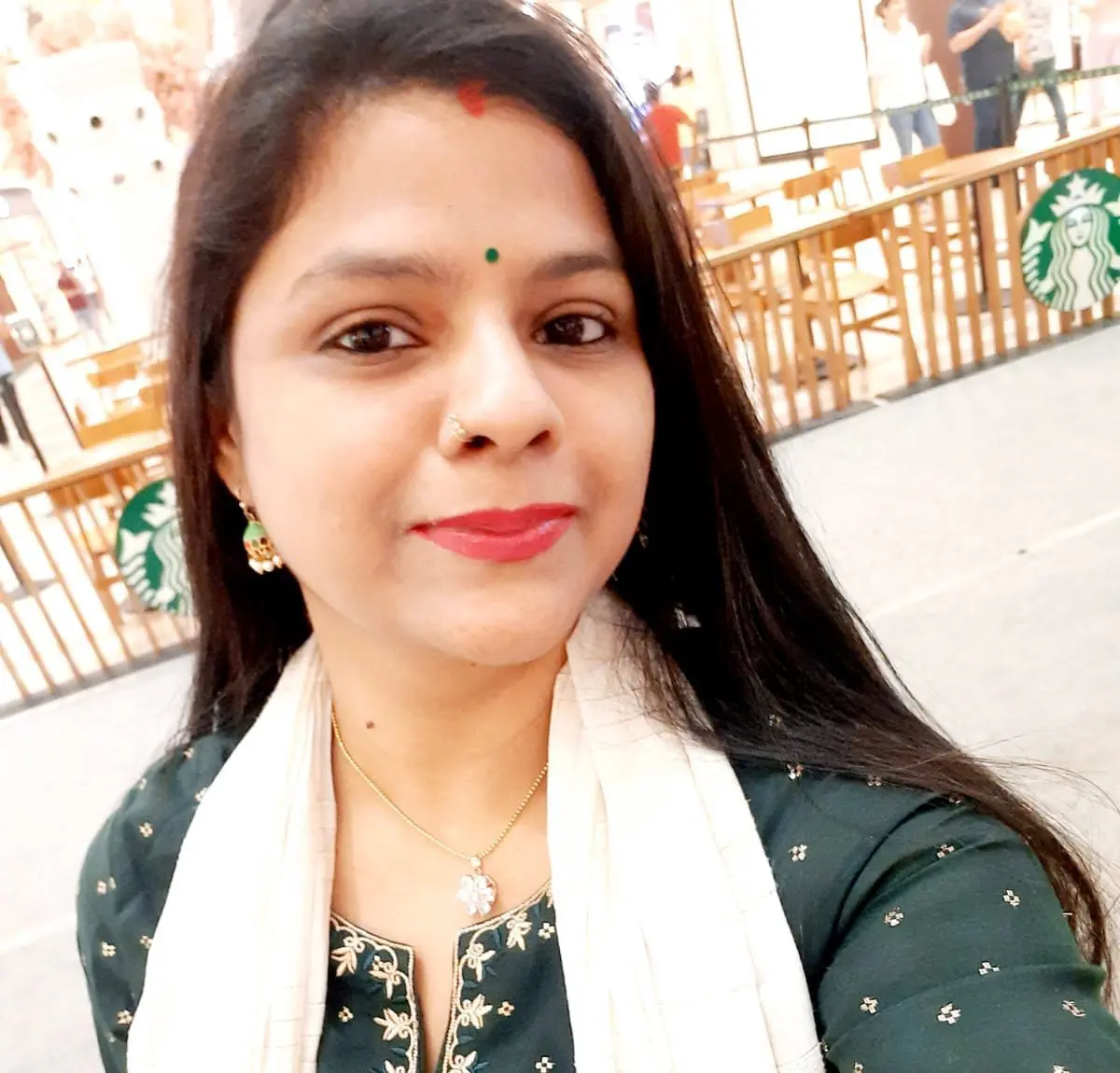
With over 11 years of experience in the publishing industry, Priya Srivastava has become a trusted guide for hundreds of authors navigating the challenging path from manuscript to marketplace. As Editor-in-Chief of Deified Publications, she combines the precision of a publishing professional with the empathy of a mentor who truly understands the fears, hopes, and dreams of both first-time and seasoned writers.