
Rating:
⭐⭐⭐⭐ (4.2 out of 5)
There are some books that don’t feel like books in the usual sense. They feel like… conversations that have been waiting to happen for a long time.
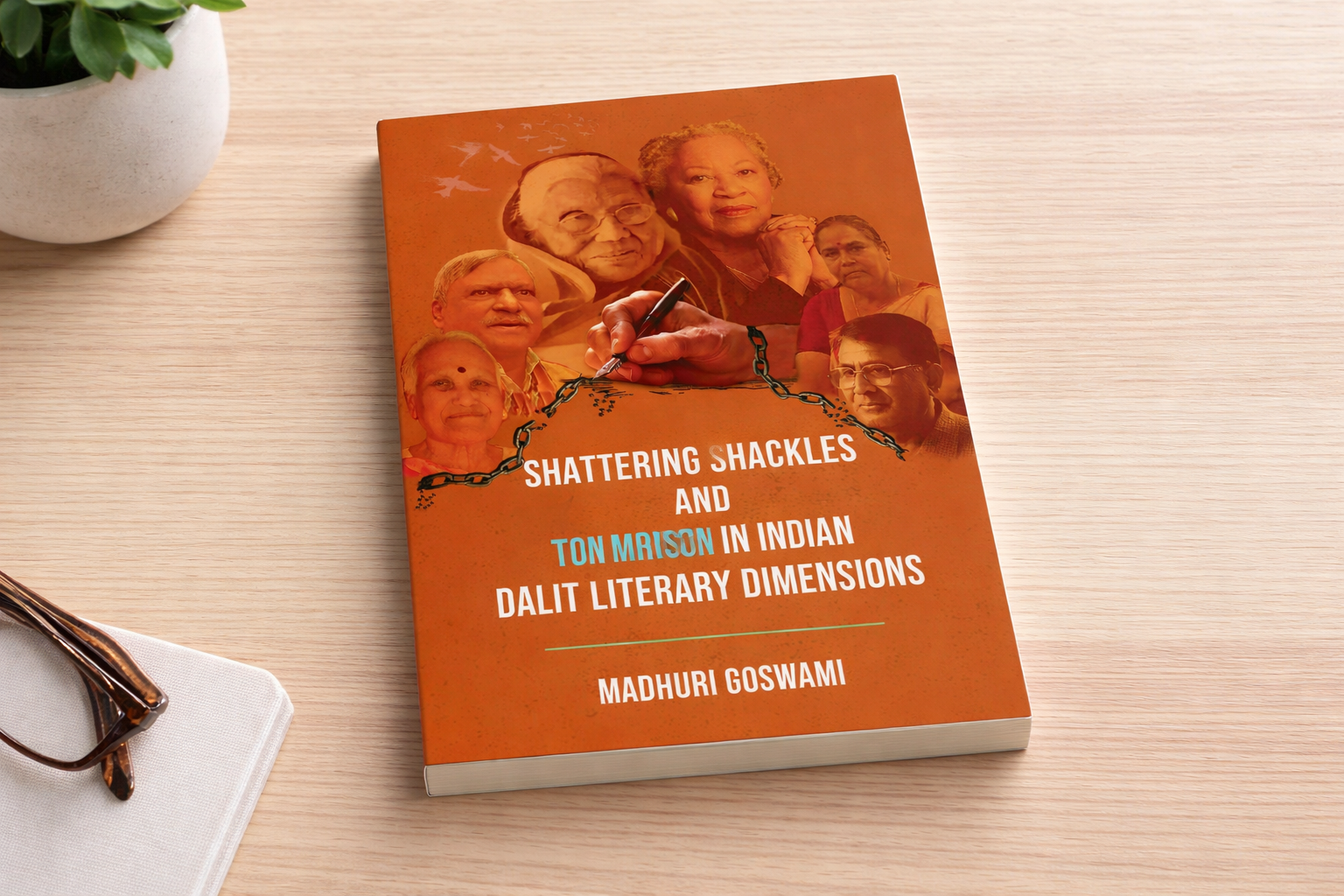
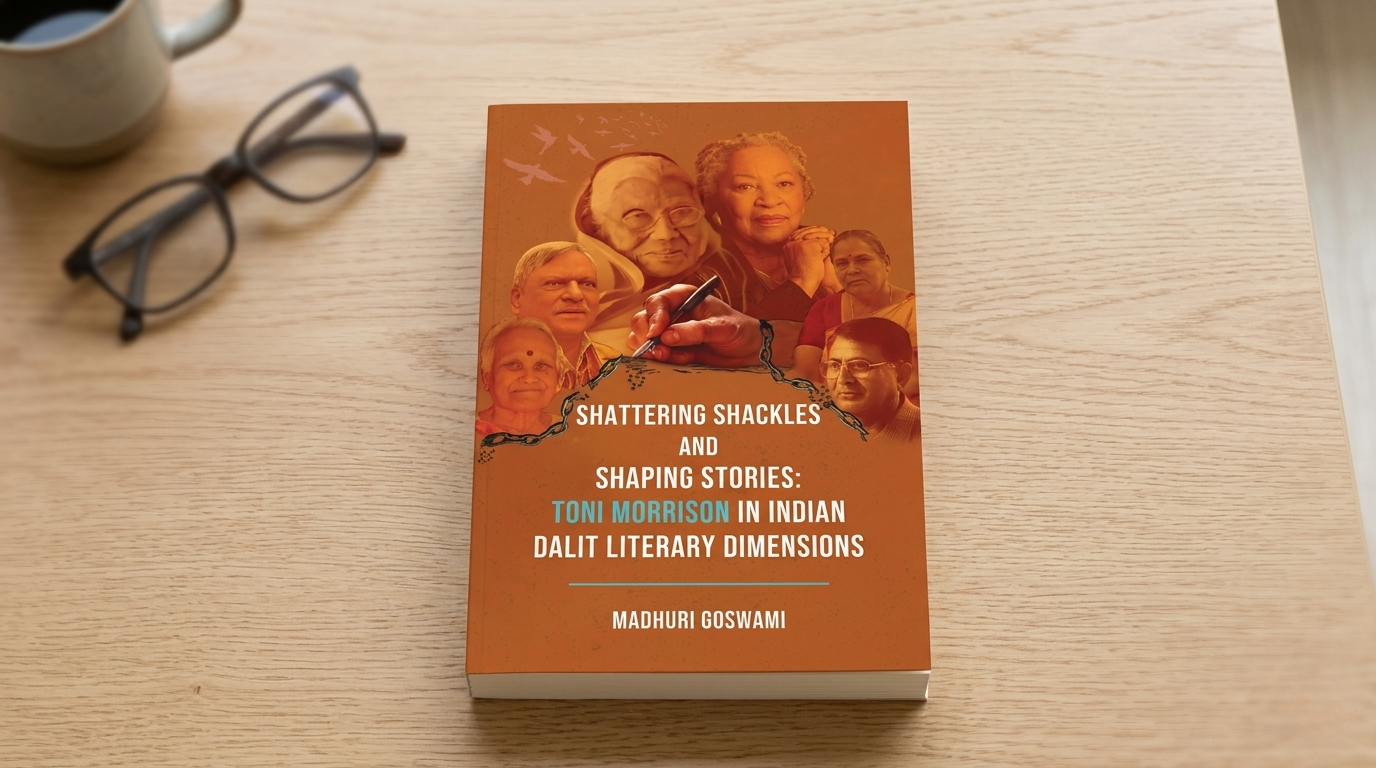
That’s honestly what I felt when I started going through Shattering Shackles and Shaping Stories: Toni Morrison in Indian Dalit Literary Dimensions by Madhuri Goswami.
I remember sitting with a cup of chai, reading the opening pages, and thinking, this is not going to be a quick read. Not because it’s difficult, but because it asks you to slow down. To really think.
In my years as a reader and as Editor in Chief at Deified Publication, I’ve come across a lot of academic texts. Some are brilliant but feel distant. Some are passionate but lose structure.
This one sits somewhere in between. It carries academic depth, yes. But there’s also a sense of urgency behind it. Almost like the author is trying to connect two worlds that have been speaking similar truths, just in different languages.
And I think that’s what stayed with me the most.
What the Book Is About
At its core, Shattering Shackles and Shaping Stories is a comparative study.
But saying just that feels too small.
The book looks at the works of Toni Morrison and places them alongside Indian Dalit literature. Not in a superficial way, but through a detailed exploration of themes like oppression, identity, resistance, and memory.
Right from the early chapters, the author establishes something important. African American literature and Dalit literature, though geographically distant, share similar histories of marginalisation and struggle.
That idea becomes the backbone of the book.
The chapters move through different layers. First, there is a historical mapping of both literary traditions. Then the focus shifts to structures of oppression, race in the American context and caste in the Indian context.
Later chapters go deeper into consciousness. What does it mean to be Black in Morrison’s work. What does it mean to be Dalit in Indian writing. And how these identities carry trauma, memory, and also resilience.
There is also a strong emphasis on feminist perspectives. The book does not just talk about oppression in general. It pays attention to how women experience it differently.
And I appreciated that.
Because often, these discussions forget that intersection.
The later chapters bring in aesthetics, which I found quite interesting. The idea that Dalit aesthetics can be used to read Morrison’s fiction opens up a completely new way of looking at her work.
And honestly, I had not thought about Morrison in that framework before.
What Stood Out to Me
There’s a moment early in the book where the author talks about literature as a way for marginalised communities to “vocalise their suppressed souls” and assert their identity.
I paused there.
Because that line, or rather that idea, felt very real.
I’ve seen this in so many forms. Not just in books. In conversations, in poetry, in the way people tell their stories when they finally feel heard.
One of the strongest aspects of this book is how carefully it builds parallels without forcing them.
For example, when discussing race and caste, the author does not say they are identical. Instead, she shows how both systems create similar patterns of exclusion and hierarchy.
That distinction matters.
Because it keeps the analysis grounded.
Another thing that stood out to me is the attention to consciousness. The idea of “being Black” and “being Dalit” is not treated as just a label. It is explored as a lived experience shaped by history, society, and personal memory.
The sections on identity and introspection also lingered with me.
The book suggests that identity is not just individual. It is deeply tied to community.
And that made me think about how often we try to separate ourselves from our backgrounds, even when they continue to shape us.
The feminist lens is another strength. The discussion around Black feminism and Dalit feminism highlights how women within marginalised communities face layered struggles.
There is a part discussing how Dalit women often remain invisible even within larger movements.
And honestly, that’s something we see even today.
The Emotional Core
Now this might sound strange for an academic book, but there is an emotional core here.
It is not expressed through characters or plot, but through ideas.
The recurring feeling I got while reading was this quiet persistence of resistance.
The book talks about pain, yes. About discrimination, exclusion, violence.
But it also talks about voice.
About writing as a way of reclaiming dignity.
And I think that’s where the emotional weight lies.
There’s this underlying sense that literature is not just art. It is survival. It is protest. It is memory.
And maybe even healing.
I kept thinking about Toni Morrison while reading these sections. How her work carries both beauty and pain. And then seeing that reflected in Dalit literature made the connection feel more real.
Not theoretical.
Human.
Who This Book Is For
This is not a light read.
I’ll say that honestly.
If someone is looking for a quick introduction to Toni Morrison or Dalit literature, this might feel a bit dense at times.
But for readers who are genuinely interested in literary studies, social justice, or comparative literature, this book offers something valuable.
Students and researchers will probably find it especially useful.
But even general readers who are curious and willing to engage slowly might find themselves learning a lot.
I also think this book would resonate with people who have felt, at some point, that their stories were not being heard.
Because at its heart, this is a book about voices.
Final Thoughts
After finishing Shattering Shackles and Shaping Stories, I didn’t feel like I had “completed” a book.
I felt like I had entered a conversation that is still ongoing.
And maybe that’s the point.
In 2026, when conversations around identity, equality, and representation are becoming more visible yet still incomplete, this book feels relevant in a very real way.
It reminds us that struggles across different parts of the world are often connected.
That literature can build bridges where politics sometimes fails.
If I had to point out a small limitation, I would say that at times the academic tone becomes a bit heavy. There were moments where I wished for slightly more storytelling or examples to make the ideas more accessible.
But then again, that might not be what the book is trying to do.
It knows what it wants to be.
And it stays true to that.
And I respect that.
FAQ
Is Shattering Shackles and Shaping Stories worth reading?
Yes, especially if you are interested in Toni Morrison, Dalit literature, or comparative literary studies. It offers a detailed and meaningful analysis.
What is Shattering Shackles and Shaping Stories about?
It compares Toni Morrison’s works with Indian Dalit literature, focusing on themes like identity, oppression, and resistance.
Who should read Shattering Shackles and Shaping Stories?
Students, researchers, and readers interested in social justice and literary theory will benefit the most.
Is this book easy to read?
Not exactly. It is an academic text, so it requires attention and patience, but it is rewarding if you engage with it.

With over 11 years of experience in the publishing industry, Priya Srivastava has become a trusted guide for hundreds of authors navigating the challenging path from manuscript to marketplace. As Editor-in-Chief of Deified Publications, she combines the precision of a publishing professional with the empathy of a mentor who truly understands the fears, hopes, and dreams of both first-time and seasoned writers.