
Rating
⭐⭐⭐⭐ (4.2 out of 5)
A Thought That Stayed With Me
Some books about money begin with numbers. Charts. Investment jargon. Strategies that sound clever but feel distant from real life.
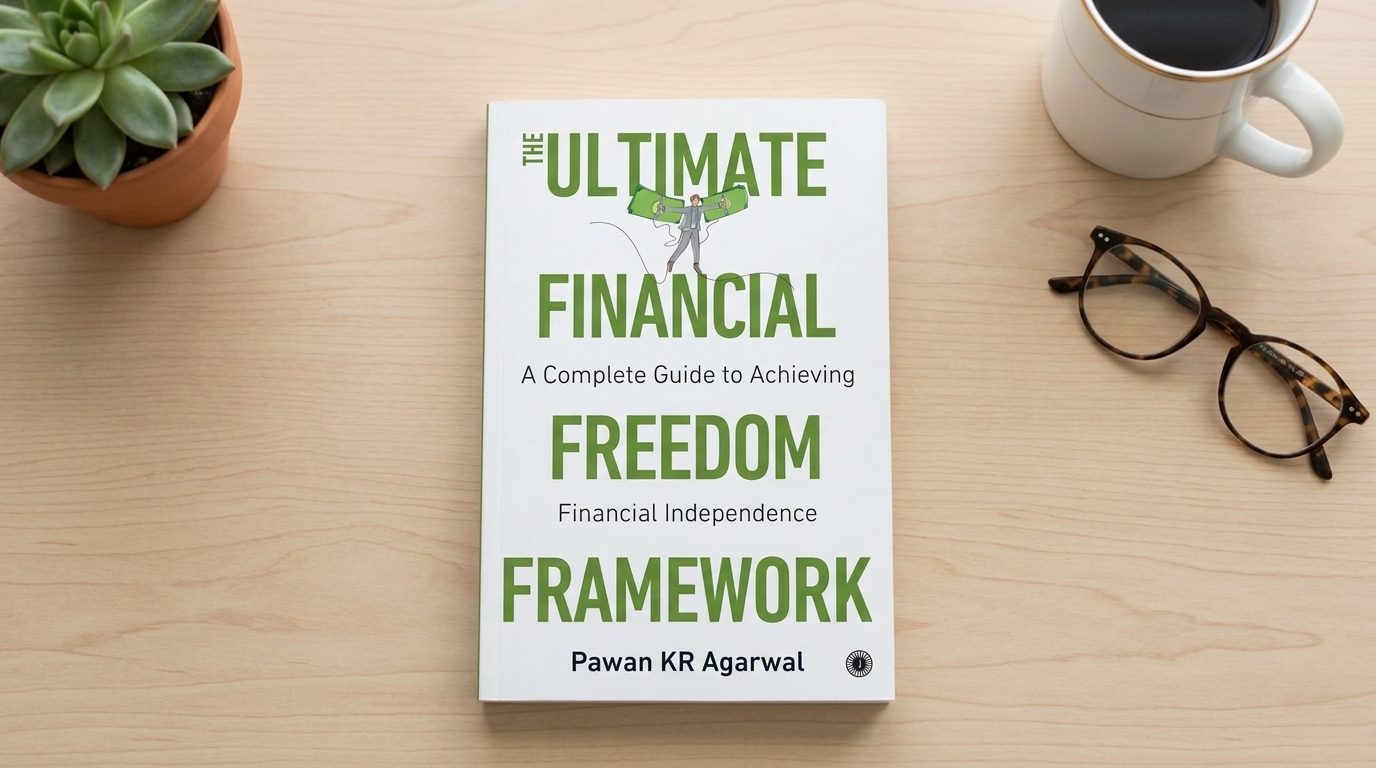
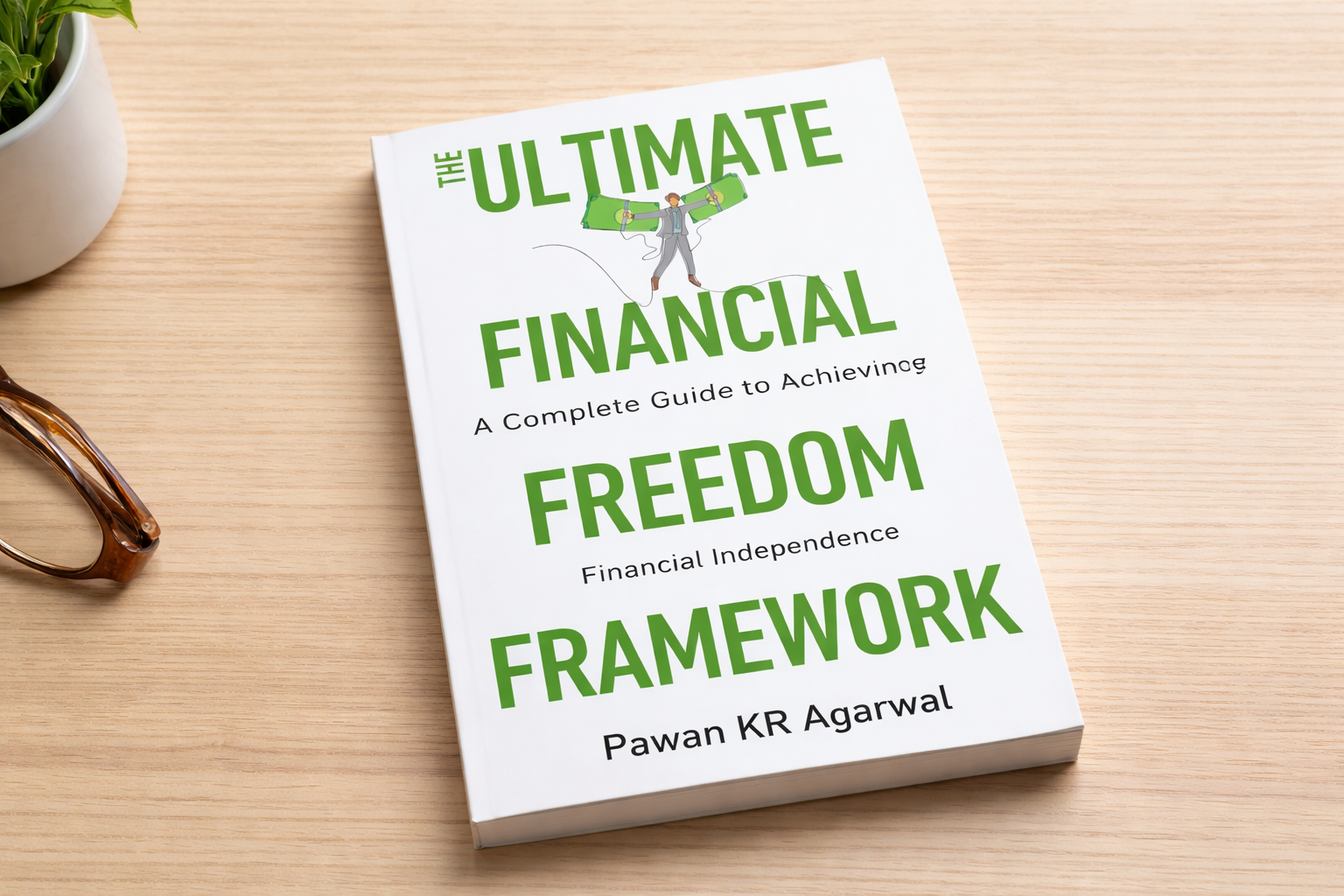
The Ultimate Financial Freedom Framework by Pawan KR Agarwal begins somewhere else entirely.
It begins with a question.
What does financial freedom actually mean?
And honestly, I paused there for a moment. In my years reading books as Editor in Chief at Deified Publication, I have seen hundreds of personal finance titles. Many promise wealth. Many promise early retirement. Some promise secrets.
But very few pause and ask what freedom itself really means.
In the opening chapters of The Ultimate Financial Freedom Framework, Agarwal writes that financial freedom is not simply about money. It is about the ability to live the life you want without financial stress and without sacrificing your passions. That idea stayed with me while reading the book. Because if you think about it, most people chasing wealth are actually chasing something else. Time. Peace. Dignity. Choice.
And this book tries to talk about that deeper layer.
What the Book Is About
At its core, The Ultimate Financial Freedom Framework is a structured guide to building financial independence through disciplined habits, mindset shifts, and practical financial planning.
The book is divided into several thematic sections. The early chapters focus heavily on mindset. Later sections move into money management, investing, debt avoidance, diversification, taxes, estate planning, and retirement planning.
Looking at the table of contents alone gives you a sense of how comprehensive the framework is.
It covers topics like:
• Mindset and financial psychology
• Avoiding debt traps
• Credit cards and spending behavior
• Expense tracking
• Compounding and long term wealth creation
• Multiple income streams
• Investments in stocks and mutual funds
• Risk management
• Tax planning
• Estate planning
In other words, Agarwal is not trying to teach one quick trick. He is trying to show how an entire financial life can be designed intentionally.
One concept that appears early in the book is the idea that financial freedom is not necessarily about becoming extremely wealthy. According to the author, even someone earning a modest salary can achieve financial independence with disciplined saving and compounding over time. That approach feels realistic.
Because let’s be honest. Not everyone is going to start a unicorn startup or become a billionaire investor.
But many people could become financially secure if they followed basic financial principles consistently.
And that is exactly what this book tries to teach.
What Stood Out to Me
The first thing that struck me was how strongly the book emphasizes mindset.
In fact, the entire second chapter is dedicated to the psychology of wealth.
Agarwal argues that wealth begins in the mind before it appears in reality. He compares what he calls an “average mindset” with a “rich mindset” and lists the behavioral differences between them.
Some of the contrasts were interesting.
For example:
An average mindset spends first and saves later.
A rich mindset invests first and spends later.
An average mindset depends on luck.
A rich mindset depends on preparation.
It sounds simple when you read it. Almost obvious.
But I have seen something similar in real life. The difference between people who build wealth and those who struggle financially often comes down to habits rather than income.
The book also introduces unusual ideas that you do not often see in finance books.
For example:
There is a discussion of Kubera Mudra, a symbolic hand gesture from Indian spiritual traditions believed to help focus intention and prosperity.
Now, whether readers believe in such practices or not is a personal choice. But I appreciated that the author is clearly drawing from Indian cultural traditions rather than simply copying Western finance advice.
It makes the book feel rooted in its own context.
Another concept I found interesting was the idea of creating a personal balance sheet for the future.
The author encourages readers to literally write down what their financial position should look like two or three years ahead. Not just income, but assets, investments, and savings.
That exercise alone could be powerful for many readers.
Because most people never actually visualize their financial future.
They simply move from paycheck to paycheck.
The Emotional Core of the Book
At first glance this might look like a financial manual.
But beneath the practical advice there is a deeper emotional thread running through the book.
Responsibility.
The author repeatedly emphasizes that financial independence begins when people stop blaming external circumstances and take full ownership of their financial choices.
That message reminded me of conversations I have had with friends over chai.
Many people say things like:
“Salary kam hai.”
“Expenses zyada hain.”
“Saving mushkil hai.”
And sometimes those things are true.
But sometimes we also underestimate how much control we actually have.
One section of the book talks about how saving even small amounts regularly can lead to significant wealth over decades due to compounding.
It sounds like a cliché until you actually run the numbers.
Then suddenly it becomes real.
I also liked that the author talks about life balance alongside wealth. Health, relationships, learning, spirituality, and contribution to society are all included in what he calls the wheel of life.
That perspective felt refreshing.
Because financial success without a meaningful life can feel strangely empty.
Who This Book Is For
This is an important question.
Because not every book works for every reader.
I think The Ultimate Financial Freedom Framework will resonate most with three groups of people.
First, young professionals who have just started earning and want to build disciplined financial habits early.
Second, salaried individuals who feel stuck in the cycle of earning and spending and want a structured approach to saving and investing.
Third, readers interested in combining financial planning with mindset and personal development.
However, readers expecting highly technical investment strategies might feel that the book focuses more on philosophy and foundational habits than advanced financial engineering.
And that might actually be a good thing.
Most people do not need complicated strategies.
They need consistent discipline.
Final Thoughts
When I finished reading The Ultimate Financial Freedom Framework, I did not feel like I had discovered a secret formula.
Instead I felt something different.
I felt reminded of principles we often already know but rarely follow.
Spend less than you earn.
Save regularly.
Avoid unnecessary debt.
Invest patiently.
Build multiple income streams.
Respect money.
None of these ideas are revolutionary. But together they form something powerful.
A framework.
That is really what Pawan KR Agarwal has tried to build here.
Is the book perfect?
Not entirely.
At times the motivational sections can feel slightly repetitive. Some readers may also prefer more detailed case studies or real world financial scenarios.
But overall the book offers something valuable. A structured philosophy of financial living.
And honestly, in 2026, when financial stress is rising across the world, that message feels very relevant.
As someone who has spent more than fifteen years reading and reviewing books, I can say this much.
Many finance books try to impress.
This one tries to guide.
And sometimes guidance is exactly what readers need.
FAQ Section
Is The Ultimate Financial Freedom Framework worth reading?
Yes, especially if you are looking for a practical and mindset oriented guide to financial independence. The book focuses on habits, discipline, and long term thinking.
What is The Ultimate Financial Freedom Framework about?
The book explains how individuals can achieve financial independence through mindset shifts, disciplined saving, investment strategies, and responsible financial planning.
Who is Pawan KR Agarwal?
Pawan KR Agarwal is a financial coach and author who focuses on helping individuals develop sustainable wealth habits and financial independence strategies.
Should beginners read The Ultimate Financial Freedom Framework?
Yes. The book is particularly helpful for beginners because it focuses on foundational principles rather than complex financial techniques.

With over 11 years of experience in the publishing industry, Priya Srivastava has become a trusted guide for hundreds of authors navigating the challenging path from manuscript to marketplace. As Editor-in-Chief of Deified Publications, she combines the precision of a publishing professional with the empathy of a mentor who truly understands the fears, hopes, and dreams of both first-time and seasoned writers.