
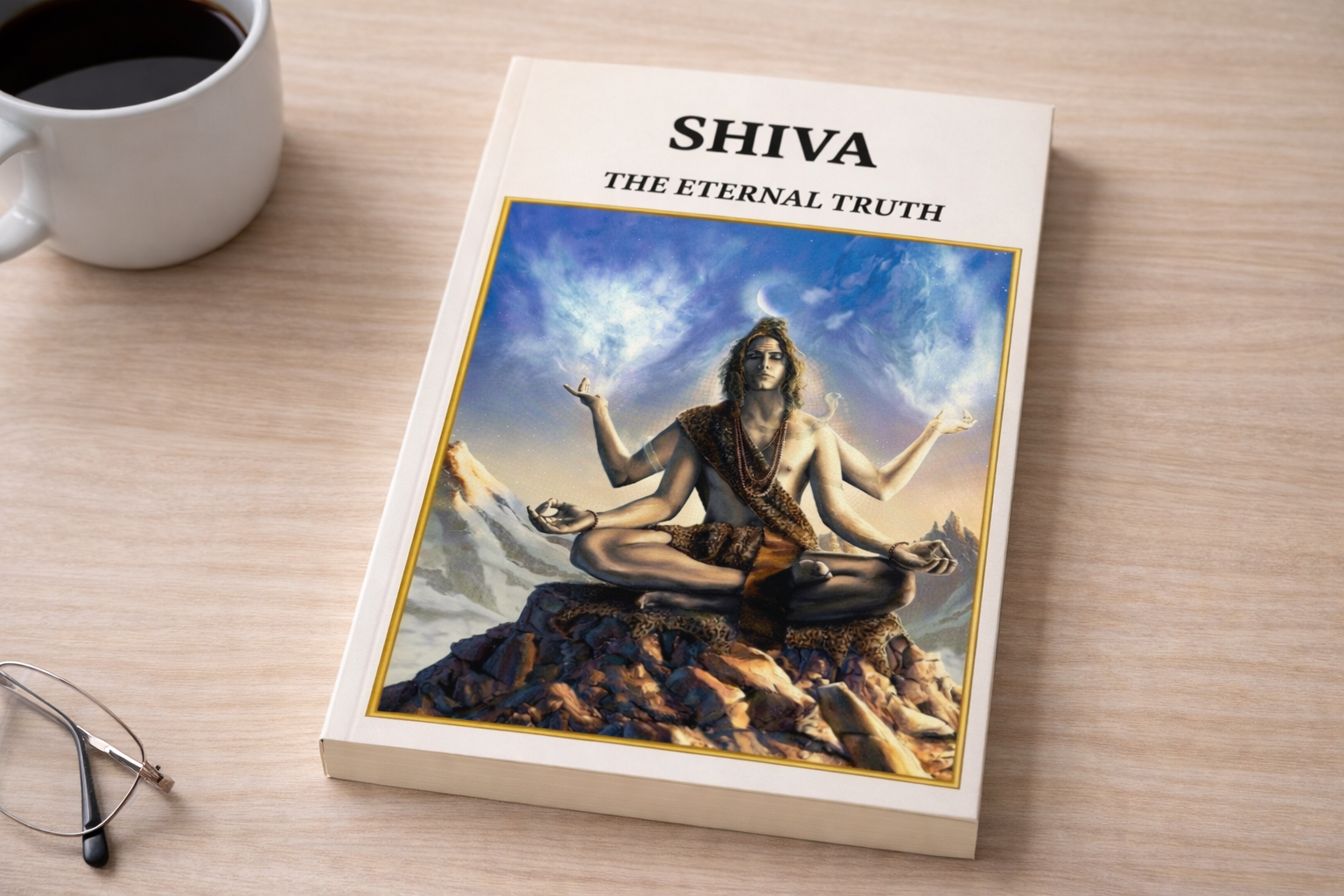
Rating
⭐⭐⭐⭐ (4.3 out of 5)
A Book That Felt Like Sitting in a Temple Courtyard
Every now and then I come across a book that doesn’t feel like it’s trying to impress anyone.
It simply wants to share something.
That was my feeling while reading “SHIVA: The Eternal Truth” by Sujatha T Kan. I kept imagining a teacher sitting with a group of young students under a tree, explaining why certain rituals exist, why Lord Shiva is worshipped the way he is, and how mythology and everyday life quietly intersect.
I’ve been reviewing books for well over fifteen years now at Deified Publication, and I’ve read my share of books on mythology and spirituality. Some are extremely scholarly. Some are dramatic retellings.
This one sits somewhere else.
It feels like someone genuinely trying to make sense of Sanatana Dharma for younger readers.
And honestly… that intention comes through very clearly.
What the Book Is About
At its heart, SHIVA: The Eternal Truth is a collection of stories, explanations, and reflections centered on Lord Shiva and the traditions surrounding him.
The author openly mentions in the introduction that she gathered and translated stories so that young readers could understand them easily. That honesty matters.
Instead of presenting itself as a groundbreaking academic work, the book positions itself as a guide — almost like an introductory doorway.
The chapters move through several aspects of Shiva’s world:
• Who Shiva is and what the word “Shiva” represents
• The symbolism behind his attire and weapons
• Stories connected to Shivalingas
• The spiritual and scientific reasoning behind rituals
• Sacred objects like Rudraksha, Vibhuti, and Bilva leaves
• The importance of Abhishekam
• Stories about Shiva’s family — Parvati, Ganga, and others
For example, one section explains how the Shiva Lingam represents the union of cosmic energies and even compares its structure metaphorically to atomic particles. Another chapter discusses why devotees wear Rudraksha beads, linking mythology with modern ideas about energy fields and bio-magnetism. And then the book gently shifts back into storytelling.
We get narratives like the descent of Ganga to Earth through Lord Shiva’s matted hair, a story that many Indians grow up hearing but rarely stop to examine closely.
What I appreciated is that the book doesn’t rush.
Each idea is given a little breathing space.
What Stood Out to Me
There were a few things in this book that stayed with me.
First — the emphasis on symbolism.
Take the explanation of Shiva’s snake Vasuki, for example. The book connects it with cycles of birth and rebirth, time itself, and the idea of conquering ego. It’s not just a decorative element in mythology.
It becomes a metaphor.
And that’s something I wish more introductory spiritual books explained clearly.
Another section that I found interesting was the discussion about Vibhuti — the sacred ash.
Many people apply it on their forehead without really thinking about why. The book explains that the three horizontal lines symbolize the sacred rivers Ganga, Yamuna, and Saraswati. I’ve visited temples my entire life, yet I don’t remember many books explaining these details in such simple language.
There’s also a chapter about Bilva leaves, which Shiva devotees often offer during worship. The explanation connects mythology, symbolism, and even Ayurvedic properties of the plant. It’s a small detail, but it adds richness.
And then of course there are the stories.
The retelling of Bhagiratha bringing the Ganga to Earth is one of the longer narratives in the book. It carries that timeless message about perseverance — the idea that great effort can transform destiny.
In fact, the term “Bhagiratha Prayatna”, meaning an enormous effort toward a noble goal, comes from that story.
I remember hearing this phrase as a child.
Seeing the story explained again here brought back those memories.
The Emotional Core
Some books about mythology feel distant.
This one doesn’t.
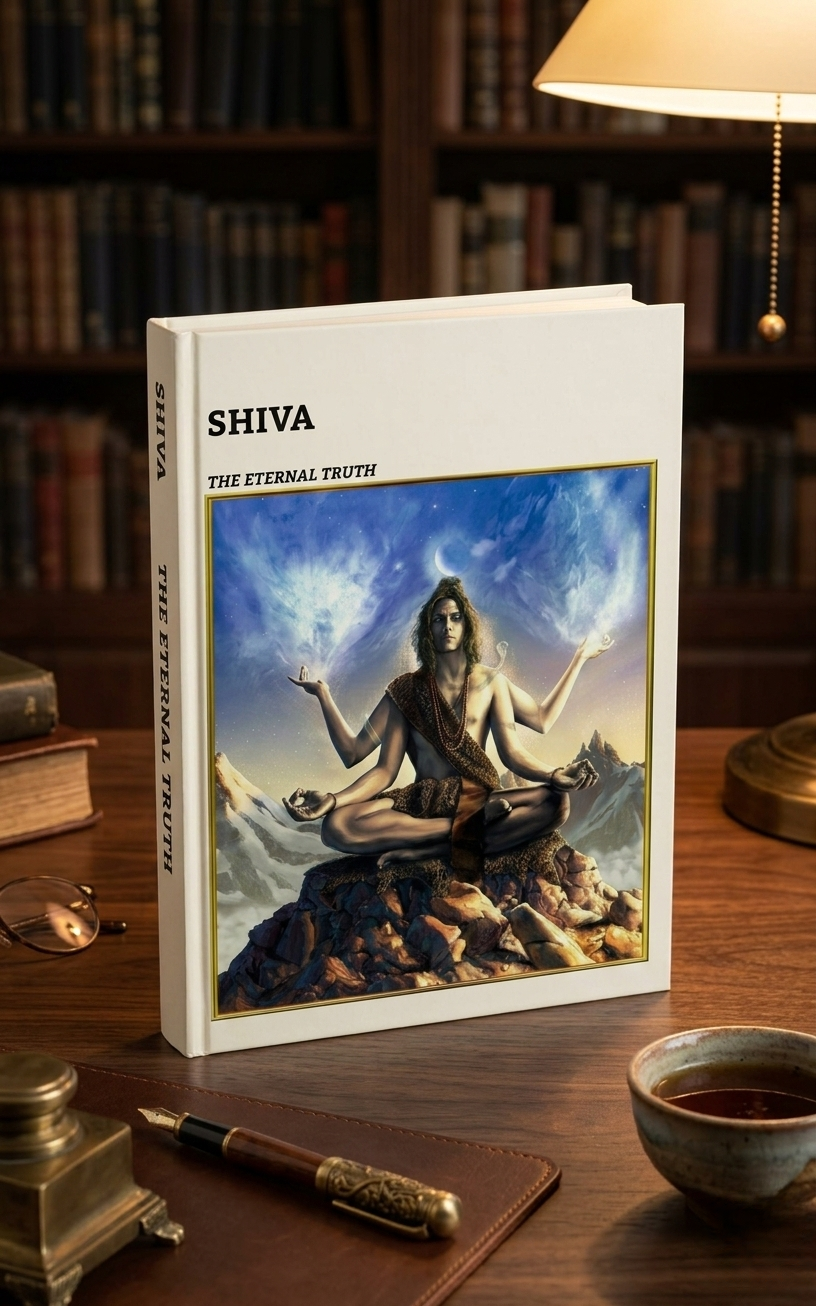
I think that’s because the author clearly approaches Shiva as a devotee first and a writer second.
You can see that in the preface where she talks about dreaming of Shiva as a child and feeling drawn to him from a young age. There’s something sincere about that.
You may not share the exact same experiences, but you understand the emotion behind them.
The emotional center of the book is actually very simple:
Faith doesn’t always have to be complicated.
Sometimes it’s about understanding why traditions exist.
For younger readers especially, that clarity can be meaningful.
I kept thinking about teenagers who grow up performing rituals because their families tell them to — but no one ever explains the meaning behind them.
This book attempts to answer those questions.
Not perfectly. But honestly.
Who This Book Is For
I’ll say this clearly.
This book is not meant to be a deeply academic text on Shaivism.
If you’re someone looking for complex philosophical debates or dense interpretations of scriptures, you might find this book a little simple.
But if you’re:
• A teenager curious about Hindu traditions
• A young adult rediscovering spirituality
• A parent wanting something accessible for children
• A beginner interested in mythology
Then SHIVA: The Eternal Truth might feel like a comfortable starting point.
The language is intentionally straightforward.
And sometimes, honestly, that simplicity is refreshing.
I’ve read many books that try very hard to sound profound.
This one doesn’t.
It just explains.
Final Thoughts
When I finished SHIVA: The Eternal Truth, I didn’t feel like I had just read a theological text.
It felt more like a conversation.
The kind that might happen after visiting a temple, when someone older sits down and starts explaining things you never asked before.
Why the lingam looks the way it does.
Why devotees chant certain mantras.
Why sacred objects like Rudraksha or Bilva leaves carry symbolic meaning.
Not every section is equally detailed, and occasionally I wished the stories had a bit more narrative depth.
But the intention behind the book is genuine.
And in spiritual writing, intention matters.
So if someone asked me, “Should I read SHIVA: The Eternal Truth by Sujatha T Kan?”
I’d probably say something like this:
If you’re curious about Shiva and the traditions around him, and you want a simple entry point, this book offers exactly that.
And sometimes, simplicity is the best place to begin.
FAQ Section
Is SHIVA: The Eternal Truth worth reading?
If you’re looking for an accessible introduction to Shiva, Hindu rituals, and their meanings, it’s a thoughtful starting point.
Who should read SHIVA: The Eternal Truth?
Teenagers, young adults, and beginners interested in Hindu mythology and Sanatana Dharma.
Does the book focus on stories or rituals?
Both. It includes mythological narratives along with explanations of rituals like Abhishekam and sacred items like Rudraksha.
Is SHIVA: The Eternal Truth a scholarly book?
Not exactly. It’s more of an educational and devotional guide written in simple language.

With over 11 years of experience in the publishing industry, Priya Srivastava has become a trusted guide for hundreds of authors navigating the challenging path from manuscript to marketplace. As Editor-in-Chief of Deified Publications, she combines the precision of a publishing professional with the empathy of a mentor who truly understands the fears, hopes, and dreams of both first-time and seasoned writers.