
Rating:
⭐⭐⭐⭐ (4.2 out of 5)
Sometimes the smallest stories say the biggest things
Every once in a while a book lands on my desk that doesn’t behave like a typical memoir. It doesn’t try to impress you with dramatic scenes or heroic storytelling. Instead, it sits down beside you like an old civil servant over a cup of chai and says, “Let me tell you something that happened once.”
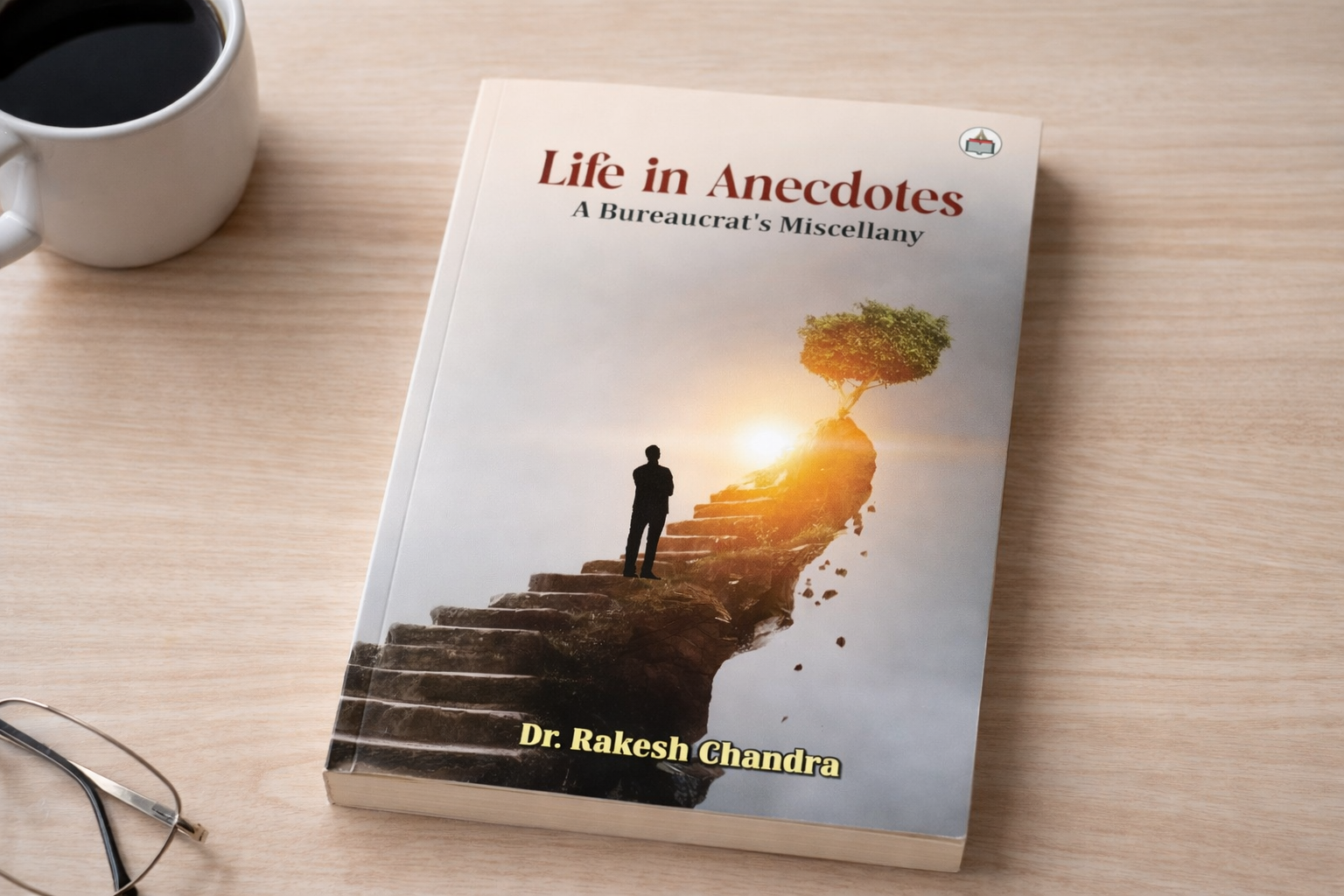
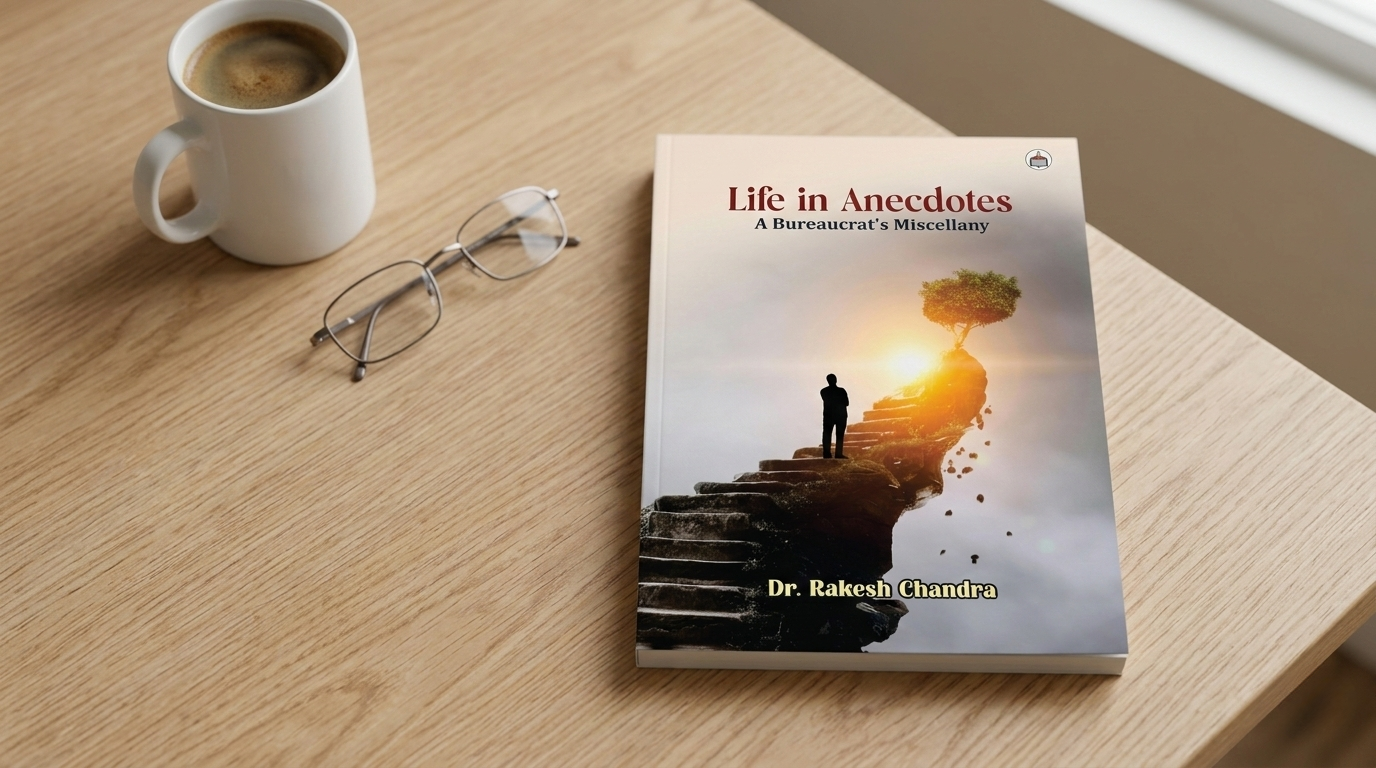
That was my feeling while going through Life in Anecdotes: A Bureaucrat’s Miscellany by Dr. Rakesh Chandra.
I have read hundreds of books over the years as an editor at Deified Publication. Memoirs of administrators usually fall into two categories. Either they become very formal accounts of government service or they turn into self congratulatory narratives. This one felt different to me. It reads more like a collection of memories. Some are funny, some slightly sad, some philosophical, and a few made me pause and think about the strange machinery of public life in India.
What struck me first was the structure. Instead of long chapters, the book contains more than a hundred short anecdotes drawn from a career that stretched over three decades in the Uttar Pradesh Provincial Civil Service. Each piece is almost like a snapshot from a moment in time.
And honestly, that format works surprisingly well.
What the Book Is About
Life in Anecdotes gathers together 126 small stories from Dr. Rakesh Chandra’s life as an administrator. Over a 33 year career, he served in various districts and roles, beginning as a Sub Divisional Magistrate and eventually serving as Special Secretary in the Home Department of Uttar Pradesh. But the book does not read like an official record of postings or policies.
Instead, it focuses on moments. Encounters with people. Strange situations that bureaucracy often throws up. Memories from childhood. Reflections on governance. Even observations about cricket, education, and films.
One of the earliest anecdotes in the book describes minibuses in Lucknow during the 1970s where conductors referred to passengers as “a chavanni,” meaning a person worth twenty five paise. The author reflects on how uncomfortable he felt hearing a human being reduced to the value of a coin. I paused there for a second when I read that.
Because it’s such a tiny moment. Yet it says something about how language shapes our idea of human worth.
Then there are stories about training days, small towns, bureaucratic meetings, and encounters with notable personalities. The book also moves through historical and cultural memories like film screenings during childhood, visits to Lumbini, and reflections on the Kumbh Mela.
In many ways, the book feels like someone opening a box of old diaries and reading selected pages aloud.
What Stood Out to Me
A few things stayed with me long after I finished reading.
First, the tone. Dr. Rakesh Chandra writes like someone who has spent years observing people closely. His anecdotes often begin with a very simple description of a situation and slowly move toward a larger reflection.
Take the story about the “Four Anna Zindagi.” What begins as a funny scene about a bus conductor shouting for passengers gradually becomes a meditation on human dignity. The author wonders how casually society can reduce a person’s value to a coin. That shift from humor to philosophy happens quite often in the book.
Another piece that stayed with me was about “Guniyas” in Bundelkhand. These were traditional practitioners who could supposedly detect underground water using simple tools and intuition. The author compares their success with modern scientific methods that sometimes failed to locate water sources. Reading that, I found myself thinking about how easily we dismiss traditional knowledge today. I have seen similar situations in rural India where local wisdom quietly solves problems that modern systems struggle with.
There are also anecdotes about remarkable personalities. Judges who displayed unexpected humility. Senior officers who kept reading books even while holding powerful positions. Administrators whose dedication left a deep mark on local communities.
One story about a Supreme Court judge choosing to travel in a worn out government jeep instead of complaining about the absence of a luxury vehicle felt almost symbolic. Sometimes leadership reveals itself in such small gestures.
The writing itself is straightforward. Dr. Chandra is not trying to show off literary flourishes. The sentences are simple and clear. Occasionally the language feels slightly formal, which makes sense considering his administrative background.
But the sincerity of the narration carries the book.
The Emotional Core
What I think sits at the heart of Life in Anecdotes is curiosity about human behavior.
The author seems genuinely interested in how people think and act. Not just famous figures but ordinary individuals as well.
In one anecdote about bureaucrats and reading habits, he describes a district magistrate who used to hold weekly sessions where officers discussed books they had read that week. The idea was to keep the mind active and informed. When I read that, I smiled a little.
Because in my experience as an editor, the best administrators I have met were always readers. Books expand perspective. They remind you that policies affect real human lives.
Another emotional thread running through the book is respect for learning. Dr. Chandra often writes about people who continued pursuing knowledge despite busy careers. A vice chancellor who spent hours studying mathematics. Scholars and officers who balanced public service with intellectual curiosity.
It made me wonder how often we forget the value of lifelong learning once we enter professional life.
There are also moments of quiet sadness. Stories from the pandemic years. Reflections on how fear changed social relationships during COVID. Those sections carry a slightly heavier emotional tone.
And yet the overall feeling of the book remains hopeful.
It feels like someone looking back at a long career and saying, “Yes, the system has flaws, but people still try to do good work.”
Who This Book Is For
I think Life in Anecdotes: A Bureaucrat’s Miscellany will appeal to several types of readers.
First, students preparing for civil services might enjoy it. Not because it teaches exam material, but because it shows the human side of administration. Policies often look abstract in textbooks. Here you see how decisions affect everyday situations.
Second, readers who enjoy memoir style nonfiction will likely appreciate the short anecdotal format. You can read one or two stories at a time without needing to follow a continuous narrative.
Third, anyone interested in modern Indian administrative culture might find these stories valuable. They provide small glimpses into district governance, public service challenges, and the personalities who shape the system.
At the same time, the book may not be for readers who prefer dramatic storytelling or strong narrative tension. This is not a novel. It is closer to a reflective diary.
Some anecdotes feel stronger than others. A few pieces end just when you wish the author had expanded a little more. I sometimes wanted deeper details about certain events or characters.
Still, the overall charm of the book lies in its simplicity.
Final Thoughts
After finishing Life in Anecdotes Book Review, I kept thinking about one thing.
Memory is fragile. The everyday experiences of public servants rarely make it into history books. Policies are recorded. Political decisions are archived. But the human stories behind administration often disappear.
Books like this preserve those moments.
Dr. Rakesh Chandra has spent decades in public service and literature. His background as a poet and scholar is visible in the reflective tone of many anecdotes. His career in law and governance gives credibility to his observations about bureaucracy.
Reading these pages felt a bit like listening to an experienced officer sharing lessons gathered over many years.
Not every anecdote will resonate equally with every reader. But several of them linger quietly in the mind.
And sometimes that is exactly what good nonfiction should do.
FAQ
Is Life in Anecdotes worth reading?
Yes, especially if you enjoy memoir style writing about public service and real life experiences in Indian administration.
Who should read Life in Anecdotes by Dr. Rakesh Chandra?
Civil services aspirants, readers interested in governance, and people who enjoy reflective nonfiction about real life experiences.
What genre is Life in Anecdotes?
It is a memoir style nonfiction book consisting of short autobiographical anecdotes.
What is Life in Anecdotes about?
The book shares 126 short stories from the author’s career and life experiences as a civil servant in India.

With over 11 years of experience in the publishing industry, Priya Srivastava has become a trusted guide for hundreds of authors navigating the challenging path from manuscript to marketplace. As Editor-in-Chief of Deified Publications, she combines the precision of a publishing professional with the empathy of a mentor who truly understands the fears, hopes, and dreams of both first-time and seasoned writers.