
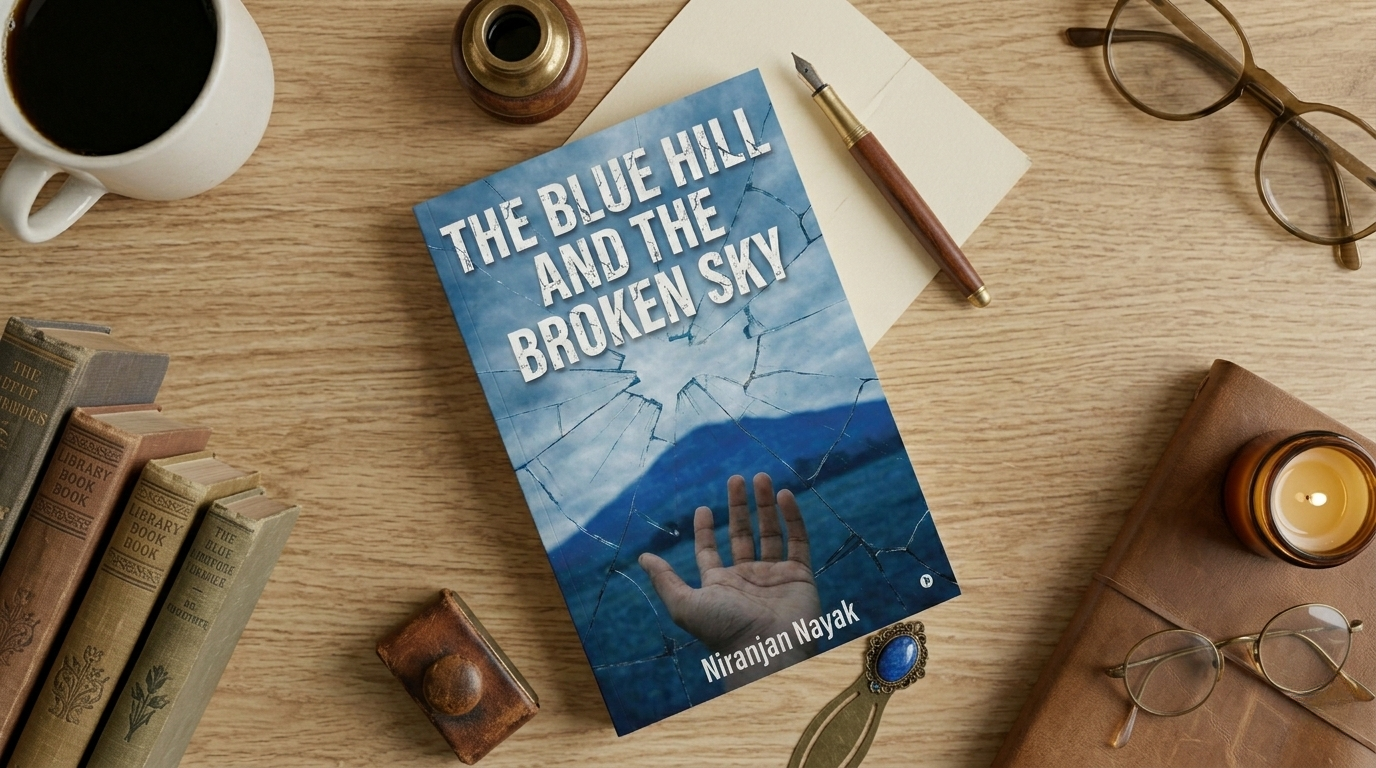
Rating:
⭐⭐⭐⭐ (4.3 out of 5)
I didn’t expect this book to feel so personal. Not in a loud or dramatic way, but in that slow, creeping way where you suddenly realize you’ve been thinking about a character long after you’ve closed the page.
There’s a moment early in The Blue Hill and The Broken Sky where the narrator is just sitting, observing, almost drifting through his own thoughts. Nothing “big” is happening, and yet something is shifting underneath. I paused there. Not because of the plot, but because it felt… familiar. That quiet discomfort of being inside your own head.
In my years of reading and reviewing, I’ve come across many stories that try to capture inner conflict. Some succeed, some feel forced. Niranjan Nayak’s writing, though, doesn’t try too hard. It simply sits with you. And I think that’s what stayed with me the most.
What the Book Is About
At its surface, The Blue Hill and The Broken Sky by Niranjan Nayak follows a young man navigating different phases of his life, shaped by travel, relationships, guilt, memory, and longing. The story moves through places like Cooch Behar, Siliguri, Darjeeling, and Assam, but it’s not really about geography. It’s about what happens inside a person while moving through these spaces.
There’s a strong thread of self reflection running through the narrative. The protagonist is not just observing the world around him but constantly questioning himself. His choices, his emotions, his relationships. Especially his connection with Tulika and Meghna. Those relationships are not presented as simple love stories. They are layered, messy, sometimes confusing.
One part that stayed with me was the shift from youthful curiosity and attraction to something heavier. There is guilt, there is emotional distance, there is that strange feeling of wanting to hold on and let go at the same time.
The book also weaves in family, particularly the narrator’s father. Those sections felt grounded, almost like anchors in an otherwise drifting emotional landscape. There’s a quiet respect, a sense of legacy, and also a subtle tension that isn’t loudly expressed but is always there.
And then there is that section involving Tulika’s father. I found myself slowing down there. The fragility of his mental state, the way the narrator observes him, it felt very real. Not exaggerated. Just human.
So yes, if someone asks “what’s it about,” I’d say it’s about a man trying to understand himself through the people he meets and the mistakes he carries.
What Stood Out to Me
First, the writing style.
Niranjan Nayak writes in a very introspective, almost conversational way. It feels like you are inside someone’s mind rather than watching events unfold from a distance. There are long passages of thought, memory, and reflection.
Now, this can be a double edged sword. For some readers, it might feel slow. There are moments where the narrative pauses and stays in one emotional space for a while. But for me, that worked. It gave the story weight.
Second, the emotional honesty.
There’s a section in Guilt and Redemption where the narrator reflects on his own actions with Tulika. He doesn’t try to justify himself completely. He is confused, a bit defensive, but also aware that he could have handled things differently. That kind of honesty is rare. Most characters are either fully self aware or completely oblivious. Here, he’s somewhere in between, and that felt true to life.
Third, the relationships.
Meghna and Tulika are not just romantic interests. They represent different emotional states. Meghna feels like longing and uncertainty. Tulika feels like intensity and consequence. I kept thinking about how people enter our lives at different times and change us in ways we don’t fully understand until much later.
There’s also a beautiful contrast between external movement and internal stillness. The protagonist is constantly traveling, buses, hills, cities. But internally, he often feels stuck. That contrast is subtle but very effective.
One small thing I noticed, and maybe this is just me being an editor, is that some transitions between scenes felt a bit abrupt. I wanted a little more breathing space in a few places. But honestly, it didn’t take away from the overall experience.
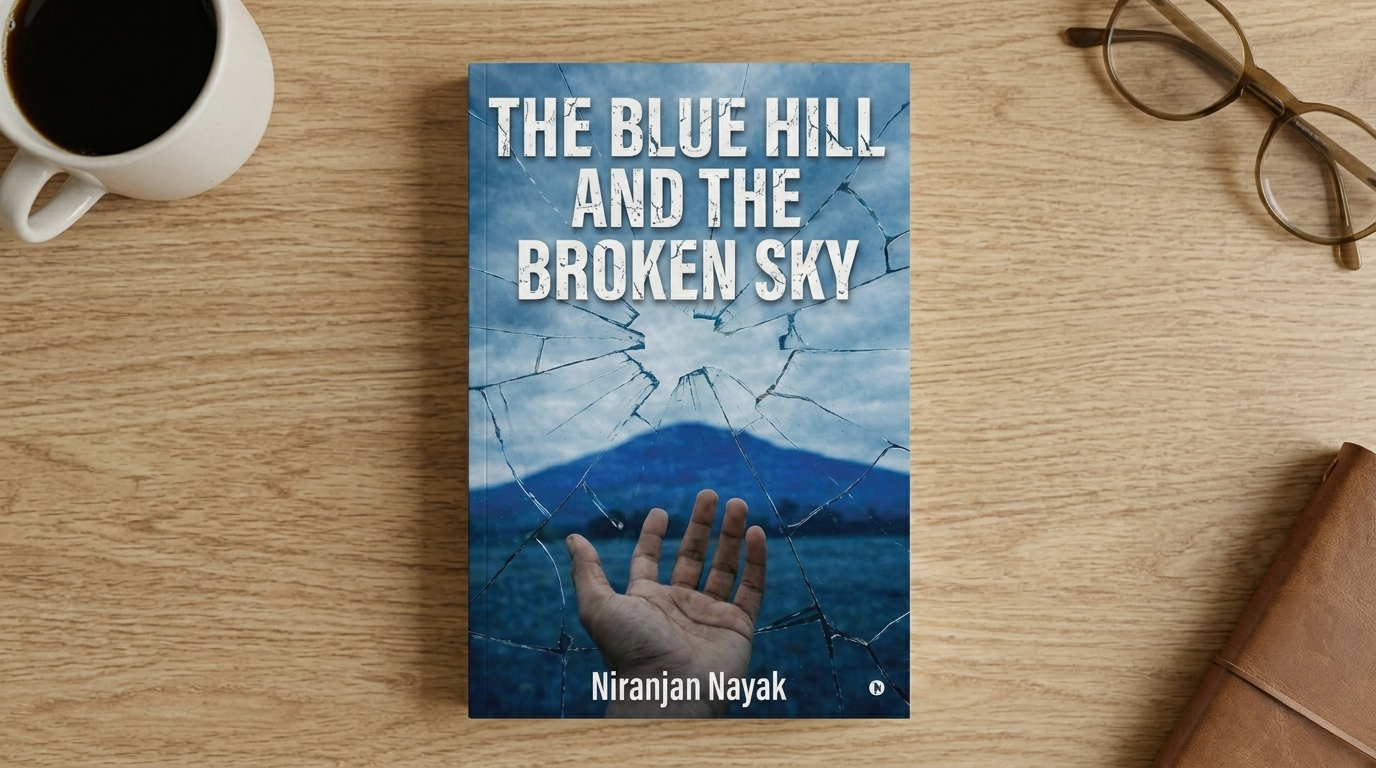
The Emotional Core
If I had to describe how this book feels, I’d say it feels like sitting alone after a long day and replaying your own life in your head.
There is a quiet sadness running through the story. Not overwhelming, not dramatic. Just present.
I found myself thinking a lot about the idea of guilt. Not the loud kind where something clearly wrong has happened, but the softer kind. The kind where you wonder if you could have been kinder, more patient, more aware.
There’s also this sense of displacement. The narrator is often surrounded by people, yet slightly disconnected. I’ve seen this in real life, especially with people who are constantly moving, physically or emotionally.
One scene that stayed with me was when he visits Tulika and notices her changed state. There’s a hesitation, an awkwardness, a recognition that something is not the same anymore. That moment felt very real. I think many of us have experienced something similar. Meeting someone after time has passed and realizing that whatever existed before has shifted.
And then there’s the ending sections, where the tone becomes more reflective, almost philosophical. It made me pause. Not because it was trying to teach something, but because it was asking something. About choices. About consequences. About whether we ever truly understand ourselves.
Honestly, I felt a slight heaviness after finishing the book. Not in a bad way. Just that lingering feeling that makes you sit quietly for a while.
Who This Book Is For
This is not for someone looking for a fast paced plot.
If you enjoy stories that are driven by action, twists, or external conflict, this might feel slow at times.
But if you like introspective fiction, stories where characters think deeply, feel deeply, and sometimes overthink everything, then this book might resonate with you.
I would especially recommend The Blue Hill and The Broken Sky to readers who have gone through phases of self doubt or emotional confusion. It speaks to that space very honestly.
Also, if you enjoy Indian settings that feel real and not overly romanticized, you’ll appreciate how Niranjan Nayak presents places like Darjeeling and Siliguri. They are not just beautiful backdrops. They feel lived in.
In 2026, where so much of our attention is pulled in different directions, a book like this feels almost grounding. It asks you to slow down. To sit with thoughts that we usually avoid.
Final Thoughts
As someone who has spent over fifteen years reading all kinds of books, I can say this one stayed with me in a very specific way. Not because of a dramatic storyline or shocking moments, but because of its emotional texture.
The Blue Hill and The Broken Sky by Niranjan Nayak feels honest. Maybe a little imperfect in places, but honestly, that imperfection adds to its charm. It feels human.
I think what I’ll remember most is the way it captures that in between space in life. Not completely lost, not completely found. Just… figuring things out.
And maybe that’s why it felt so real to me.
Rating:
⭐⭐⭐⭐ (4.2 out of 5)
FAQ Section
Is The Blue Hill and The Broken Sky worth reading?
I think it is, especially if you enjoy reflective stories. It’s not about what happens, but how it feels while it’s happening.
Who should read The Blue Hill and The Broken Sky?
Readers who like introspective fiction, emotional depth, and character driven narratives will likely connect with it.
What is The Blue Hill and The Broken Sky about?
It’s about a man navigating relationships, guilt, memory, and identity while moving through different phases of life.
Is this book fast paced or slow?
It leans towards the slower side, but in a way that allows you to sit with the character’s thoughts.

With over 11 years of experience in the publishing industry, Priya Srivastava has become a trusted guide for hundreds of authors navigating the challenging path from manuscript to marketplace. As Editor-in-Chief of Deified Publications, she combines the precision of a publishing professional with the empathy of a mentor who truly understands the fears, hopes, and dreams of both first-time and seasoned writers.