
Rating:
⭐⭐⭐⭐ (4.3 out of 5)
I closed the back cover of Waking Ira and just sat there for a bit. Not because I was stunned into silence, but because I needed a minute to return to my own life. That happens rarely now. In my years as an editor and a reader, I have learned to notice the difference between a book that ends and a book that lingers. This one lingered. It wasn’t loud about it. It didn’t ask for my attention. It just stayed.
I’m Priya Srivastava, Editor in Chief at Deified Publication, and I’ve read enough contemporary relationship fiction to know when a story is using emotion as decoration versus when it’s coming from a place that feels lived in. Waking Ira by Jaydeep Thakor felt lived in. Honestly, a little too real at times. There were moments where I caught myself thinking, I know this woman. Or worse, I have been this woman in some smaller, quieter way.
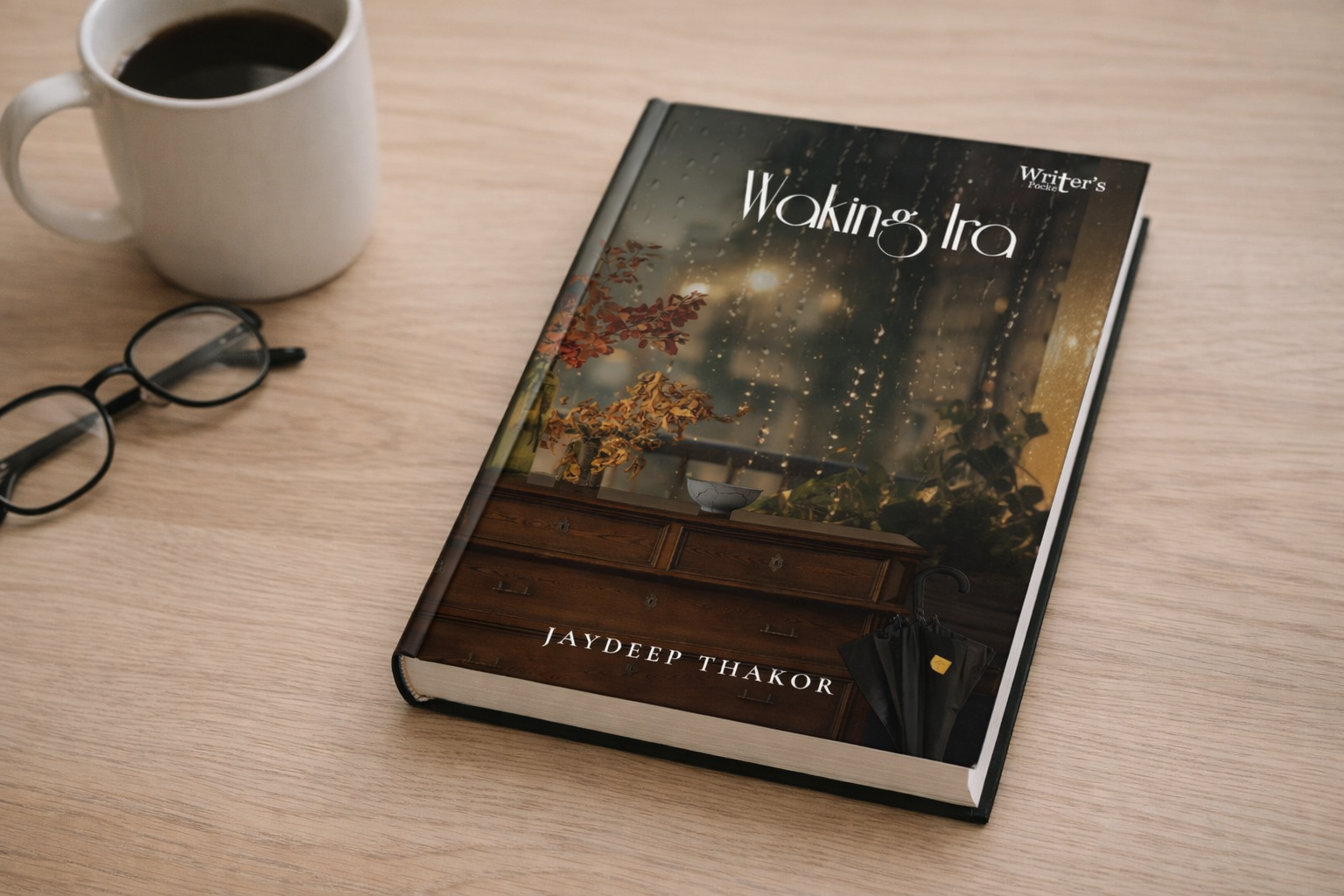
The cover already tells you a lot. Rain streaked glass. A room that feels warm but lonely. An umbrella resting unused. Even before reading a word, the mood is set. This is not a dramatic romance. This is about what happens when loneliness becomes routine, when invisibility becomes normal. And then one day, something shifts.
What the Book Is About
At its core, Waking Ira is the story of Ira Sharma, a married woman living in a Mumbai high rise, doing everything she is supposed to do and slowly disappearing inside that role. Her marriage to Vikram looks stable from the outside. He is successful, charming, always busy. Inside the apartment, though, Ira exists more like background noise. She manages the house, smooths over social situations, waits. A lot.
Then Anshuman Rathore moves into the neighboring flat. Divorced. Reserved. Observant. What begins between them is not an affair in the conventional sense. There are no secret messages or dramatic declarations. Their connection grows through balconies, shared routines, shared pauses. A light left on. Tea remembered. Silence that feels companionable instead of empty.
The monsoon becomes more than weather here. It strips away pretenses. It pushes Ira toward a decision she has been avoiding for years. Whether to continue surviving inside a marriage that looks right or risk dismantling everything for the chance to be fully seen.
That’s the plot, broadly speaking. But summarizing it like this almost feels unfair, because the book is less about events and more about accumulation. Small moments stacking on top of each other until they become impossible to ignore.
What Stood Out to Me
The first thing that stayed with me was how much restraint Jaydeep Thakor shows. In my experience reviewing novels, especially debut or early works, writers often rush emotional payoffs. Here, the author trusts the reader. He lets scenes breathe. Entire chapters hinge on glances, pauses, unfinished sentences.
The balcony motif is particularly well handled. It becomes a threshold, not just between two apartments, but between who Ira is and who she could be. I kept thinking about how rarely we see physical spaces used this thoughtfully without being heavy handed. The balconies are close enough to invite connection and far enough to maintain safety. That distance matters.
Characterization is another strength. Ira is not written as a victim you are meant to pity. She is sharp, observant, capable. Which is precisely why her invisibility hurts. Vikram is not a caricature either. He is frustrating in the way real people are frustrating. Distracted. Self involved. Not cruel enough to leave, not kind enough to stay present.
Anshuman could have easily slipped into fantasy territory, but he doesn’t. He is quiet, yes, but not mysterious for the sake of it. His stillness feels earned. There is a line early on where Ira notices that he listens when others don’t expect him to. That detail tells you more about him than pages of backstory would.
From a craft perspective, the pacing is deliberate. Some readers may feel it moves slowly. I didn’t. I felt the pace matched the emotional reality of the story. Loneliness does not resolve itself quickly. Neither does courage.
The Emotional Core
What Waking Ira does exceptionally well is articulate a very specific kind of ache. Not heartbreak. Not loss. But neglect that has become so normal it barely registers as pain anymore.
There were scenes that genuinely made me pause. A moment where Ira automatically prepares coffee for two without thinking. A casual lie Vikram tells that lands heavier than an argument would. Anshuman remembering a detail no one else does. These moments hit differently because they are so ordinary.
I think many readers will recognize themselves here, even if their circumstances are different. The feeling of being taken for granted. Of being present but not perceived. Of performing a role so long you forget when it started.
This novel also handles desire in an interesting way. Wanting, here, is not physical first. It is emotional recognition. Being looked at without being evaluated. Being offered space instead of being managed. Honestly, that felt far more intimate than any overt romance scene.
Who This Book Is For
This is not a book for readers looking for fast paced drama or grand romantic gestures. If you want plot twists every chapter, this may test your patience.
But if you are someone who pays attention to emotional undercurrents, to what goes unsaid in relationships, this book will likely stay with you. I would especially recommend it to readers who enjoy contemporary Indian fiction grounded in urban realities, to anyone who has felt unseen in a partnership, and to those who appreciate romance that grows through presence rather than pursuit.
It might also resonate strongly with readers in 2025 because conversations around emotional labor, marriage, and quiet dissatisfaction feel especially relevant right now. We talk a lot about success. Less about the cost of maintaining appearances.
Final Thoughts
When I think back on Waking Ira, what stays with me is not a single dramatic moment but a steady accumulation of recognition. Jaydeep Thakor writes with empathy and patience. There are moments where I wished certain secondary characters had been pushed a little further, or where I wanted one confrontation to last longer. But those are minor things.
Overall, this novel understands something essential. That being seen can be more destabilizing than being ignored. And that choosing yourself often looks less heroic and more terrifying than we like to admit.
As an editor, and as someone who has read hundreds of stories about love and marriage, I can say this one felt honest. Not perfect. But honest. And that counts for a lot.
FAQ
Is Waking Ira worth reading?
If you enjoy emotionally grounded stories about relationships and personal awakening, yes. It is a slow, reflective read that rewards attention.
Who should read Waking Ira?
Readers interested in contemporary romance, especially stories about marriage, loneliness, and emotional connection, will find this relatable.
Is Waking Ira a love triangle?
Not in the conventional sense. The tension is more internal than dramatic, focused on Ira’s emotional reality.
Does Waking Ira have a hopeful ending?
It offers clarity more than comfort. Whether that feels hopeful will depend on the reader.

With over 11 years of experience in the publishing industry, Priya Srivastava has become a trusted guide for hundreds of authors navigating the challenging path from manuscript to marketplace. As Editor-in-Chief of Deified Publications, she combines the precision of a publishing professional with the empathy of a mentor who truly understands the fears, hopes, and dreams of both first-time and seasoned writers.