
Rating:
⭐⭐⭐⭐ (4.7 out of 5)
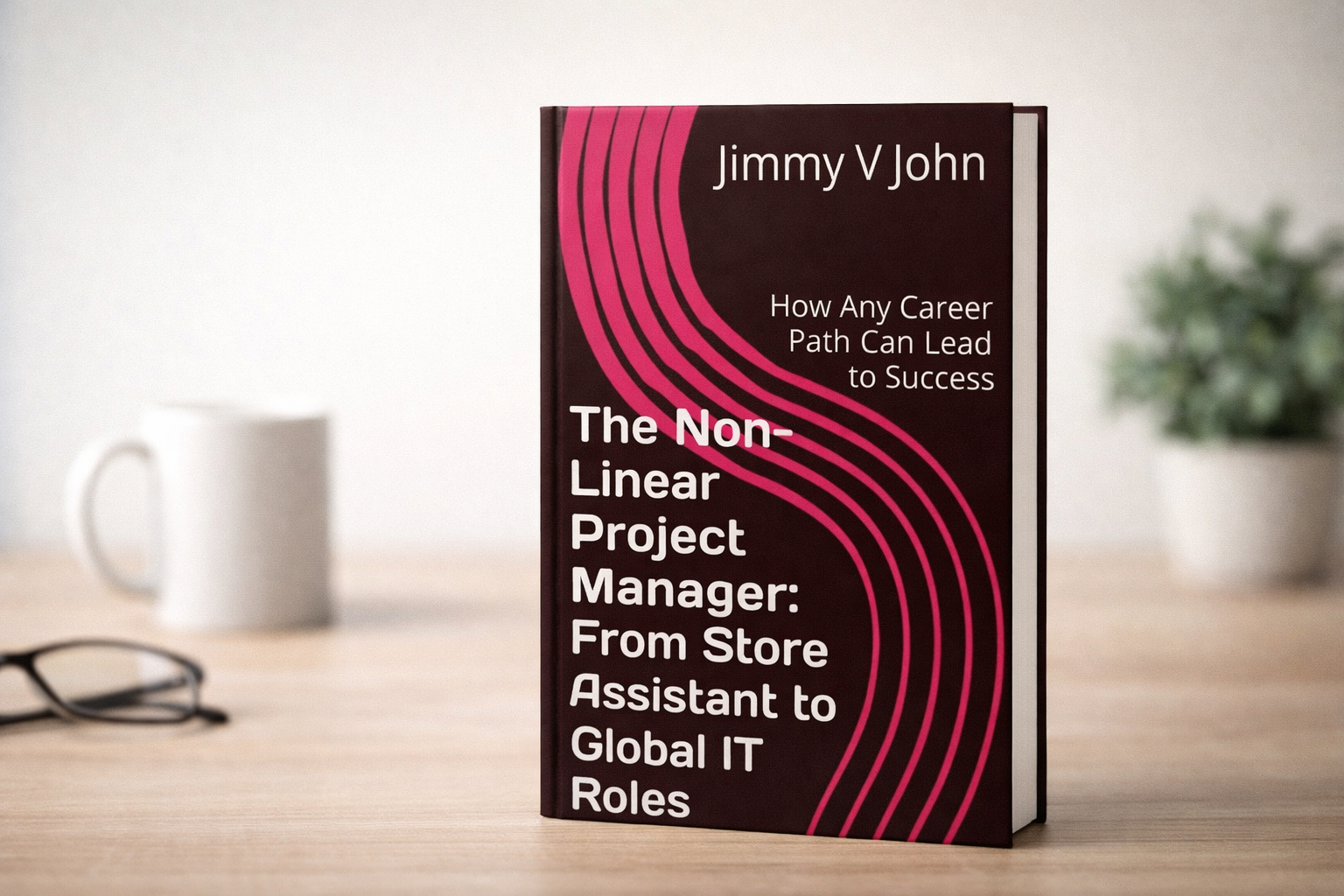
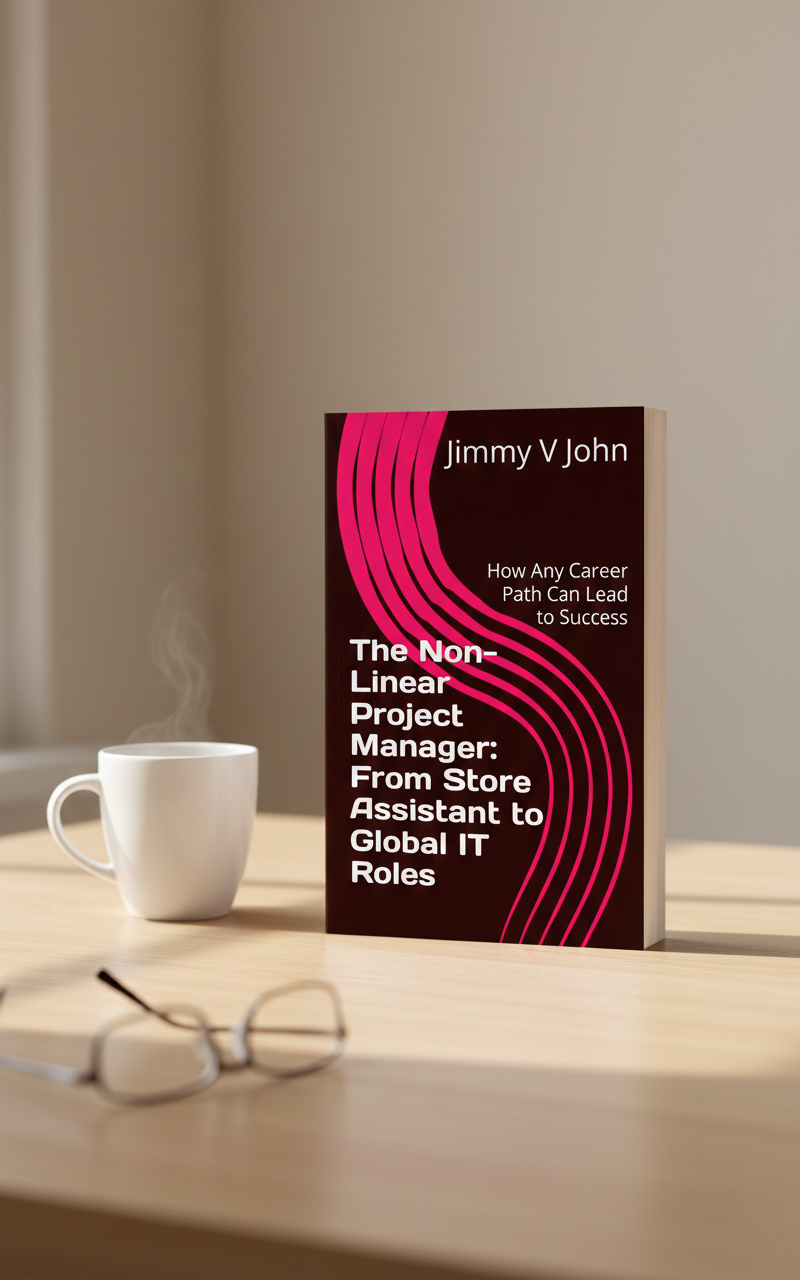
I smiled when I first looked at the cover of The Non-Linear Project Manager. Those winding pink lines felt intentional. Not decorative. Like someone trying to visually explain a career that never moved in a straight line. I have met many people like this over the years, especially in my role as Editor in Chief at Deified Publication. People who hesitate before sharing their story because it does not fit the neat template everyone else seems to follow.
I think that is why this book caught my attention immediately. In my fifteen plus years of reading and reviewing books across genres, I have learned that the most honest career stories often begin with a sentence like not every journey makes sense on paper. This one begins exactly there.
Before even getting into the details, I felt a sense of relief reading the blurb. Relief is not something I say lightly. But there it was. A book that does not ask where you went wrong, but instead asks what you picked up along the way.
What the Book Is About
The Non-Linear Project Manager by Jimmy V John tells the story of a career built without a master plan. From the blurb, we learn that the author did not begin with an MBA, a polished résumé, or a carefully plotted roadmap. Instead, he started in places many professionals are taught to overlook or even hide. An automobile service center. Technical support. Small training rooms.
From there, step by step, the story traces how these experiences eventually led to roles in IT, healthcare, PMO environments, Big 4 consulting, and global banking. What stood out to me is that the book does not frame this as a dramatic transformation. It is not a before and after story. It is a story of accumulation. Skills quietly stacking up. Lessons learned the hard way. Confidence building slowly, sometimes unevenly.
The book seems to focus on how every role, even the ones that feel temporary or insignificant, contributes something meaningful. Stakeholder handling. Working under pressure. Managing expectations. Owning mistakes. These are presented not as abstract theories but as things learned on the job, often through trial and error.
What Stood Out to Me
What really stood out to me is the tone suggested by the blurb. Words like funny and honest matter here. Career books often swing between overly serious or overly motivational. This one seems to land somewhere more human.
I liked the idea that mistakes are treated as turning points rather than failures. In my experience, especially while reviewing professional nonfiction, authors sometimes clean up their past too much. They smooth out the awkward parts. This book does not seem interested in doing that. It acknowledges feeling behind. Feeling unsure. Wondering if your background is good enough.
That honesty reminded me of conversations I have had with young professionals who quietly ask, is it too late for me. Or mid career professionals who feel stuck because their resume does not look impressive on LinkedIn. This book seems to speak directly to that unspoken anxiety.
Another thing that stood out is the practical grounding. The blurb talks about handling stakeholders, deadlines, pressure. These are not glamorous topics, but they are real. Anyone who has worked even adjacent to project management knows that these skills matter more than titles.
The Emotional Core
At its heart, The Non-Linear Project Manager is not really about project management. It is about self belief built slowly, sometimes painfully. The emotional core lies in reassurance.
There is something deeply comforting about being told that you do not need to start perfectly. Especially in 2025, when career comparisons feel constant and relentless. The book seems to offer permission to begin where you are, not where you think you should have been.
I imagine moments in the book where the author reflects on doubt, maybe even embarrassment about earlier roles. Those moments matter. They tell readers that growth is not about erasing your past, but reframing it.
Honestly, I felt this book would resonate strongly with anyone who has ever downplayed their own experience in a job interview or felt the urge to apologize for their career path. It gently challenges that instinct.
Who This Book Is For
This book is clearly for aspiring project managers, especially those who feel blocked by not having the ideal qualifications. It is also for students trying to figure out where they fit, and for working professionals considering a shift but feeling unsure if their background counts.
That said, this might not be for readers looking for rigid frameworks or certification focused guidance. If you want templates and checklists, you might find parts of this book more reflective than instructional.
But if you are someone who wants to understand how skills transfer across roles, and how confidence is built through lived experience, this book offers something valuable.
Final Thoughts
I appreciate books that normalize imperfect beginnings. As an editor, I see so many manuscripts trying to prove worth instead of sharing truth. The Non-Linear Project Manager feels grounded in truth.
There were moments where I felt the book could benefit from slowing down and sitting longer with specific scenes or challenges. A bit more depth in certain transitions might help some readers visualize the growth more clearly. But that is a small critique.
Overall, this is a reassuring, practical, and emotionally honest book about careers that do not follow rules. And honestly, most real careers do not.
FAQ
Is The Non-Linear Project Manager worth reading?
If you feel unsure about your career path or are transitioning into project management, it offers reassurance and practical perspective.
Who should read The Non-Linear Project Manager?
Students, working professionals, and aspiring project managers from non traditional backgrounds.
What genre is this book?
Professional nonfiction with a strong personal narrative element.
Does the book offer practical advice?
Yes, but it focuses more on mindset and transferable skills than rigid frameworks.

With over 11 years of experience in the publishing industry, Priya Srivastava has become a trusted guide for hundreds of authors navigating the challenging path from manuscript to marketplace. As Editor-in-Chief of Deified Publications, she combines the precision of a publishing professional with the empathy of a mentor who truly understands the fears, hopes, and dreams of both first-time and seasoned writers.