
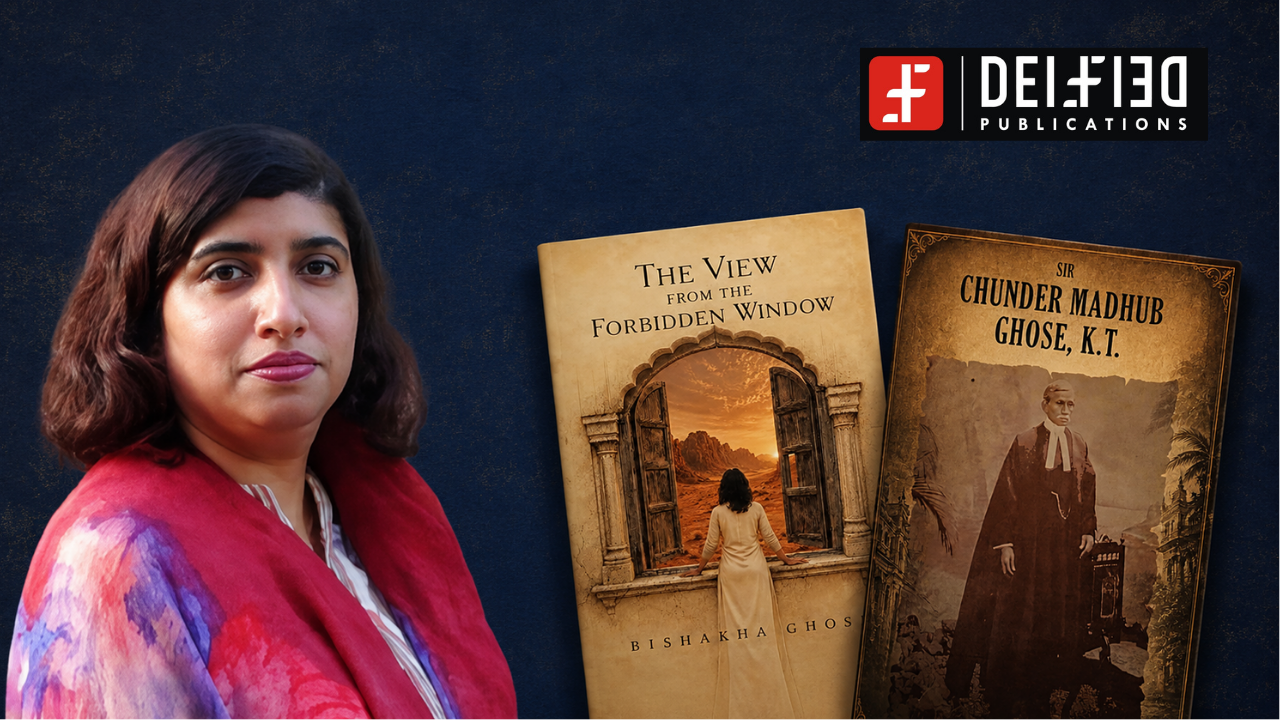
There is a particular kind of stubbornness required to bring a dead man’s life back into print more than a century after he lived it. Bishakha Ghose has that stubbornness, though she would probably call it something gentler. Historian, linguist, museologist, and now the author behind the republished biography of Sir Chunder Madhub Ghose, K.T., she has spent two decades moving between archives, government institutions, and international workshops, picking up languages and stories the way other people pick up souvenirs. I met her over video call while she was between sessions at the Frankfurt Book Fair, and she answered questions the way she apparently writes, slowly, carefully, and without any interest in sounding impressive.
You trained as a historian and worked in museology before you became known as an author. When did you first understand that you wanted to write books rather than just study the past?
Honestly, I don’t think there was a single moment. I studied history at Delhi University because I loved it, not because I had a plan. Then museology pulled me in a strange direction. You spend your days handling objects that outlived the people who made them, and you start asking questions that history books don’t always answer. Who touched this. Who loved this. Who was afraid when they wrote this letter. Writing felt like the only honest way to sit with those questions instead of just cataloguing them.
Your book on Sir Chunder Madhub Ghose is a biography of a nineteenth century lawyer and judge. What drew you to him specifically?
He is family, though distantly, and I grew up hearing his name mentioned the way families mention someone they are proud of but don’t really know. A statue of him still stands in the Calcutta High Court. People walk past it every day. Very few of them know who he was or what it took for him to get there. He rose from a modest background to become a Puisne Judge of the High Court of Bengal during colonial rule, at a time when that path was almost impossible for an Indian to walk. I wanted to know the person underneath the statue, and once I started reading about him, I couldn’t stop.
What was the research process like? Colonial era records are not always easy to work with.
It was slow and often frustrating and occasionally thrilling in a way I did not expect. Old court records, personal letters, newspaper clippings that had gone brittle, conversations with relatives who remembered fragments passed down from their own parents. Some days I found nothing. Other days a single line in a document would change how I understood an entire decade of his life. I remember sitting in an archive reading room and getting genuinely emotional over a legal filing, which is not something I ever expected to say out loud.
You describe your writing as blending history, spirituality, and human psychology. Where does spirituality enter a book about a judge?
Everywhere, if you look closely enough. A man who spends his life interpreting law and justice is also spending his life asking what fairness means, what conscience requires, what a person owes to the world around them. Those are spiritual questions whether or not anyone frames them that way. I did not want to write a dry legal biography. I wanted to write about a human being who had to make peace with enormous pressure and enormous responsibility, and I think that struggle is spiritual at its core.
You also worked for years in humanitarian initiatives and migration and refugee programmes. Did that experience shape how you approached this book?
More than I realised while I was writing it. When you sit across from someone who has lost their home, their papers, their sense of belonging, you learn to listen for what is not being said. That skill followed me straight into the archive. Sir Chunder Madhub Ghose’s official records tell you what he did. They rarely tell you what it cost him. I spent a lot of time reading between the lines, trying to hear the quiet parts of his story the same way I once had to listen for what displaced families were not saying out loud.
Your academic background is unusually wide, history, museology, Spanish, industrial relations, English language teaching. How does that variety show up on the page?
I think it stops me from writing in only one register. A historian wants footnotes and precision. A linguist wants rhythm and word choice. A museologist wants texture, the physical detail of a room or an object. I try to let all of them speak at once instead of picking just one voice and silencing the rest.
What do you hope readers, especially younger Indian readers, take from this biography?
That the people commemorated in stone were once uncertain, ordinary, afraid of failing. We tend to flatten historical figures into symbols. I wanted to give this one back his doubts, his ambition, his long climb. If a young reader finishes the book and feels a little less intimidated by their own uncertain path, I will consider it a success far bigger than any sales figure.
Any final thought for readers discovering your work for the first time?
Just that I write slowly and I write honestly, and I would rather a book take me five years and be true than take five months and be forgettable. Sir Chunder Madhub Ghose waited over a century for someone to tell his story properly. I am glad it turned out to be me.
Sir Chunder Madhub Ghose, K.T.: A Biography, republished by Bishakha Ghose, is available now. Bishakha Ghose is an author, linguist, historian, cultural researcher, entrepreneur, and registered antiquarian book collector.
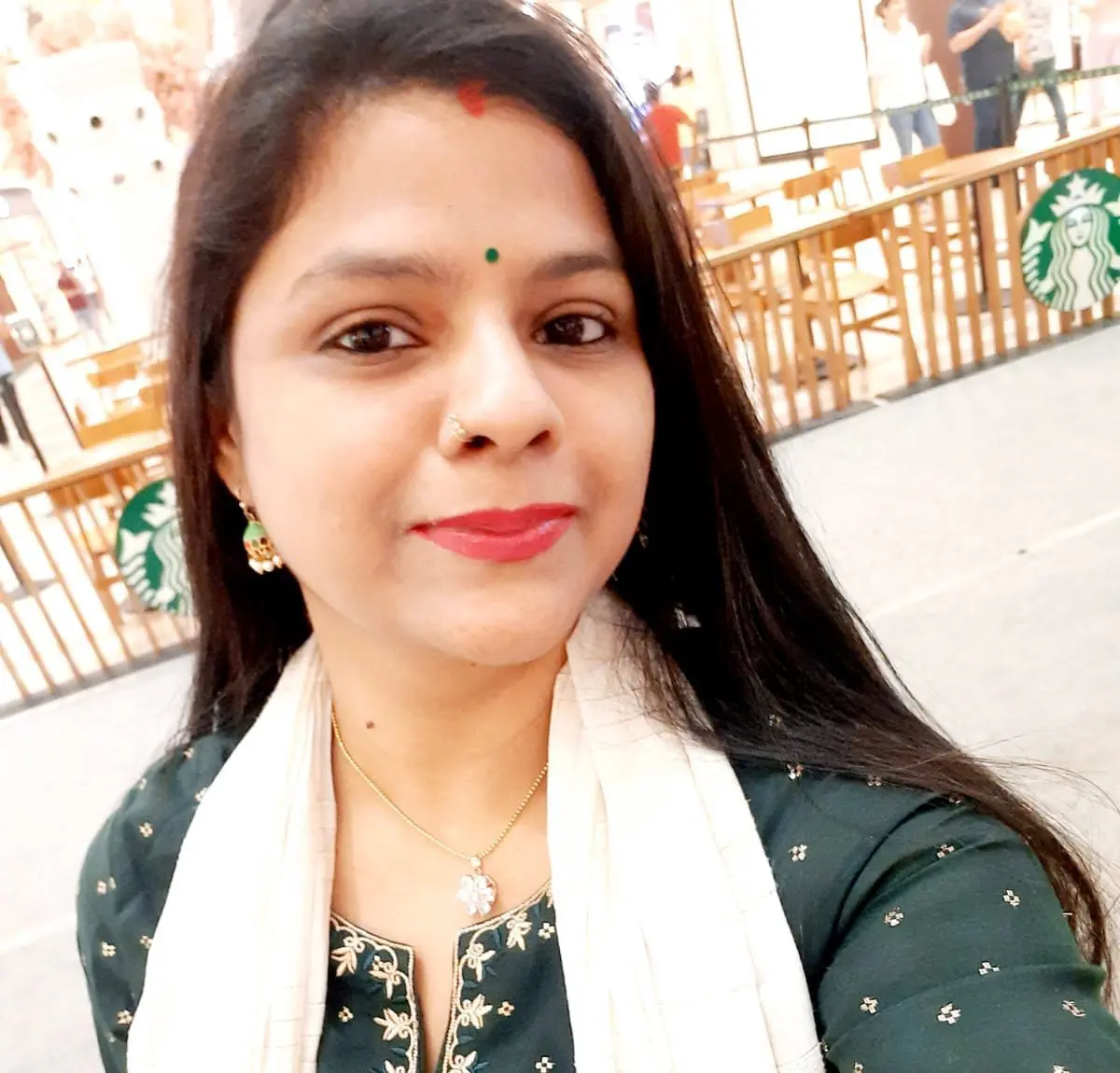
With over 11 years of experience in the publishing industry, Priya Srivastava has become a trusted guide for hundreds of authors navigating the challenging path from manuscript to marketplace. As Editor-in-Chief of Deified Publications, she combines the precision of a publishing professional with the empathy of a mentor who truly understands the fears, hopes, and dreams of both first-time and seasoned writers.