
Rating:
⭐⭐⭐⭐ (4.3 out of 5)
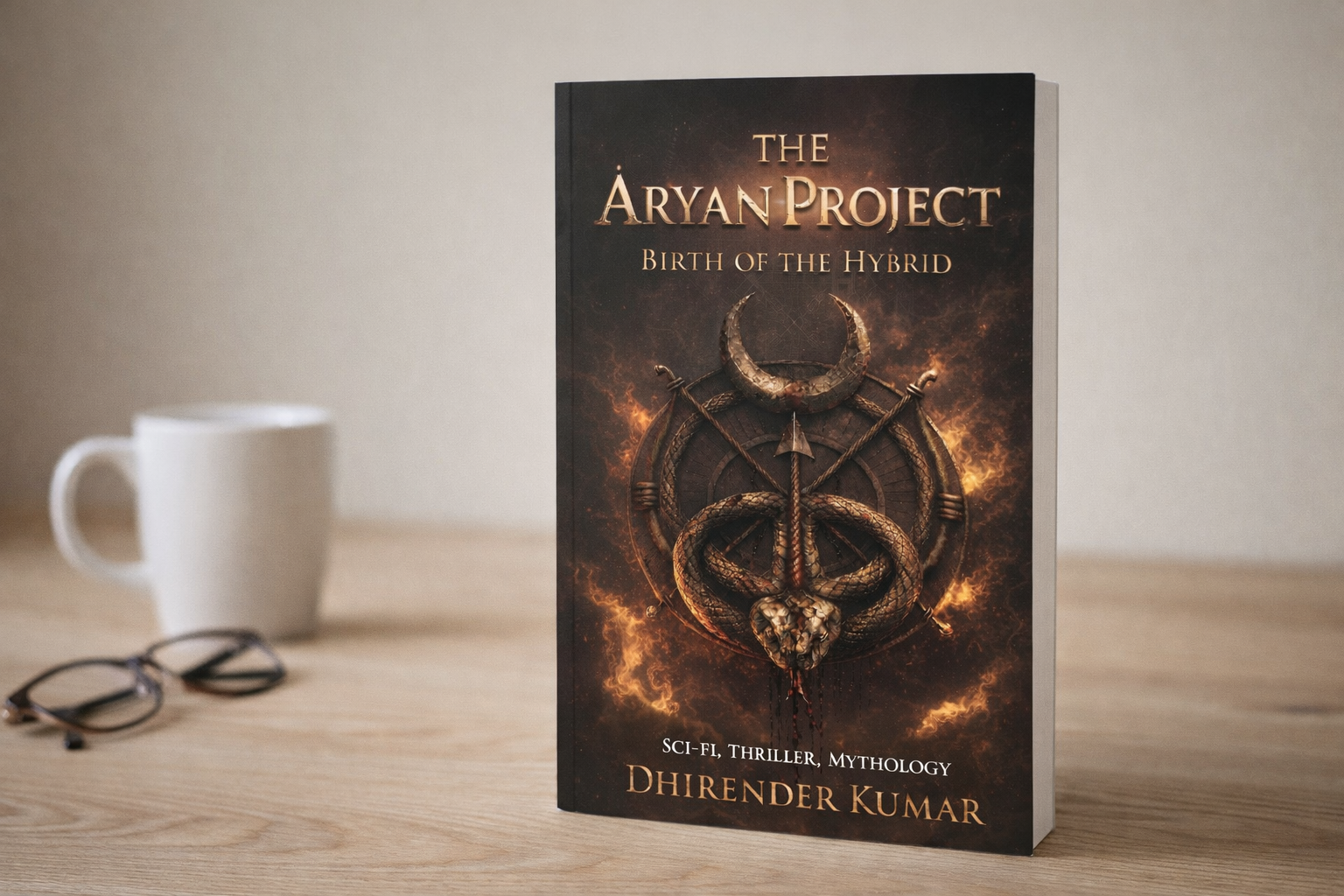
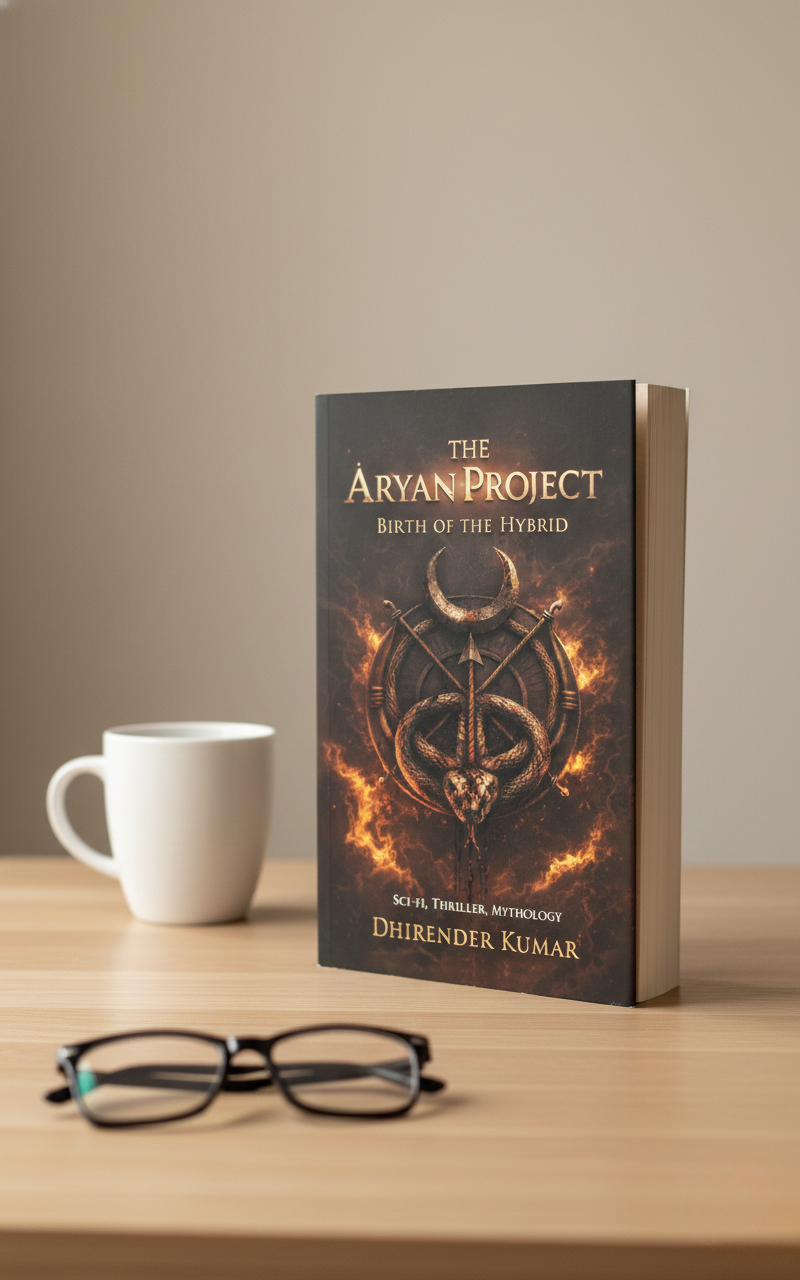
I’ll be honest. When I first saw the cover of The Aryan Project, I paused longer than usual. There is something heavy about it. Not just dark or dramatic, but weighted, like it is carrying history, violence, and secrets all at once. As someone who has spent over fifteen years reading across genres and now works as Editor-in-Chief at Deified Publication, I’ve trained myself to notice when a book’s visual language already hints at the emotional tone. This one felt intense before I even read the blurb.
Then I read the opening line of the description. What if religion wasn’t belief but memory. That sentence stayed with me. I remember rereading it twice, thinking about how many wars, rituals, and identities are built on memory passed down, distorted, protected. I’ve read a lot of sci-fi and mythology blends over the years, enough to know when an idea has weight behind it. This one does. And it made me curious in a very human way, not the flashy kind.
What the Book Is About
The Aryan Project by Dhirender Kumar sits at an intersection that is not easy to balance. Science fiction, mythology, thriller, and philosophical questions about humanity all pressed together. From the blurb alone, the story centers on Anaya, a child who survives a brutal fire when survival should have been impossible. Already, that sets the tone. Survival here is not luck. It is something else.
Anaya is found in the Himalayas, which feels intentional. Remote, ancient, watching over centuries. She is not entirely human, and that phrase alone opens so many doors. She grows up hidden, shaped by loss, intelligence, and something unnamed that separates her from others. When her partner uncovers a classified project connecting ancient civilizations with forbidden science and is killed for it, the story shifts gears. This is no longer only about identity. It becomes about power, control, and who gets to decide what truth looks like.
There is an immortal predator hunting her, which adds a mythic danger, not just physical but symbolic. And then there is the pregnancy. A child that defies time. That detail caught me off guard. Not because pregnancy in fiction is rare, but because here it feels like a moral weight. Anaya is carrying not just life, but consequence. The choice she faces is not whether to survive, but whether humanity deserves access to a truth that could change everything.
What Stood Out to Me
In my years reviewing books, I’ve noticed that many stories try to merge mythology and science but end up leaning too heavily on one side. From the blurb of The Aryan Project, what stood out is the intention to treat myths as engineered history rather than fantasy. That idea feels unsettling in the right way. The suggestion that ancient civilizations were not primitive but deliberately erased or rewritten taps into a fear many of us already carry. That history is curated.
Anaya as a character also feels layered, even from this limited material. She is not positioned as a hero in the traditional sense. She is hunted, isolated, and forced into decisions she did not ask for. I appreciated that her brilliance is mentioned alongside her loss. Too often intelligence in characters is romanticized. Here, it seems to be a burden as much as a strength.
The immortal predator is another element that intrigued me. Immortality in fiction often becomes a spectacle. Here, it feels more like a reminder that some forces outlast morality. That idea works well with the theme of memory. What happens when something remembers everything, forever.
Stylistically, the premise suggests a fast-moving narrative with emotional anchors. There are multiple threads, secret projects, ancient science, grief, pursuit. Balancing these requires discipline. From the way the blurb is structured, it seems the author understands pacing. Information is revealed in pressure points, not dumped all at once.
The Emotional Core
What I think might hit readers the hardest is not the science or mythology, but the loneliness of Anaya. Being not entirely human is a powerful metaphor. I’ve seen this in real life, not literally, but emotionally. People who grow up knowing they are different, who are watched instead of understood. That kind of isolation shapes every decision.
The pregnancy adds another emotional layer. Carrying a child while being hunted, while questioning whether humanity deserves truth, feels deeply personal. It reminded me of conversations I’ve had with women who felt they were carrying responsibility before they felt ready. Some parts of this story, at least conceptually, hit differently because they touch on protection, fear, and legacy.
There is also grief. The death of her partner is not just a plot device. It is the catalyst that removes safety and forces confrontation. Loss here seems to function as awakening, which is something I’ve noticed in many powerful narratives. We do not change when we are comfortable.
Who This Book Is For
This book will likely resonate with readers who enjoy sci-fi that asks moral questions without spoon-feeding answers. If you like stories where mythology is treated as data rather than legend, this might be your space. Readers who enjoy high-stakes thrillers with emotional grounding will find something here.
That said, this might not be for someone looking for light reading or clean resolutions. The themes are heavy. Identity, engineered history, survival, and moral responsibility are not casual topics. If you prefer character-driven stories that sit with you rather than entertain briefly, The Aryan Project feels aligned.
Final Thoughts
I haven’t read the full book yet, and I want to be clear about that. But from the blurb, the cover, and my experience reading enough genre fiction to recognize intention, this story feels ambitious in a grounded way. Dhirender Kumar seems to be asking uncomfortable questions rather than offering spectacle alone.
There might be moments where the density of ideas feels overwhelming. That is often the risk with concepts this layered. But I would rather read a book that reaches too far than one that plays safe. In 2025, when conversations about truth, history, and engineered narratives feel painfully relevant, this story feels timely without trying to comment directly on our world.
If nothing else, The Aryan Project is the kind of book that makes you pause and think about what we inherit and what we choose to protect. And that matters.
FAQ Section
Is The Aryan Project worth reading?
If you enjoy sci-fi blended with mythology and ethical dilemmas, yes, it is worth your time.
What is The Aryan Project about?
It follows Anaya, a woman connected to forbidden science and ancient civilizations, forced to decide whether humanity deserves a truth that could reshape history.
Who should read The Aryan Project?
Readers who enjoy darker sci-fi, mythological reinterpretations, and character-driven thrillers.
Is The Aryan Project a fast read?
It appears paced like a thriller, but the themes suggest it asks for attention rather than speed.

With over 11 years of experience in the publishing industry, Priya Srivastava has become a trusted guide for hundreds of authors navigating the challenging path from manuscript to marketplace. As Editor-in-Chief of Deified Publications, she combines the precision of a publishing professional with the empathy of a mentor who truly understands the fears, hopes, and dreams of both first-time and seasoned writers.