
Rating:
⭐⭐⭐⭐ (4.4 out of 5)
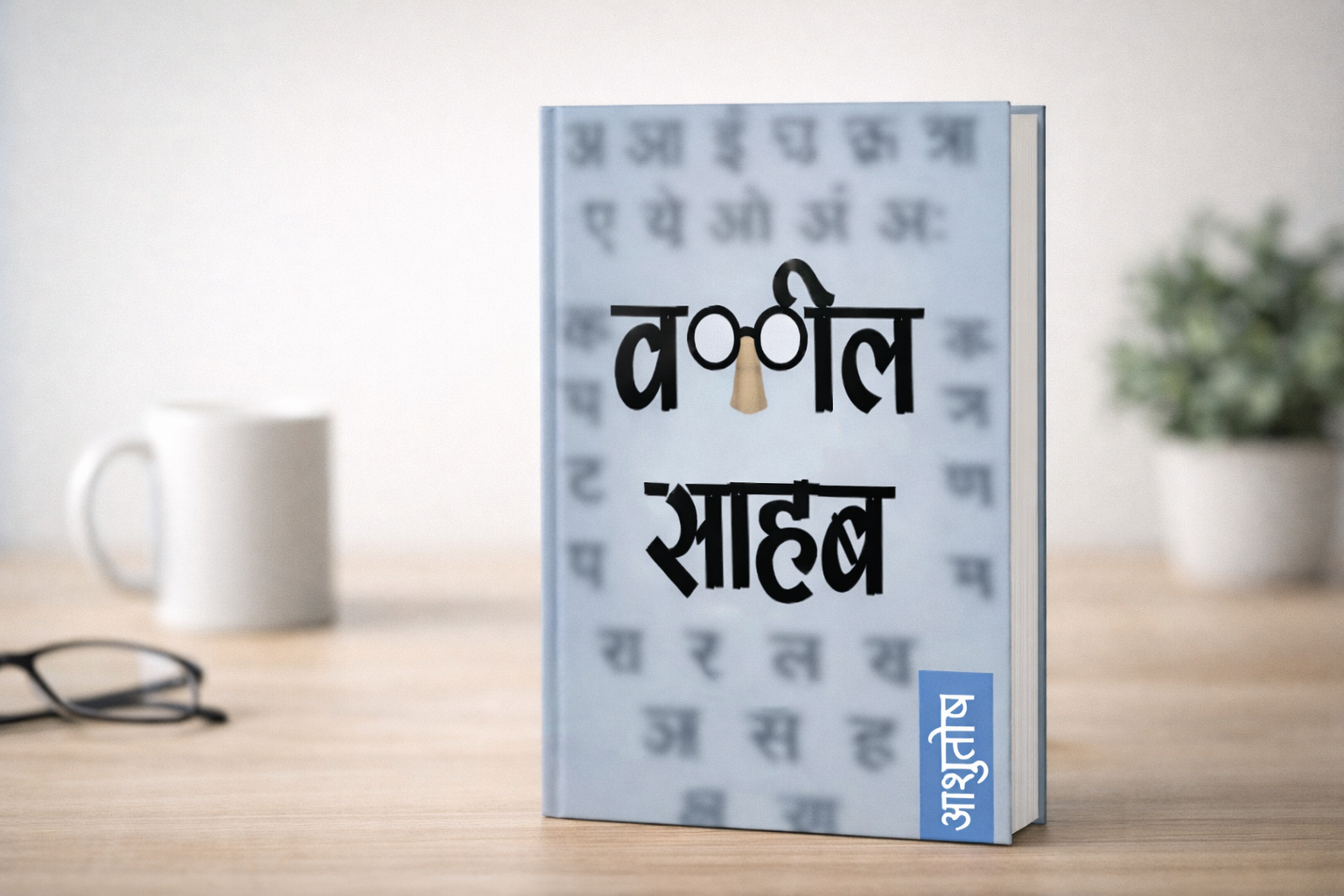
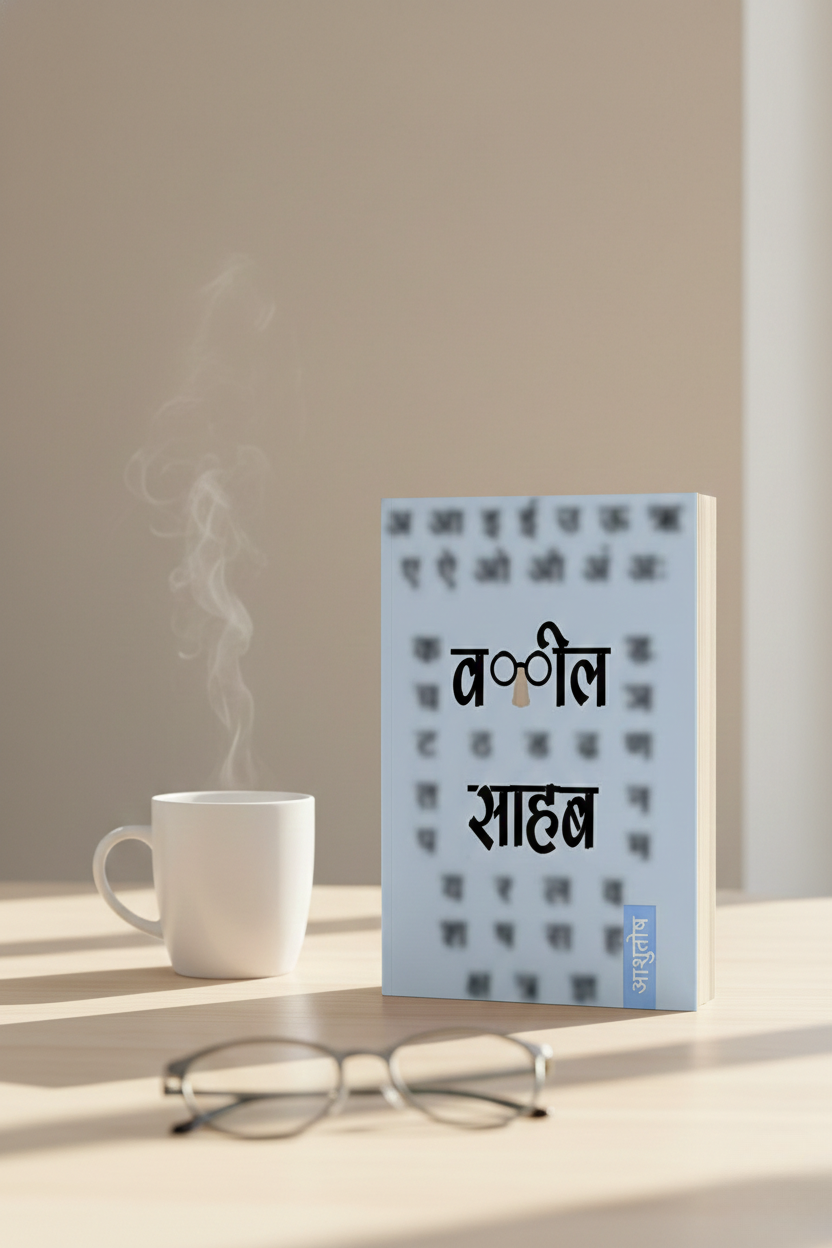
There are some books you open with a plan. Read a few pages. Mark a line or two. Come back later. Wakeel Sahab did not feel like that kind of book to me. When I first looked at the cover, that slightly playful seriousness of the title, the typography, the sense that language itself was being looked at with affection, I felt curious in a very specific way. Not curiosity about a story, but curiosity about words themselves. About where they come from and how they quietly follow us through life.
In my years of reading across genres, I have learned that books about language can go two ways. They can become heavy and academic, or they can surprise you by feeling intimate and alive. From the moment I read the blurb of Wakeel Sahab, I had a feeling this one leaned strongly toward the second.
Honestly, it reminded me of the kind of conversations you have with someone older, someone who knows words the way others know people. Not to show off, but to share delight.
What the Book Is About
Wakeel Sahab by Ashutosh is, at its core, a book about words. But not just definitions. Not lists. Not dry explanations. It presents the history and geography of more than one hundred words drawn from Hindi, Sanskrit, Arabic, Persian, and English. What makes this interesting is the way these words are introduced. Through storytelling.
Instead of treating words as static units, the book treats them as travelers. Words that have moved across cultures, borders, centuries. Words that have picked up meanings, lost meanings, shifted tone. The blurb makes it clear that each word’s origin is discussed with authenticity and backed by standard sources, which matters when you are dealing with language history.
There are also abundant pictures, which suggests this is meant to be an engaging experience rather than a purely textual one. The foreword note describing it as interesting for logophiles, especially for the youth, feels accurate. This does not sound like a book that demands prior knowledge. It sounds like one that invites curiosity.
What Stood Out to Me
What stood out to me most is the intent behind the book. This does not feel like an attempt to impress readers with scholarship. It feels like an attempt to share fascination.
In my experience reviewing nonfiction, especially language focused books, authors sometimes forget the reader. They get lost in precision and forget wonder. Wakeel Sahab seems to do the opposite. The storytelling mode mentioned in the blurb suggests that words are introduced through situations, anecdotes, maybe even humor.
I also appreciated the range of languages involved. Hindi, Sanskrit, Arabic, Persian, English. That mix reflects how language actually works in everyday Indian life. We speak in layers. We borrow without noticing. We use words daily without knowing their ancestry. This book seems to gently pull back that curtain.
The fact that the author is named Ashutosh, with no grand author persona attached, adds to the grounded feel. From the back cover details, we know he is in his early sixties, with experience in journalism and writing on social issues. That background makes sense here. Journalism teaches you to respect clarity. Social writing teaches you to care about accessibility.
The Emotional Core
At first glance, a book about word origins might not sound emotional. But language is deeply tied to identity, memory, and belonging. The emotional core of Wakeel Sahab lies in recognition.
There is something strangely comforting about learning where a familiar word came from. It makes you feel connected to a longer story. To generations of speakers who used the same sound to mean something meaningful.
I imagine readers feeling small moments of delight. That pause where you think, I did not know this. Or, so that is why we say it like that. Those moments add up. They remind you that language is not rigid. It is alive.
Honestly, this reminded me of my school days, when a good teacher would suddenly explain a word in a way that made the entire sentence glow differently. That feeling stays with you longer than any exam answer.
Who This Book Is For
Wakeel Sahab is for anyone who enjoys words. If you have ever wondered why a word sounds the way it does, or how it entered your vocabulary, this book will appeal to you.
It is especially suitable for young readers, as the blurb suggests, but I do not think age is a limitation here. Adults who enjoy learning without pressure will find this rewarding. Teachers, students, writers, journalists, and anyone who works closely with language will likely enjoy dipping into it.
That said, this may not be for readers looking for a single continuous narrative. This is more of a companion book. One you open, explore, put down, and return to later.
Final Thoughts
In 2025, when attention spans are shrinking and language is often reduced to shorthand and speed, Wakeel Sahab feels quietly important. It reminds us that words have weight. History. Personality.
As an editor, I admire books that respect their subject without overwhelming their reader. This book seems to strike that balance well. It offers knowledge, but wrapped in curiosity and warmth.
There may be readers who want deeper academic analysis or more exhaustive references. But that would be asking this book to be something it is not trying to be. It knows its purpose. To make words feel interesting again.
For me, that is more than enough.
FAQ
Is Wakeel Sahab worth reading?
If you enjoy learning about words and their origins in a friendly, story driven way, it is absolutely worth your time.
Who should read Wakeel Sahab?
Students, teachers, writers, and anyone curious about Hindi and multilingual word histories.
What kind of book is Wakeel Sahab?
It is a nonfiction book focused on word origins, presented through storytelling.
Is Wakeel Sahab suitable for young readers?
Yes, especially for youth interested in language, vocabulary, and cultural history.

With over 11 years of experience in the publishing industry, Priya Srivastava has become a trusted guide for hundreds of authors navigating the challenging path from manuscript to marketplace. As Editor-in-Chief of Deified Publications, she combines the precision of a publishing professional with the empathy of a mentor who truly understands the fears, hopes, and dreams of both first-time and seasoned writers.