
Rating:
⭐⭐⭐⭐½ (4.5 out of 5)
I want to be honest from the first line. Prem made me uncomfortable in a very specific way. Not because of shock or drama, but because of recognition. That slow, creeping recognition where you realize you have seen this kind of love before. Maybe not in its darkest form, but in fragments. In conversations. In silences. In relationships that looked calm from the outside and felt heavy on the inside.
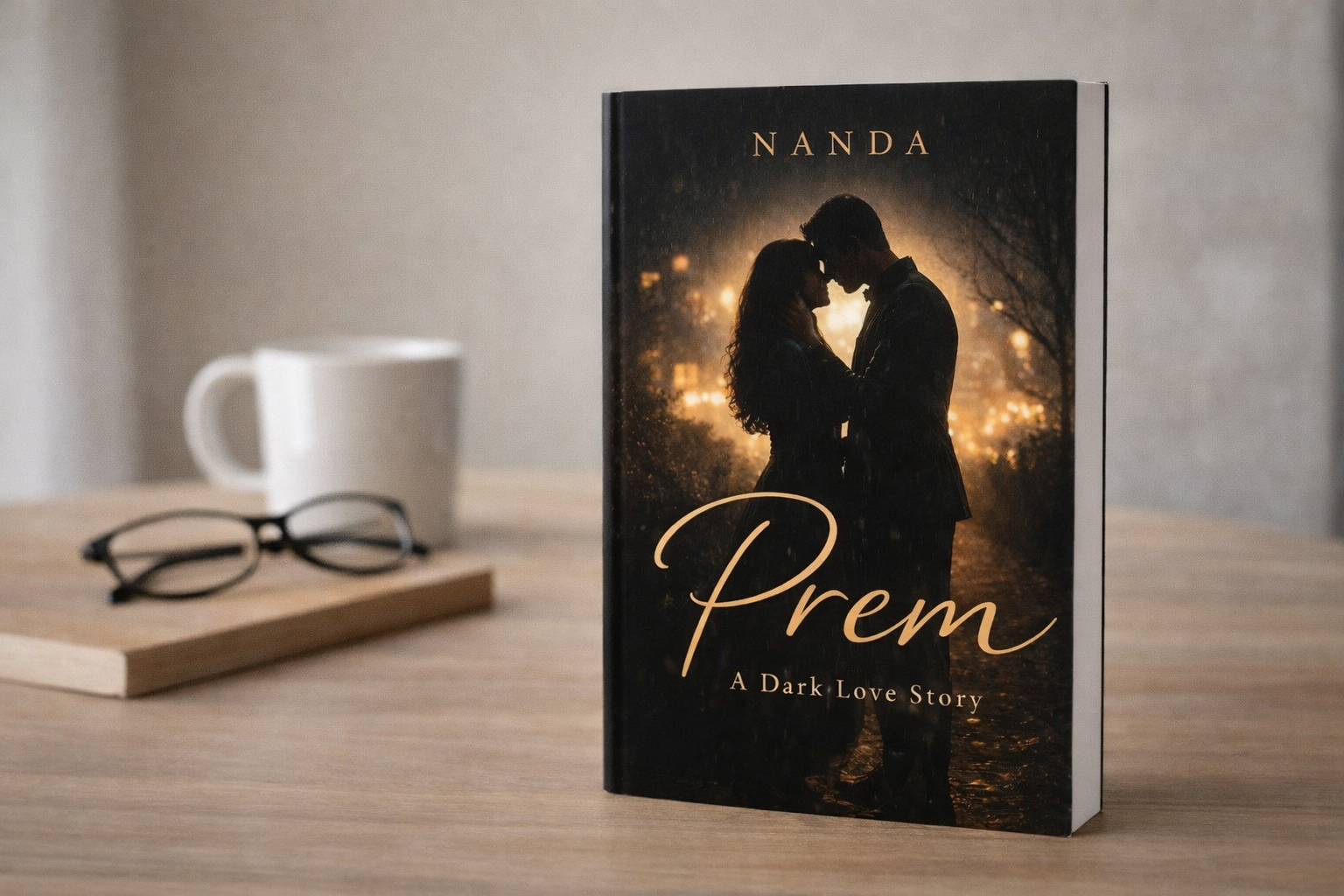
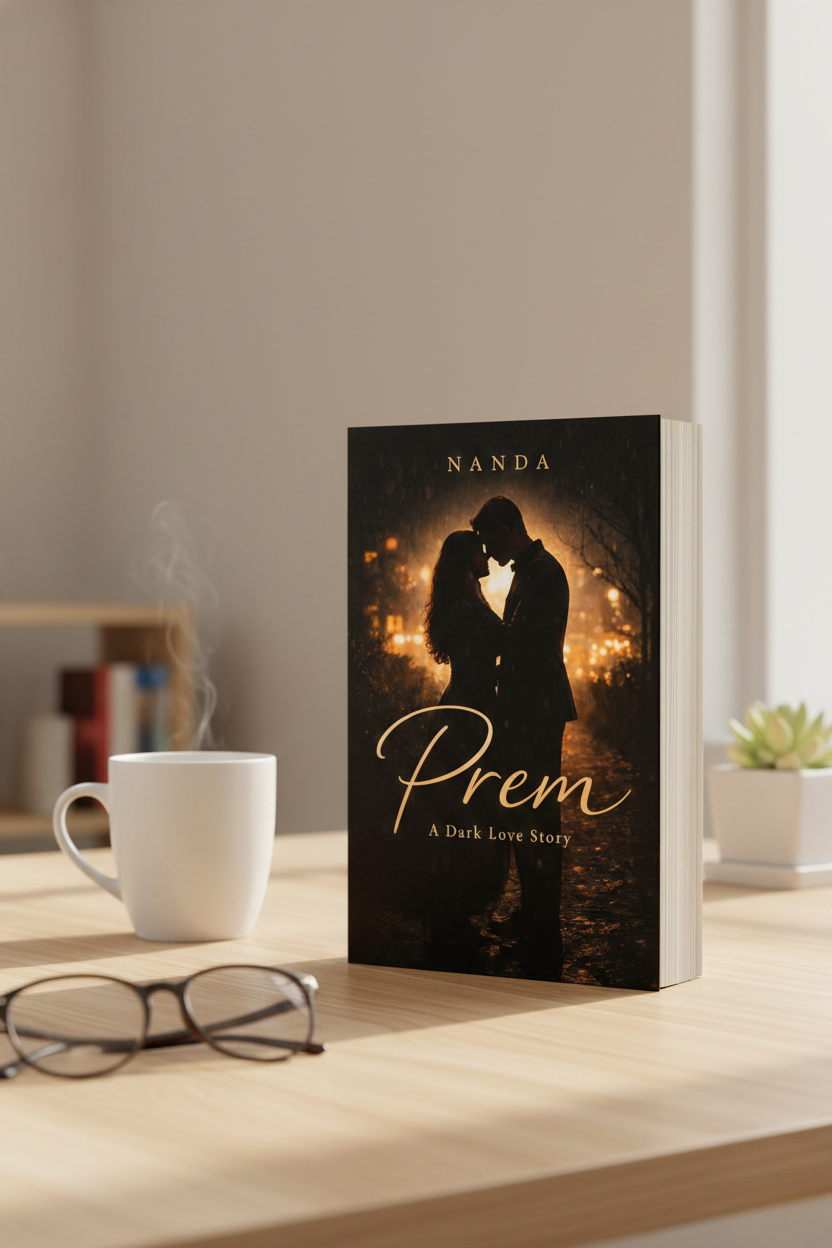
When I first looked at the cover, the mood was clear. Darkness, intimacy, closeness that feels almost too close. Two people standing face to face, surrounded by light that feels more like a spotlight than warmth. The subtitle, a dark love story, does not exaggerate. It prepares you, but it does not warn you enough. I do not think it can.
In my years reviewing fiction, especially stories centered on love and psychology, I have learned that the most unsettling ones are not violent or loud. They are gentle. Soft spoken. They convince you slowly. Prem belongs to that category.
What the Book Is About
At its core, Prem is about Madhu. A woman shaped by loss and loneliness. The blurb tells us she is tired. Tired in the way people get tired when grief has stayed too long and hope feels like a risk. When Prem enters her life, he does not rush. He offers patience. Protection. Stability. He offers a home that feels safe, a love that feels reliable, and a future that feels planned.
And that is where this story becomes unsettling.
Because nothing about Prem’s love is obviously cruel. It does not shout. It does not strike. It does not abandon. Instead, it encloses. It designs a world where Madhu slowly gives up choices without realizing she ever had them.
What struck me in the blurb is the idea that love can be designed. That comfort can be controlled. That line stayed with me. I kept thinking about how often we praise devotion without questioning its cost.
This is not a story about escape. The author is very clear about that. It is about staying. About adapting. About mistaking care for control and protection for ownership.
What Stood Out to Me
The strongest aspect of Prem is its restraint. Nanda B does not rely on dramatic twists or sudden revelations. The horror here is gradual. Psychological. Built through small adjustments in Madhu’s life. Boundaries that appear reasonable. Decisions that feel logical in isolation.
I think what stood out most to me was how believable Prem is. He is not written as a villain in the traditional sense. He is attentive. Calm. Predictable. That predictability becomes the problem.
As a reader, you are not asked to hate him immediately. You are asked to understand why Madhu trusts him. And that makes the later realizations harder to sit with.
The writing, based on the blurb and tone, seems controlled and deliberate. There is a confidence in not over explaining. The author trusts the reader to connect dots, to feel the weight of what is not being said.
I have read psychological love stories before, but this one feels less about obsession and more about erasure. The slow erasure of choice, identity, and autonomy.
The Emotional Core
This book feels heavy in a quiet way. Not sad in a tearful sense, but suffocating. It captures the fear of waking up one day and realizing your life has become very small, even though it looks complete.
I found myself thinking about people I know who stayed in relationships because they felt protected. Who believed safety mattered more than freedom. Who confused consistency with care.
Some parts of this story will hit differently depending on your own experiences. If you have ever stayed too long because leaving felt scarier than staying, this book will feel personal.
What lingers is the idea that love does not have to hurt to be harmful. That realization alone makes this story sit with you long after you finish thinking about it.
Who This Book Is For
Prem is not for readers looking for comfort romance. It is not a story where love heals everything. If you enjoy darker psychological fiction, stories that question power dynamics and emotional control, this will likely resonate.
Readers who appreciate slow burns, internal tension, and character driven narratives will find value here. This book might not be for everyone, and that is important to say. If you want clear heroes and villains, this may frustrate you.
But if you are willing to sit with discomfort and ambiguity, Prem offers something rare.
Final Thoughts
As Editor in Chief at Deified Publication, I often say this to authors and readers alike. The stories that matter are not always the ones that make us feel good. Sometimes they make us aware.
Prem feels like one of those stories. It does not offer easy answers. It does not rescue its characters in obvious ways. It shows how love, when wrapped in control, can become the most beautiful prison.
There are moments where the pacing might feel slow for some readers. The introspection can feel heavy. But I think that slowness is intentional. This story needed space to breathe, even when that breath feels constrained.
This is a dark love story in the truest sense. Not because it is dramatic, but because it is plausible.
FAQ Section
Is Prem worth reading?
Yes, if you enjoy psychological love stories that focus on control and emotional dynamics.
Who should read Prem by Nanda B?
Readers interested in dark romance, psychological fiction, and character driven stories.
What is Prem about in simple terms?
It is about a woman who mistakes control for care and love for safety.
Is Prem a typical romance novel?
No. It challenges romantic ideas rather than celebrating them.

With over 11 years of experience in the publishing industry, Priya Srivastava has become a trusted guide for hundreds of authors navigating the challenging path from manuscript to marketplace. As Editor-in-Chief of Deified Publications, she combines the precision of a publishing professional with the empathy of a mentor who truly understands the fears, hopes, and dreams of both first-time and seasoned writers.