
Rating:
⭐⭐⭐⭐ (4.3 out of 5)
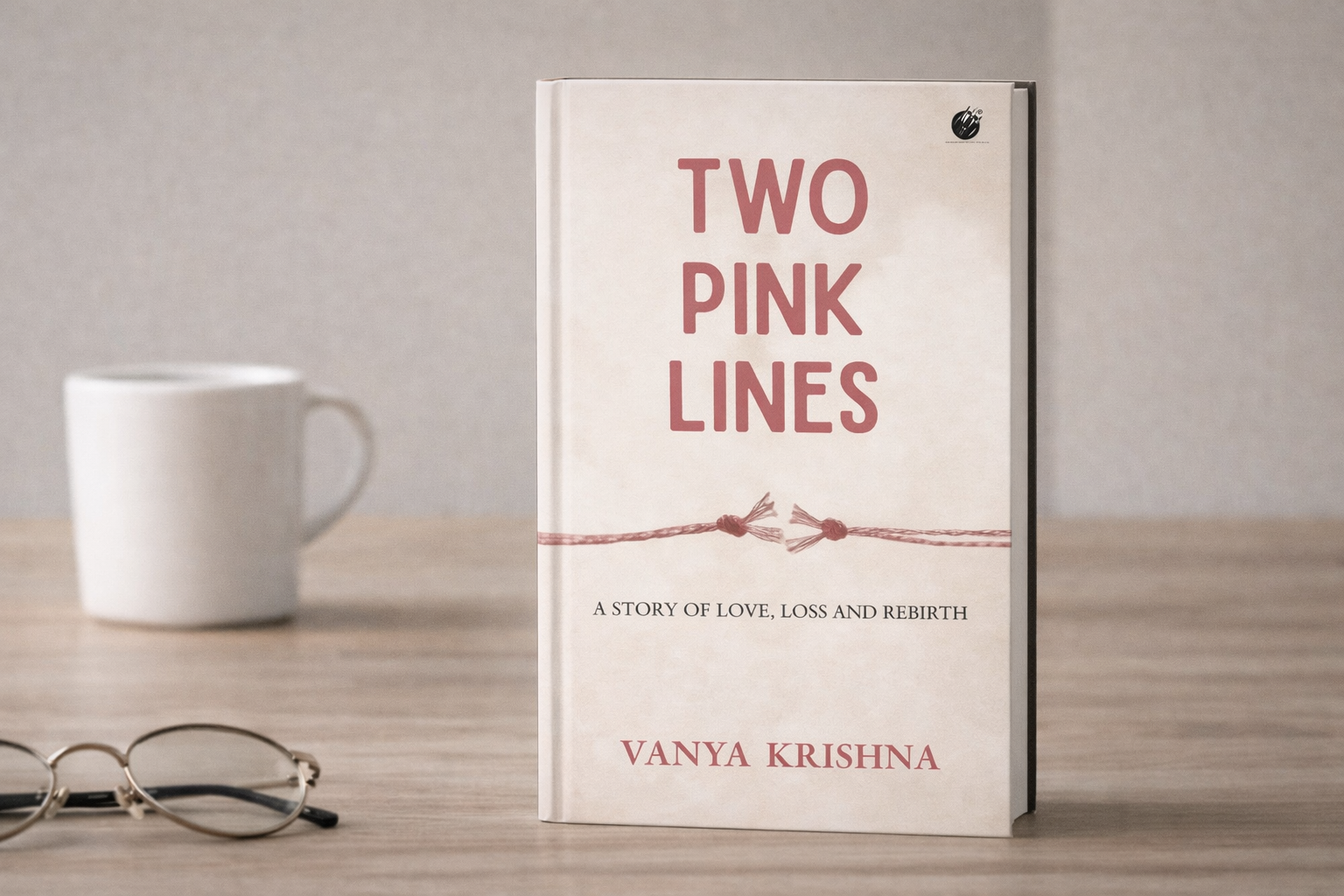
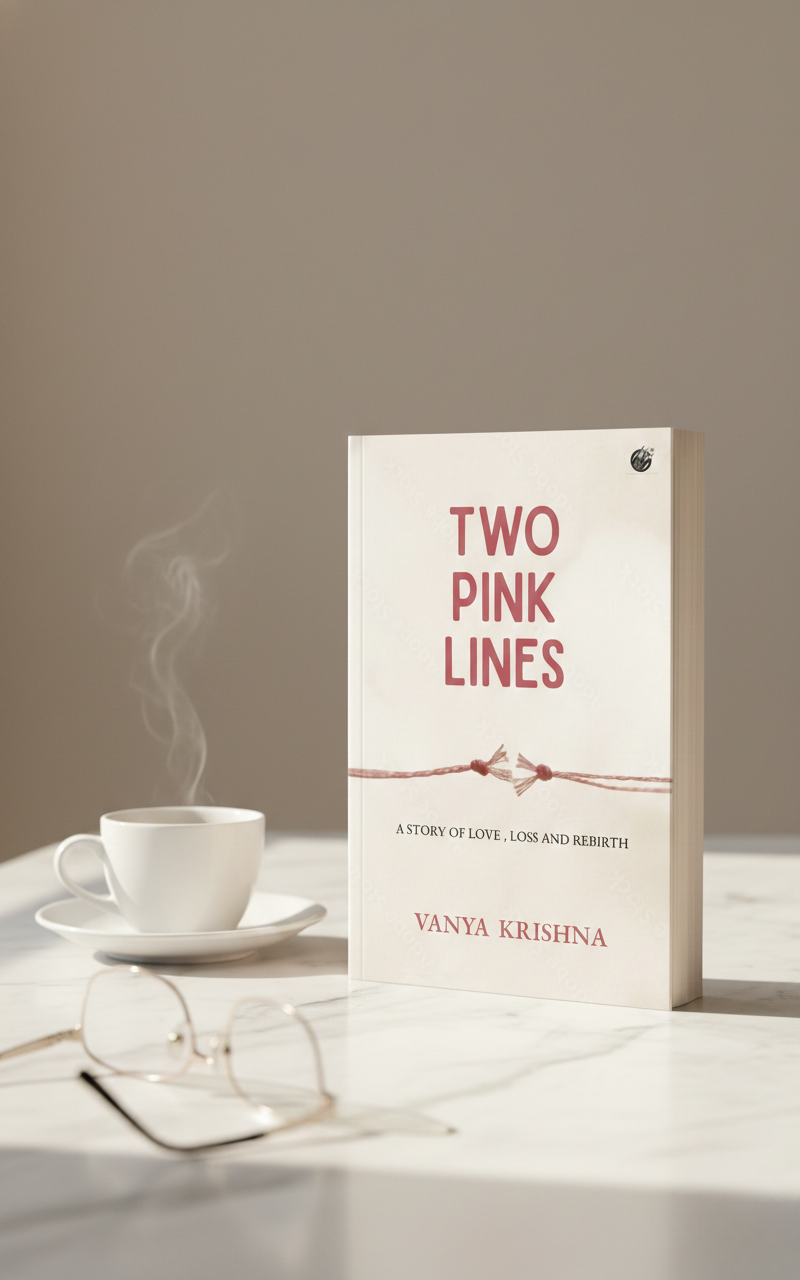
I want to start this review a little differently. When I first looked at the cover of Two Pink Lines, I didn’t immediately think of heartbreak. I thought of something fragile. Two threads tied together, not tightly, not dramatically. Just enough to hold. That image stayed with me while I read the back cover, and honestly, it framed how I understood the story even before getting into the details.
I’ve read the sweeping romances, the tragic ones, the hopeful ones, and the ones that try to be all three at once. What usually draws me in is not how loudly a story declares emotion, but how carefully it handles it. Two Pink Lines seems to know exactly how delicate its subject matter is, and it treats it with restraint.
This is a debut novel by Vanya Krishna, and debuts often tell you a lot about what an author cares about. Here, it’s clear that the focus is not on spectacle. It’s on survival, memory, and the quiet courage it takes to begin again.
What the Book Is About
Two Pink Lines: A Story of Love, Loss and Rebirth follows Nina, a woman whose early life is painted in soft, familiar strokes. Crayons, bicycle rides, simple dreams. She grows up imagining love as something gentle, something safe, something that would naturally find its place in her life.
When Nina meets Samir, a charming senior with a mischievous smile, that imagined future begins to feel real. Their relationship grows through shy conversations and shared hopes. They dream of family, laughter, and a home they will build together. These moments are not portrayed as dramatic milestones. They feel like ordinary happiness, which makes them believable.
But the world Nina lives in does not protect such simplicity.
Bound by societal rules, family honour, and expectations she did not choose, Nina is separated from Samir. Distance enters the relationship. Silence follows. She is forced into a marriage she never wanted, and with that, a part of her innocence breaks. The story does not rush through this phase. It acknowledges the emotional violence of being denied choice.
Just when Nina believes she has lost everything, tragedy strikes again. The book does not shy away from repeated loss, but it also does not sensationalize it. Loss here is cumulative. Each one adds weight.
Years later, in a bustling city far removed from who they once were, destiny brings Nina and Samir face to face again. Their reunion is brief, tender, and deeply unsettling. It reminds them of what was taken from them and what can never be recovered.
And yet, the story does not end in despair. Out of heartbreak comes something unexpected. A quiet miracle. A new life. A new beginning. The title, Two Pink Lines, finally reveals its full meaning here. It becomes a symbol not just of survival, but of reclaiming love in a different form.
What Stood Out to Me
What stood out most to me is the emotional pacing.
In my years reviewing fiction, I’ve noticed that many stories about love and loss rush toward impact. They want you to feel everything at once. This book does the opposite. It lets emotion accumulate slowly, almost imperceptibly, until you realize how much weight you’re carrying.
The portrayal of Nina feels grounded. She is not written as a symbol or an idea. She is a person shaped by her circumstances. Her choices, or lack of them, reflect realities many women will recognize. Family honour, societal pressure, and silence are not abstract concepts here. They actively shape her life.
Samir’s presence is also handled with care. He is important, deeply so, but the story does not turn him into a savior figure. This is Nina’s story. Her endurance, her grief, her eventual rebirth. That distinction matters.
I was also struck by how the book treats reunion. There is no illusion that seeing each other again fixes everything. The meeting is painful precisely because it exposes the distance between who they were and who they’ve become. I’ve seen this happen in real life. Closure rarely arrives wrapped in relief.
From a craft perspective, the language appears intentionally gentle. There is an emphasis on tenderness rather than intensity. That may feel understated to some readers, but it aligns with the story’s emotional truth.
The Emotional Core
At its heart, Two Pink Lines is about reclaiming agency.
Love is important here, yes. But even more important is the idea that a woman’s life does not end at loss. Nina’s journey is not about getting back what she lost. It’s about learning how to live with loss without letting it define her entirely.
The concept of rebirth is handled quietly. There is no grand declaration that everything will be fine. Instead, there is the recognition that new life does not erase old pain. It coexists with it.
I found myself thinking about how many women carry stories like Nina’s silently. Dreams interrupted. Choices made for them. Lives redirected without consent. This book seems aware of that shared, often unspoken experience.
The symbol of the two pink lines is powerful because it represents something deeply personal and universally understood. It’s not just about motherhood. It’s about hope returning when you least expect it. Not loudly. Just steadily.
In 2025, when conversations around women’s autonomy, choice, and healing are increasingly visible, this story feels relevant without trying to be topical. It speaks through lived experience rather than messaging.
Who This Book Is For
This book will resonate with readers who enjoy emotionally grounded stories about women’s lives, especially those shaped by societal pressure and personal loss.
If you like romance that is reflective rather than dramatic, this will likely appeal to you. It’s also a good fit for readers interested in themes of resilience, healing, and starting over.
That said, this is not a light read. The story deals with forced marriage, heartbreak, and repeated loss. Readers looking for escapist romance may find it heavy.
It also requires patience. The emotional payoff comes through accumulation, not sudden twists. If you prefer fast pacing and constant action, this might feel slow.
Final Thoughts
As an editor, I often ask whether a story respects its subject matter. Two Pink Lines does. It does not simplify pain, and it does not romanticize suffering. It acknowledges loss while still making space for hope.
For a debut novel, Vanya Krishna shows a clear understanding of emotional restraint. Her belief in the power of words to heal is evident, but she does not force that belief onto the reader. She allows the story to arrive at healing on its own terms.
If I had to offer a gentle critique, it would be that some readers may wish for deeper exploration of certain secondary characters. The focus remains tightly on Nina, which feels intentional, but it leaves other emotional threads lightly sketched.
Overall, this is a tender, thoughtful story about love that changes shape rather than disappearing. It reminds us that endings are not always final, and beginnings do not always arrive without scars.
FAQ
Is Two Pink Lines worth reading?
Yes, if you enjoy emotionally realistic stories about love, loss, and starting over.
Who should read Two Pink Lines?
Readers interested in women centered narratives, reflective romance, and themes of resilience.
What genre is Two Pink Lines?
It fits within contemporary fiction and romantic drama with strong emotional focus.
Is Two Pink Lines a happy story?
It is not traditionally happy, but it offers hope through growth and rebirth.

With over 11 years of experience in the publishing industry, Priya Srivastava has become a trusted guide for hundreds of authors navigating the challenging path from manuscript to marketplace. As Editor-in-Chief of Deified Publications, she combines the precision of a publishing professional with the empathy of a mentor who truly understands the fears, hopes, and dreams of both first-time and seasoned writers.